
Refurbishing existing buildings presents developers with a unique mix of challenges and opportunities.

As structural engineers and architects, our expertise is in turning those challenges into transformative opportunities, creating value for developers while prioritising sustainability and efficiency.

The Challenge of Retrofitting

Older buildings often come with inherent complexities: aging structural components, outdated layouts, or materials that are no longer in use.

Engineering Solutions for Developers

These can pose obstacles when trying to meet modern building standards or align with contemporary design aesthetics. However, each challenge is an opportunity to think creatively, reimagining these spaces while retaining their core value.

Embracing Adaptive Reuse

One of our most effective strategies is adaptive reuse—utilising as much of the existing structure as possible to reduce waste and enhance cost efficiency.

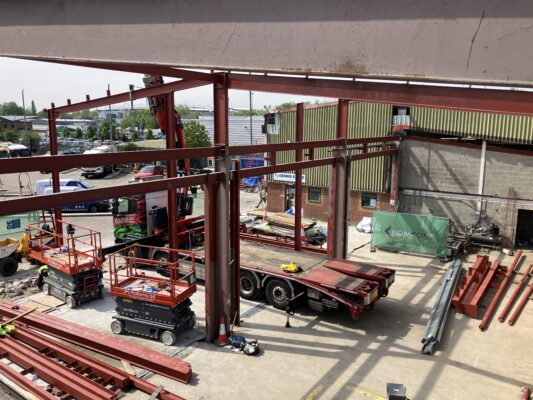
For example, instead of demolishing and replacing the structural framework, we assess how existing components can be integrated into the new design. In one instance, we extended the columns vertically to raise the roof height.

This method conserves resources and shortens project timelines.

Smart Structural Interventions

A common challenge in refurbishment projects is upgrading the building’s structural integrity without compromising its original framework.

Through advanced structural analysis and creative problem-solving, we can reinforce key components like beams, columns, and foundations, enabling them to support modern loads or accommodate additional floors. This ensures safety and functionality while preserving the existing structure.

Engineering Solutions for Developers


Engineering Solutions for Developers

choosing a structural engineer

Sustainable Design as a Value Driver

Sustainability is more than just a buzzword—it’s a value driver for developers.

By focusing on energy-efficient designs and material reuse, we help reduce operational costs and improve long-term building performance.

For example, retaining and repurposing steel or concrete elements reduces both waste and embodied carbon, aligning your project with environmental standards that are increasingly critical in today’s market.

Collaborative Solutions

Successful refurbishments depend on collaboration between architects, engineers, and developers. Our integrated approach ensures that every design choice is informed by technical expertise, aesthetic vision, and economic viability. This synergy allows us to anticipate potential hurdles and resolve them proactively, whether they involve structural limitations, zoning requirements, or material availability.

Transforming Challenges into Success Stories

Every building tells a story, and refurbishment projects offer the chance to add new chapters without erasing the past. With the right engineering and architectural solutions, the challenges developers face can be turned into opportunities for innovation, sustainability, and increased market value.

Ready to unlock the potential of your next project?

Let’s collaborate to transform your building challenges into lasting success.

Book a call today.

Book A Call

RIBA Stage 4: Technical Design – What’s the Rush?

As structural engineers, we understand the eagerness to proceed directly to the technical design phase. However, it’s vital to prioritise completing phases 1-3 of the RIBA plan of work for several key reasons.

Integrated Design

Skipping the concept phases may result in disjointed designs.


integrated design

By going through these phases, architects and engineers can collaborate to seamlessly integrate structural considerations into the architectural vision. This ensures that structural elements not only support the building but also enhance its aesthetics and functionality.


Alignment with

Structural Requirements

Early collaboration during stages 1-3 allows us to seamlessly integrate structural considerations into the architectural concept. 


alignment

This integrated approach ensures that the structural framework supports the architectural vision effectively, leading to a more robust and cohesive design solution.


Risk Mitigation

Rushing into technical design without a thorough understanding of the project’s context and constraints can increase the risk of errors and omissions.


increased risk

Completing phases 1-3 allows for early identification and mitigation of potential risks, such as site conditions, regulatory requirements, and budget constraints, reducing the likelihood of costly revisions or delays during technical design.


Client Collaboration and Approval

Engaging clients throughout stages 1-3 ensures that their expectations and preferences are incorporated into the structural design process. 


client approval

Regular feedback and approval during these stages foster client satisfaction and confidence in the final technical design.


Innovation and Sustainability Integration

Early engagement in the concept phases provides an opportunity to explore innovative and sustainable design solutions.


environmentally friendly buildings

Architects and engineers can collaborate to incorporate sustainable practices and technologies from the outset, resulting in more efficient and environmentally friendly buildings.


Efficient Resource Management

Completing stages 1-3 before moving to technical design optimises the utilisation of resources, including time and manpower. 


greater efficiency

A thorough understanding of project objectives and constraints minimises the need for rework or adjustments during later stages, leading to greater efficiency and cost-effectiveness.


Summary

While it may be tempting to jump straight into technical design, completing phases 1-3 of the RIBA plan of work is essential for;

  • aligning project objectives
  • integrating design elements effectively
  • managing risks
  • engaging clients, and
  • promoting sustainability and innovation

Taking the time to establish a solid foundation in the concept phases ultimately leads to smoother project delivery and better outcomes for all stakeholders involved.

This approach lays the groundwork for a successful technical design phase and ultimately contributes to the overall success of the project.


Don’t let structural challenges stall your project. Talk to us to help you ensure your project stays on track. Get in touch today!

Get in touch today