Meet Hannah, our newest addition to the team who joined us in early February 2024. She brings with her a wealth of experience and a passion for architecture that shines through in her work.

portsmouth uni


Hannah is currently enrolled in a Masters in Architecture (Part II) degree apprenticeship at Portsmouth University.

This rigorous four-year course demands dedication, with the first three years requiring one day a week attendance at the university. It’s a perfect fit for someone like Hannah, who has always had a knack for problem-solving and a love for mathematics!


Her journey into architecture began with a fascination for the end process and results of architectural projects. With a focus mainly on residential projects, ranging from refurbishments to new builds, Hannah has gained three years of professional experience through work experience and employment. She has collaborated with industry professionals on a variety of complex projects, including significant residential developments and high-profile shopping centres.

Throughout her professional journey, Hannah has taken on responsibilities ranging from designing residential buildings based on client briefs to navigating planning applications and producing detailed construction drawings. Her ability to work both independently and as part of a team has been a cornerstone of her success, and she has honed strong communication, technical, and customer service skills along the way.

Beyond her architectural pursuits, Hannah finds joy in her spare time by hitting the pavement for a run. And when it comes to indulging in a sweet treat, her favourite biscuit is a classic custard cream.

We’re thrilled to have Hannah on board, and we can’t wait to see the creative contributions and fresh perspectives she brings to our projects. With her passion, dedication, and talent, she’s undoubtedly a rising star in the field of architecture.
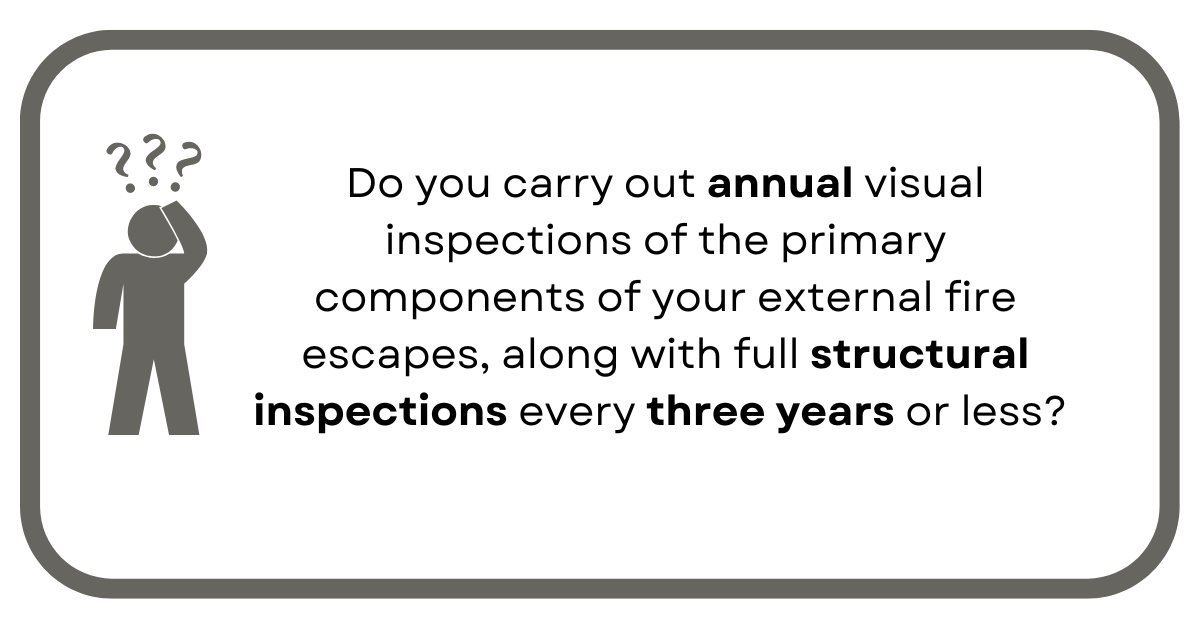
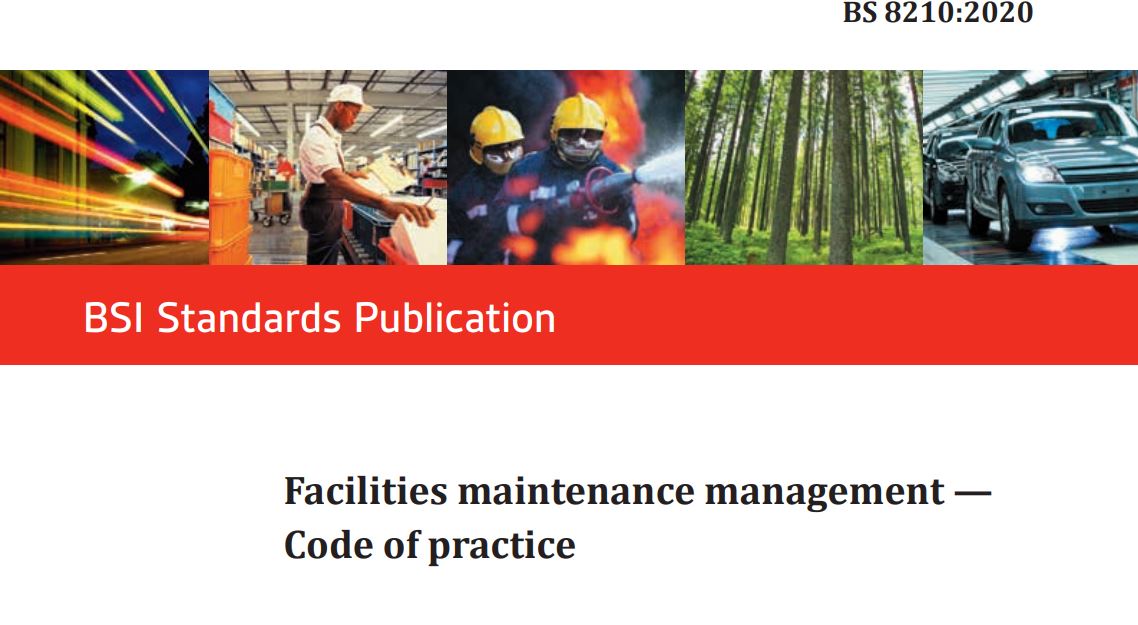
BS 8210:2020 Facilities Maintenance Management

Fire safety is a paramount concern for any building, and having a robust fire escape plan in place is crucial for the protection of occupants and assets.

While many aspects of fire safety are well-known and widely practiced, the importance of regular fire escape inspections conducted by qualified structural engineers, in accordance with standards such as BS 8210:2020, cannot be overstated. In this blog post, we’ll delve into why these inspections are vital for ensuring compliance and safeguarding lives.

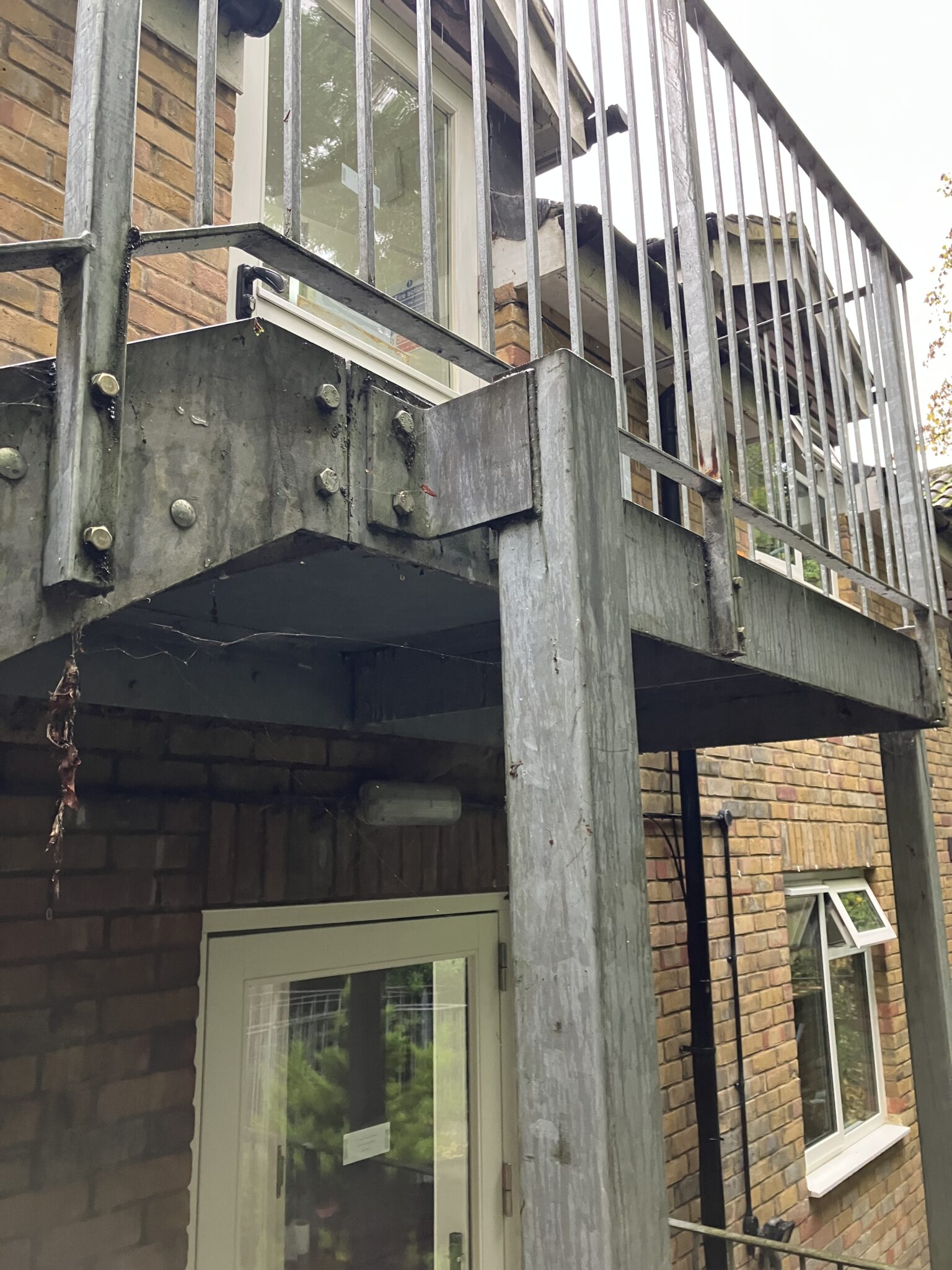
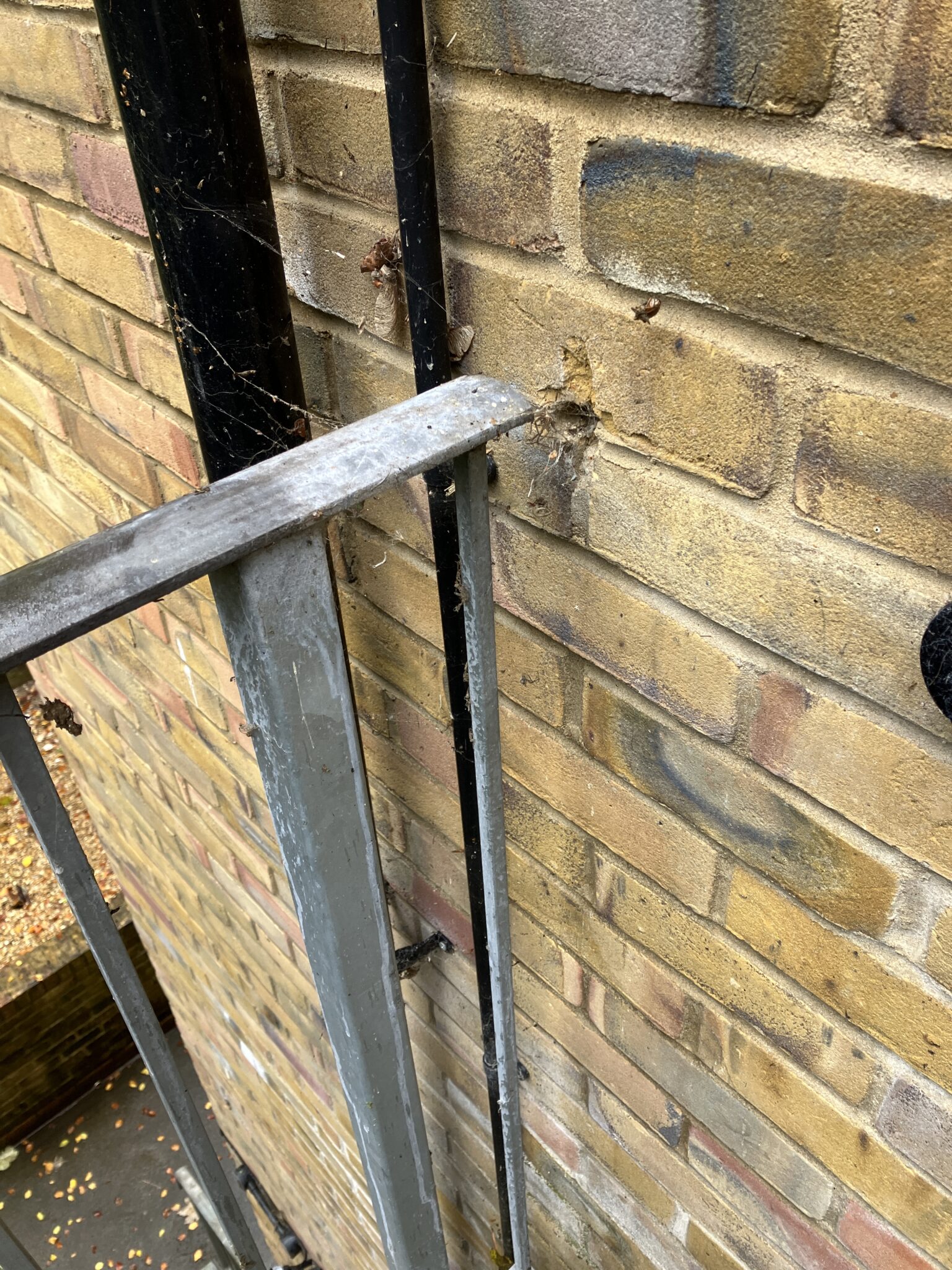
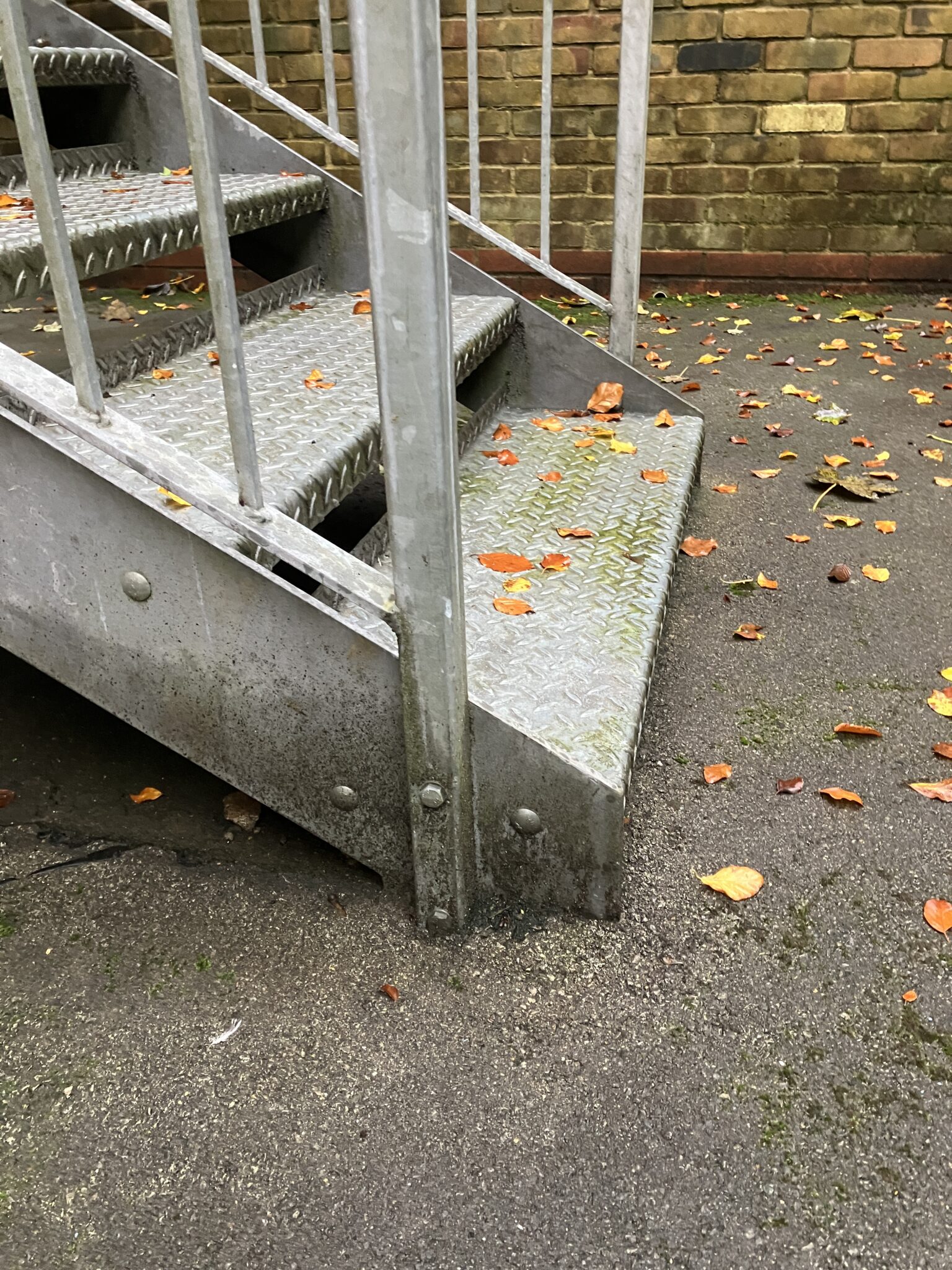
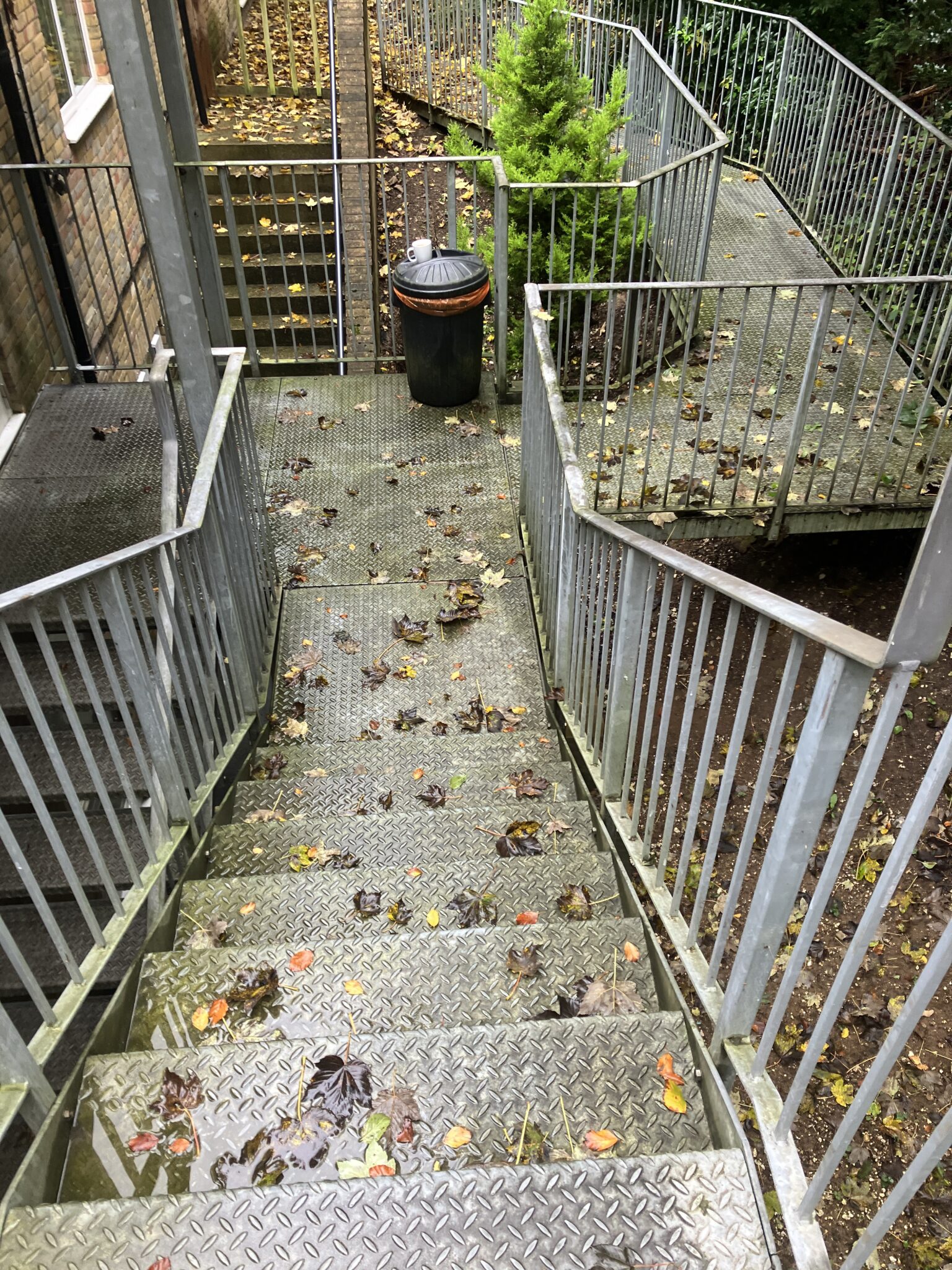
external fire escape inspection


BS 8210:2020

Facilities maintenance management: Code of Practice


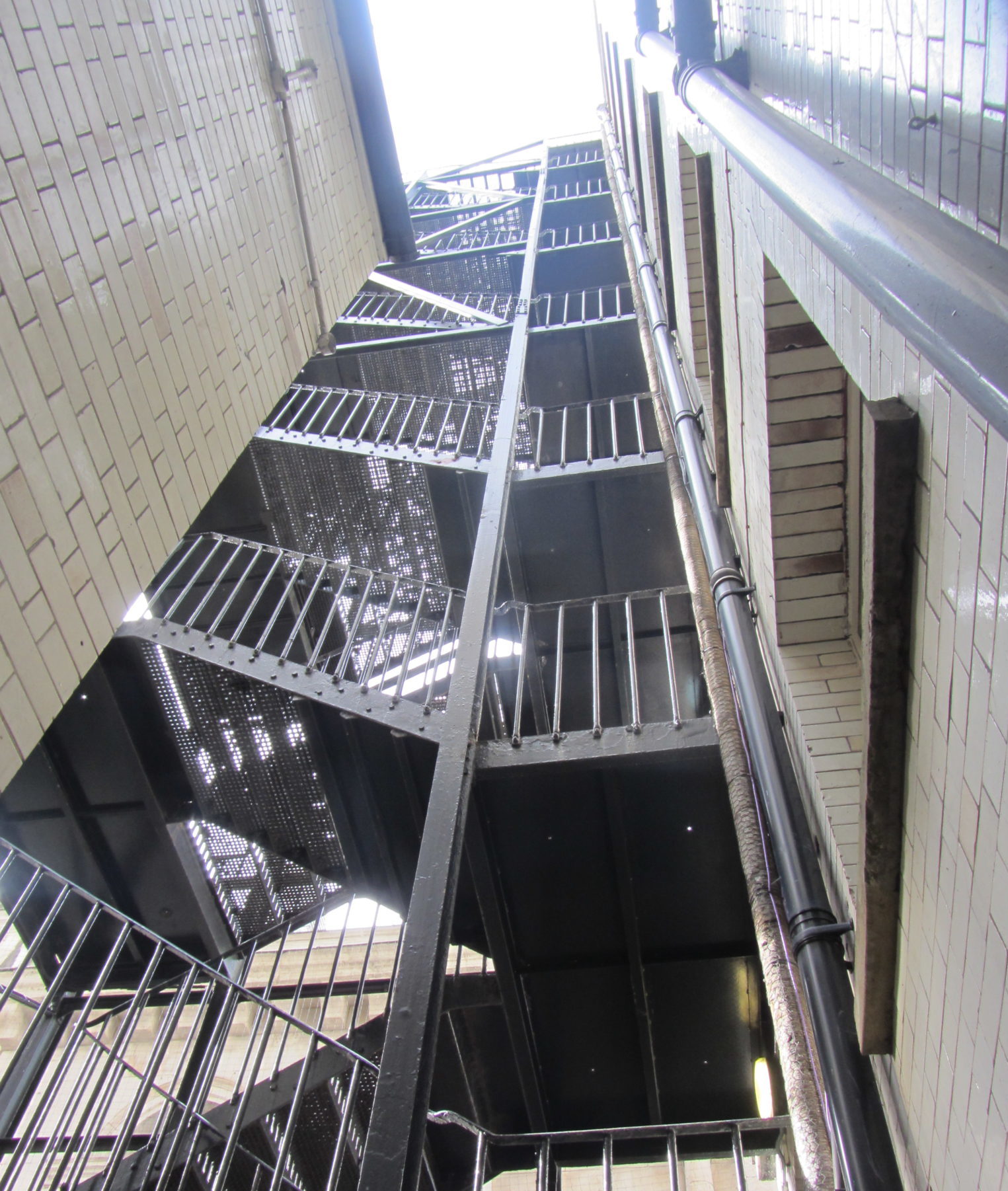
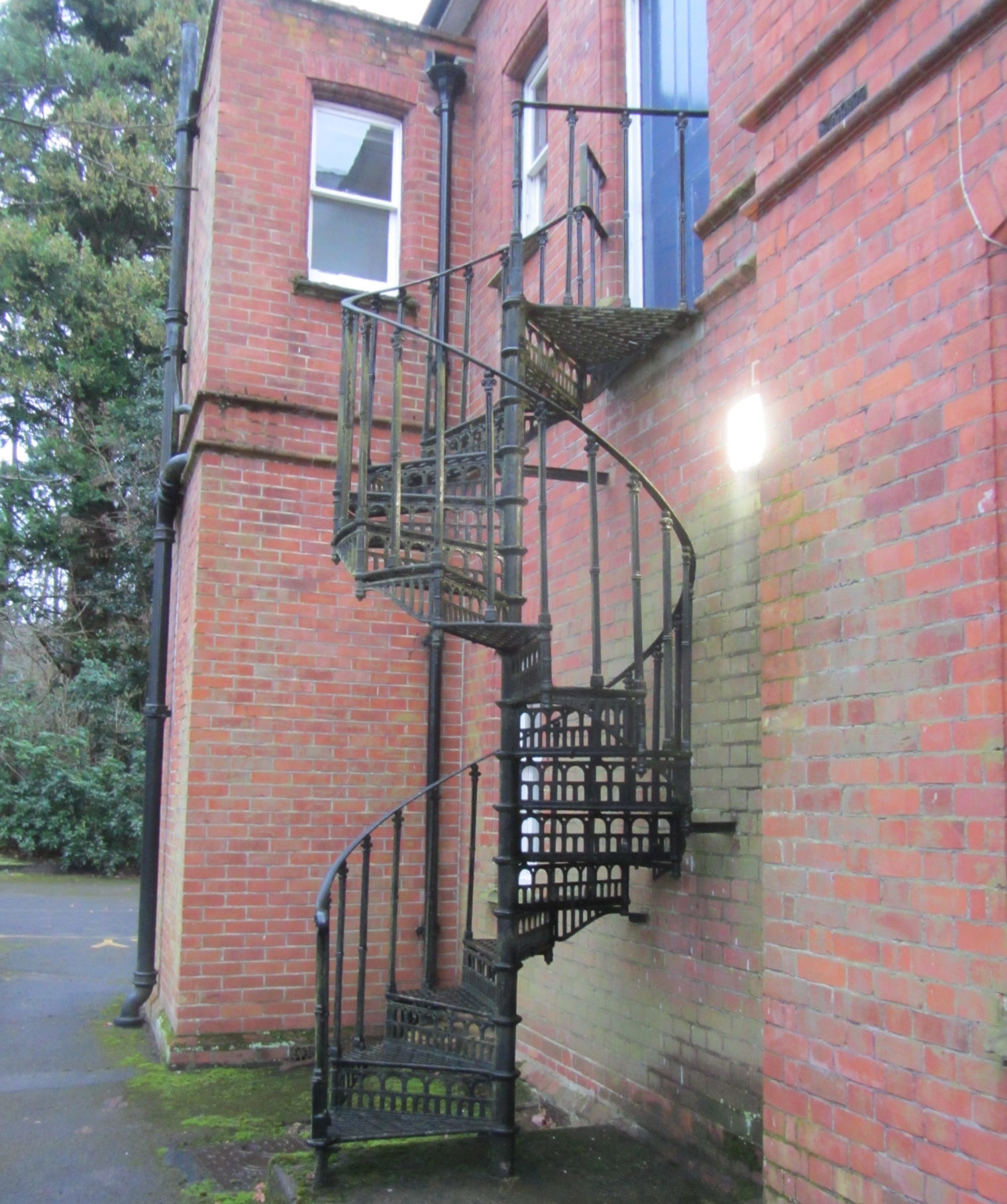
BS 8210:2020, published by the British Standards Institution, provides comprehensive guidelines for the design, construction, and maintenance of escape routes in buildings, including external fire escape staircases.

This standard emphasises the importance of regular inspections to ensure these escape routes remain safe and reliable in the event of an emergency.


Why Entrust Fire Escape Inspections to Qualified Structural Engineers?

The answer lies in their expertise and understanding of structural integrity. Structural engineers possess the knowledge and skills to assess the condition of fire escape staircases thoroughly.

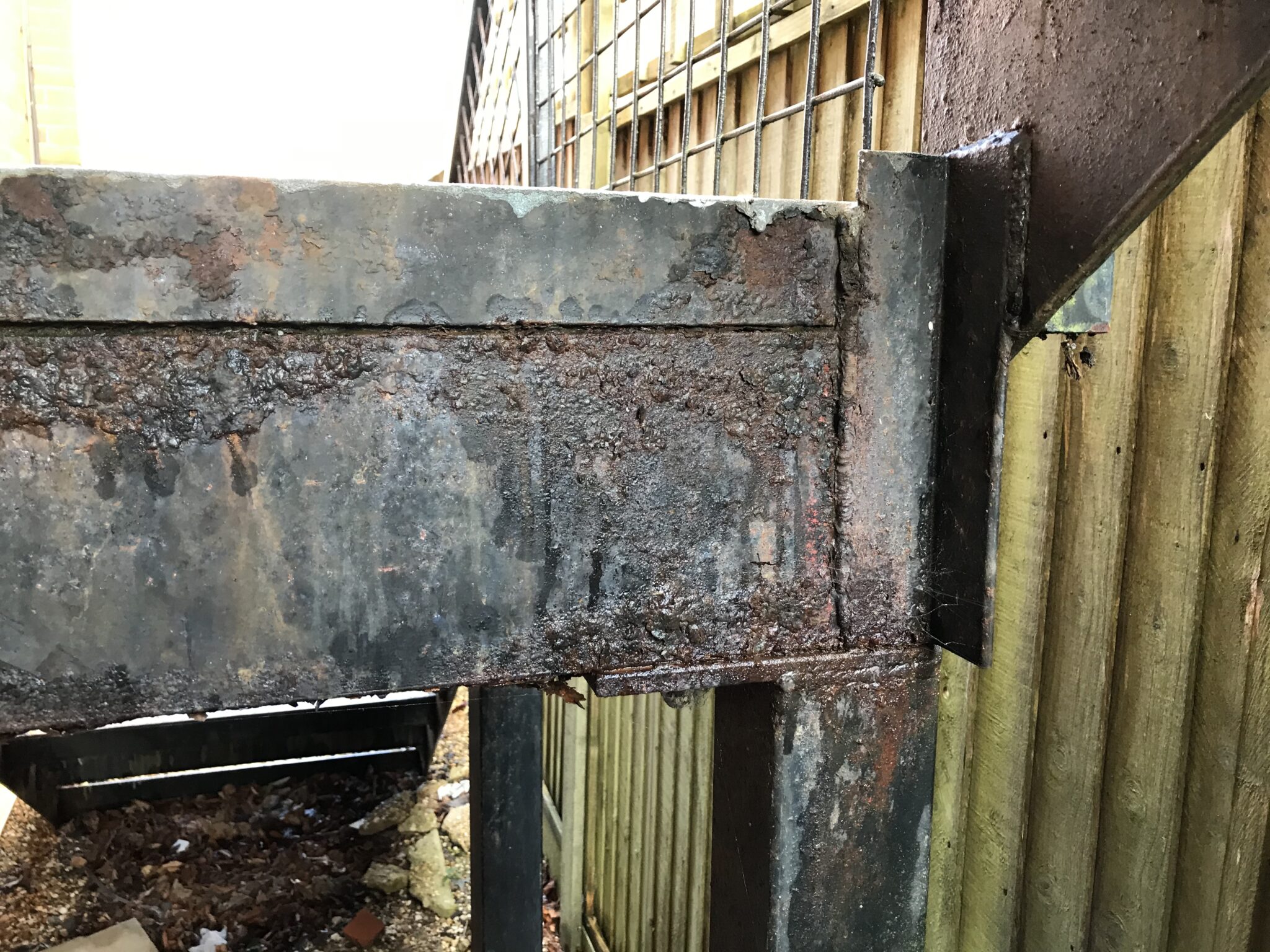
Structural Engineers can identify potential structural weaknesses, signs of deterioration, or damage that may compromise the effectiveness of the escape routes.


BS 8210:2020 specifies the qualifications and competence required for individuals performing fire escape inspections.

Qualified structural engineers are well-equipped to meet these criteria, ensuring that inspections are conducted to the highest standards of professionalism and accuracy.

Regular Fire Escape Inspections By Qualified Structural Engineers Offer Several Benefits …

fire escape inspections

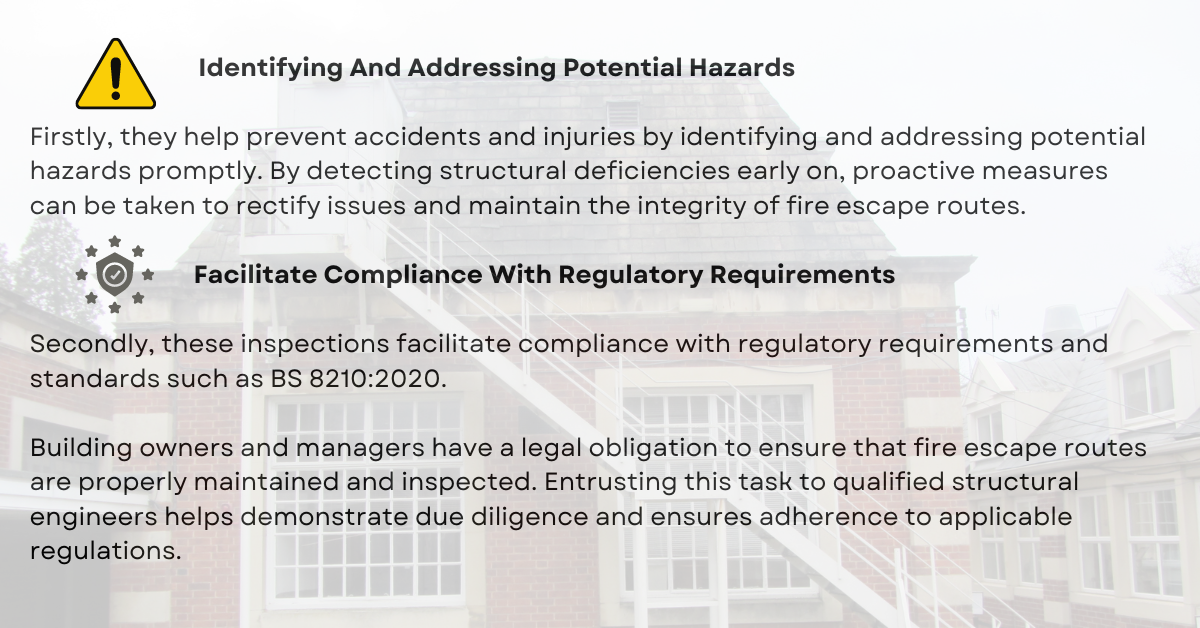
Furthermore, fire escape inspections by structural engineers instill confidence and peace of mind among building occupants and stakeholders.

Knowing that fire escape routes are regularly inspected by qualified professionals provides reassurance that appropriate measures are in place to protect lives and property during emergencies.

fire escape inspection


In conclusion, fire escape inspections by qualified structural engineers play a pivotal role in maintaining fire safety standards and ensuring compliance with regulations such as BS 8210:2020.

Investing in these inspections is an essential aspect of responsible building management, prioritising the safety and well-being of all occupants. By staying proactive and vigilant, we can mitigate risks and create safer environments for everyone.


Do you mange the health and safety of people in and about your building(s)? So that we can understand your requirements, it’s easier to talk.

Either call us on 0118 962 9666 or simply fill in your details below and we’ll get back to you at your convenience.

Please note, for one off inspections we generally work within a 50 mile radius of Reading. For multiple sites we work nationwide.

Click here to check out other Blog Post regarding external fire escape inspections.

contact Us

Becoming a chartered structural engineer marks a significant milestone in your professional journey. Following your degree and after years of dedication and hard work you have finally become Chartered – huge congratulations!

With this opportunity comes a wide range of opportunities, including the choice between working for a small or a large company. Each option offers its own set of advantages and considerations, and it’s essential for you as a newly chartered engineer to weigh these factors carefully to align with your career goals.

Small Companies

Joining a small structural engineering firm can be an incredibly rewarding experience for newly chartered engineers. They offer a close-knit working environment where you have the opportunity to make a significant impact and take on diverse responsibilities.

The Environment

In a small office, you’ll quickly get to know everyone. The atmosphere tends to be more relaxed and close knit. Working in a small company nurtures a sense of camaraderie and teamwork. Engineers often develop closer relationships with colleagues and feel a stronger sense of belonging within the organisation.


Hands-On Experience

In a smaller company you may find yourself involved in every stage of a project, from initial design to construction oversight. This hands-on experience can accelerate learning and skill development, providing a well-rounded understanding of the profession.

homeowner services

Diverse Projects

Small companies often work on a variety of projects, ranging from residential buildings to commercial structures. This diversity allows you to gain exposure to different types of challenges and expand your knowledge base.


design calcs


Direct Client Interaction

With fewer layers of hierarchy, engineers in small companies often have direct contact with clients. This fosters strong client relationships and provides opportunities to refine communication and project management skills.


Flexibility and Innovation

Small firms are typically more agile and adaptable, allowing engineers to explore innovative solutions and approaches. There’s often greater flexibility in decision-making, enabling engineers to implement creative ideas more readily.


Your Next Move?

Are you already Chartered or about to become Chartered and are seeking your next challenge? Our company is expanding, and if you’re interested in working with us, please send your CV to:- hr@mapl.co.uk