Today John Staves, our Managing Director attended the Institution of Structural Engineers “Engineers Declare” summit in London.

Climate change and its impact on the construction industry have been recognised for some time. Recently, the UK government announced a groundbreaking move to legislate a Net Zero Carbon target, ringing the alarm bells for all involved in the built environment. This shift will place substantial responsibilities on structural engineers to tackle the challenges and seize the opportunities that lie ahead.

Supporting a Positive Change

In response to this pivotal moment, IStructE (Institution of Structural Engineers) is embracing the “Structural Engineers Declaration,” an initiative led by influential structural engineers. This declaration urges companies to transform their working methods to address climate and biodiversity emergencies.


The Role of IStructE

IStructE is committed to supporting its members by sharing best practices and providing opportunities for cross-disciplinary professional development. This support will help individuals navigate the changing landscape of structural engineering.


The Urgency of Climate Action

The declaration highlights the dire consequences of climate breakdown and biodiversity loss. The construction industry contributes significantly to these issues, being responsible for nearly 40% of energy-related carbon dioxide emissions. It’s time for a paradigm shift in our industry, where we create buildings, cities, and infrastructures as integral components of a self-sustaining system in harmony with nature.

  • Commitment to Change
  • Structural engineers are committing to:
  • Raising awareness of climate and biodiversity emergencies among clients and collaborators.
  • Advocating for regenerative design practices and government funding.
  • Measuring success by climate and biodiversity mitigation principles.
  • Sharing knowledge and research openly.
  • Evaluating projects to contribute positively to climate mitigation.
  • Prioritizing extended use of existing buildings.
  • Incorporating life cycle costing and whole-life carbon modelling.
  • Embracing regenerative design principles.
  • Collaborating to reduce construction waste.
  • Shifting to low embodied carbon materials.
  • Minimizing wasteful resource use in structural engineering.

A Call to Action

IStructE hopes that every structural engineering practice in the UK will join in this commitment to tackle climate change and biodiversity loss. It’s time for the industry to embrace change, advocate for sustainability, and work toward a more regenerative future. The “Structural Engineers Declaration” is not just a starting point; it’s a collective step toward a sustainable and resilient future for all.

Introduction

RAAC Inspections – Key Actions for Buiding Owners

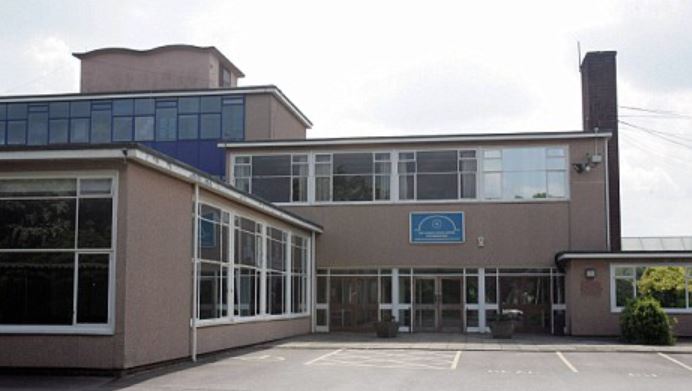
Building owners play a pivotal role in ensuring the safety and structural integrity of their properties. In buildings constructed between the 1960s and mid-1990s, concerns may arise regarding the use of Reinforced Autoclaved Aerated Concrete (RAAC).

To address these concerns and promote building safety, we have outlined key actions that building owners should follow. These steps will help identify, assess, and find solutions for any RAAC-related issues that may exist within their properties.

RAAC Concrete. Image credits: Loughborough University

Step 1: RAAC Identification

The initial step in addressing RAAC related concerns is to determine whether RAAC materials were used in the construction of your building. Here are some ways to go about it:

  • In-House Expertise: Experienced estate or maintenance managers and building owners can begin the identification process by consulting existing documentation and plans.
  • Refer to the Department of Education Guide: to understand how to identify Reinforced Autoclaved Aerated Concrete (RAAC).
  • Professional Assistance: Seek professional help if uncertainty remains. Proficient structural engineers or surveyors can identify RAAC presence.

RAAC Concrete. Image credits: IstructE

Step 2: RAAC Assessment

Once RAAC presence has been confirmed, the next step is to assess the extent of risk and the need for immediate remedial action.

  • Competent Assessors: IStructE Chartered and Associate-Members can evaluate the structural integrity and potential risks associated with RAAC.
  • List of Experienced Engineers: Find qualified structural engineers with RAAC expertise through IStructE’s list of experienced professionals.
  • Detailed Site Inspection: Conduct a thorough assessment, including a detailed site inspection.

Step 3: Solutions to RACC concerns

After a comprehensive assessment, competent structural engineers will propose necessary remedial works, if any, to address the RAAC-related concerns.

Conclusion

Ensuring the safety of buildings with RAAC is a shared responsibility. By following these key actions, you can effectively address RAAC-related issues and safeguard the structural integrity of your building. Safety should always be the top priority when managing and maintaining buildings, contributing to the long-term durability and sustainability of our built environment.

Need Help?

Contact one of our Structural Engineers today for an initial consultation and to arrange a survey. 

Contact me

Click here to read our next Blog post “RAAC Panels the Silent Threat Lurking Above” 

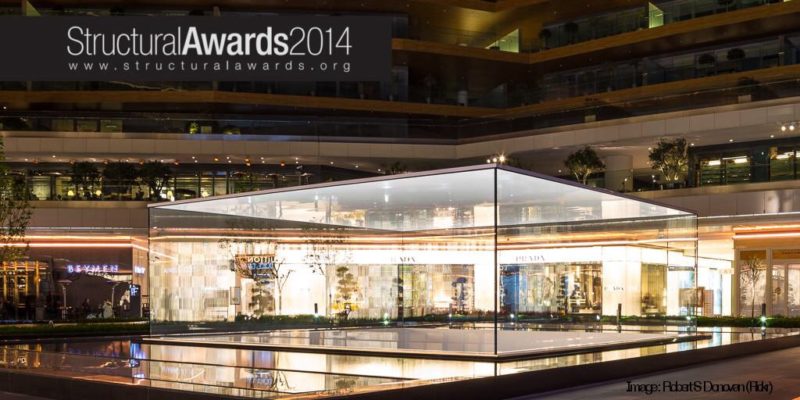
The Structural Awards 2014 is the industry’s most prestigious awards ceremony, celebrating international excellence in structural engineering.

It was an honour to attend this years event at The Brewery, London and to see world’s most talented structural designers recognised and rewarded for their indispensable contribution to the built environment.

Awards winner 2014

With over 85 projects submitted from 22 countries, The Structural Awards are a thoroughly diverse, multi-national, world-class industry competition.

The Supreme Award for Structural Engineering Excellence went to ; Glass Lantern, Apple Zorlu, Turkey

A brilliant event to be part of!