When people think about designing buildings, they often assume that the type of building—whether a house, office, or warehouse—dictates how it should be engineered.
The type of building is rarely the primary concern in the world of structural engineering
As structural engineers, we encounter this concern frequently: clients worry that if we haven’t designed a particular “type” of building before, the outcome may not meet their expectations.
But in truth, the type of building is rarely the primary concern in structural engineering.
The Unchanging Force of Gravity
One of the universal truths we work with is gravity, a constant force that acts on every structure, regardless of what it’s designed to be or where it’s located. Gravity pulls everything down at a rate of 9.8 m/s², and this relentless downward force applies vertical loads on every part of the building, from the roof down through every column, beam and loadbearing wall to the foundations.
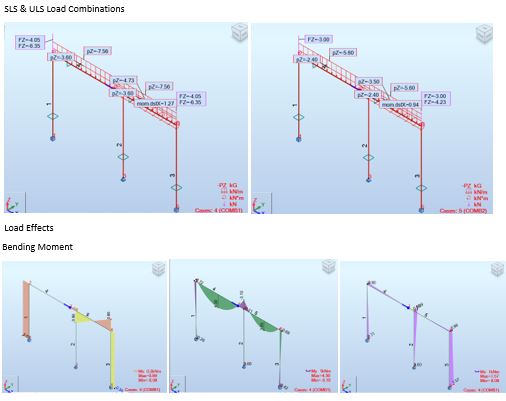
Our role as engineers is to ensure that these vertical loads are safely transferred from the structure to the ground.
This principle applies to any building, whether it’s a school, a block of flats an office or a warehouse. The type of building doesn’t change the laws of physics; gravity remains constant, and our job is to make sure every design accommodates it.
The Varying Impact of Wind Loads
While gravity is a constant force, wind forces vary widely based on factors such as location, building height, and shape.
Wind can apply strong lateral forces that buildings need to withstand to maintain structural integrity. To manage these lateral forces, we incorporate design elements like bracing, shear walls, and moment frames into every project.
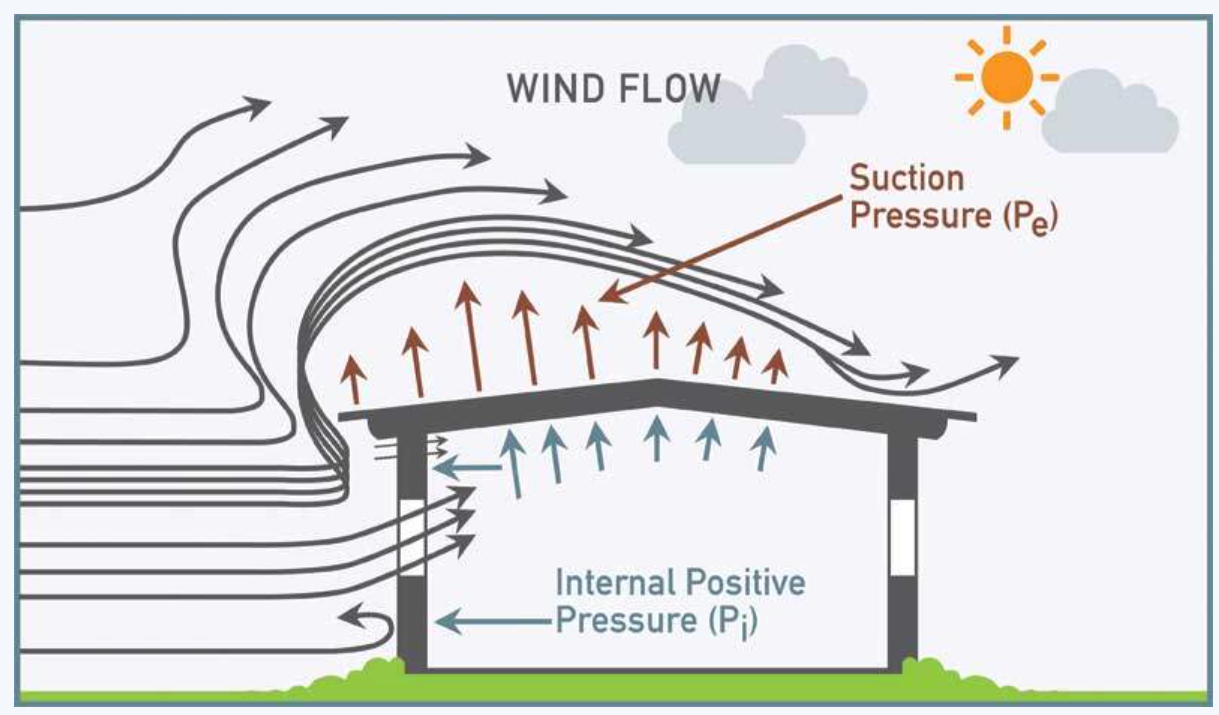
Again, the type of building doesn’t alter the basic requirements here—wind loads act on all structures, and the same engineering principles apply whether the building is a library or an office.
What Really Matters: Location, Use, and Layout
The key factors that influence a building’s structural design success are
- its location
- intended use, and
- specific layout
not the type of building it is.
Each site has unique requirements based on its environment and how the building will be used. In fact, adaptability is one of the cornerstones of good structural engineering.
Designing structures that meet the unique demands of their specific location and purpose is what ensures stability, durability, and safety for occupants.
Why a successful building project needs a team
Typically the Architect will determine the layout to make the spaces work for the desired use, circulation of people (or maybe materials depending on use) flow through the building. They are trained in this spatial planning.
Structural Engineers work with Architects to keep their schemes practical, structurally sound and safe.
And where needed other specialists such as building services engineers join to make the environment functional and comfortable.
A sound building project is a team effort, driven by the requirements of the Client.
Easing Client Concerns
Our experience designing diverse structures has shown us that the essential principles of engineering don’t change with the building type. Our knowledge of forces like gravity and wind, combined with our ability to assess site-specific needs, is what guarantees the safety and stability of any structure.
Ultimately, it’s not the type of building that determines its structural success—it’s the careful assessment of location, loads, and environmental factors. When clients understand this, they can feel confident that their project will stand the test of time, no matter its intended purpose.
“Gravity is a habit that is hard to shake off.” – Terry Pratchett