In the world of construction and building maintenance, ensuring the safety and longevity of structures is paramount.

One critical aspect of this process is the assessment of Reinforced Autoclaved Aerated Concrete (RAAC), a material commonly used in buildings constructed between the 1950s and 1980s.

As these structures age, the need for thorough RAAC surveys and inspections becomes increasingly vital.

RAAC inspection

RAAC Surveys: Understanding RAAC and Its Challenges

RAAC is known for its lightweight, insulating properties and ease of use, making it a popular choice during its time. However, over the years, it has been discovered that RAAC can deteriorate, leading to potential structural weaknesses. This is where the importance of RAAC inspections comes into play. Regular assessments help identify any signs of degradation early, allowing for timely interventions that can prevent more significant issues down the line.

It is worth noting that concrete roofs aren’t necessarily precast, and precast concrete roofs aren’t necessarily RAAC!

RAAC without defects isn’t necessarily a problem, but you do need an expert review to know where you are on this spectrum!

The Role of Experienced Structural Engineers

When it comes to conducting RAAC surveys, the expertise of an experienced structural engineer cannot be overstated.

contact us

RAAC inspection


Experienced structural engineers bring a wealth of knowledge and practical insight, crucial for accurately assessing the condition of RAAC structures.

Their ability to identify subtle signs of wear and potential failure points is invaluable in ensuring the safety and integrity of a building.


Why Choose an Experienced Structural Engineer for Your RAAC Survey?

Precision in Assessment

An experienced structural engineer can conduct a comprehensive RAAC inspection, employing advanced techniques and tools to pinpoint areas of concern. This precision is critical in formulating effective maintenance and reinforcement strategies.

Tailored Solutions

Every building is unique, and so are its challenges. Expert structural engineers can provide customised solutions that address specific issues, ensuring that the recommended interventions are both effective and efficient.

Long-term Safety and Savings

By opting for a detailed RAAC survey conducted by a professional, building owners can avoid costly repairs and potential safety hazards. Early detection and intervention are key to preserving the structural integrity of a building and extending its lifespan.

Conclusion

In building maintenance and safety, RAAC inspections play a crucial role.

Choosing an experienced structural engineer for your RAAC survey ensures a thorough, accurate assessment and gives you peace of mind that your building is in expert hands.

With their expertise, you can confidently address the complexities of RAAC assessments, protecting both your investment and the people who depend on the structure every day

Next Steps

If you’re a building owner concerned about the condition of your RAAC structures, or still need to check if you have RAAC, don’t hesitate to reach out to our team of experts.

We’re here to help you ensure the safety and longevity of your property.

contact us

RAAC Solutions?

Read about Carbon Fibre Reinforced Polymer (CFRP) here

For more information about RAAC from the Institution of Stuctural Engineers click here


BS 8210:2020 Facilities Maintenance Management

Fire safety is a paramount concern for any building, and having a robust fire escape plan in place is crucial for the protection of occupants and assets.

While many aspects of fire safety are well-known and widely practiced, the importance of regular fire escape inspections conducted by qualified structural engineers, in accordance with standards such as BS 8210:2020, cannot be overstated. In this blog post, we’ll delve into why these inspections are vital for ensuring compliance and safeguarding lives.

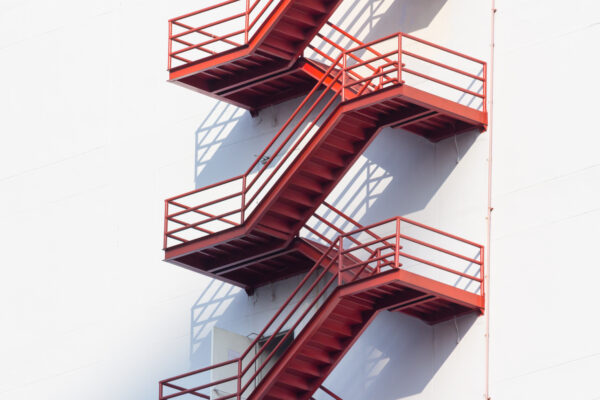
external fire escape inspection


BS 8210:2020

Facilities maintenance management: Code of Practice


BS 8210:2020, published by the British Standards Institution, provides comprehensive guidelines for the design, construction, and maintenance of escape routes in buildings, including external fire escape staircases.

This standard emphasises the importance of regular inspections to ensure these escape routes remain safe and reliable in the event of an emergency.


Why Entrust Fire Escape Inspections to Qualified Structural Engineers?

The answer lies in their expertise and understanding of structural integrity. Structural engineers possess the knowledge and skills to assess the condition of fire escape staircases thoroughly.

Structural Engineers can identify potential structural weaknesses, signs of deterioration, or damage that may compromise the effectiveness of the escape routes.


BS 8210:2020 specifies the qualifications and competence required for individuals performing fire escape inspections.

Qualified structural engineers are well-equipped to meet these criteria, ensuring that inspections are conducted to the highest standards of professionalism and accuracy.

Regular Fire Escape Inspections By Qualified Structural Engineers Offer Several Benefits …

fire escape inspections

Furthermore, fire escape inspections by structural engineers instill confidence and peace of mind among building occupants and stakeholders.

Knowing that fire escape routes are regularly inspected by qualified professionals provides reassurance that appropriate measures are in place to protect lives and property during emergencies.

fire escape inspection


In conclusion, fire escape inspections by qualified structural engineers play a pivotal role in maintaining fire safety standards and ensuring compliance with regulations such as BS 8210:2020.

Investing in these inspections is an essential aspect of responsible building management, prioritising the safety and well-being of all occupants. By staying proactive and vigilant, we can mitigate risks and create safer environments for everyone.


Do you mange the health and safety of people in and about your building(s)? So that we can understand your requirements, it’s easier to talk.

Either call us on 0118 962 9666 or simply fill in your details below and we’ll get back to you at your convenience.

Please note, for one off inspections we generally work within a 50 mile radius of Reading. For multiple sites we work nationwide.

Click here to check out other Blog Post regarding external fire escape inspections.

contact Us

RAAC Panels – The Silent Threat Lurking Above

In the world of construction, some dangers are concealed, lurking high above our heads.

Reinforced Autoclaved Aerated Concrete (RAAC) panels, once hailed for their thermal efficiency and fire resistance, have now become a cause for concern.

Today, I’m sitting down with our Managing Director, John Staves, to shed light on the risks associated with RAAC panels and discuss potential solutions for those who find themselves in the shadow of this hidden peril.

RAAC inspection

A Relic from the Past

RAAC panels emerged as a construction method of choice during the 1960’s and 1970’s primarily used in public buildings like schools, hospitals, and corporate structures. These panels found their niche as roofing materials due to their lightweight nature and excellent fire-resistant properties.

The Singlewell Primary Wake-Up Call

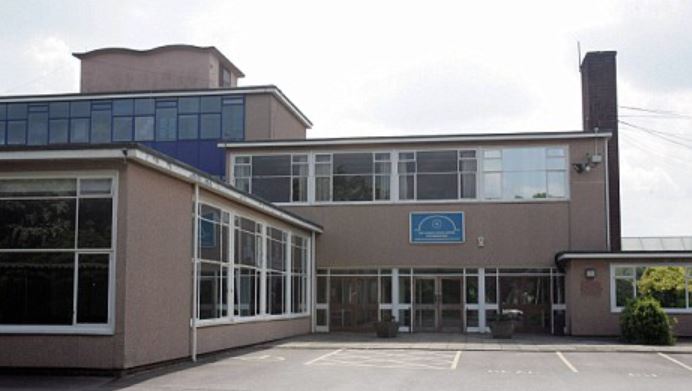
The alarm bells began to ring when part of the ceiling at Singlewell Primary School in Kent collapsed on a weekend in 2018. Thankfully, no one was harmed, but this incident underscored the urgent need for action in dealing with the potential dangers of RAAC.


Unseen and Unaware

Many schools and building owners remain blissfully unaware that RAAC panels make up their roofs. The general assumption that concrete roofs are structurally sound has left these hidden time bombs unchecked.

The crisis we face today is partly due to the prolonged use of RAAC panels and inadequate maintenance over the years.

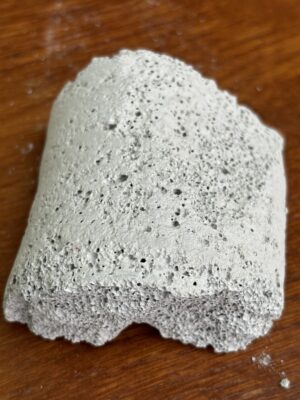
RAAC Concrete panels. Image credits: New Civil Engineer


The Silent Threat

RAAC panels are not like typical concrete structures that give warning signs of impending failure through stress cracks. Instead, they are highly porous, prone to deflections, cracks, and structural weaknesses. Failure in RAAC panels can be attributed to various factors, including manufacturing defects, suboptimal original designs, and moisture ingress.

The Role of Moisture Ingress

Moisture ingress is a particularly insidious problem with RAAC panels, especially when they serve as roofing material. Over time, weatherproof membranes, such as asphalt, deteriorate, allowing moisture to infiltrate the panels. This moisture corrodes the reinforcement within, weakening the bond with the concrete and eventually leading to failures in the panels.

Identifying RAAC Panels

To determine if a building contains RAAC panels, a visual inspection is the first step. Competent structural engineers look for telltale signs such as panel width, span, and edge details. If suspicions persist, core sampling can be employed to confirm the presence of RAAC.

The Next Steps

If RAAC is confirmed, immediate actions are crucial. Affected areas should be cordoned off, and temporary propping may be necessary to prevent collapse. Depending on the severity, options include the removal and replacement of panels or the addition of a new structural layer beneath them.

The priority is to ensure the safety of the occupants below.


Ceiling support at Queen Elizabeth Hospital in King’s Lynn, Norfolk


Strengthening Bearing Support

Another consideration is reinforcing the bearing points to alleviate stress on the RAAC panels. This can involve extending support to where the reinforcement lies within the panels.

Seeking Guidance

For those grappling with RAAC-related concerns, the Department of Education has issued a guidance document in 2022, updated in August 2023, titled “Reinforced Autoclaved Aerated Concrete (RAAC): Identification guidance.” This resource provides valuable information for identifying and addressing RAAC-related issues.

Conclusion

In conclusion, RAAC panels are a hidden danger that can fail without warning. Awareness and proactive inspections are essential to ensure the safety of occupants in buildings constructed with RAAC panels. By following guidelines and seeking expert advice, we can mitigate the risks associated with this silent threat that looms above our heads. Your safety and the structural integrity of your building depend on it.

Do you suspect RAAC in your building? Contact us for expert advice

Contact Me

Introduction

RAAC Inspections – Key Actions for Buiding Owners

Building owners play a pivotal role in ensuring the safety and structural integrity of their properties. In buildings constructed between the 1960s and mid-1990s, concerns may arise regarding the use of Reinforced Autoclaved Aerated Concrete (RAAC).

To address these concerns and promote building safety, we have outlined key actions that building owners should follow. These steps will help identify, assess, and find solutions for any RAAC-related issues that may exist within their properties.

RAAC Concrete. Image credits: Loughborough University

Step 1: RAAC Identification

The initial step in addressing RAAC related concerns is to determine whether RAAC materials were used in the construction of your building. Here are some ways to go about it:

  • In-House Expertise: Experienced estate or maintenance managers and building owners can begin the identification process by consulting existing documentation and plans.
  • Refer to the Department of Education Guide: to understand how to identify Reinforced Autoclaved Aerated Concrete (RAAC).
  • Professional Assistance: Seek professional help if uncertainty remains. Proficient structural engineers or surveyors can identify RAAC presence.

RAAC Concrete. Image credits: IstructE

Step 2: RAAC Assessment

Once RAAC presence has been confirmed, the next step is to assess the extent of risk and the need for immediate remedial action.

  • Competent Assessors: IStructE Chartered and Associate-Members can evaluate the structural integrity and potential risks associated with RAAC.
  • List of Experienced Engineers: Find qualified structural engineers with RAAC expertise through IStructE’s list of experienced professionals.
  • Detailed Site Inspection: Conduct a thorough assessment, including a detailed site inspection.

Step 3: Solutions to RACC concerns

After a comprehensive assessment, competent structural engineers will propose necessary remedial works, if any, to address the RAAC-related concerns.

Conclusion

Ensuring the safety of buildings with RAAC is a shared responsibility. By following these key actions, you can effectively address RAAC-related issues and safeguard the structural integrity of your building. Safety should always be the top priority when managing and maintaining buildings, contributing to the long-term durability and sustainability of our built environment.

Need Help?

Contact one of our Structural Engineers today for an initial consultation and to arrange a survey. 

Contact me

Click here to read our next Blog post “RAAC Panels the Silent Threat Lurking Above”Â