Today I’m talking to Oliver Goodyear.. Ollie has been part of the team here at Michael Aubrey Partnership since 2011, starting with us as a Graduate Engineer.
In January Ollie sat his Chartered Exams and we are thrilled that he passed first time!
Ollie, Why Did You Study Engineering?
“I’ve always had an interest in buildings and infrastructure and how things work. I kind of fell into engineering. At school and college my better subjects were sciences and maths.
During my A levels I realised there was an engineering degree in applied science and maths and it felt more practical, more fun than doing further maths.
At the time and also now, I realised that there was a shortage of engineers so I thought there would be good jobs prospects at the end of it”.
What Do You Like About Being A Chartered Structural Engineer ?
“I like that every week is different. It’s not a monotonous job.
It keeps things interesting and variable, your weeks do change.
It can be a rewarding job, I feel you are actually achieving good stuff and adding value to the world.
It’s challenging, puzzle solving which engineers enjoy.”
It can give you a headache but when you actually solve a problem you get a high degree of satisfaction.
It’s quite a social career, always interacting with Architects, builders, members of the design team and homeowners.”
Any Downsides To Engineering?
“A tricky question … I guess it can really give you a headache when you can’t get things to work, it can be quite soul destroying. A lot of the time you are thinking about it too much and just need to have a break from it.
In terms of structural engineering I think people don’t really understand what the role of a structural engineer is.
Pioneering Architects were pretty much engineers .. designing buildings and understanding the mechanics behind it.
I feel Structural Engineers are the unsung heroes in construction.
I think the engineer’s role is becoming more important. Buildings are becoming more wacky, more complicated”.
What Skills And Qualities Do You Think Are Important For A Chartered Structural Engineer ?
“I think you always have to be asking the question “why?”
That’s the difference between an engineer and a technician – you are challenging why things are done a certain way, not necessarily just going with what has always been done.
You have to be very thorough in what you do.
Constantly looking at options, analyse the constraints. You need to be an excellent communicator. This is a skill that comes with time I think. Understanding the project dynamics and the economics of the project.
Learnt not to go too far too early. when there are too many unknowns. As soon as there is an unknown, stop work and highlight the question, otherwise you go too far and end up with abortive works.
Try to get items agreed and back it up with a paper trail.
You come out of University design based, but the actual business side is something that you have to learn.
I always did well at the maths and science side of things and I’ve got quite a good memory, but I’ve released that’s quite a useless skill for an engineer.
The trick is not knowing the answer, but knowing where to find the answer – it’s fundamental really – I don’t need to memorise the Eurocodes!”
What Was The Exam Preparation Like? Any Tips?

“Pretty tough to be honest.
The toughest couple of months in my professional and academic life so far.
It’s so intense the amount of work that you have to produce in such a short time.
7 hour exam .. but it’s not long enough!
The length of the exam was the challenge because you are not prepared for the mental and physical challenge of it.
Preparation – I did a four part evening course with Institution of structural Engineers, Thames Valley group. Run by Rosie – she had passed the exam a few years previously. That was brilliant.”
She broke the exam into five parts and talked through each part in detail with tips and techniques and then as homework we would carry out a question and then the following week the first thing we would do was talk through what each of us did and what went wrong!
It gave me a lot of confidence knowing that people were in the same boat and at the same level.
It was valuable to go through past exam papers with other candidates and talk through exam techniques.
Every week they brought in an experienced engineer and talk about specific parts of the exam.
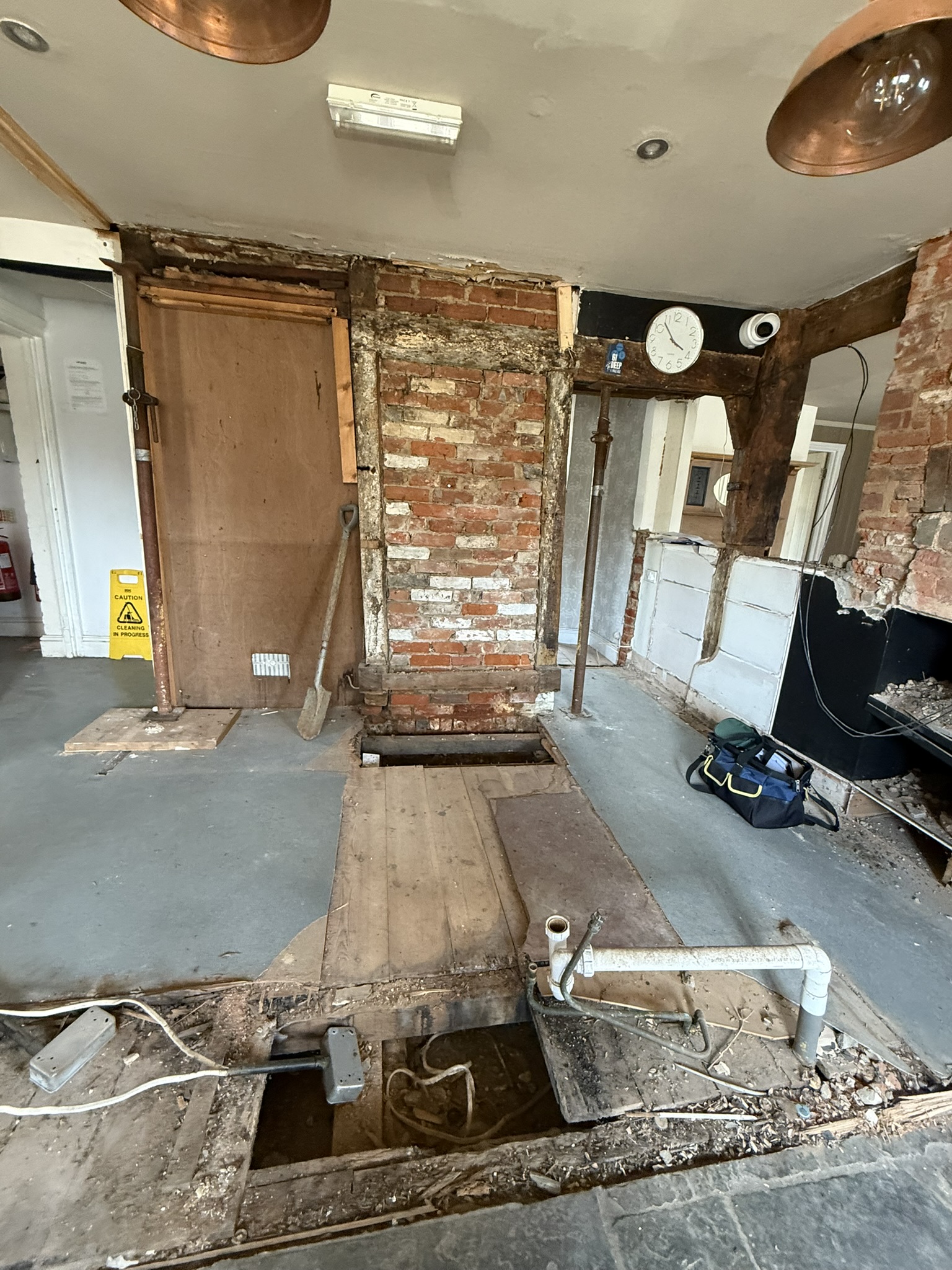
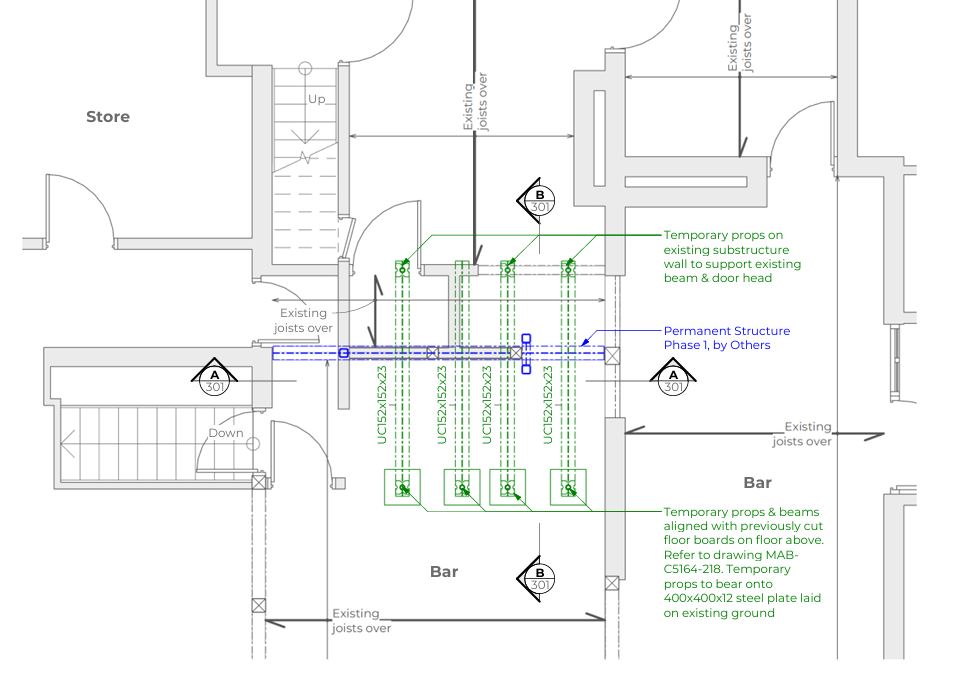
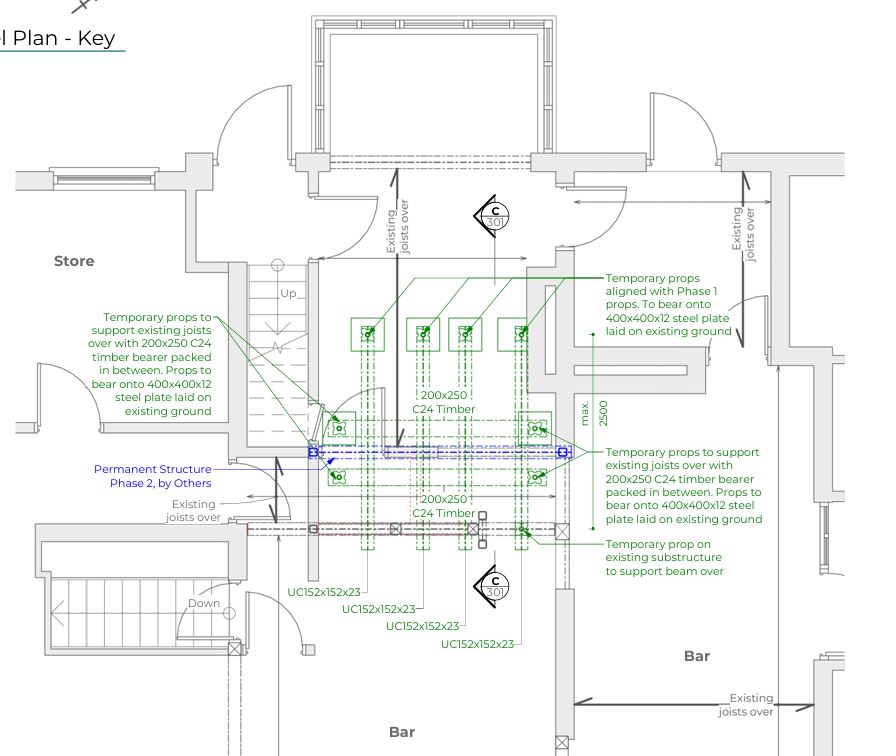
One week they brought in a temporary works engineer, who was actually one of the examiners, he came to talk to us about the method statements and programme section.
It’s the last part of the exam and is worth 10 marks, which is 20% of the exam .. by that point people have run out of time and get maybe 1 or 2 marks out of 10 and often fail just because they missed this section. In fact it’s probably the easiest part of the exam.
[click here for details of exam preparation courses run by the Institution of Structural Engineers]
My main tips would be to;
- Encourage anyone going for the exam to go on one of the IStructE courses. Either evening one, like I did, or an intensive 1 or 2 day course. You’ve got to practice exam technique.
- Spend some time putting together your resources for the exam. I started off with two large folders .. like War and Peace .. then soon realised it was going to be too much and I wouldn’t have time to look through it properly in the exam.
- Get all your rules of thumb to hand in a small concise folder that you know inside out so you don’t waste any time.
- You’ve just got to put in the hours. Lots of past papers, lot of exam preparation.
- I took a week off work in November and from Boxing day to New Year’s Day I just worked solidly on it.
A lot of people told me I’ve got to do a past paper – under exam conditions. I did and failed it massively.
But it did give me a lot of confidence .. most people fail first time so it got that fail out of the way.
I could do it in 7 hours, it’s not too bad, it went quite quick, that made me feel a lot better about it.
Pass rate this year was 28%.
I’m still buzzing from finding out that I’ve passed the exam now.”
What Does Becoming Chartered Structural Engineer Mean To You?
“It means a lot.
You’ve got the exam and you’ve got the review. It’s been a few years leading up to it. Firstly it’s a massive relief.
From a professional point of view it’s given me a lot of confidence and a feel good factor of passing is just brilliant.
I feel I can call myself an engineer now. I have met the industry standard and it is such a high standard to meet.
The route from school, College, University and onto professional qualification, that’s it I’ve reached the level, it’s complete.”
Do You Have A Favourite Building Structure?
“As a modern engineer you have so many resources available to you to do your job.
The advance of computational analysis and finite element and techniques like that have really changed engineering. I don’t think it’s any coincidence that the form and shape of skylines around the world has started to change over the last 20 years.
It really makes me appreciate the work of Engineers and Architects before computer times.
I really like historic buildings.”
Pantheon, Rome
“I went to Rome a few years ago and what they managed to achieve was amazing. My favourite building is the Pantheon.
It’s a large concrete cofferdome.
I think today it’s still the largest unreinforced spanning structure in the world and it was built 2,000 years ago!
A span that large .. the temporary works .. the construction techniques used would have been impressive.
That’s my favourite building.”
Getting the Right Experience
“I was pleased that I was able to get the right experience to pass the Chartered exams at one company.
A lot of people said that I had to move company to get the right experience, but I’m very pleased that wasn’t the case and I’m grateful to John Staves at Michael Aubrey Partnership for supporting me from a Graduate engineer right through to Chartered Engineer.”