Too often, structural input is treated like an afterthought, something to “slot in” once the architectural concept is done.

Involving Structural Engineers Early

But by the time we’re brought in, key decisions are already locked in: floor spans are too ambitious, the column grid doesn’t work, and the budget is under pressure before the first beam is drawn.

We see it all the time.
Early Collaboration = Smarter Buildings

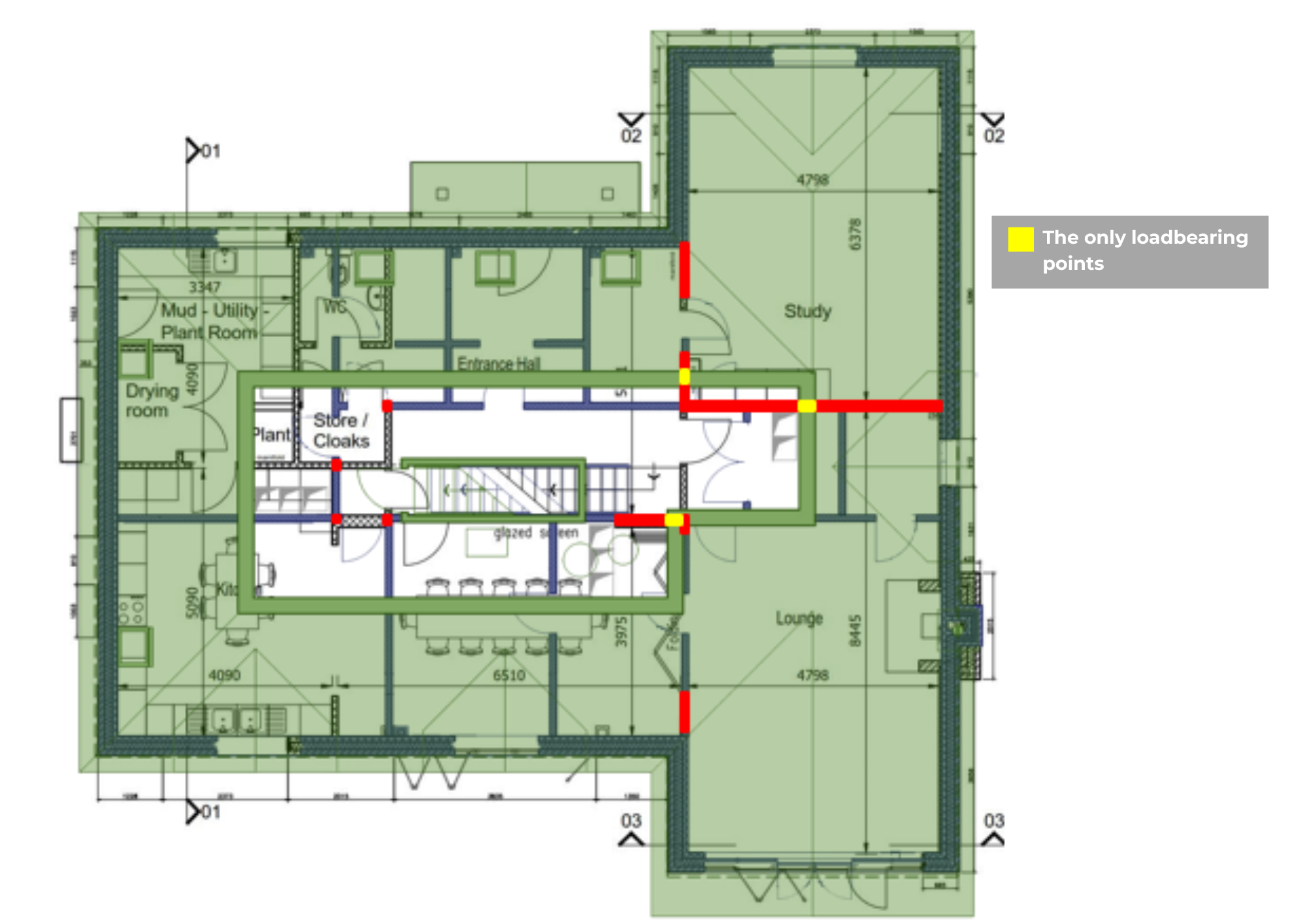
The truth is, early collaboration with structural engineers doesn’t just make buildings safe, it makes them smarter and often saves the client money.

We can suggest cleaner, more efficient layouts that reduce steel weight, simplify construction, and avoid costly transfer structures. We can also flag design risks that might look fine on paper but become real headaches on site.

When engineers and architects work together from day one, projects run more smoothly.

Buildable Solutions

We can explore options together, test ideas before they’re fixed, and make sure the structure supports, not limits the design vision. And that doesn’t mean compromising creativity. It means unlocking more elegant, buildable solutions from the start.

Preventing Problems Further Down The Line

The best projects we’re involved in always start with a conversation, not a drawing. When architects loop us in early, we’re not just fixing problems, we’re helping prevent them.

If you’re an architect who values fewer surprises, better coordination, and leaner, more buildable designs, chances are, we’re already thinking the same way.


How do you work with structural engineers? Lets start a conversation – call us today! 0118 962 9666.

RIBA Stage 4: Technical Design – What’s the Rush?

As structural engineers, we understand the eagerness to proceed directly to the technical design phase. However, it’s vital to prioritise completing phases 1-3 of the RIBA plan of work for several key reasons.

Integrated Design

Skipping the concept phases may result in disjointed designs.


integrated design

By going through these phases, architects and engineers can collaborate to seamlessly integrate structural considerations into the architectural vision. This ensures that structural elements not only support the building but also enhance its aesthetics and functionality.


Alignment with

Structural Requirements

Early collaboration during stages 1-3 allows us to seamlessly integrate structural considerations into the architectural concept. 


alignment

This integrated approach ensures that the structural framework supports the architectural vision effectively, leading to a more robust and cohesive design solution.


Risk Mitigation

Rushing into technical design without a thorough understanding of the project’s context and constraints can increase the risk of errors and omissions.


increased risk

Completing phases 1-3 allows for early identification and mitigation of potential risks, such as site conditions, regulatory requirements, and budget constraints, reducing the likelihood of costly revisions or delays during technical design.


Client Collaboration and Approval

Engaging clients throughout stages 1-3 ensures that their expectations and preferences are incorporated into the structural design process. 


client approval

Regular feedback and approval during these stages foster client satisfaction and confidence in the final technical design.


Innovation and Sustainability Integration

Early engagement in the concept phases provides an opportunity to explore innovative and sustainable design solutions.


environmentally friendly buildings

Architects and engineers can collaborate to incorporate sustainable practices and technologies from the outset, resulting in more efficient and environmentally friendly buildings.


Efficient Resource Management

Completing stages 1-3 before moving to technical design optimises the utilisation of resources, including time and manpower. 


greater efficiency

A thorough understanding of project objectives and constraints minimises the need for rework or adjustments during later stages, leading to greater efficiency and cost-effectiveness.


Summary

While it may be tempting to jump straight into technical design, completing phases 1-3 of the RIBA plan of work is essential for;

  • aligning project objectives
  • integrating design elements effectively
  • managing risks
  • engaging clients, and
  • promoting sustainability and innovation

Taking the time to establish a solid foundation in the concept phases ultimately leads to smoother project delivery and better outcomes for all stakeholders involved.

This approach lays the groundwork for a successful technical design phase and ultimately contributes to the overall success of the project.


Don’t let structural challenges stall your project. Talk to us to help you ensure your project stays on track. Get in touch today!

Get in touch today