
5 Reasons to Work for a Small Structural Engineering Consultancy

When considering your next career move as a structural engineer, bigger isn’t necessarily better. Small consultancies can offer opportunities that are difficult to replicate in larger organisations – particularly for engineers who want responsibility, variety and the chance to develop beyond pure design work.

Here are five reasons why.

1. Learn directly from experienced engineers

In a smaller consultancy, there are fewer layers between you and the most experienced people in the business.

At Michael Aubrey Barrow, that means the opportunity to work directly alongside highly experienced engineers, including a former Vice President of the Institution of Structural Engineers, within an innovation award-winning practice.

It’s not just about learning calculations or codes. Working closely with experienced engineers on complex existing buildings, investigations and expert witness work develops something harder to teach: engineering judgement.

2. Develop through a genuine breadth of work

It can be easy to become specialised very early in a large organisation. Smaller consultancies often provide much greater variety.

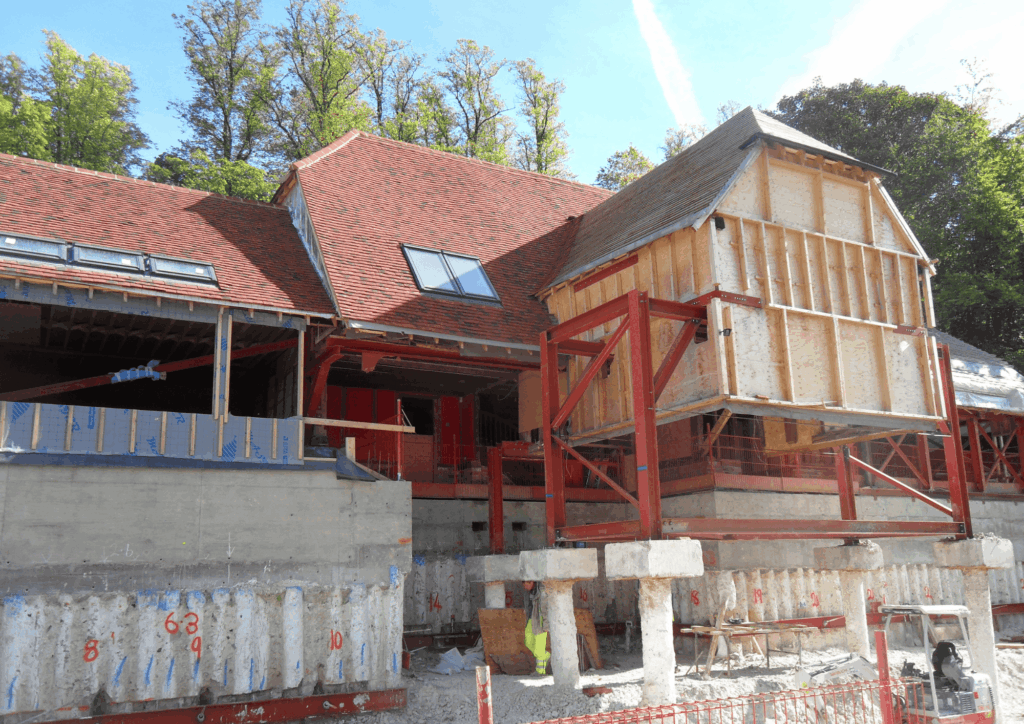
Our engineers can find themselves working on commercial refurbishments, office-to-residential conversions, defect investigations, RAAC, expert witness projects, existing buildings and architecture-led structural design.

That breadth of experience keeps the job interesting – but, more importantly, can accelerate your development into a well-rounded engineer.
Small Structural Engineering Consultancy

3. Take real responsibility earlier

Small teams rely on everyone making a meaningful contribution.

That can mean leading client meetings, managing your own projects, visiting sites and making engineering decisions much earlier than might be possible within a large corporate structure.

There are fewer places to hide – but also far more opportunities to shine.

4. Learn the business, not just the engineering

A successful consultancy needs more than good calculations.

Working in a smaller practice gives you exposure to clients, architects, surveyors and contractors, as well as fees, proposals, networking and winning new work.

You might attend a networking event, help develop a client relationship or contribute to a new business opportunity. For engineers who ultimately want to lead projects, teams or businesses, that commercial experience is invaluable.

5. Be visible – and help shape the future

In a small company, your contribution gets noticed. Good ideas don’t have to travel through layers of management before something happens.

You can influence how projects are delivered, how the practice develops and, as your career progresses, take on increasing responsibility and leadership.

For an ambitious engineer, that visibility can create opportunities that go well beyond the conventional career ladder.

chartered structural engineer

And, as it happens, we’re currently recruiting!

Michael Aubrey Structural Engineers is looking for a structural engineer who is approaching or has recently achieved Chartership.

If you’re looking for more than simply your next engineering job if you want;

  • greater responsibility
  • direct access to experienced engineers
  • genuinely varied projects and
  • the opportunity to play a visible part in the future of a practice

– we’d like to hear from you. Simply email us at hr@mapl.co.uk

A smaller consultancy can offer a bigger opportunity. Could Michael Aubrey Structural Engineers be your next move?
I Do More Than Design Beams!

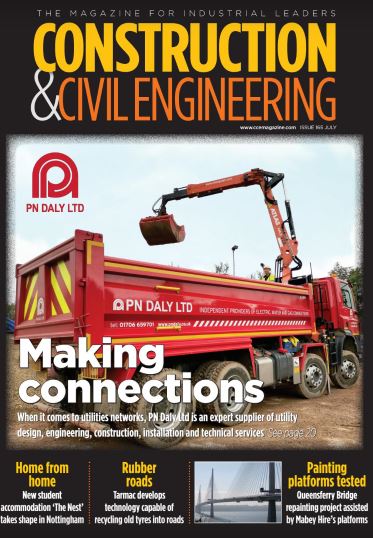
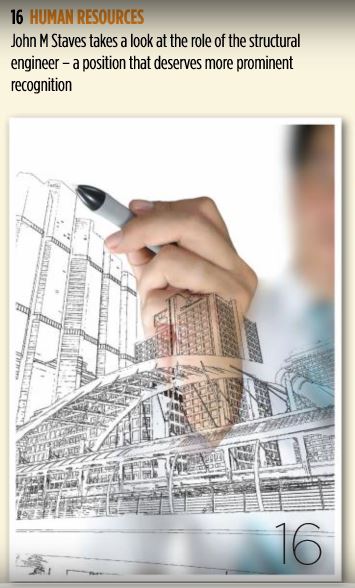
In July’s edition of Construction and Civil Engineering Magazine, catch up with our very own Managing Director, John Staves talking about what is a Structural Engineer and why are they so undervalued?


Structural Engineers help create record-breaking structures, beautiful structures, useful structures and sometimes just cool structures – anything from bridges, rollercoasters and skyscrapers to hospitals, schools, homes and public artworks.

Design Buildings

Structural Engineers design buildings, bridges and other structures to resist the forces applied to them.  These forces could be due to gravity, such as the weight of people and equipment within a building, the dynamic effects of people using a building or from natural events such as earthquakes.

Structural Engineers make sure the building works well in practice, depending on what it is used for: for example, a dance floor shouldn’t vibrate too much when people jump up and down on it.

Problem Solvers

Structural engineers are problem solvers.  Structural engineers use many skills.  From basic maths to cutting-edge technology. Every structure is different, so Structural Engineers are creative.  Finding solutions to unique problems all the time.

Practical

Structural Engineers are practical.  They don’t just think about the final permanent structure.  They think about how it will be built.

Safety Experts

Structural Engineers are safety experts.  Structural engineers are of critical importance in managing the risk to society throughout the lifecycle of the structure.  They consider the safety of structures from design and construction through to operation and demolition, in accordance with local legislation and best practice.  Structural engineers are key to ensuring that the built environment is robust and that lessons are learned when things go wrong.

Work Sustainably

Structural Engineers work sustainably.  They look to minimise materials used.  They innovate to make use of different modern materials.  Reducing demands on natural resources and recycling where possible.

Work as Part of a Team

But with all their skills, Structural Engineers don’t work alone.  They work as part of a team alongside Architects, builders and other engineers.  Construction is a collaborative game.  Sometimes the Structural Engineer will lead the team.  Calling for both project management and general management skills.


Proud to be a Chartered Structural Engineer

I am proud to be a Chartered Structural Engineer.  I am proud of the contribution I make to construction and more generally to society. 

But I sometimes get frustrated with the general misunderstandings around what I do and the benefits that what I do delivers.  Across the public as a whole, and within the political classes. 

Probably the worst is other allied professions misunderstanding what I do!


I Do More Than Design Beams! 

As I’ve outlined above, my skill set is broad and my contribution to projects is certainly more impactful than just safely transmitting vertical loads to the ground.

As a Chartered Structural Engineer, my education and training took longer than a medical doctor takes to qualify.  Like a Doctor, I have had to gain substantial experience and submit to both a gruelling examination and peer review to prove my competence. 

Just like a Doctor, I also have a professional obligation to keep up to date and improve my ability with Continuing Professional Development (CPD)

Lives Depend on my Decisions as a Structural Engineer

Multiple lives depend on a single decision I make as a Structural Engineer – if an occupied building collapses because of an error I make, many could be injured.  A Doctor deals with decisions that typically affect one person at a time.

The value a Doctor adds is clear and he is rightly recognised for that.  This is because most people have had some form of interaction with a Doctor.  Knowingly.  Either directly or via a close relative.

The Value a Structural Engineer Adds Is Subtler.

You are likely sat in a building, reading this.  A Structural Engineer has probably made sure that the building is safe and resists the forces applied to it. 

The Structural Engineer provides robust and durable shelters that people need to protect them from their environment. 

Did you cross a bridge on your journey to work or home? 

A Structural Engineer was undoubtedly involved in its design and currently helps with its maintenance, making sure you arrive safely.  You may not have engaged the Structural Engineer directly in either case, but you benefit from his/her work.

Structural Engineers Don’t Shout About What Value They Add

It is not a common trait of a Structural Engineer to shout about what he/she achieves and what value he/she adds, but it can be considerable. 

A little extra investment on the Structural Design of a building (spend on structural design is an investment because it will save absolute project cost) can pay back multiple times over during construction. 

Save on Build Costs by Early Input From The Structural Engineer 

Works can be kept simple and efficient, by early input from the Structural Engineer.  If investing £1k on Engineering fees could save £2k of build costs, how often would you want to invest £1k?  With the extra time that buys to refine and improve the design, and impact the buildability, this is easily possible and doubles your money!

And finally, the next time you visit your Doctor, just think, the surgery or hospital wouldn’t be there without the work of a competent Structural Engineer.

John M Staves CEng FIStructE is Fellow and Vice President of the Institution of Structural Engineers and Managing Director of Michael Aubrey Partnership

This article appeared in In July’s edition of Construction and Civil Engineering