It’s not every day that a smaller job showcases the incredible value of having an experienced structural engineer on your side.

Last week, we proved exactly that when we visited a property with a seemingly serious roof problem. What could have been a costly repair turned into a simple fix—saving our client over £12,000!

Here’s how we did it.

The Problem: A Sagging Roof

Our client had recently purchased a property and, as part of the conveyancing process, obtained a homebuyer’s report. The report flagged a structural issue with the roof—evidence of sagging—and recommended further investigation. Concerned about the potential costs and safety, they called us in to assess the situation.
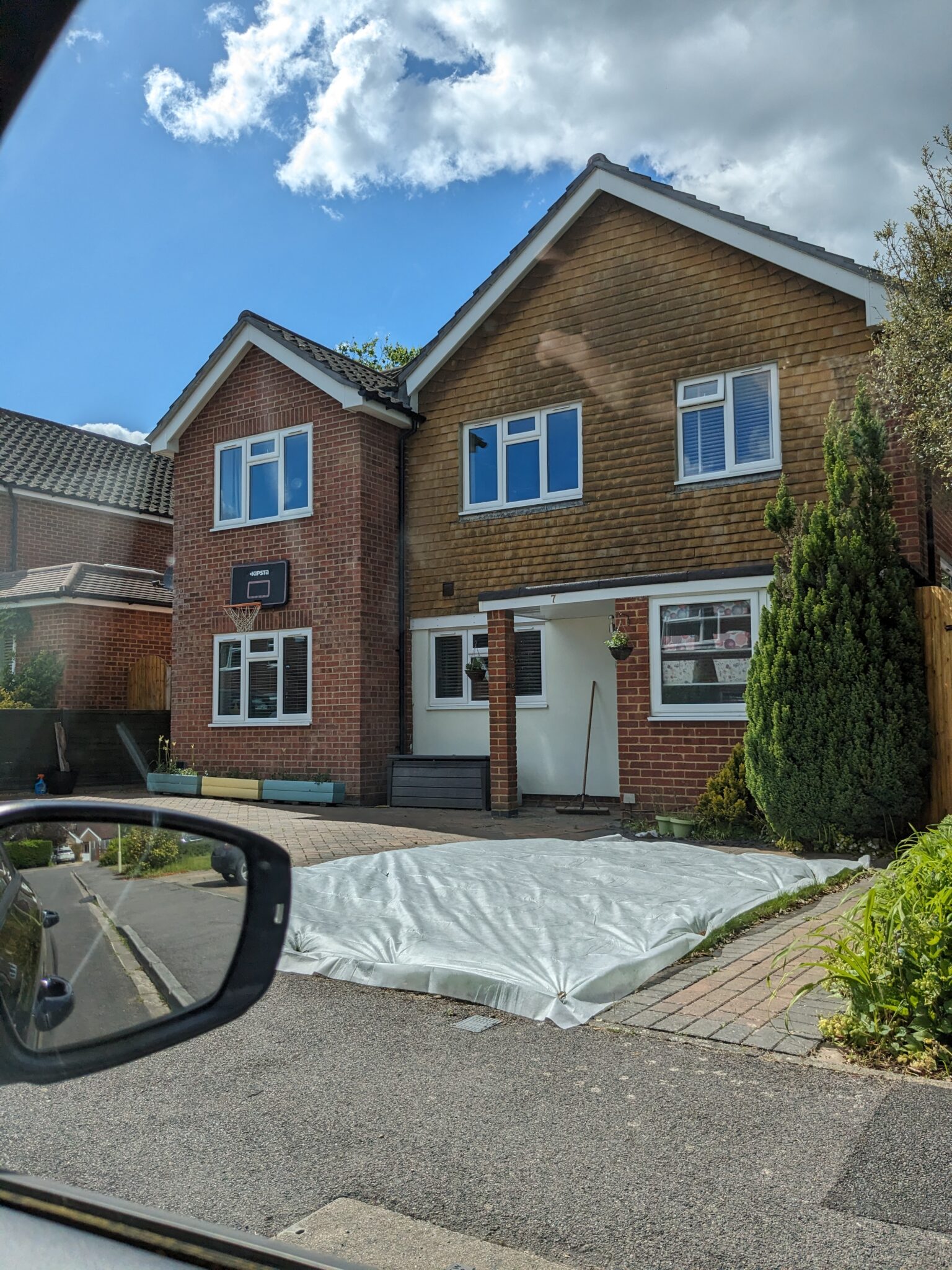

When we arrived on-site, it didn’t take long to spot the problem.

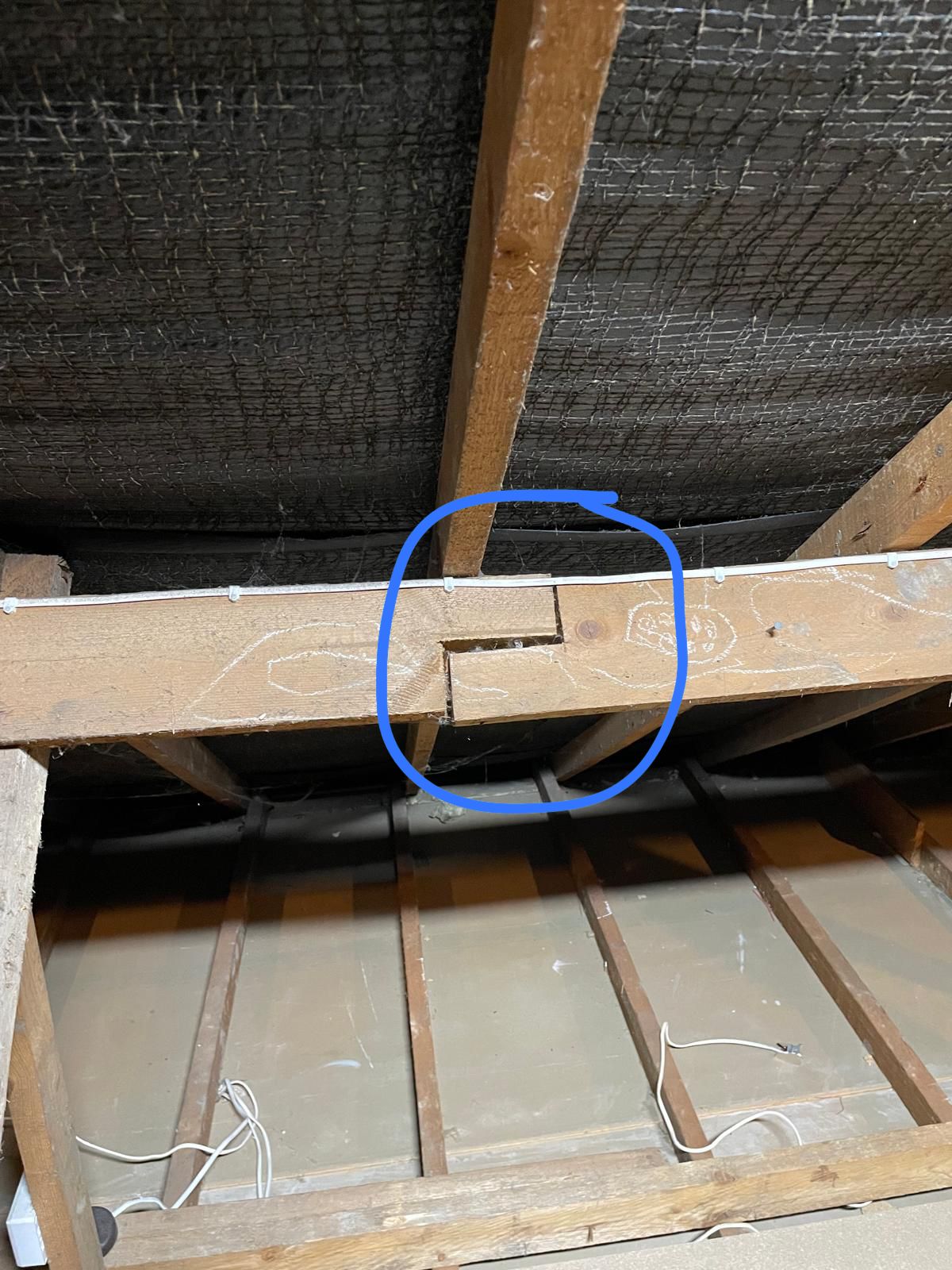
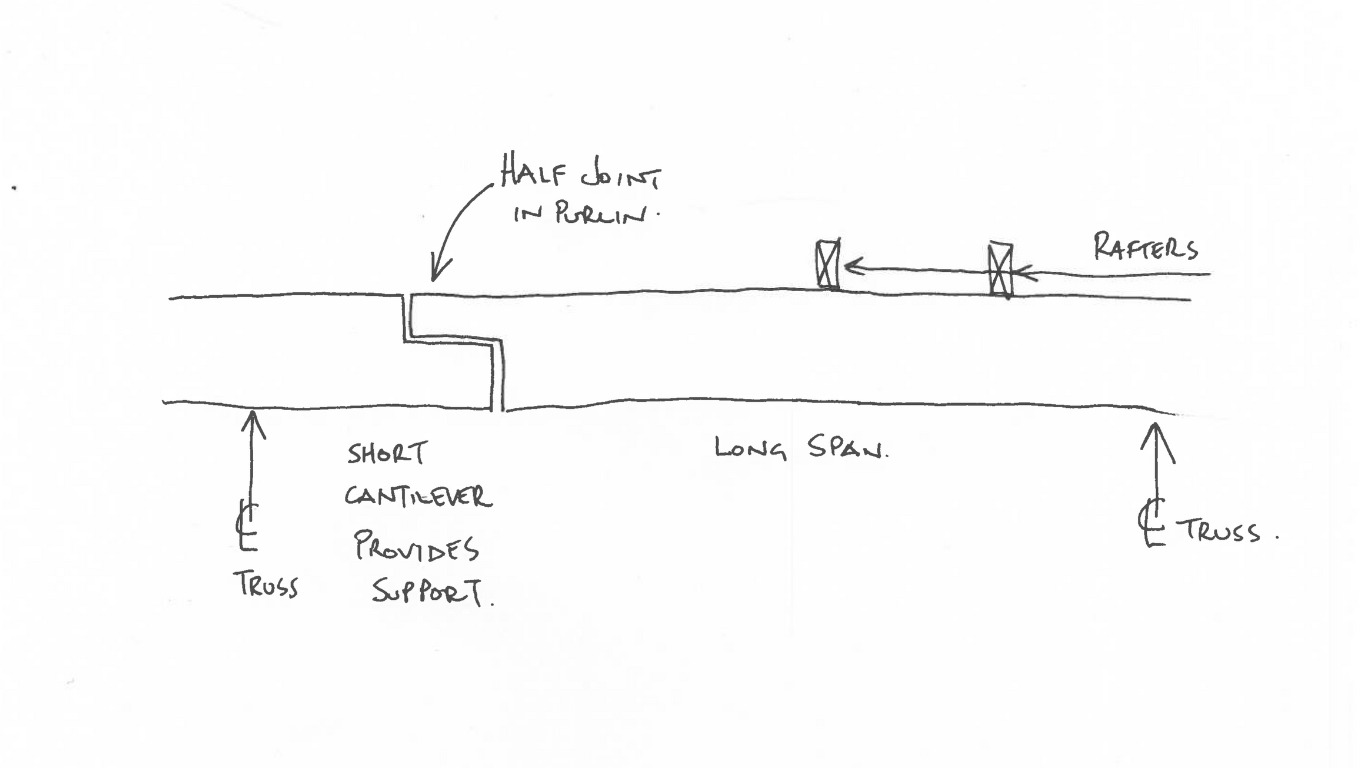
Up in the roof, we discovered the root cause:

  • Trusses were positioned at quarter points in the roof
  • The purlin was deflecting, causing the roof to sag
  • A short beam was cantilevered past the truss to pick up the next beam
  • A critical joint had been cut the wrong way up!

The incorrect joint orientation had compromised the structural integrity, leading to the deflection of the purlin.


The Misguided Advice

Before calling us, the client had sought advice from another structural engineer.

Their solution? Install several steel supports to prop up the purlin. While this approach might have worked, it was overly complex, invasive, and—most importantly—unnecessary.

The estimated cost for this solution was a staggering £12,000+.
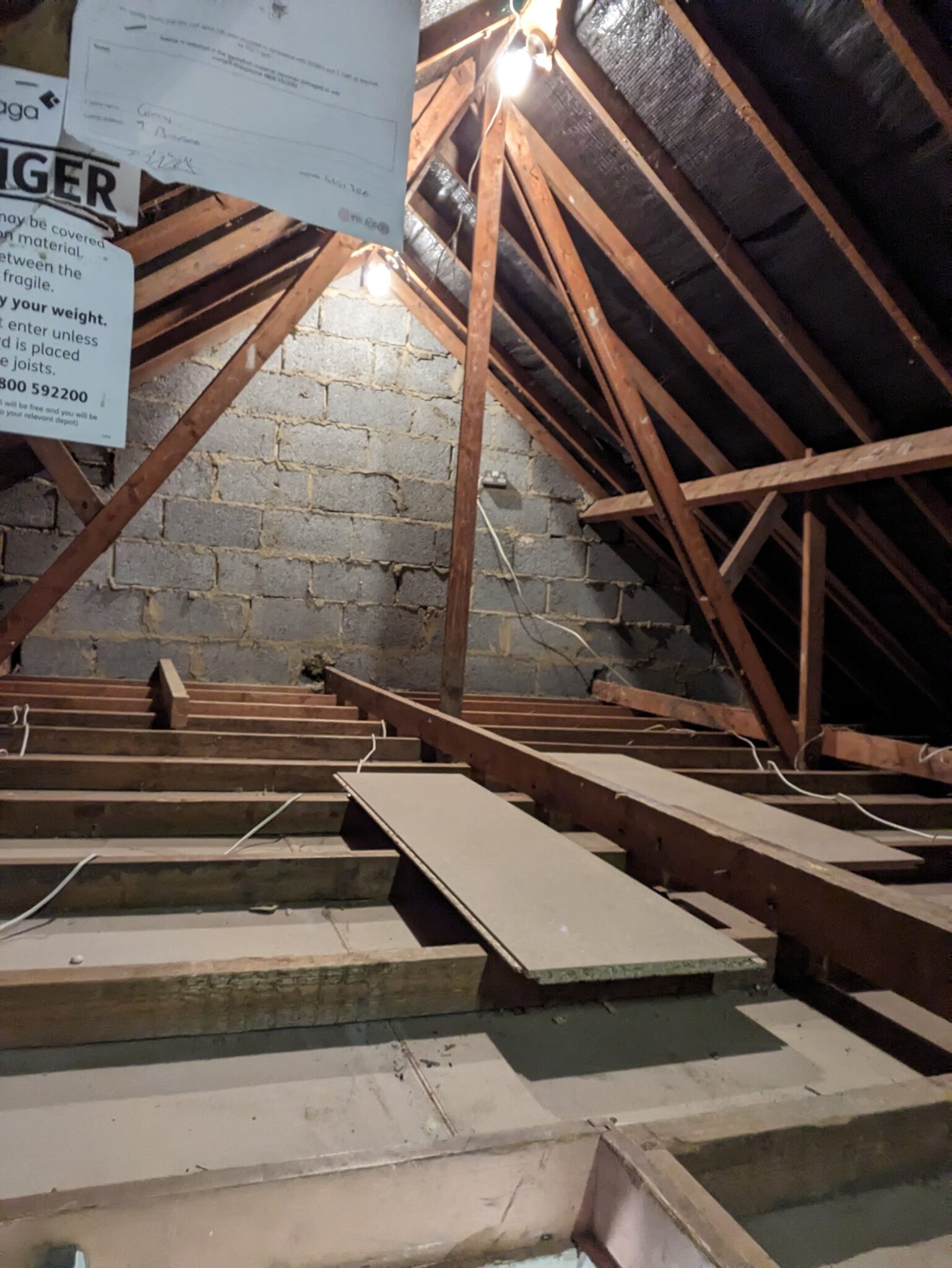

sagging roof

The half joint was created the wrong way – it should have been constructed like this …
Our Solution: Simplicity and Expertise

After carefully evaluating the situation, we proposed a far simpler and more effective solution

“G” Clamp

Instead of introducing expensive steel supports, we recommended strapping the beams together using a “G” clamp or similar.

This method cost approximately £200—a fraction of the original estimate!
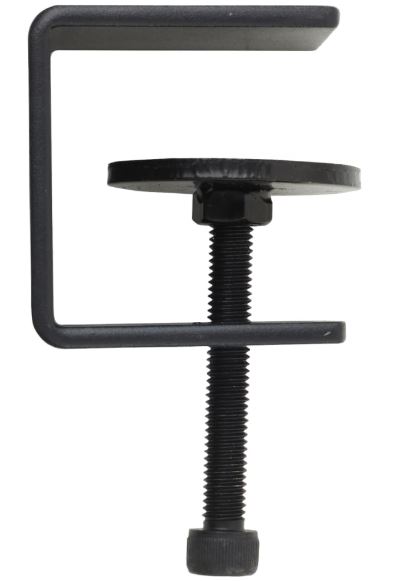

G clamp


Why did this work?

By properly securing the beams, we eliminated the deflection issue caused by the poorly oriented joint, restoring support to the roof without the need for substantial structural elements.

The Lesson: A Good Engineer Saves You Money

This case highlights the importance of hiring an experienced structural engineer.

While it’s easy to overengineer a solution, expertise allows us to pinpoint the true cause of a problem and resolve it efficiently. For our client, this meant avoiding unnecessary costs while still ensuring their property was safe and sound.

When dealing with structural concerns, remember: the right expertise can save you thousands. If you’re facing a similar issue or want a second opinion, don’t hesitate to reach out—we’re here to help.


Have a structural issue?

Get in touch today to see how we can save you money without compromising on quality!
Call us 0118 962 9666.

For building owners, particularly those investing in commercial properties, a thorough understanding of the site’s condition is fundamental before any construction begins.

Ground Investigations and Drainage Surveys

This initial step includes ground investigations and drainage surveys to understand soil properties, groundwater conditions, and any subsurface structures.

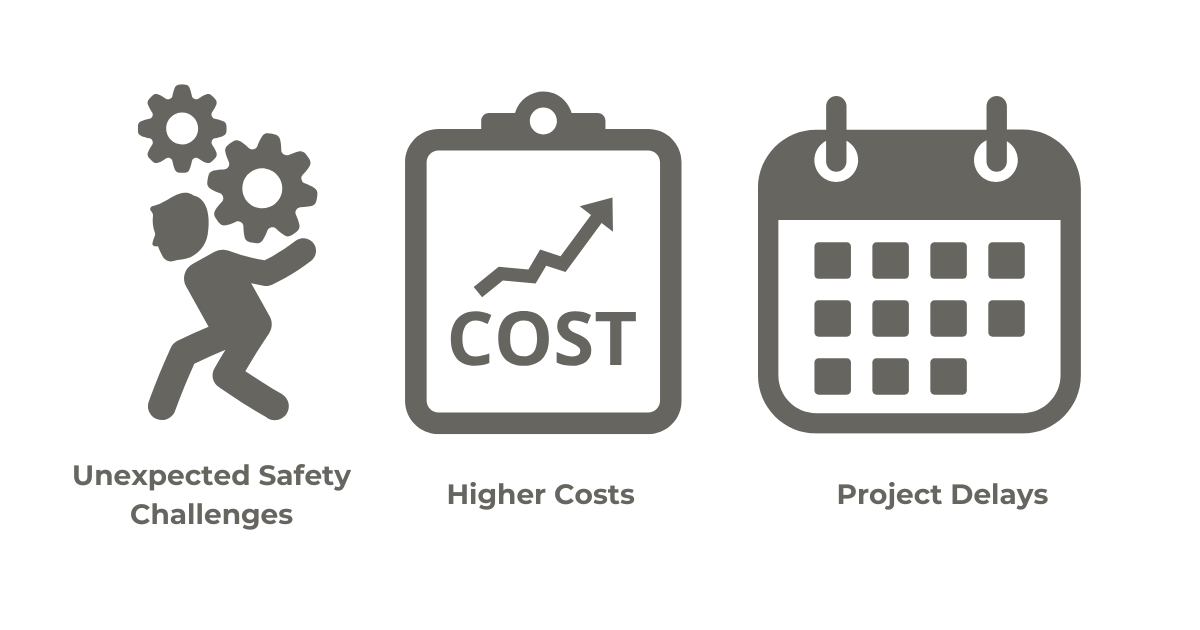
Skipping these important assessments can lead to unexpected safety challenges, higher costs, and potential project delays—making early investigations a worthwhile investment for smoother progress.

unexpected delays

Why Ground Investigations Are Essential

Ground investigations provide essential data on soil type, bearing capacity, groundwater levels, and the presence of contaminants. By identifying these factors early on, engineers can make well-informed decisions about the foundation design, construction techniques, and necessary site preparation, which all play a role in a building’s stability and financial viability.

When ground investigations are skipped, the likelihood of encountering unexpected subsurface conditions during construction is high.

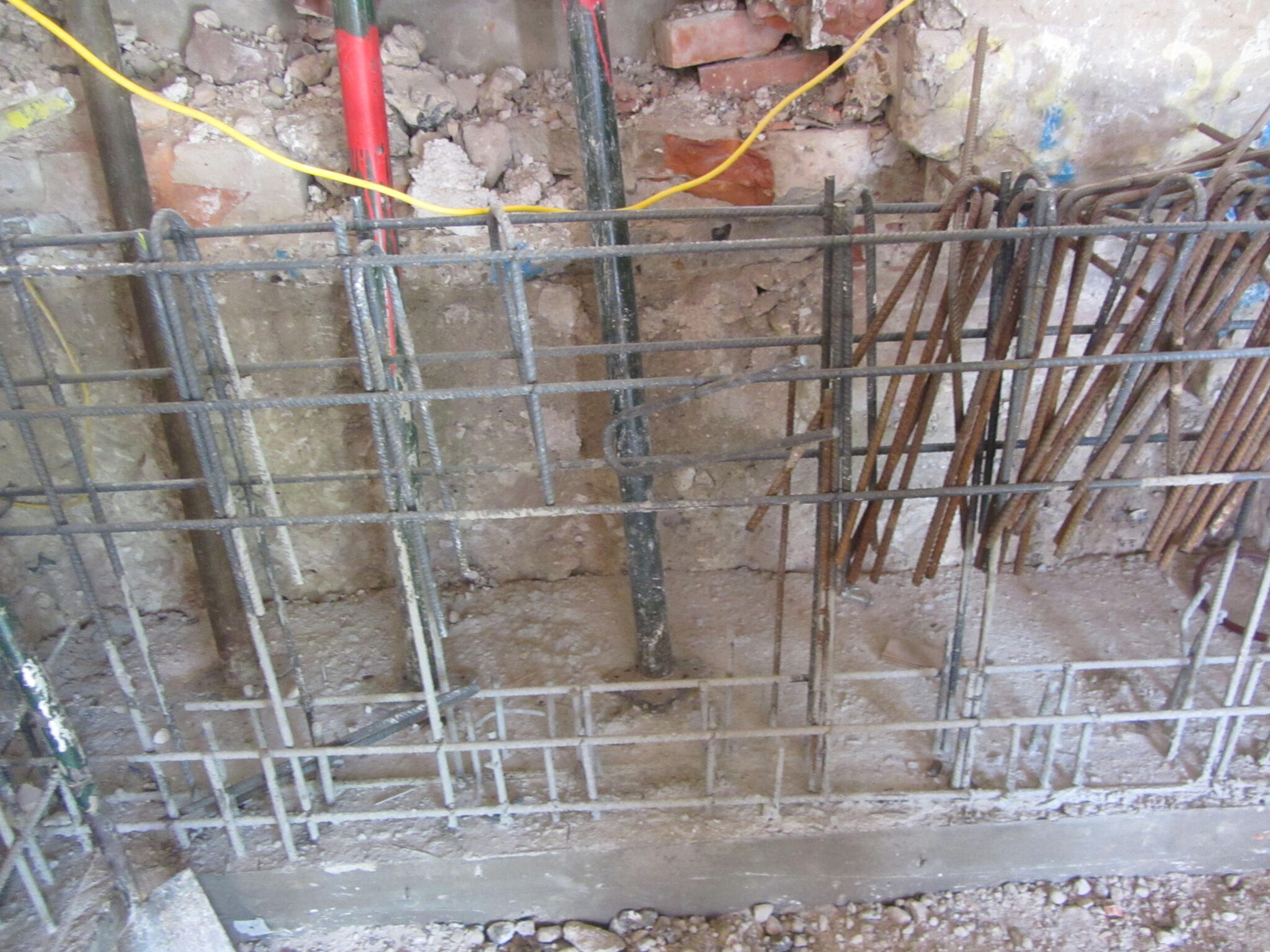
These unexpected conditions, such as soft soil layers, high water tables, or contamination, can require unplanned changes to the project, such as additional foundation work, site dewatering, or soil remediation.

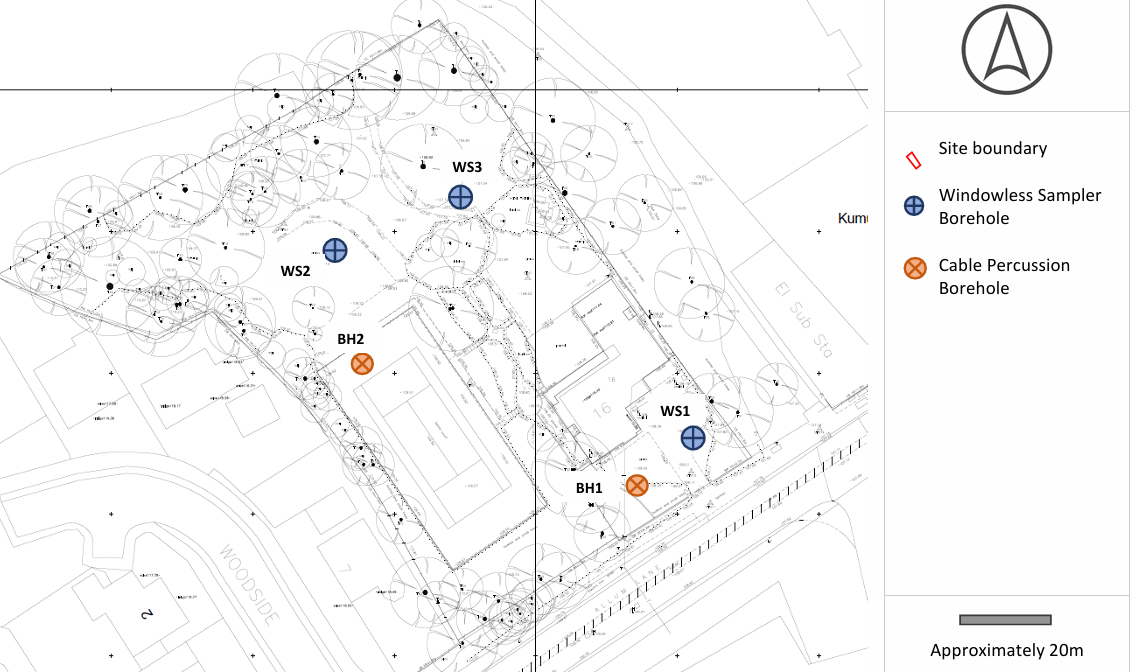
site investigation - site plan 2

Site investigation bore hole location sites

Proactive Measures to Avoid Significant Costs and Delays

Each of these adjustments comes at a significant cost, and often causes delays, which can escalate in terms of budget and lost business time. For instance, if the foundation needs reinforcement due to unanticipated soft soil, it may necessitate more extensive piling or a complete redesign of the foundation system, a costly consequence that could have been avoided with an initial investigation.

Moreover, overlooking ground investigations can pose serious long-term safety risks, particularly in areas prone to issues like soil erosion or subsidence.

Buildings constructed on inadequately assessed ground are more susceptible to settling or structural shifting, which can lead to cracks, water intrusion, or, in severe cases, structural failure. In commercial settings, where building failure can lead to significant liability issues, the importance of early ground assessments becomes even clearer.


The Role of Drainage Surveys

Drainage surveys are equally important, especially in commercial developments where high usage can increase the risk of drainage system failures.

Drainage issues such as blockages, inadequate capacity, or incorrect drainage falls can lead to water pooling, foundation deterioration, or even flooding, which can damage the building structure and its contents.

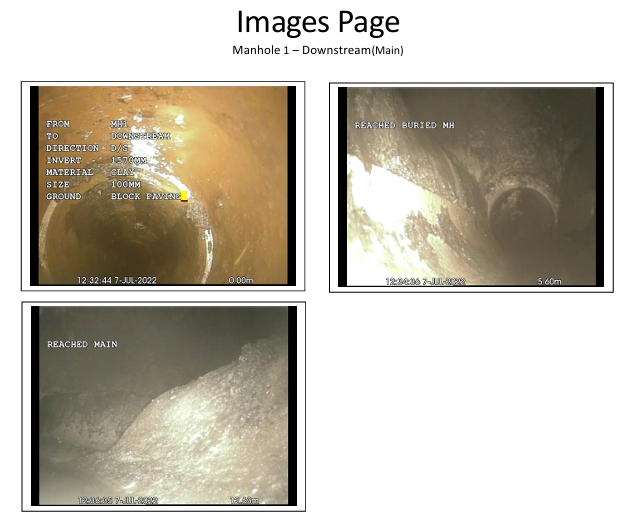
These surveys use CCTV cameras and other technology to identify blockages, pipe fractures, and areas requiring reinforcement, providing essential information for designing amendments and extensions of the drainage system.

Ignoring drainage assessments can lead to flooding and water damage, which are both expensive and disruptive to fix. For example, if an improperly assessed drainage system cannot handle peak flows, it may cause water to back up, resulting in interior and exterior water damage. The costs associated with flood remediation, repairs, and downtime for businesses are often substantial, and yet they could have been avoided with a drainage survey at the beginning of the project.

CCTV drainage images


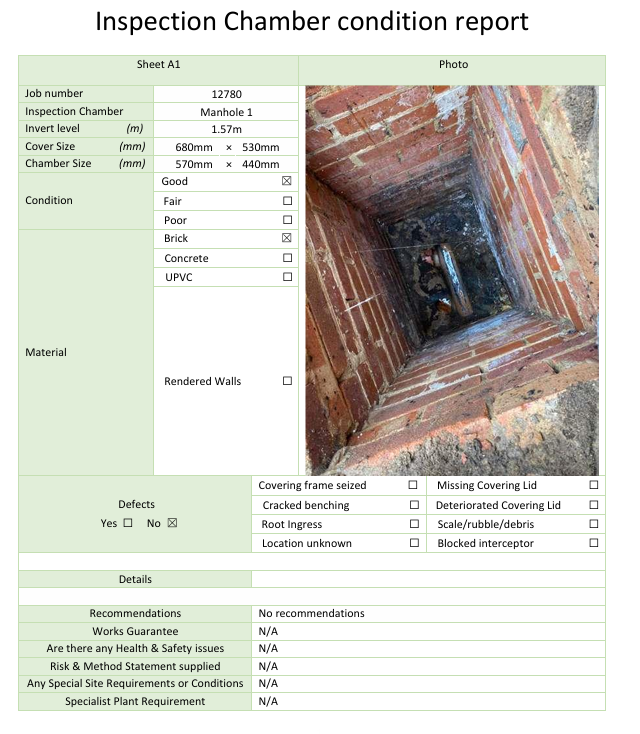
inspection chamber condition image


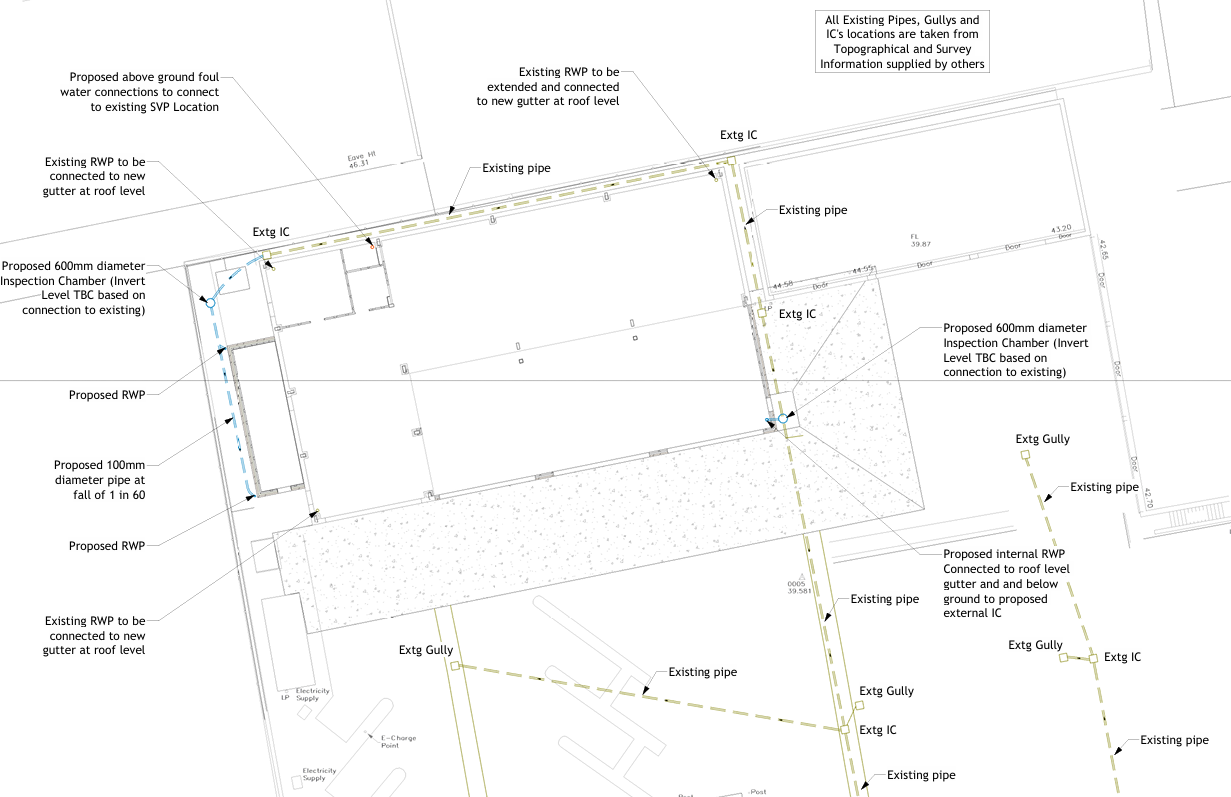
drainage plan

The Cost of Proactive Investment vs Reactive Repair

While ground investigations and drainage surveys represent upfront costs, they are, in effect, cost-saving investments. The additional expenses that arise from site complications during or after construction can far exceed the price of these preliminary studies. Proactively investing in understanding the site’s ground and drainage conditions allows for tailored design solutions and risk mitigation measures, reducing the likelihood of costly and time-consuming surprises.

For commercial building owners, ensuring thorough site assessments aligns with responsible investment. Being prepared for challenges rather than reacting to them keeps construction timelines intact, protects the building’s structural integrity, and minimises future liability.


Conclusion

In summary, ground investigations and drainage surveys are indispensable steps in safeguarding the structural stability and operational longevity of buildings.

By investing in these assessments, building owners can avoid unforeseen complications, mitigate financial risk, and ensure their property’s safety and resilience.

These proactive measures not only save money in the long run but also contribute to a smoother, safer construction process that aligns with the demands of modern, reliable building practices.


We’d love to hear from you!

Would you invest in thorough ground investigations before breaking ground, or take the risk and dive right in?

What’s your approach to balancing upfront costs with long-term security? Share your thoughts with us!

Get in touch