
At Michael Aubrey Structural Engineers, we are proud to introduce a groundbreaking solution for the UK’s RAAC (Reinforced Autoclaved Aerated Concrete) crisis.

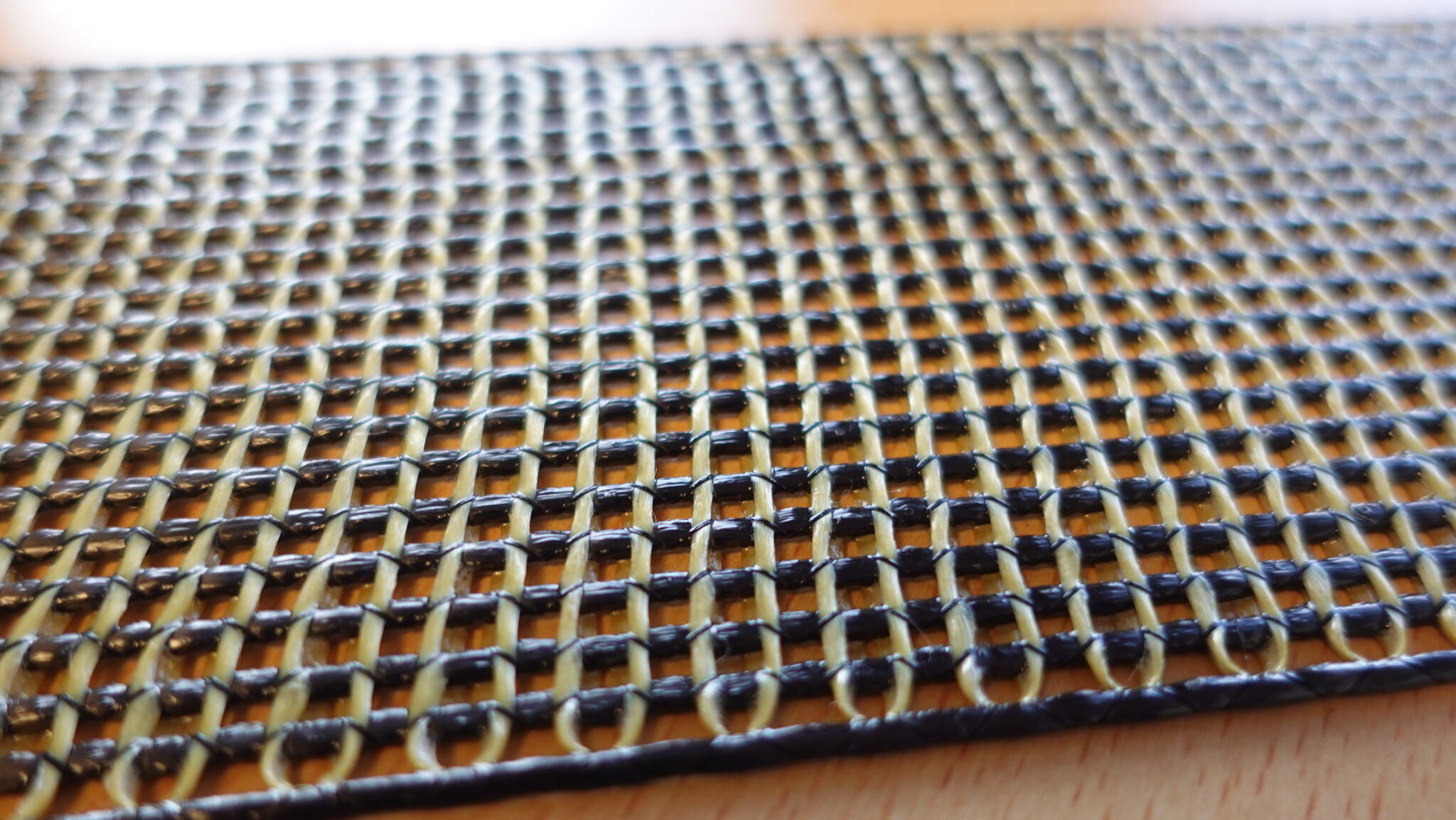
In a UK first, our team has developed and successfully delivered an in-situ repair method for RAAC panels using Carbon Fibre Reinforced Polymer (CFRP) technology – a material more commonly used in aerospace and automotive industries.
Until now, repairing RAAC meant expensive, disruptive demolition or full roof replacement.

By returning to first principles, our engineers have adapted CFRP to strengthen RAAC panels directly, without the need to vacate the building.

“This was uncharted territory,” says John Staves CEng FIStructE, Managing Director. “The Eurocode standards didn’t cover this solution – but through rigorous engineering, testing, and validation, we made it work.”

The benefits are clear:

  • No demolition required
  • Minimal disruption to occupants
  • Cost-effective, scalable, and safe

Already successfully implemented with Network Rail, this pioneering system gives councils, schools, hospitals, and public bodies a practical way to restore building safety without the huge cost or disruption of traditional methods.

This is engineering innovation at its best – providing real solutions for hundreds of at-risk buildings across the UK.


Do you have a building that has been affected by RAAC?  Call us today 0118 962 9666 and we’ll see if we can help you.

We’re thrilled to introduce Resh, our newest team member, who recently joined us as a Senior Architect. Resh will primarily be collaborating with our team on projects for our sister brand, Create Home Design.
 
She brings a wealth of experience in commercial projects and a passion for architecture that started in her teens, she brings a fresh perspective, and an impressive skill set to the team.
 
Before joining Michael Aubrey Barrow, Resh spent her career working on commercial architecture projects, developing a strong foundation in the technical and practical aspects of design.
 
However, life took her on a different path for a while, and she decided to take some time off to process personal events. After a few months of reflection, she was more than ready to dive back into the profession she loves.
 

I knew Architecture was my future

“I’ve always been interested in architecture for as long as I can remember,” she shares. “It was when I was 17, and art took on a 3D form for me—that’s when everything changed. I knew architecture was my future.”
 
Her passion for design and problem-solving is evident in her work. As she explains, “Every day is a challenge, and there are new things to learn all the time. I love the multifaceted nature of this job.” For her, it’s not just about design but also about balancing creativity with commercial understanding and technical skills. “I think it’s important for an architect to be commercially minded, technically competent, and to have fun with it. That’s when the magic happens.”
 

It’s great to be able to bounce ideas off everyone

Although she’s only been with us for a short time, Resh has already made herself at home. “It feels like I’ve been here longer than two weeks! I’ve acclimatised quickly,” she says with a smile. “I love the size of the team here. It’s great to be able to bounce ideas off everyone.” She’s already diving into project work, mentoring junior team members, and meeting with clients, showing her natural leadership and collaborative spirit.
 
When she’s not in the office, Resh enjoys lake swimming, which she describes as her go-to outdoor activity. “I went swimming just before I started here, and I’m already busy planning my next trip!”


Oh yes and her favourite biscuit is a Biscoff!


We’re thrilled to have Resh as part of the Michael Aubrey team, and we can’t wait to see how her creativity, experience, and enthusiasm will shape our future projects. Welcome aboard!

Great to receive an acknowledgement and “thank you” from the CIOB (Chartered Institute of Building) for John’s work on the CIOB Working group (Site Supervisor) steering group. 

Coming out of the recommendations from the Hackitt report, attending the steering group enabled John to share his experience, skills and relevant knowledge to contribute to tangible actions and contributions to make proposals to accelerate change in the construction industry.