
The role of a structural engineer is crucial when carrying out a structural assessment on a contaminated site due to the complex interaction between environmental hazards and structural integrity.
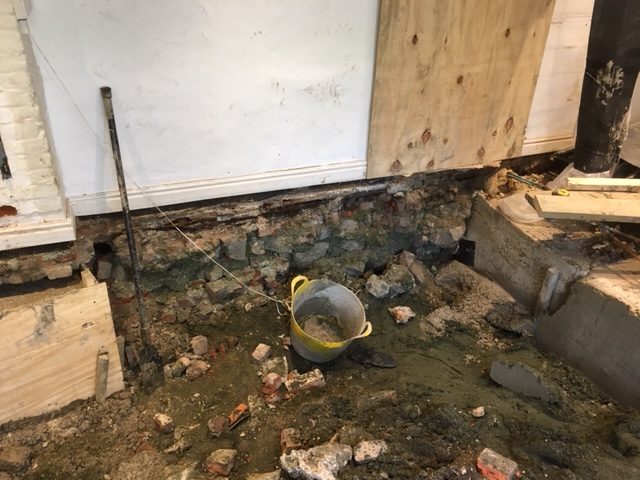
Contaminated sites often pose unique challenges that can significantly impact the stability and safety of existing structures.

Here’s why a structural engineer’s expertise is necessary;

1. Ensuring Structural Stability During Remediation

Sites contaminated by spills often require extensive remediation activities, such as soil removal, excavation, or chemical treatments, which can destabilise the ground and, consequently, the structures on it.
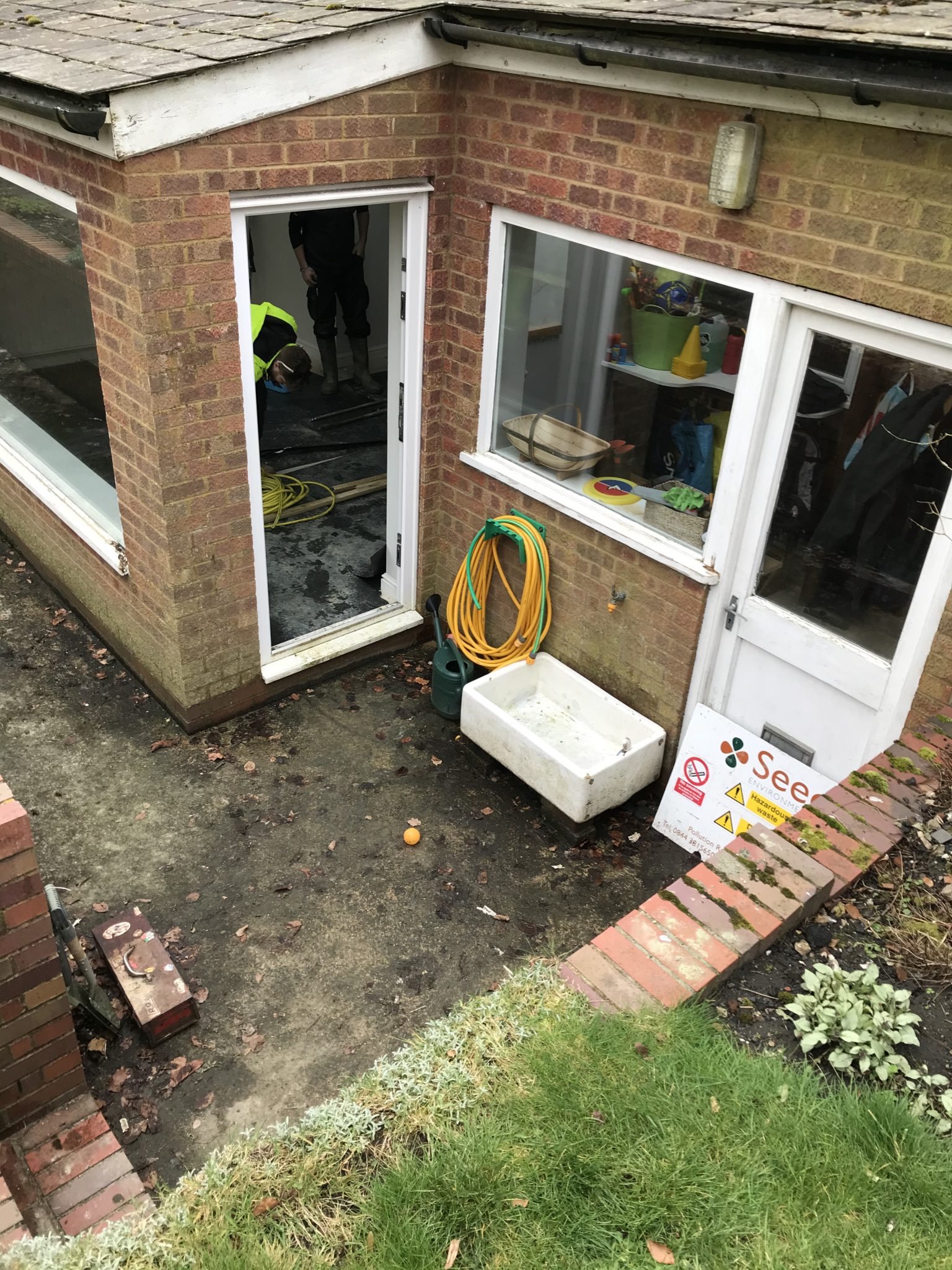

A structural engineer assesses the potential risks associated with these activities, ensuring that the building remains stable throughout the remediation process. 


By designing appropriate underpinning, propping, and temporary works, the engineer prevents additional damage and ensures the safety of the structure and its occupants.

2. Protecting Against the Impact of Contaminants

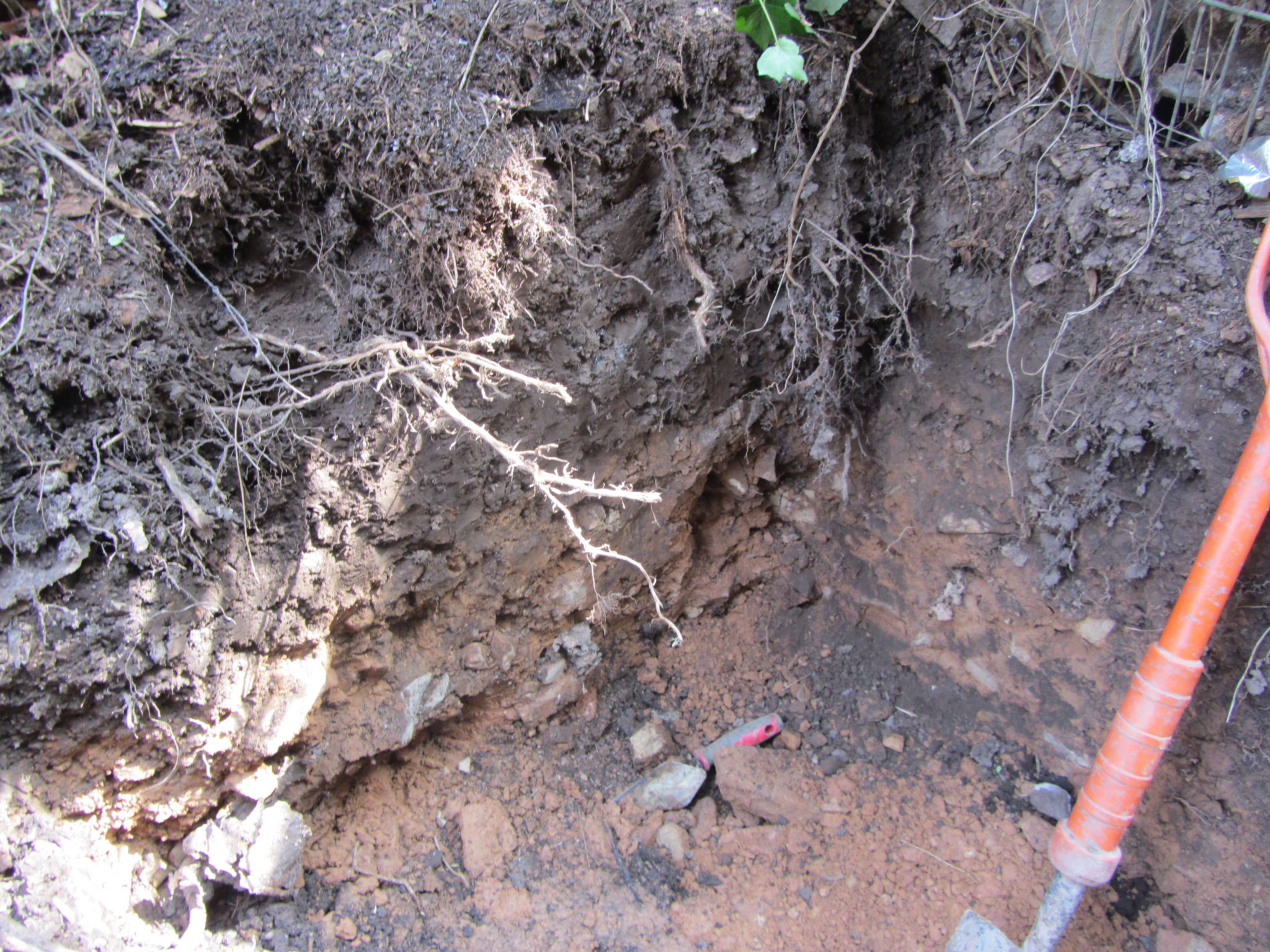
Contaminants can degrade building materials over time, leading to structural weaknesses that may not be immediately apparent.

A structural engineer evaluates how different contaminants might affect various materials, such as concrete, steel, or masonry, and recommends appropriate construction techniques and materials that are resistant to such degradation.

This foresight helps to prolong the life of the structure and reduce the likelihood of future structural failures.
3. Compliance with Regulatory Standards

Structural engineers ensure that all work on contaminated sites complies with relevant building regulations and safety standards.

This is particularly important as many remedial activities fall under the scope of Building Regulations, which govern structural safety, material quality, and construction practices.

Engineers ensure that the remediation process does not inadvertently violate these regulations, protecting the property owner from legal and financial repercussions.


4. Safeguarding Human Health and Safety

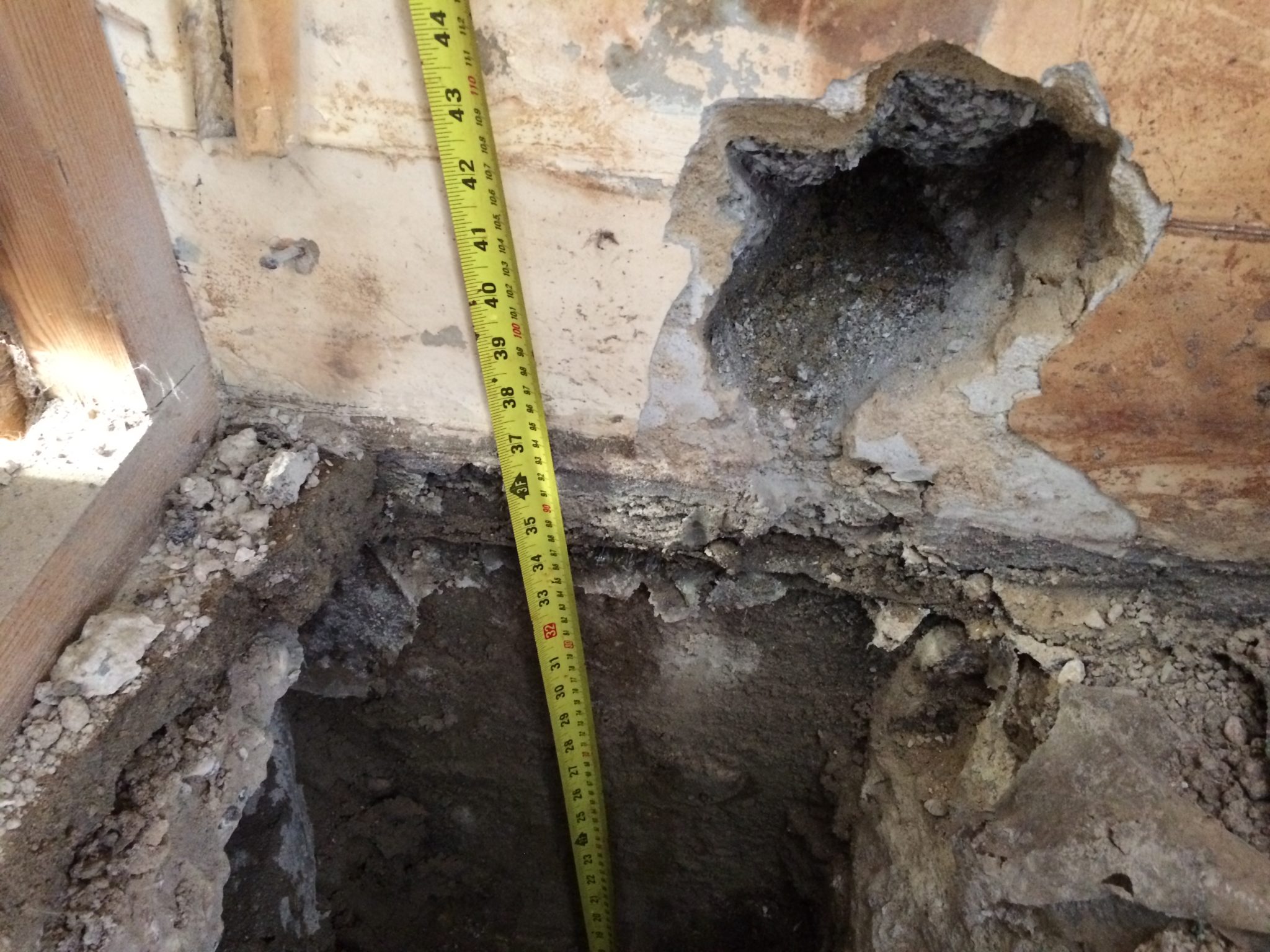
Contaminated sites often pose direct risks to human health, especially if the contamination affects indoor air quality or if structural failures occur during remediation.

Structural engineers play a vital role in minimising these risks by designing solutions that not only preserve structural integrity but also prevent the spread of contaminants. Their work ensures that buildings remain safe for occupants, contractors, and the wider community.

5. Providing Reassurance and Support

The presence of contamination in a property can be distressing for homeowners and stakeholders, who may be concerned about the safety of their buildings and the implications of the necessary work.

Suitably qualified and experienced structural engineers provide critical reassurance through their assessments, detailed reports, and clear communication.

Their expertise ensures that all parties understand the measures being taken to secure the structure, easing concerns and fostering trust in the remediation process.
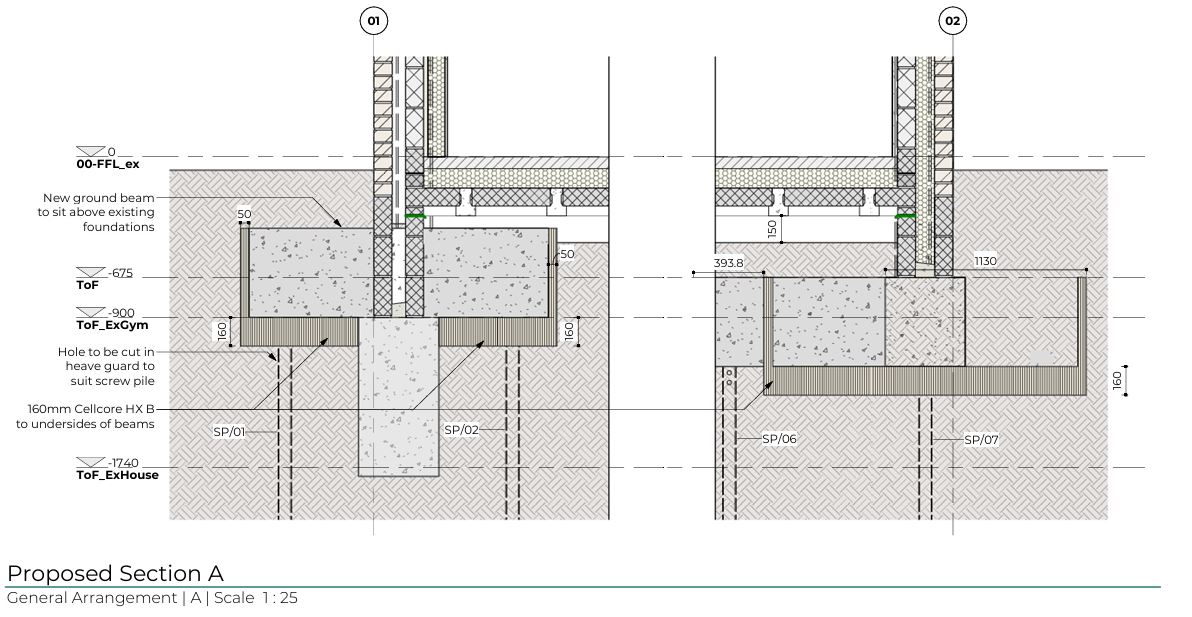
screw piles design

6. Cost-Effective Solutions

A well-thought-out structural assessment by an experienced engineer can lead to cost-effective solutions that prevent further damage and reduce the need for future repairs.

By addressing potential structural issues early in the remediation process, engineers help avoid costly delays and ensure that the project stays on budget.


Conclusion

In summary, structural engineers play an essential role in managing the unique challenges of contaminated sites. Their expertise ensures that buildings remain safe, compliant, and resilient throughout the remediation process, protecting both the property and the people involved.

Our third speaker for the day was John Staves, Managing Director at Michael Aubrey Partnership. John is a Chartered Structural Engineer and has worked in the Telecoms industry for over 30 years.

Specialist Telecoms Knowledge

He could be described as a “poacher turned game keeper” as initially, John’s specialist knowledge was gained through working with the mobile operators – he understands the Telecoms market and it gives Michael Aubrey Partnership a unique stand point when representing the Fire and Police Services – providing them with independent, unbiased advice.

John opened his presentation talking about what the drivers were for structural safety, with reference to BS8210 2012. He talked about how British Standards are moving away from being prescriptive to acting more as a “prompt” to think. Allowing you to set out a framework – more of a risk management approach where you;

  • identify hazards
  • identify who could be at risk
  • eliminate, reduce or control the hazard and
  • train those affected by it

Telecoms Condition Surveys

John shared his experience talking through a recent case study where Michael Aubrey Partnership were asked to undertake detailed condition surveys on 65+ drill towers and ancillary structures across the UK.

Masonry drill tower


Using a traffic light system of categorisation he was able to help the Fire Authorities identify which structures were in urgent need of repair.

  • 13% of drill towers were identified as being “red” and having defects so serious that they required immediate action
  • Over half of drill towers required maintenance within 12 months

Maintenance Schedule

Ordered by priority, a maintenance schedule was generated which allowed the Fire Authorities to plan their maintenance project around this.

Economies of scale were able to be achieved with contractors, as maintenance programs could be carried out in a methodical, planned way.

Importance of Routine Maintenance

John also talked about the importance of regular routine maintenance.

Whilst unexpected deterioration, damage or failures may still occur, with a regular maintenance cycle you will minimise the need for major refurbishment and repairs

Structures deteriorate over time and will continue to deteriorate if regular routine maintenance is not carried out. Minor repairs and preventative maintenance, should minimise future problems and ensure your structures remain in peak condition.

In summary;

  • Adopt a risk based approach
  • Set your maintenance policy in line with the British Standard BS8210: 2012
  • Adopt a tier based approach with regular inspections and reporting by users, annual reporting by your estates department and specialised surveys every 3 years

When was the last time you carried out a detailed inspection of your property portfolio? If you did, would you find your sites in the Red or Green category?

Property Managers, Health and Safety advisors and those responsible for property assets, gathered at Leicestershire Fire and Rescue Headquarters yesterday to attend the first in a series of seminars exploring the implications of the new Telecommunications code, RF and Structural Safety.

After welcome and introductions from Duncan Wells, Michael Aubrey Partnership, Thekla Fellas, Fladgate Solicitors opened the seminar examining how the new code will affect property owners.

Thekla talked about why the government feels reform is necessary; citing their commitment to incentivising investment to fully support the rollout of the country’s digital communications infrastructure.

Thekla talked about;

  • How the Department for Culture Media and Sport (DCMS) want to make it faster, easier to secure sites for the Operators – it’s a political decision
  • How it is going to be virtually impossible for landowners to get Operators off their sites
  • How the new telecommunications code will give Telecoms operators access to land – moving to a “no scheme” basis of valuation regime (a  valuation which will favour Telecoms operators).
  • How the new telecommunications code will put digital communications infrastructure on a similar regime to utilities like electricity and water.
  • New rights that will make it easier for telecommunications operators to deploy and maintain their infrastructure
  • Telecommunications operators will have a new automatic right to upgrade and share apparatus
  • Telecommunications operators cannot be charged extra for changes where there is minimal adverse visual impact or burden on site providers.
  • Improved dispute resolution

Telecommunications code

What Impact Will The New Telecommunications Code Have For Property Owners?

The change in the basis of valuation to a “no scheme” rule reflecting the underlying value of the land. Reduced rental income: This will limit the value of consideration that the site owner receives for granting the lease.

When Will this take Effect?

The new Telecommunications Code rights will only apply to contracts signed after the law has come into effect and will not apply to existing contracts retrospectively – transitional provisions are not supposed to be retrospective. The bill is currently scheduled to come into effect in Spring 2017.

Speaking after the event John Staves said

No one is sure what impact this new legislation will have on property owners, but after listening to Thekla’s presentation I think that these changes could well be detrimental to the operators who will find that property owners are reluctant to allow new installations with such sweeping terms. 

It seems really odd that private companies already making huge profits are being given powers which appear to reduce their costs at the expense of private landowners. 

Whilst the intent to make better communications readily available is positive, my concern is that the proposed Code will not achieve this objective and could well slow network development by driving more deals for sites to the Courts for determination“.

Are you a property owner? How do you think this new legislation will have an impact on your property portfolio?