What if the biggest threat to your building isn’t what you can see, but what you can’t?

You walk through the property.

  • The walls are straight
  • No cracks
  • Floors feel solid

All looks well.

So you tick the mental box “Structure, fine.”

But here’s the uncomfortable truth …..

Many structural failures don’t begin with visible signs

Many structural failures don’t begin with visible signs. They start hidden, silently corroding, shifting, or degrading out of sight.

Take reinforced concrete for example.

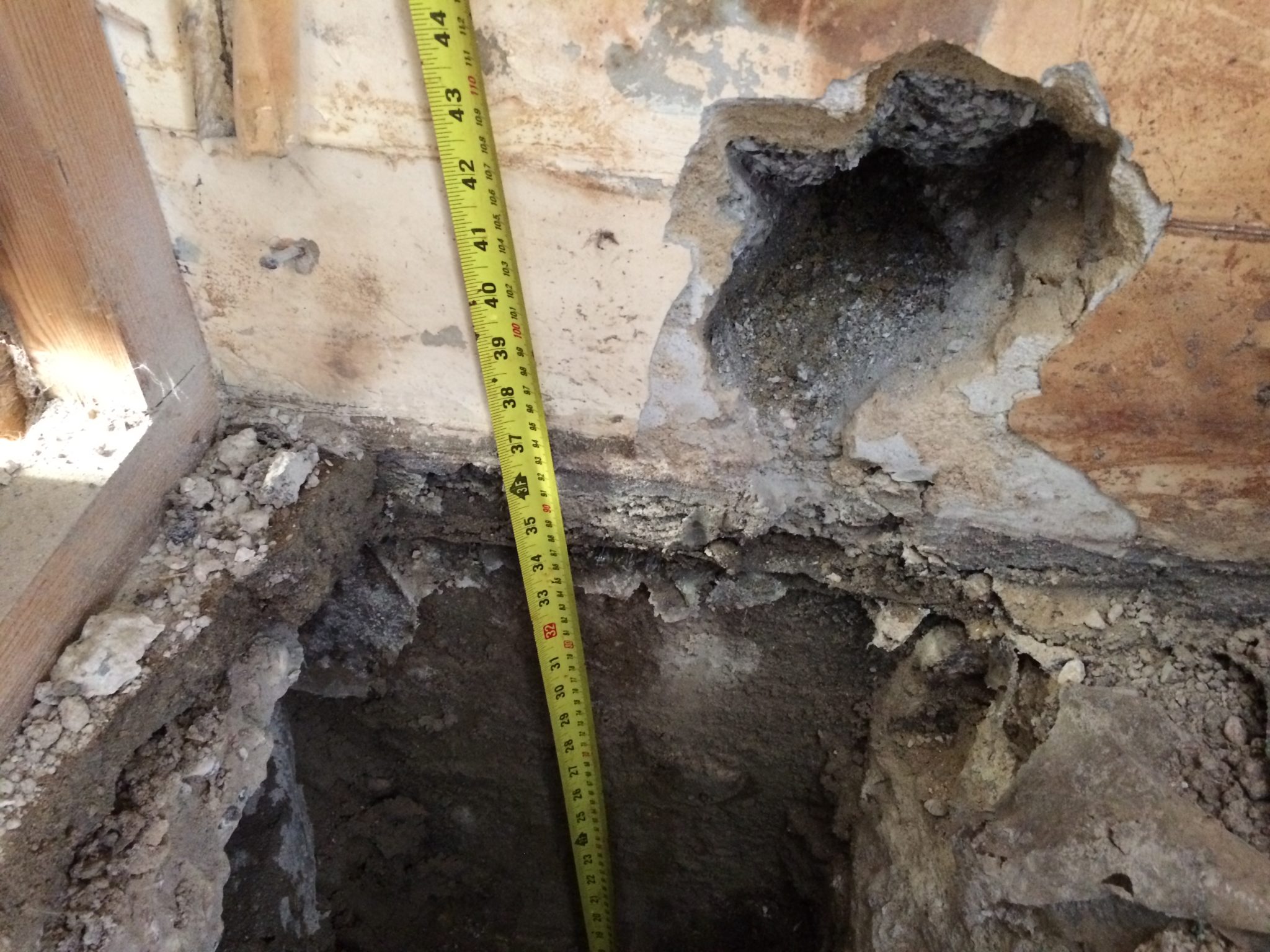
Steel reinforcement can rust inside perfectly smooth concrete.

Once corrosion begins, it expands and cracks the surrounding material from within. By the time you see a hairline crack? Damage is already done.

Or consider buildings with RAAC panels. To the untrained eye, they often look like any other ceiling slab. But hidden deterioration in these materials has caused sudden collapses, even in seemingly “healthy” buildings.
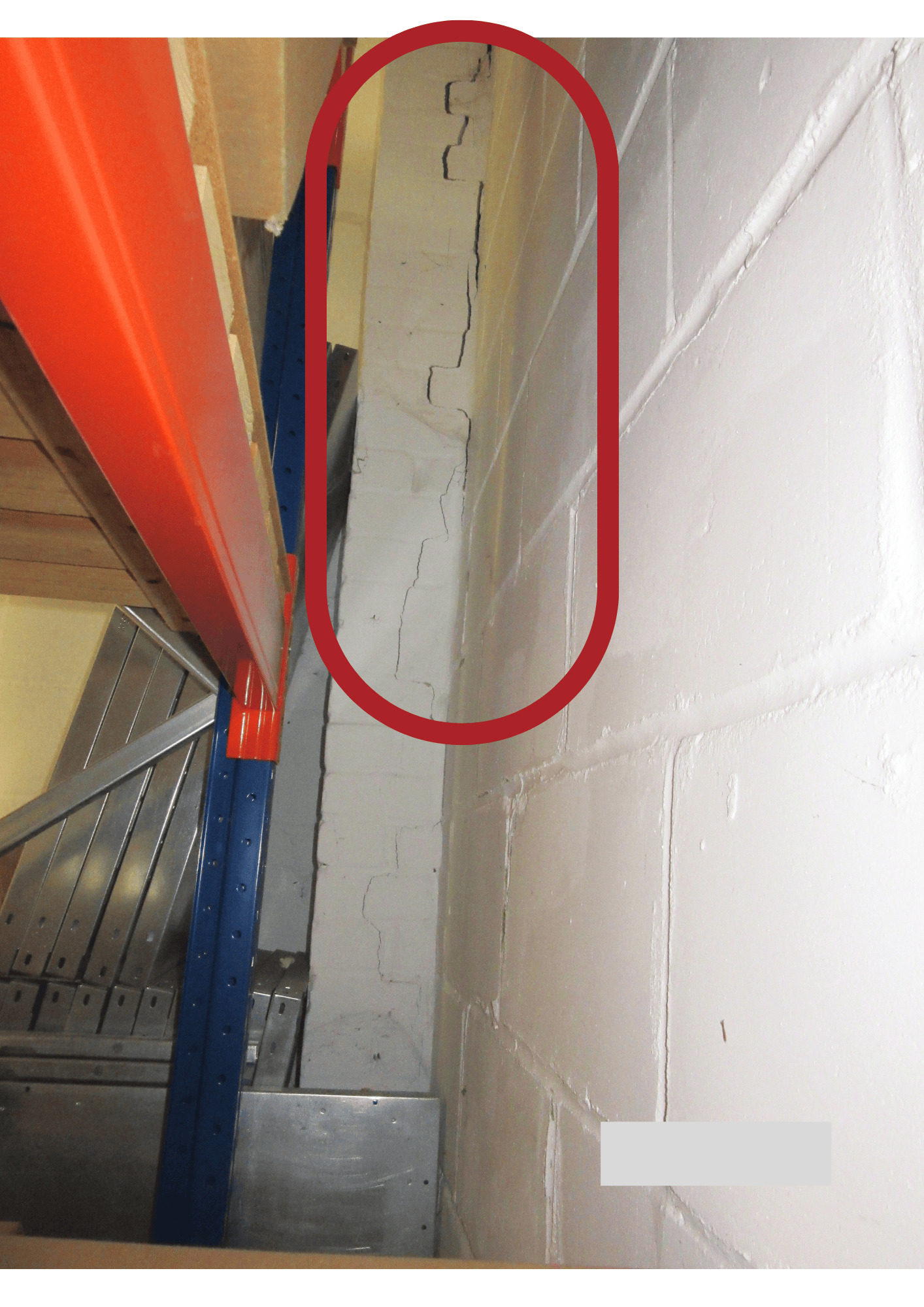
unseen structural issues


And it’s not just the dramatic failures.

Minor structural issues can gradually compromise safety, reduce asset value, and trigger costly emergency repairs.


Routine Structural Maintenance Inspections

Routine structural maintenance inspections are like regular health check-ups for your building.

Done proactively, they;

  • Catch hidden issues early before they become expensive problems
  • Protect tenants and users by ensuring structural safety
  • Extend the building’s usable life and performance
  • Provide reassurance for insurers, stakeholders, and auditors

Just because there’s no obvious damage doesn’t mean all is well.

Book regular inspections with a Chartered Structural Engineer who understands not just buildings but the subtle clues that precede failure.

Think of it as preventative medicine for your most valuable asset.

In the world of structures, peace of mind doesn’t come from what’s visible, it comes from a thorough assessment by a trained eye that can spot the subtle, hidden clues others miss.
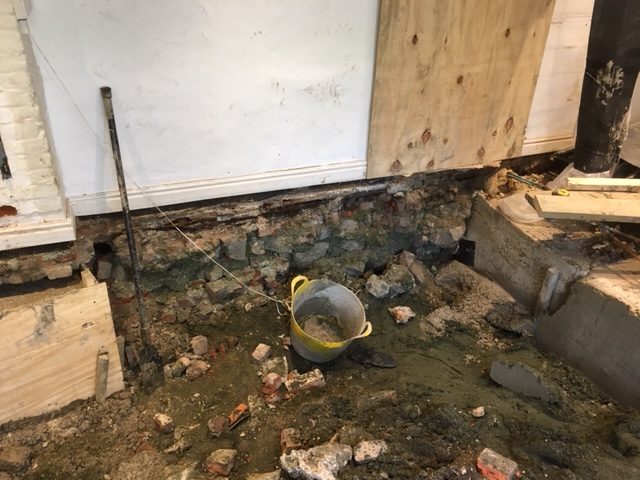
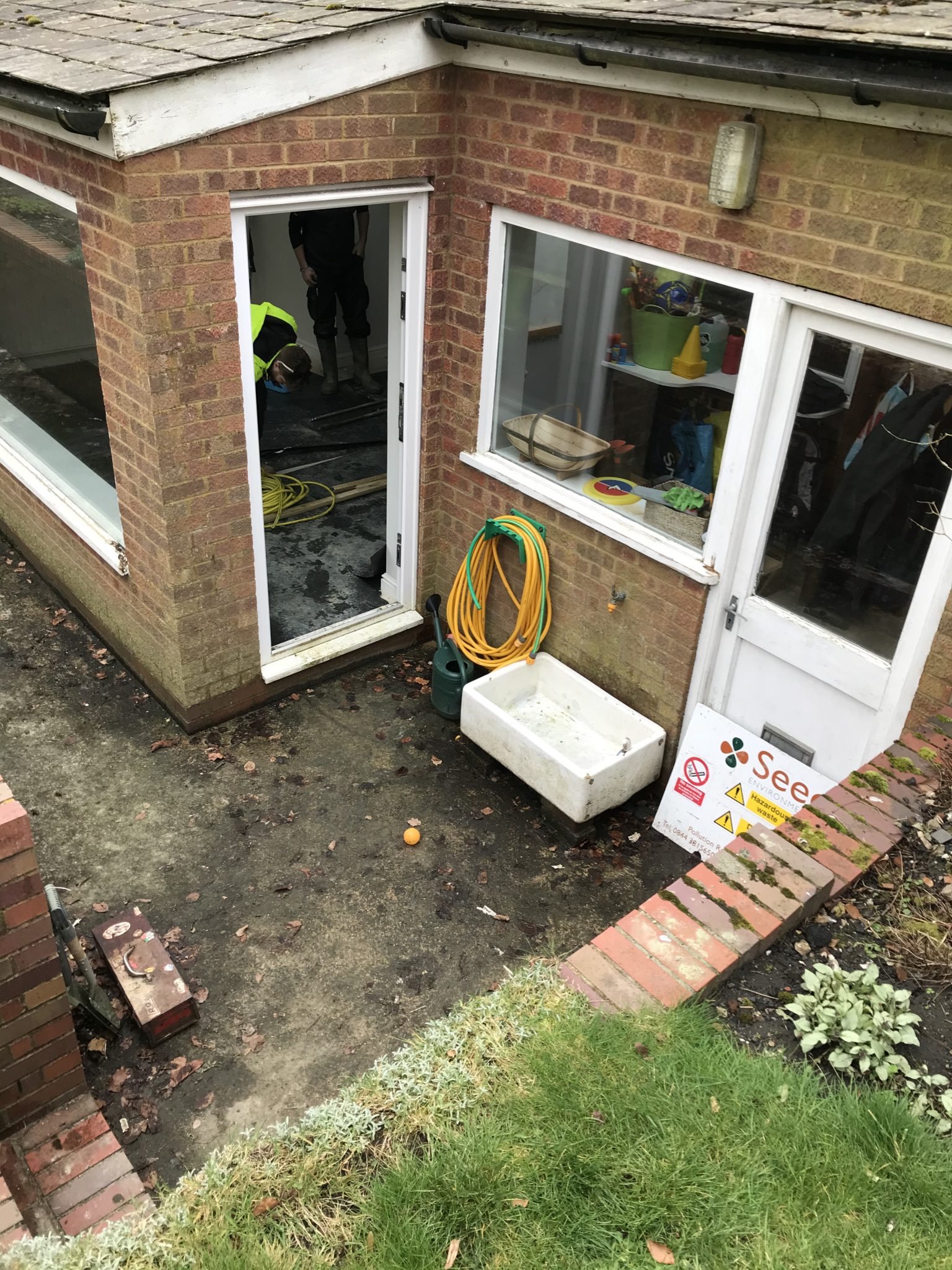
The role of a structural engineer is crucial when carrying out a structural assessment on a contaminated site due to the complex interaction between environmental hazards and structural integrity.

Contaminated sites often pose unique challenges that can significantly impact the stability and safety of existing structures.

Here’s why a structural engineer’s expertise is necessary;

1. Ensuring Structural Stability During Remediation

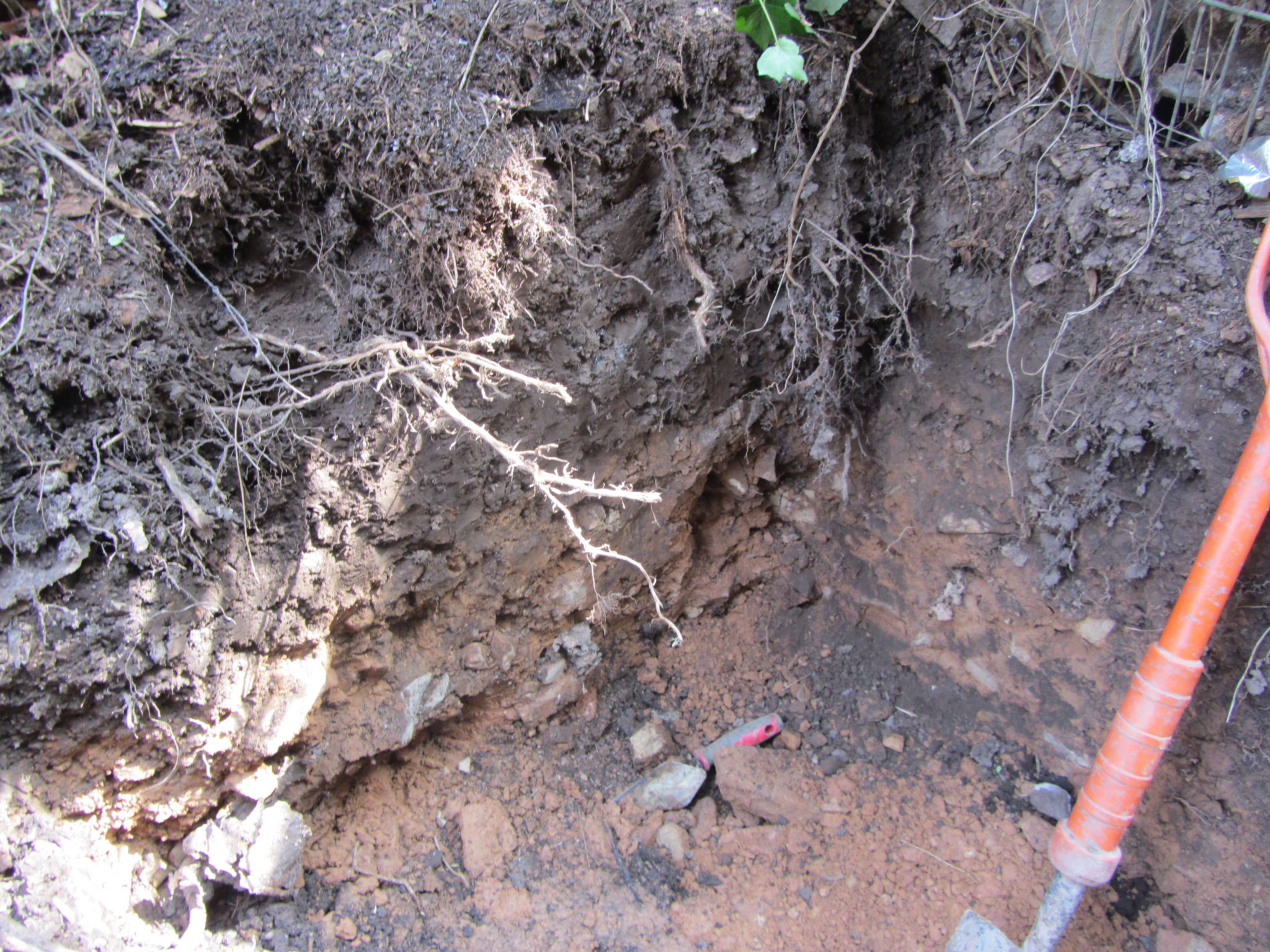
Sites contaminated by spills often require extensive remediation activities, such as soil removal, excavation, or chemical treatments, which can destabilise the ground and, consequently, the structures on it.


A structural engineer assesses the potential risks associated with these activities, ensuring that the building remains stable throughout the remediation process. 


By designing appropriate underpinning, propping, and temporary works, the engineer prevents additional damage and ensures the safety of the structure and its occupants.

2. Protecting Against the Impact of Contaminants

Contaminants can degrade building materials over time, leading to structural weaknesses that may not be immediately apparent.

A structural engineer evaluates how different contaminants might affect various materials, such as concrete, steel, or masonry, and recommends appropriate construction techniques and materials that are resistant to such degradation.

This foresight helps to prolong the life of the structure and reduce the likelihood of future structural failures.

3. Compliance with Regulatory Standards

Structural engineers ensure that all work on contaminated sites complies with relevant building regulations and safety standards.

This is particularly important as many remedial activities fall under the scope of Building Regulations, which govern structural safety, material quality, and construction practices.

Engineers ensure that the remediation process does not inadvertently violate these regulations, protecting the property owner from legal and financial repercussions.


4. Safeguarding Human Health and Safety

Contaminated sites often pose direct risks to human health, especially if the contamination affects indoor air quality or if structural failures occur during remediation.

Structural engineers play a vital role in minimising these risks by designing solutions that not only preserve structural integrity but also prevent the spread of contaminants. Their work ensures that buildings remain safe for occupants, contractors, and the wider community.

5. Providing Reassurance and Support

The presence of contamination in a property can be distressing for homeowners and stakeholders, who may be concerned about the safety of their buildings and the implications of the necessary work.

Suitably qualified and experienced structural engineers provide critical reassurance through their assessments, detailed reports, and clear communication.

Their expertise ensures that all parties understand the measures being taken to secure the structure, easing concerns and fostering trust in the remediation process.

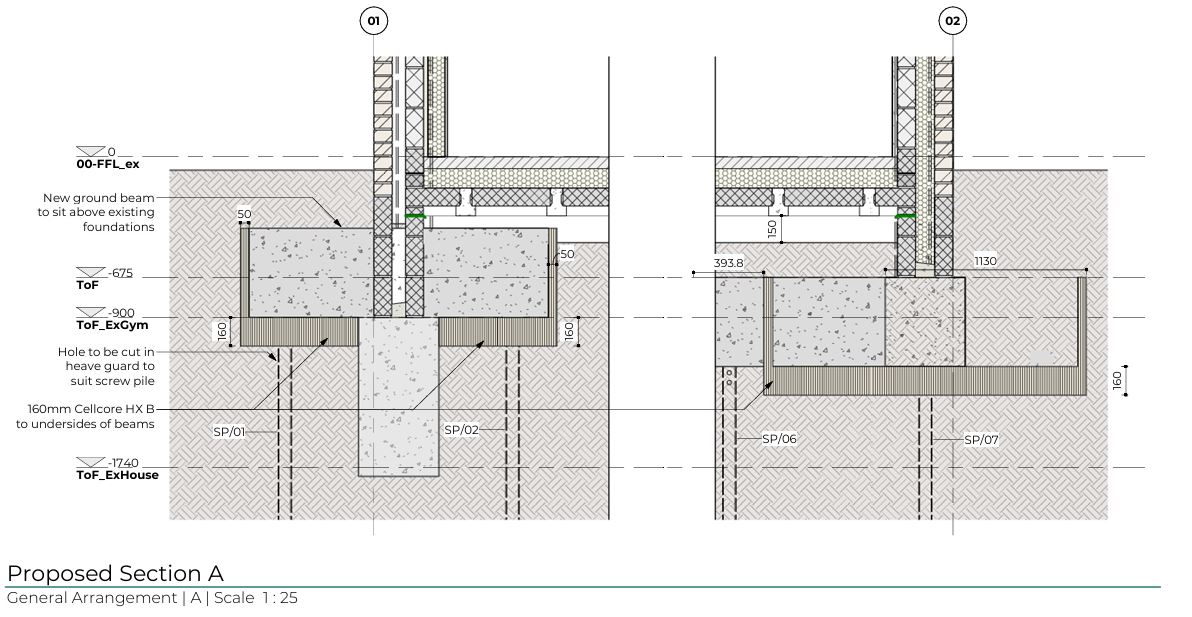
screw piles design

6. Cost-Effective Solutions

A well-thought-out structural assessment by an experienced engineer can lead to cost-effective solutions that prevent further damage and reduce the need for future repairs.

By addressing potential structural issues early in the remediation process, engineers help avoid costly delays and ensure that the project stays on budget.


Conclusion

In summary, structural engineers play an essential role in managing the unique challenges of contaminated sites. Their expertise ensures that buildings remain safe, compliant, and resilient throughout the remediation process, protecting both the property and the people involved.