
RIBA Stage 4: Technical Design – What’s the Rush?

As structural engineers, we understand the eagerness to proceed directly to the technical design phase. However, it’s vital to prioritise completing phases 1-3 of the RIBA plan of work for several key reasons.

Integrated Design

Skipping the concept phases may result in disjointed designs.


integrated design

By going through these phases, architects and engineers can collaborate to seamlessly integrate structural considerations into the architectural vision. This ensures that structural elements not only support the building but also enhance its aesthetics and functionality.


Alignment with

Structural Requirements

Early collaboration during stages 1-3 allows us to seamlessly integrate structural considerations into the architectural concept. 

alignment

This integrated approach ensures that the structural framework supports the architectural vision effectively, leading to a more robust and cohesive design solution.


Risk Mitigation

Rushing into technical design without a thorough understanding of the project’s context and constraints can increase the risk of errors and omissions.

increased risk

Completing phases 1-3 allows for early identification and mitigation of potential risks, such as site conditions, regulatory requirements, and budget constraints, reducing the likelihood of costly revisions or delays during technical design.


Client Collaboration and Approval

Engaging clients throughout stages 1-3 ensures that their expectations and preferences are incorporated into the structural design process. 


client approval

Regular feedback and approval during these stages foster client satisfaction and confidence in the final technical design.


Innovation and Sustainability Integration

Early engagement in the concept phases provides an opportunity to explore innovative and sustainable design solutions.


environmentally friendly buildings

Architects and engineers can collaborate to incorporate sustainable practices and technologies from the outset, resulting in more efficient and environmentally friendly buildings.


Efficient Resource Management

Completing stages 1-3 before moving to technical design optimises the utilisation of resources, including time and manpower. 


greater efficiency

A thorough understanding of project objectives and constraints minimises the need for rework or adjustments during later stages, leading to greater efficiency and cost-effectiveness.


Summary

While it may be tempting to jump straight into technical design, completing phases 1-3 of the RIBA plan of work is essential for;

  • aligning project objectives
  • integrating design elements effectively
  • managing risks
  • engaging clients, and
  • promoting sustainability and innovation

Taking the time to establish a solid foundation in the concept phases ultimately leads to smoother project delivery and better outcomes for all stakeholders involved.

This approach lays the groundwork for a successful technical design phase and ultimately contributes to the overall success of the project.


Don’t let structural challenges stall your project. Talk to us to help you ensure your project stays on track. Get in touch today!

Get in touch today

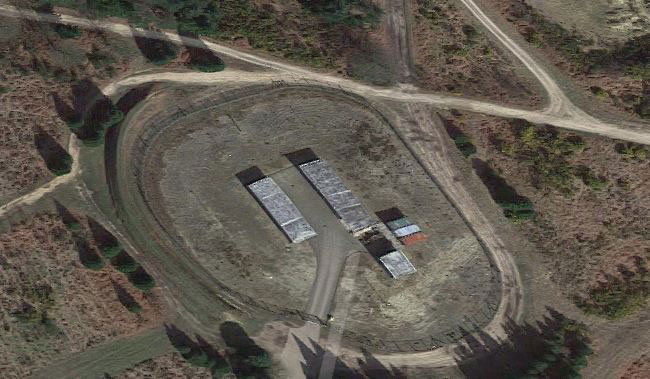
Today I’m talking to John Staves about the specialist surveys that Michael Aubrey Partnership carry out on Ammunition stores on behalf of The Ministry of Defence (MoD) and the Royal Engineers (RE)


Firstly, I’m not an explosives expert, I just know a bit about buildings!


Our inspections are part of a larger process and form a key part of the licencing of these facilities.

They are under a set of procedures for storing ammunition and consequently they are subject to explosive site regulations They are required so that the MoD and RE maintain their licences to store explosives and ammunition in those areas.


What Type Of Inspections Do You Carry Out?

  • Technical inspections
  • Professional Appraisals

How Frequently are Appraisals of Ammunitions Stores Carried Out?

  • Technical inspections, every two years
  • Professional appraisals, every third technical inspection i.e every six years


What’s The Difference Between A Technical Inspection And A Professional Appraisal?

A technical inspection is a general survey to check the condition of the main structural elements and we cover items such as;

  • Fabric of the building
  • Plumbing
  • Heating
  • Fire
  • Specialist blast items
  • Traverses and
  • Earth mounds

A Professional Appraisal goes beyond the technical appraisal and takes into consideration utilisation factors of structural elements. eg how hard the structure is working. Detailed Structural Calculations are required

Strict Timescales

If we visit site an Ammunition store and find an issue that would compromise the health and safety of anyone in and around the building, we have an obligation to report this immediately (within 24 hours). Technical reports and Professional Appraisals are submitted within 5 days following the site inspection.

What Legislation Does This Type Of Work Fall Within?

MOD Explosives Regulations (JSP 482) defines the approach that should be taken to ensure that safe storage and processing of explosives by reducing risks to levels as low as reasonably practicable.

Explosives storage and transport committee (ESTC) Standard No. 6 sets out the requirements for the commissioning, inspection, testing and maintenance of works for explosives facilities in the Ministry of Defence.

ESTC Standard No. 6 sets out the standards required for the whole inspection process.

The scope and format of the Professional Appraisal report must be based on “The Appraisal of Existing Structures” published by the Institution of Structural Engineers (IStructE).

Competent Person

ESTC 6 States that Professional Appraisals (PA) are to be carried out by a competent person who is suitably qualified and experienced in assessing building structures.

For Professional Appraisals the surveyor must be a Chartered Member of the Institution of Structural Engineers (IStructE) or equivalent body

Advantage of Using Michael Aubrey Partnership

Peace of Mind – Professional Expertise

Our team of Chartered Structural Engineers with specialist knowledge of the requirements and processes of ESTC Standard No. 6.

Fast Response – Security Clearance

Our Chartered Engineers have security clearance to attend MoD and Royal Engineer sites. Meetings are pre-booked and arranging inspections is fast and efficient with submission of  reports within 5 days.

Direct Experience

Direct experience of carrying out these inspections over many years.

Do you have Ammunition Stores that require regular inspections?

Contact Us