This year’s Structural Awards from The Institution of Structural Engineers (IStructE) once again brought together the brightest and most visionary structural engineering projects from around the globe – and John Staves, our Managing Director was delighted to attend in his role as Chair of IStructE Limited.

A spotlight on excellence

The 2025 shortlist encompasses 34 extraordinary projects, spanning continents and disciplines. From art-installations crafted in bamboo and paper-tube to major transport hubs, to remediation of ageing infrastructure, what stands out is how structural engineering is embracing a broader purpose: sustainability, social value, and innovation.
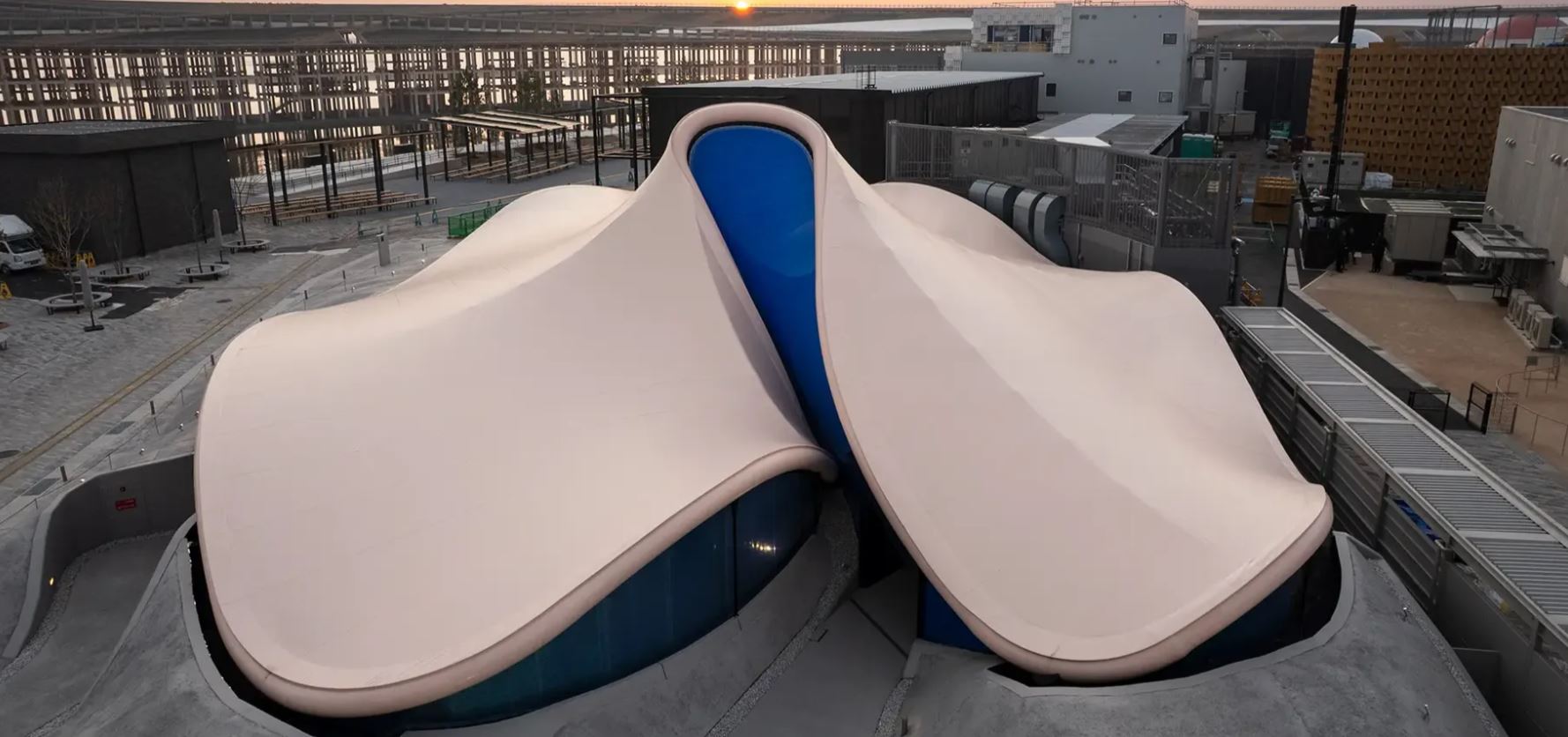
dynamic equilibrium of life

Dynamic Equilibrium of Life (Osaka, Japan) is part of the “Arts Structures” category, and specifically uses laminated bamboo and paper-tube construction

What the judging emphasised

Entries were evaluated against four core criteria:

  • Planet – environmental impact

  • People – social value

  • Process – technical innovation

  • Profession – how the project advances our discipline

This reflects a shift in our profession: engineering isn’t just about making things stand, but about making things better.

Projects such as the RAAC remediation of a hospital in Yorkshire, and the advanced carbon-fibre-hanger bridge in Germany, are examples of engineers stepping into new territory.

Why it matters

For us working in structural engineering (and especially my own business in existing building investigations, remediation and innovation), the Structural Awards provide a powerful reminder:

  • That client value increasingly means sustainability and reuse.

  • That technical ingenuity (e.g., new materials, carbon reduction) can differentiate our work.

  • That the profession’s role is evolving – engineers are not just “behind the scenes”, they are shaping how buildings and infrastructure respond to today’s climate, safety and social challenges.

Fern

Fern has no supports beneath its cantilevered neck or tail, which is a first for a dinosaur display.

Reflections from John Staves

Attending this year as Chair of IStructE Limited gave me an opportunity to connect with companies pushing boundaries, but it also reaffirmed what we at Michael Aubrey Structural Engineers value:

  • clarity of purpose
  • practical innovation, and
  • communication.

As engineers we often talk about structural integrity and load paths; these projects remind us we also need integrity in our environmental and social impact, and clear communication with clients and stakeholders.

More than anything, the event was a reminder that our profession can’t stand still. Clients expect us to keep moving forward, the environment leaves us no choice, and the industry is stronger when we continue to adapt and improve.

It was a really enjoyable evening!
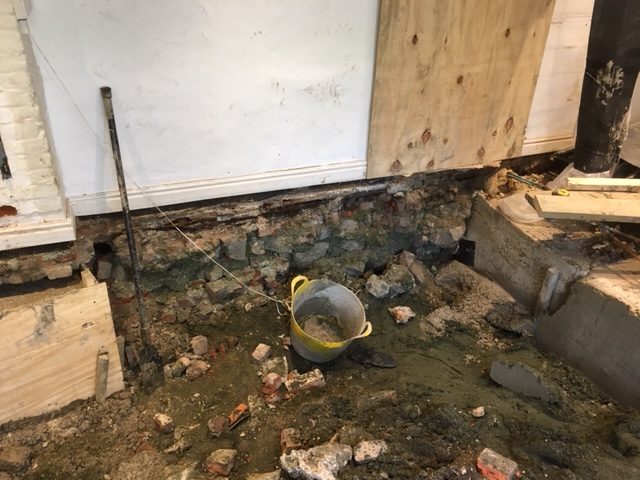
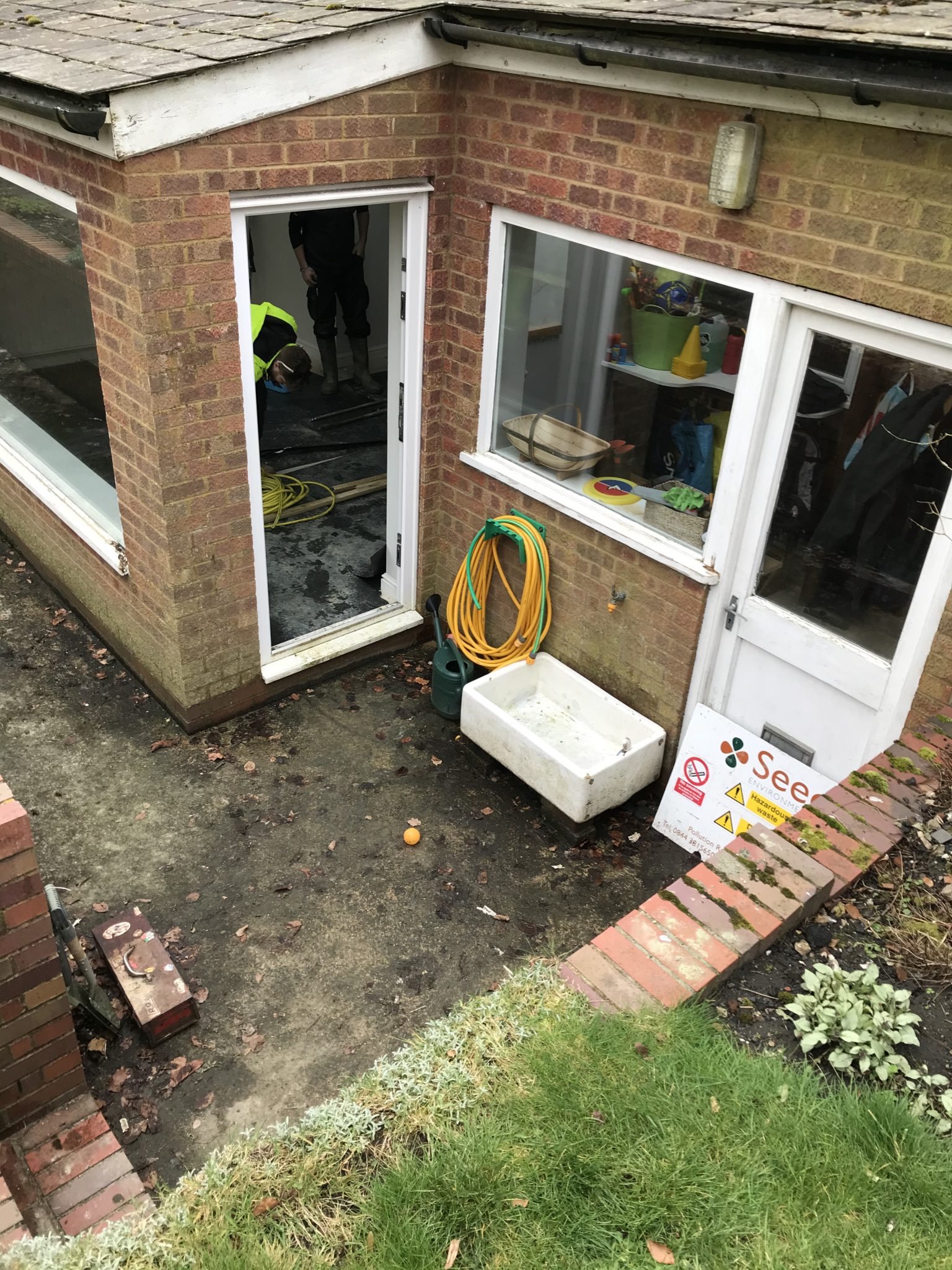
The role of a structural engineer is crucial when carrying out a structural assessment on a contaminated site due to the complex interaction between environmental hazards and structural integrity.

Contaminated sites often pose unique challenges that can significantly impact the stability and safety of existing structures.

Here’s why a structural engineer’s expertise is necessary;

1. Ensuring Structural Stability During Remediation

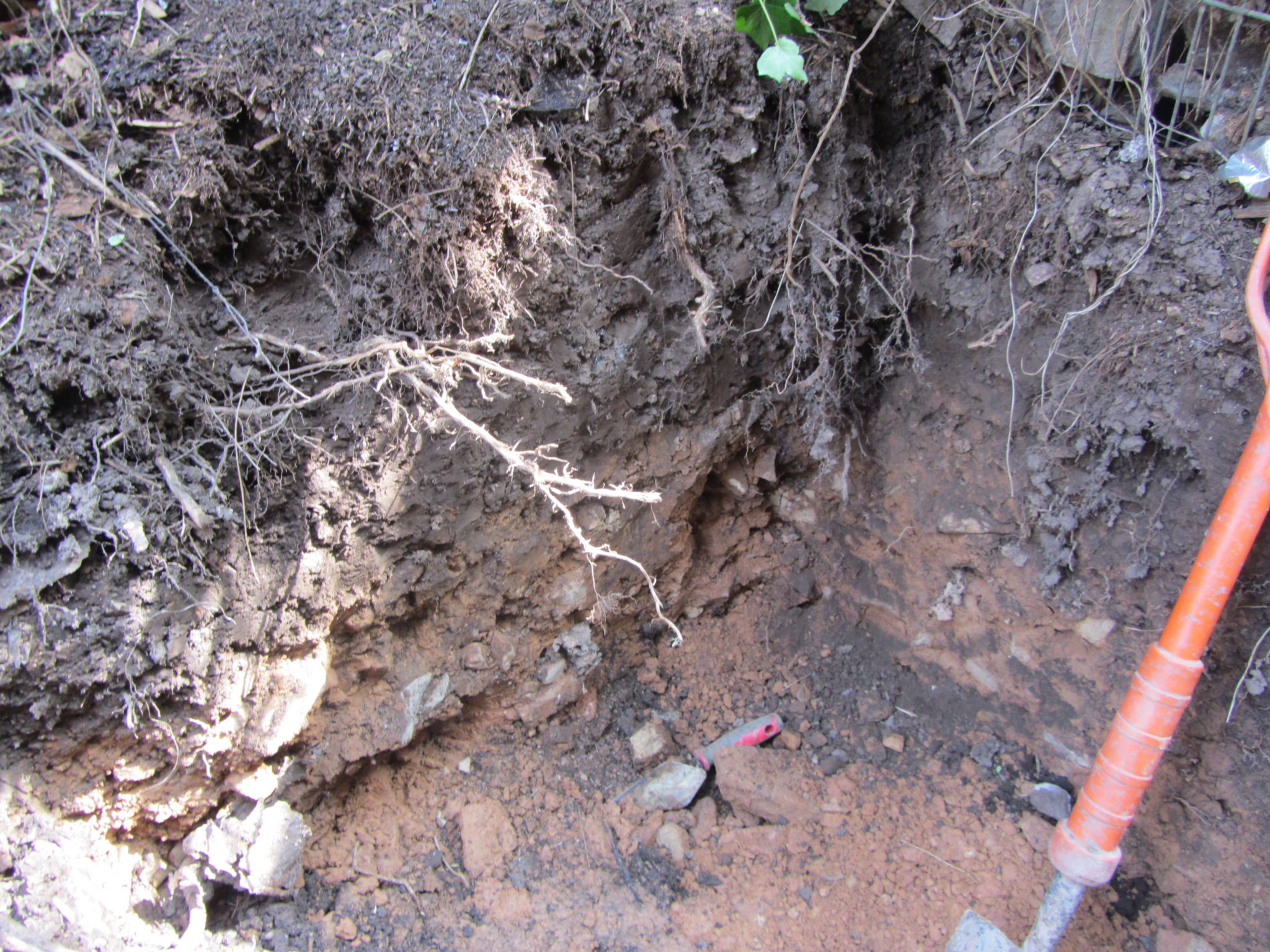
Sites contaminated by spills often require extensive remediation activities, such as soil removal, excavation, or chemical treatments, which can destabilise the ground and, consequently, the structures on it.


A structural engineer assesses the potential risks associated with these activities, ensuring that the building remains stable throughout the remediation process. 


By designing appropriate underpinning, propping, and temporary works, the engineer prevents additional damage and ensures the safety of the structure and its occupants.

2. Protecting Against the Impact of Contaminants

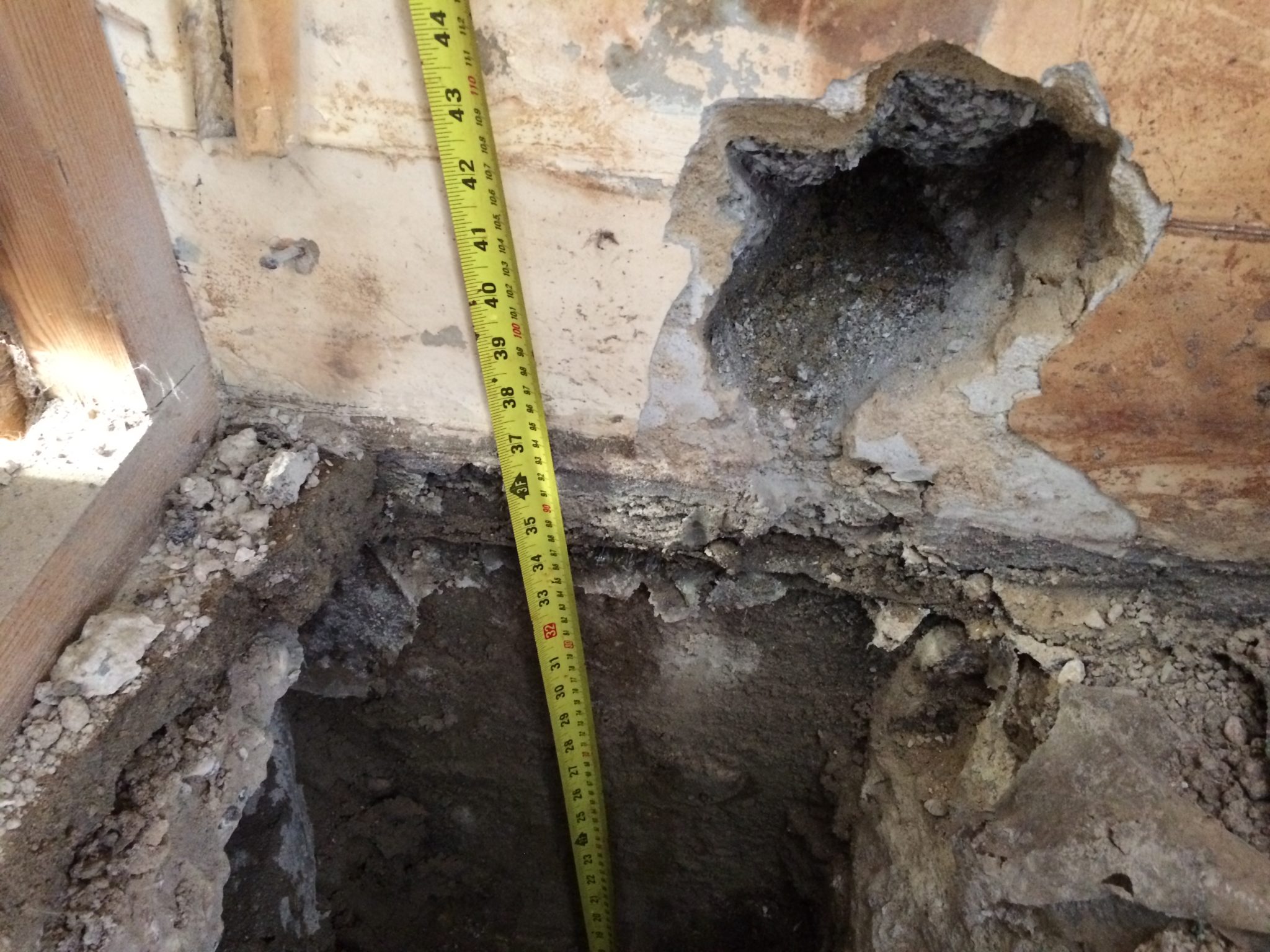
Contaminants can degrade building materials over time, leading to structural weaknesses that may not be immediately apparent.

A structural engineer evaluates how different contaminants might affect various materials, such as concrete, steel, or masonry, and recommends appropriate construction techniques and materials that are resistant to such degradation.

This foresight helps to prolong the life of the structure and reduce the likelihood of future structural failures.

3. Compliance with Regulatory Standards

Structural engineers ensure that all work on contaminated sites complies with relevant building regulations and safety standards.

This is particularly important as many remedial activities fall under the scope of Building Regulations, which govern structural safety, material quality, and construction practices.

Engineers ensure that the remediation process does not inadvertently violate these regulations, protecting the property owner from legal and financial repercussions.


4. Safeguarding Human Health and Safety

Contaminated sites often pose direct risks to human health, especially if the contamination affects indoor air quality or if structural failures occur during remediation.

Structural engineers play a vital role in minimising these risks by designing solutions that not only preserve structural integrity but also prevent the spread of contaminants. Their work ensures that buildings remain safe for occupants, contractors, and the wider community.

5. Providing Reassurance and Support

The presence of contamination in a property can be distressing for homeowners and stakeholders, who may be concerned about the safety of their buildings and the implications of the necessary work.

Suitably qualified and experienced structural engineers provide critical reassurance through their assessments, detailed reports, and clear communication.

Their expertise ensures that all parties understand the measures being taken to secure the structure, easing concerns and fostering trust in the remediation process.

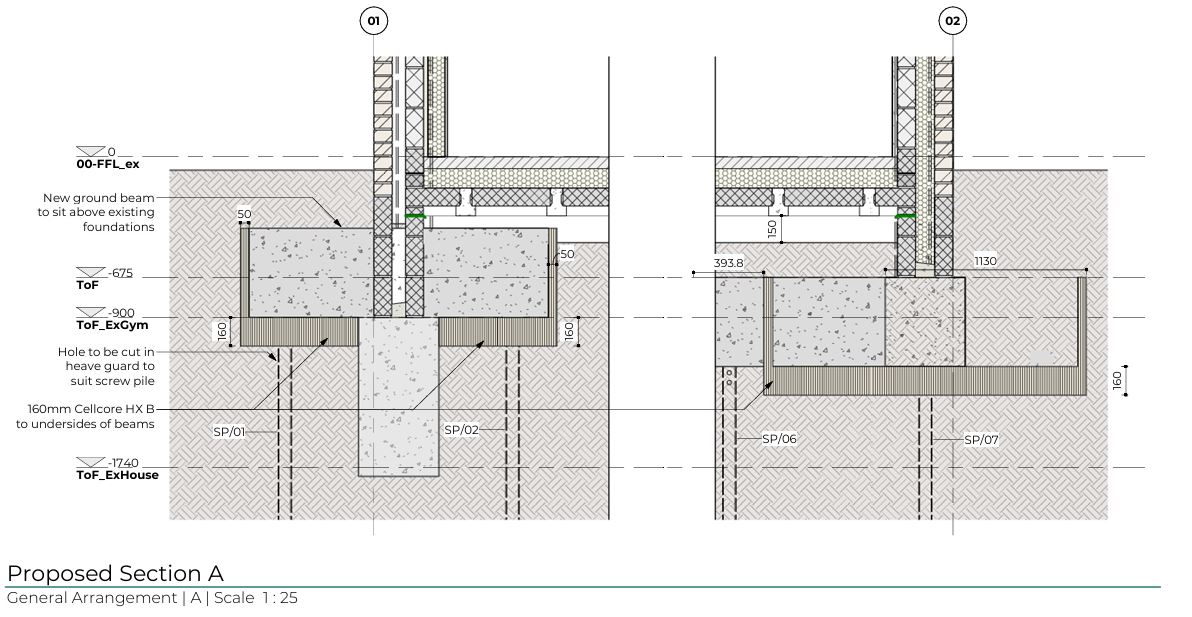
screw piles design

6. Cost-Effective Solutions

A well-thought-out structural assessment by an experienced engineer can lead to cost-effective solutions that prevent further damage and reduce the need for future repairs.

By addressing potential structural issues early in the remediation process, engineers help avoid costly delays and ensure that the project stays on budget.


Conclusion

In summary, structural engineers play an essential role in managing the unique challenges of contaminated sites. Their expertise ensures that buildings remain safe, compliant, and resilient throughout the remediation process, protecting both the property and the people involved.