What if the biggest threat to your building isn’t what you can see, but what you can’t?

You walk through the property.

  • The walls are straight
  • No cracks
  • Floors feel solid

All looks well.

So you tick the mental box “Structure, fine.”

But here’s the uncomfortable truth …..

Many structural failures don’t begin with visible signs

Many structural failures don’t begin with visible signs. They start hidden, silently corroding, shifting, or degrading out of sight.

Take reinforced concrete for example.

Steel reinforcement can rust inside perfectly smooth concrete.

Once corrosion begins, it expands and cracks the surrounding material from within. By the time you see a hairline crack? Damage is already done.

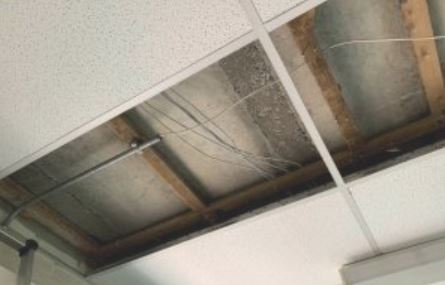
Or consider buildings with RAAC panels. To the untrained eye, they often look like any other ceiling slab. But hidden deterioration in these materials has caused sudden collapses, even in seemingly “healthy” buildings.

unseen structural issues


And it’s not just the dramatic failures.

Minor structural issues can gradually compromise safety, reduce asset value, and trigger costly emergency repairs.


Routine Structural Maintenance Inspections

Routine structural maintenance inspections are like regular health check-ups for your building.

Done proactively, they;

  • Catch hidden issues early before they become expensive problems
  • Protect tenants and users by ensuring structural safety
  • Extend the building’s usable life and performance
  • Provide reassurance for insurers, stakeholders, and auditors

Just because there’s no obvious damage doesn’t mean all is well.

Book regular inspections with a Chartered Structural Engineer who understands not just buildings but the subtle clues that precede failure.

Think of it as preventative medicine for your most valuable asset.

In the world of structures, peace of mind doesn’t come from what’s visible, it comes from a thorough assessment by a trained eye that can spot the subtle, hidden clues others miss.

At Michael Aubrey Structural Engineers, we are proud to introduce a groundbreaking solution for the UK’s RAAC (Reinforced Autoclaved Aerated Concrete) crisis.

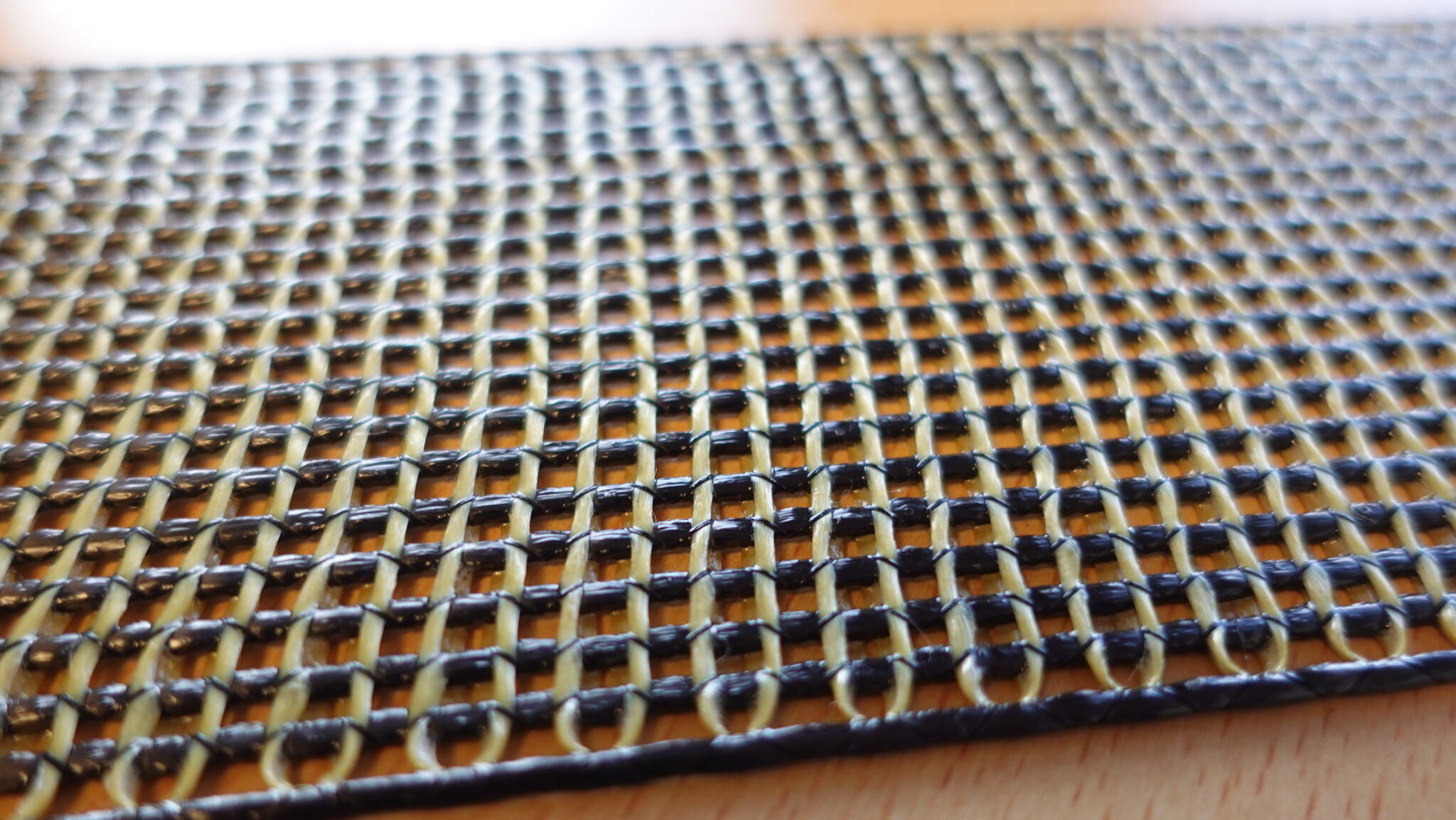
In a UK first, our team has developed and successfully delivered an in-situ repair method for RAAC panels using Carbon Fibre Reinforced Polymer (CFRP) technology – a material more commonly used in aerospace and automotive industries.

Until now, repairing RAAC meant expensive, disruptive demolition or full roof replacement.

By returning to first principles, our engineers have adapted CFRP to strengthen RAAC panels directly, without the need to vacate the building.

“This was uncharted territory,” says John Staves CEng FIStructE, Managing Director. “The Eurocode standards didn’t cover this solution – but through rigorous engineering, testing, and validation, we made it work.”

The benefits are clear:

  • No demolition required
  • Minimal disruption to occupants
  • Cost-effective, scalable, and safe

Already successfully implemented with Network Rail, this pioneering system gives councils, schools, hospitals, and public bodies a practical way to restore building safety without the huge cost or disruption of traditional methods.

This is engineering innovation at its best – providing real solutions for hundreds of at-risk buildings across the UK.


Do you have a building that has been affected by RAAC?  Call us today 0118 962 9666 and we’ll see if we can help you.

The Challenge

How could the raac panels be strengthened in situ while maintaining the building’s operations?

Reinforced Autoclaved Aerated Concrete (RAAC)

In September 2023, the issue of Reinforced Autoclaved Aerated Concrete (RAAC) came to the forefront of public attention. 


RAAC, a material widely used in construction during the 1960s, 70s, and 80s, was found to have significant structural vulnerabilities.

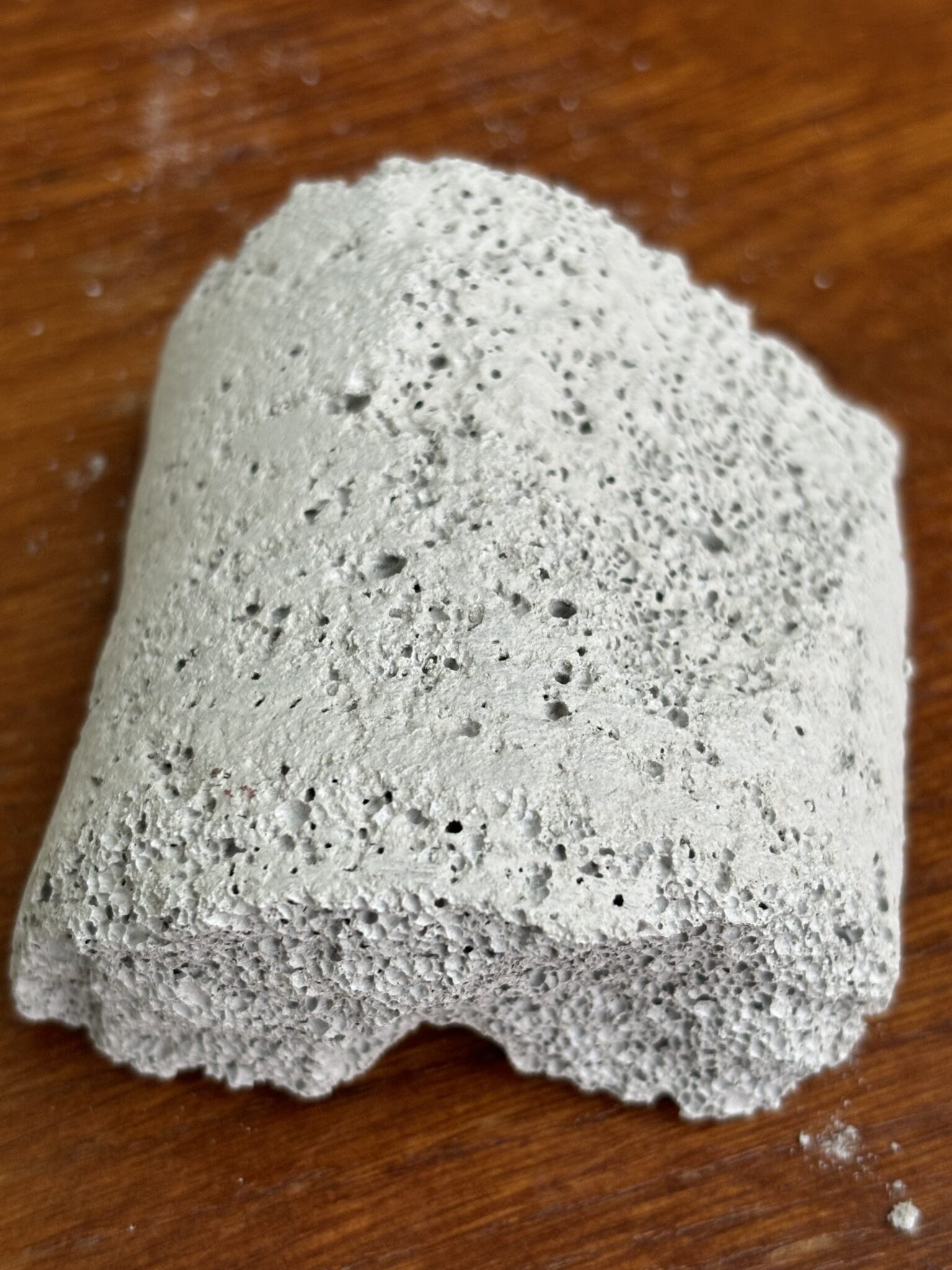
In this image, you can clearly see the porous, bubbly texture of RAAC. These air pockets—originally intended to reduce weight—create direct pathways for moisture ingress.

Over time, this allows water to penetrate through the material, reaching and corroding the embedded steel reinforcement. As the reinforcement corrodes, it expands, compromising the structural integrity of the element and increasing the risk of sudden failure, often without visible warning signs.


RAAC Audits

This was highlighted when schools began failing inspections, leading to closures. Subsequently, other large public organisations, including Network Rail and NHS, initiated audits of their facilities to assess the extent of the problem.

RAAC inspection

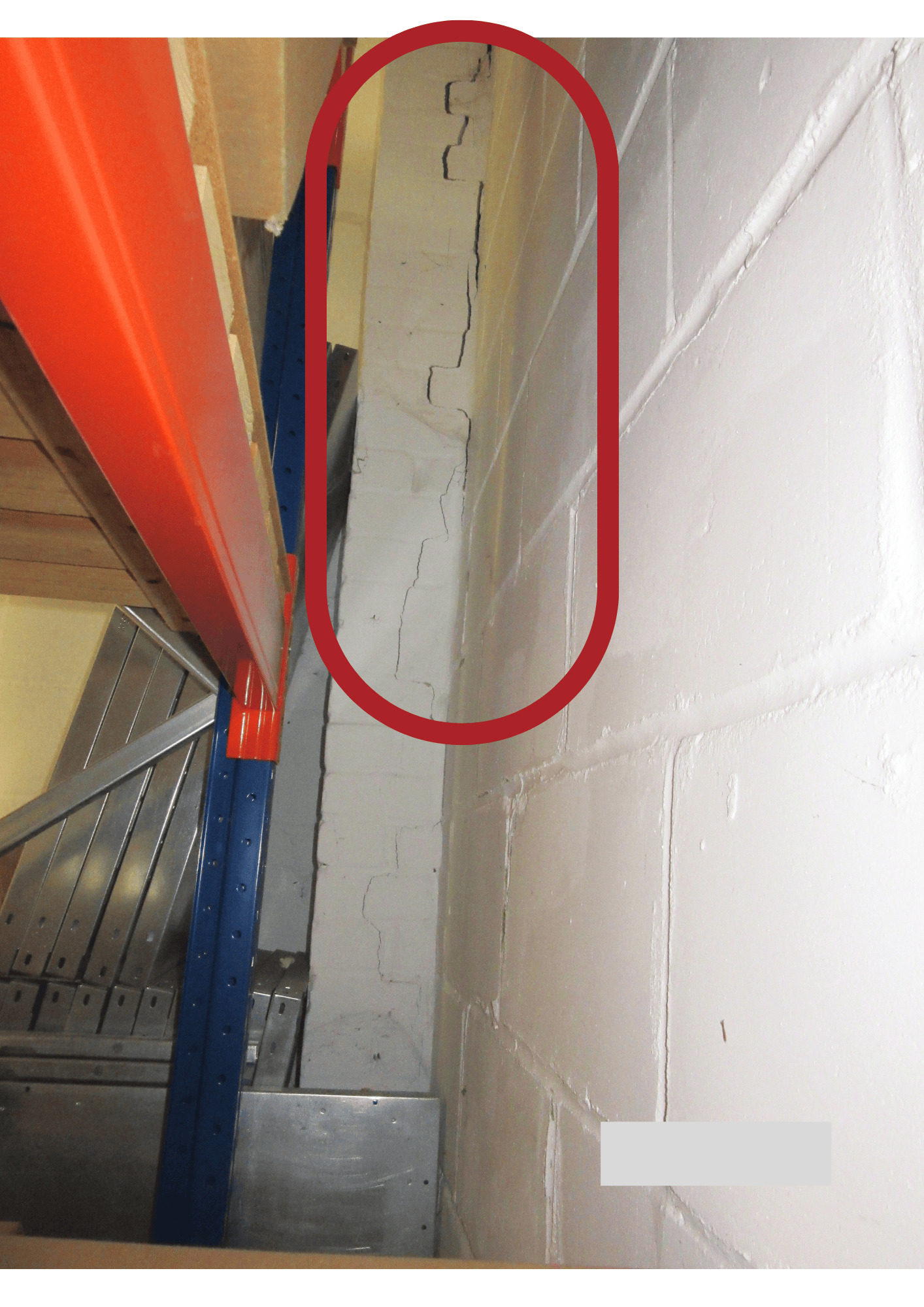
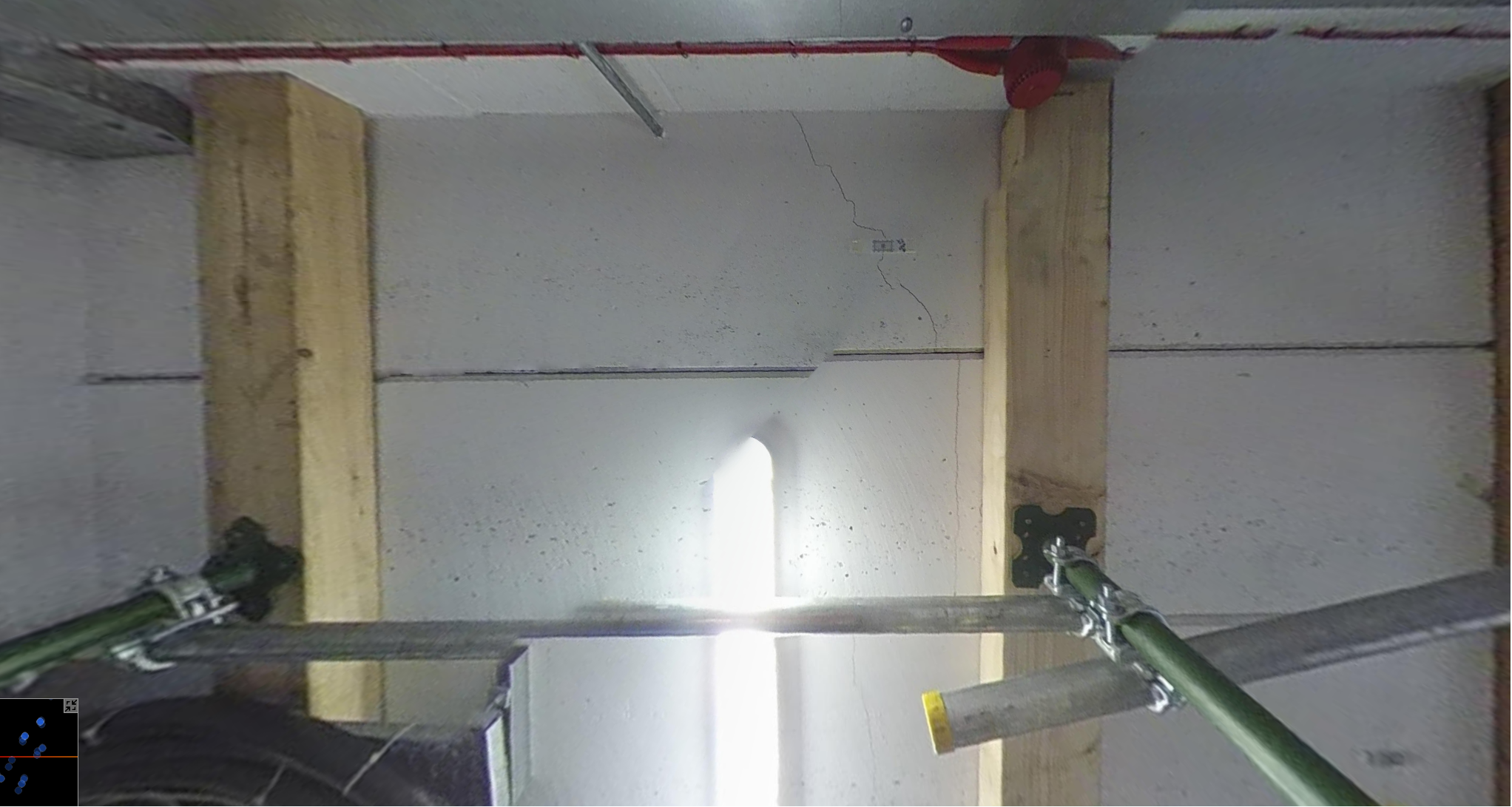
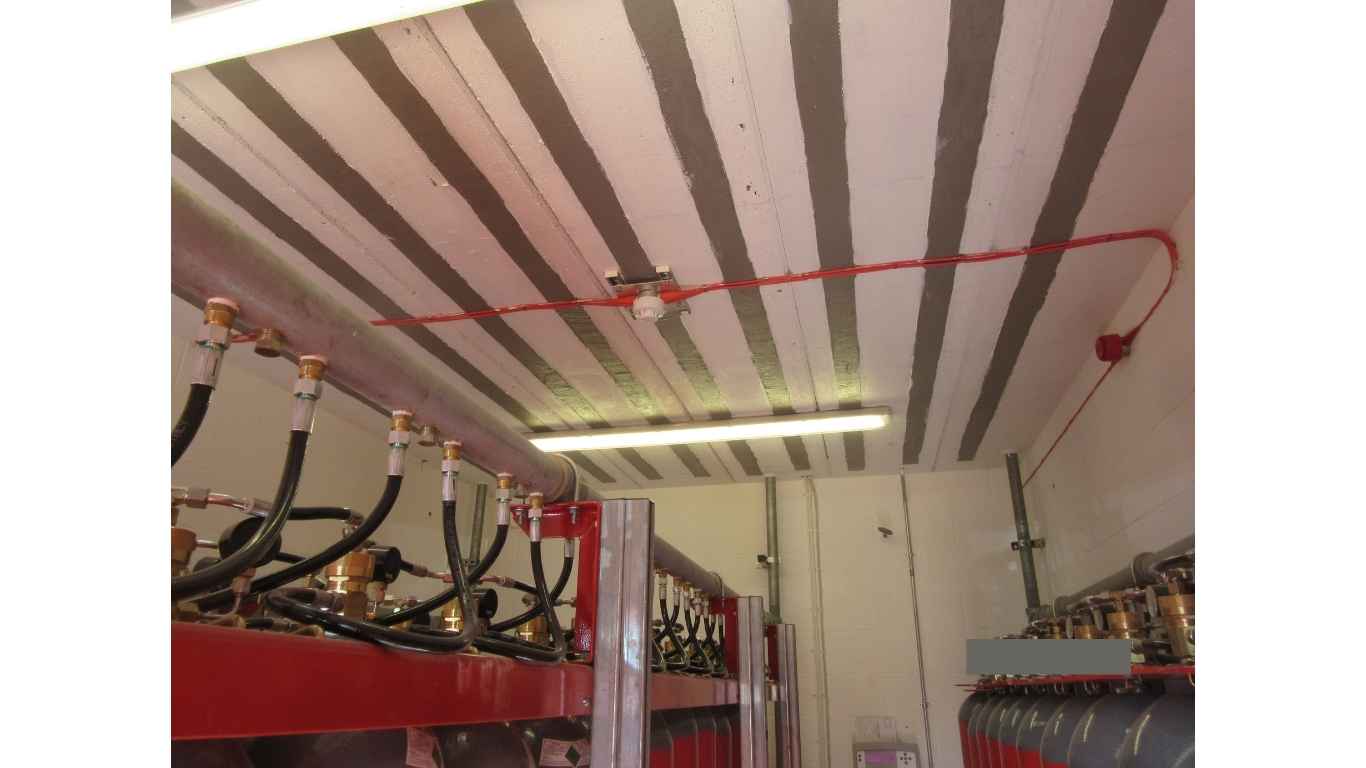
One such facility, a single-story building within a larger warehouse structure, was found to have RAAC panels used as ceilings for certain rooms. These panels had developed visible cracking on their underside, with cracks measuring up to 3mm wide in some areas.

racc ceiling cracking

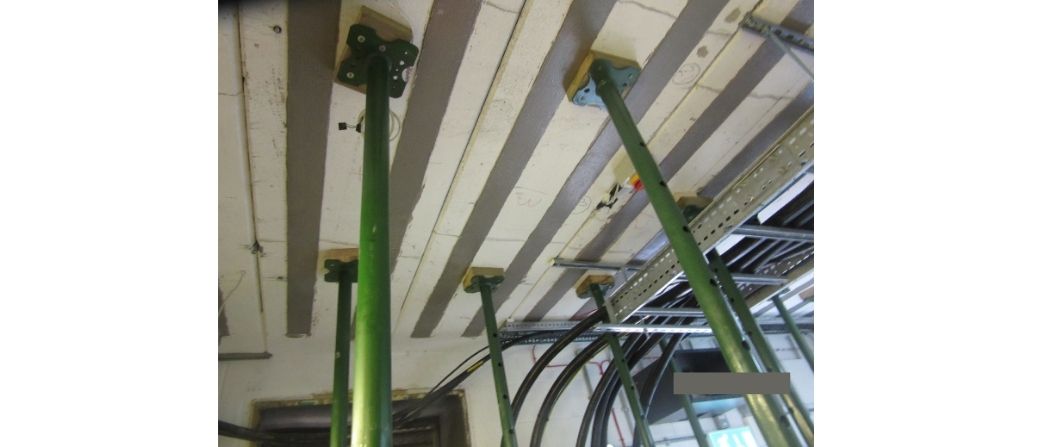
Props And Scaffolding To Stabilise The Structure

Temporary measures, such as the installation of props and scaffolding, were put in place to stabilise the structure. However, these solutions were inconvenient and disrupted the building’s critical operations.

The building housed essential infrastructure, making it impossible to remove the RAAC panels without significant disruption.

The challenge was clear:

How could the raac panels be strengthened in situ while maintaining the building’s operations?

The Solution

As one of the UK leading experts in structural engineering solutions for RAAC panels we were appointed to design an innovative solution using Carbon Fibre Reinforced Polymer (CFRP) to strengthen the RAAC panels.

This approach was cutting-edge, as CFRP application to RAAC fell outside the scope of existing Eurocodes for concrete.

Eurocode 2 - Design of Concrete stuctures

BS EN 1992 Part 1:2004 (Eurocode 2) for UK construction

Back To First Principles And Rigorous Testing

RAAC’s inherent weakness—falling below the minimum strength required by the codes—meant our team had to justify the solution using first principles and rigorous testing.

We approached the problem with true engineering expertise!

Using first principles, we analysed the behaviour of the reinforced planks and identified the critical elements that required strengthening. On-site testing was conducted to verify the design and ensure its feasibility. This meticulous process allowed us to develop a bespoke CFRP strengthening solution that could be implemented with minimal disruption to operations.

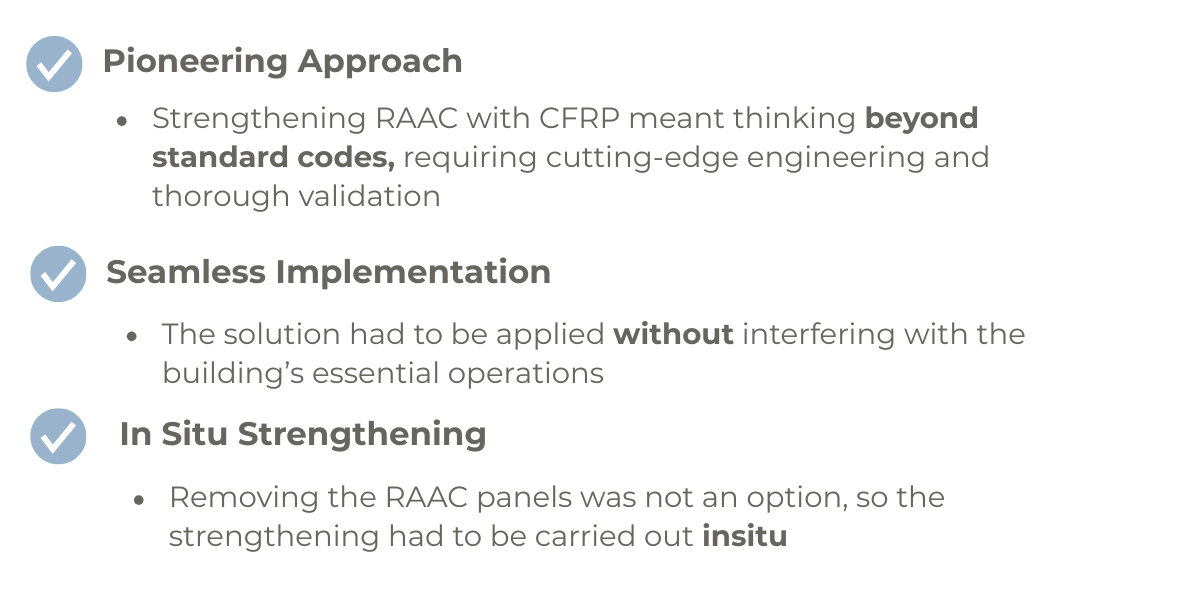
raac challenges

Results

The CFRP solution was successfully installed, and the temporary props were removed. The building’s operations continued uninterrupted, and the strengthened panels are now performing adequately.

This project not only demonstrated Michael Aubrey Structural Engineer’s ability to push the boundaries of engineering but also provided a replicable solution for similar challenges across other facilities.

RAAC repair solutions

Conclusion

This project highlights our commitment to true engineering innovation.

By stepping beyond standard codes and applying first-principles thinking, we delivered a cutting-edge engineering solution that solved a critical problem.

Our expertise and collaborative approach with Network Rail’s project and asset engineers ensured the success of this complex project.

If your organisation is facing challenges with RAAC or other structural issues, Michael Aubrey Structural Engineers is here to provide innovative, bespoke solutions.

Contact us today to learn more.

  • support@mapl.co.uk
  • t. 0118 962 9666

John Staves CEng FIStructE MIoD

Managing Director

Chartered Structural Engineer


John staves


John Staves is a highly respected Chartered Structural Engineer with extensive expertise in structural assessment, investigation, and design.

He has held key leadership roles within the industry, including past Vice President of the Institution of Structural Engineers (IStructE) and various advisory positions shaping best practices in the field.

John is renowned for his innovative approach to solving complex engineering challenges, from pioneering reinforcement solutions for RAAC structures to delivering robust designs for diverse building projects.

His expertise spans forensic engineering, structural safety, and the application of advanced materials for strengthening and refurbishment. With a meticulous, first-principles approach, he ensures practical, efficient, and future-proofed solutions for clients across the built environment.


The Team


ISO 9001


RAAC Panels – The Silent Threat Lurking Above

In the world of construction, some dangers are concealed, lurking high above our heads.

Reinforced Autoclaved Aerated Concrete (RAAC) panels, once hailed for their thermal efficiency and fire resistance, have now become a cause for concern.

Today, I’m sitting down with our Managing Director, John Staves, to shed light on the risks associated with RAAC panels and discuss potential solutions for those who find themselves in the shadow of this hidden peril.

RAAC inspection

A Relic from the Past

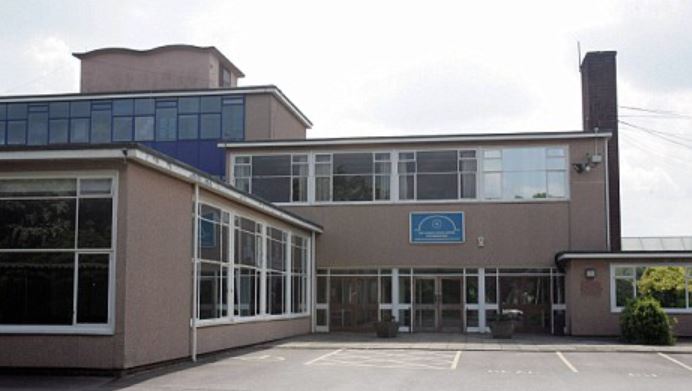
RAAC panels emerged as a construction method of choice during the 1960’s and 1970’s primarily used in public buildings like schools, hospitals, and corporate structures. These panels found their niche as roofing materials due to their lightweight nature and excellent fire-resistant properties.

The Singlewell Primary Wake-Up Call

The alarm bells began to ring when part of the ceiling at Singlewell Primary School in Kent collapsed on a weekend in 2018. Thankfully, no one was harmed, but this incident underscored the urgent need for action in dealing with the potential dangers of RAAC.


Unseen and Unaware

Many schools and building owners remain blissfully unaware that RAAC panels make up their roofs. The general assumption that concrete roofs are structurally sound has left these hidden time bombs unchecked.

The crisis we face today is partly due to the prolonged use of RAAC panels and inadequate maintenance over the years.

RAAC Concrete panels. Image credits: New Civil Engineer


The Silent Threat

RAAC panels are not like typical concrete structures that give warning signs of impending failure through stress cracks. Instead, they are highly porous, prone to deflections, cracks, and structural weaknesses. Failure in RAAC panels can be attributed to various factors, including manufacturing defects, suboptimal original designs, and moisture ingress.

The Role of Moisture Ingress

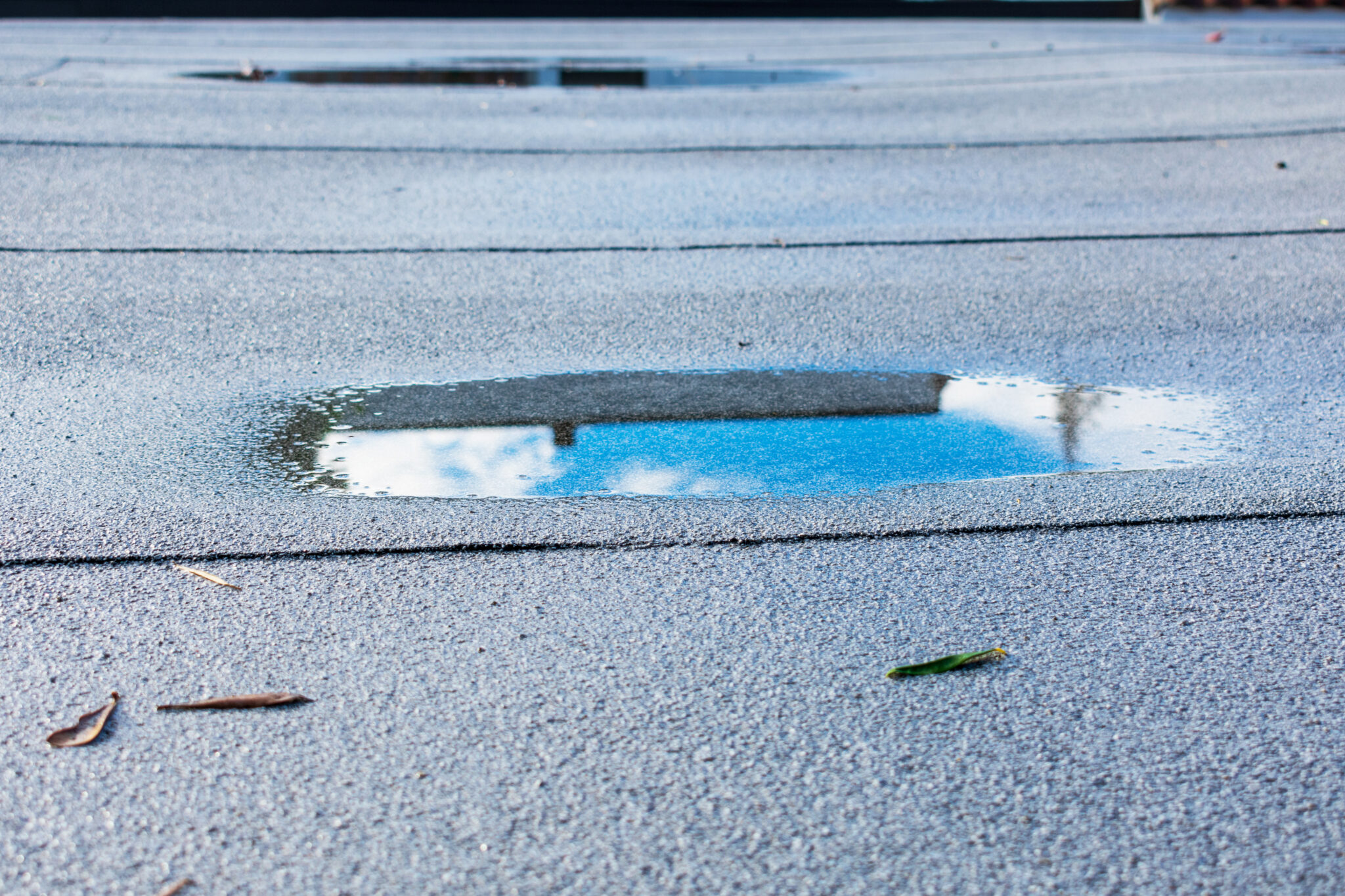
Moisture ingress is a particularly insidious problem with RAAC panels, especially when they serve as roofing material. Over time, weatherproof membranes, such as asphalt, deteriorate, allowing moisture to infiltrate the panels. This moisture corrodes the reinforcement within, weakening the bond with the concrete and eventually leading to failures in the panels.

Identifying RAAC Panels

To determine if a building contains RAAC panels, a visual inspection is the first step. Competent structural engineers look for telltale signs such as panel width, span, and edge details. If suspicions persist, core sampling can be employed to confirm the presence of RAAC.

The Next Steps

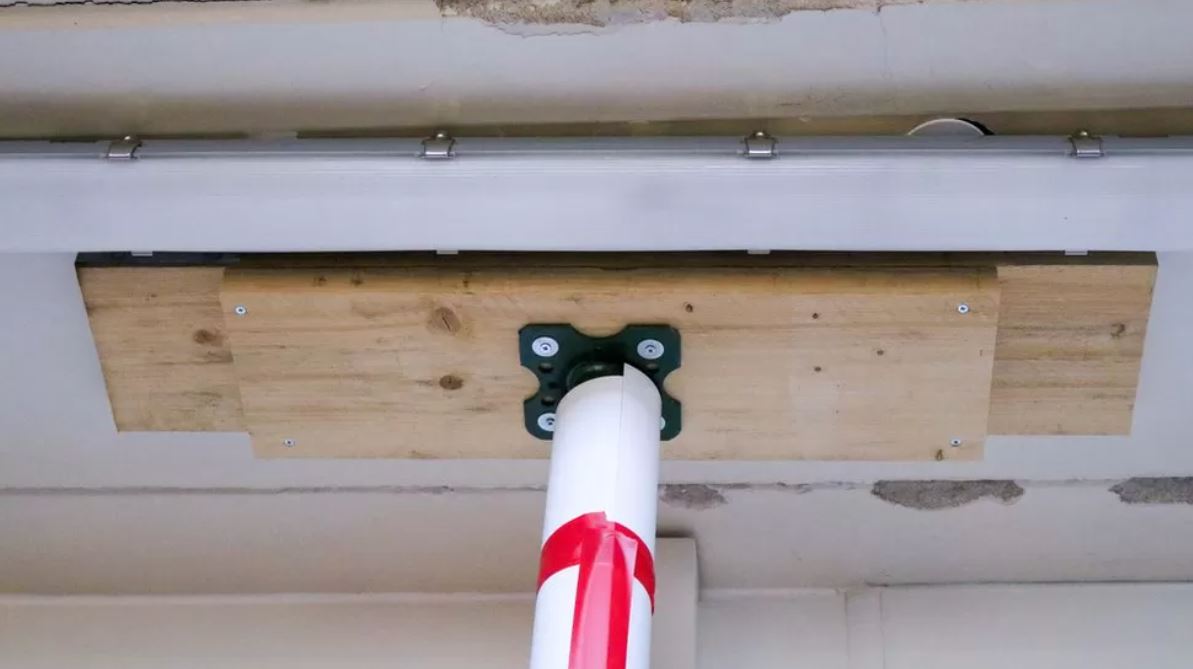
If RAAC is confirmed, immediate actions are crucial. Affected areas should be cordoned off, and temporary propping may be necessary to prevent collapse. Depending on the severity, options include the removal and replacement of panels or the addition of a new structural layer beneath them.

The priority is to ensure the safety of the occupants below.


Ceiling support at Queen Elizabeth Hospital in King’s Lynn, Norfolk


Strengthening Bearing Support

Another consideration is reinforcing the bearing points to alleviate stress on the RAAC panels. This can involve extending support to where the reinforcement lies within the panels.

Seeking Guidance

For those grappling with RAAC-related concerns, the Department of Education has issued a guidance document in 2022, updated in August 2023, titled “Reinforced Autoclaved Aerated Concrete (RAAC): Identification guidance.” This resource provides valuable information for identifying and addressing RAAC-related issues.

Conclusion

In conclusion, RAAC panels are a hidden danger that can fail without warning. Awareness and proactive inspections are essential to ensure the safety of occupants in buildings constructed with RAAC panels. By following guidelines and seeking expert advice, we can mitigate the risks associated with this silent threat that looms above our heads. Your safety and the structural integrity of your building depend on it.

Do you suspect RAAC in your building? Contact us for expert advice

Contact Me