5 Reasons to Work for a Small Structural Engineering Consultancy

When considering your next career move as a structural engineer, bigger isn’t necessarily better. Small consultancies can offer opportunities that are difficult to replicate in larger organisations – particularly for engineers who want responsibility, variety and the chance to develop beyond pure design work.

Here are five reasons why.

1. Learn directly from experienced engineers

In a smaller consultancy, there are fewer layers between you and the most experienced people in the business.

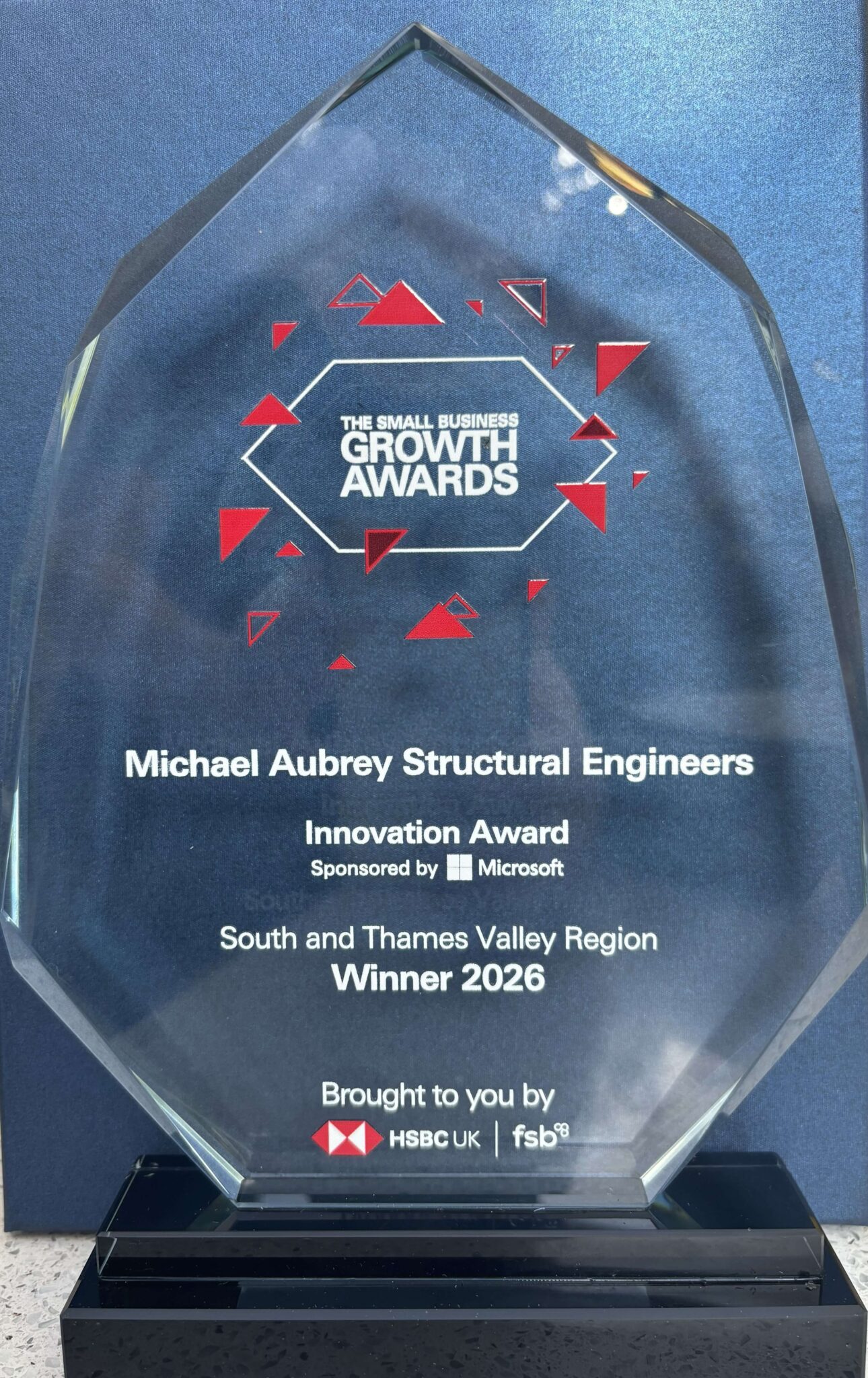
At Michael Aubrey Barrow, that means the opportunity to work directly alongside highly experienced engineers, including a former Vice President of the Institution of Structural Engineers, within an innovation award-winning practice.

It’s not just about learning calculations or codes. Working closely with experienced engineers on complex existing buildings, investigations and expert witness work develops something harder to teach: engineering judgement.

2. Develop through a genuine breadth of work

It can be easy to become specialised very early in a large organisation. Smaller consultancies often provide much greater variety.

Our engineers can find themselves working on commercial refurbishments, office-to-residential conversions, defect investigations, RAAC, expert witness projects, existing buildings and architecture-led structural design.

That breadth of experience keeps the job interesting – but, more importantly, can accelerate your development into a well-rounded engineer.
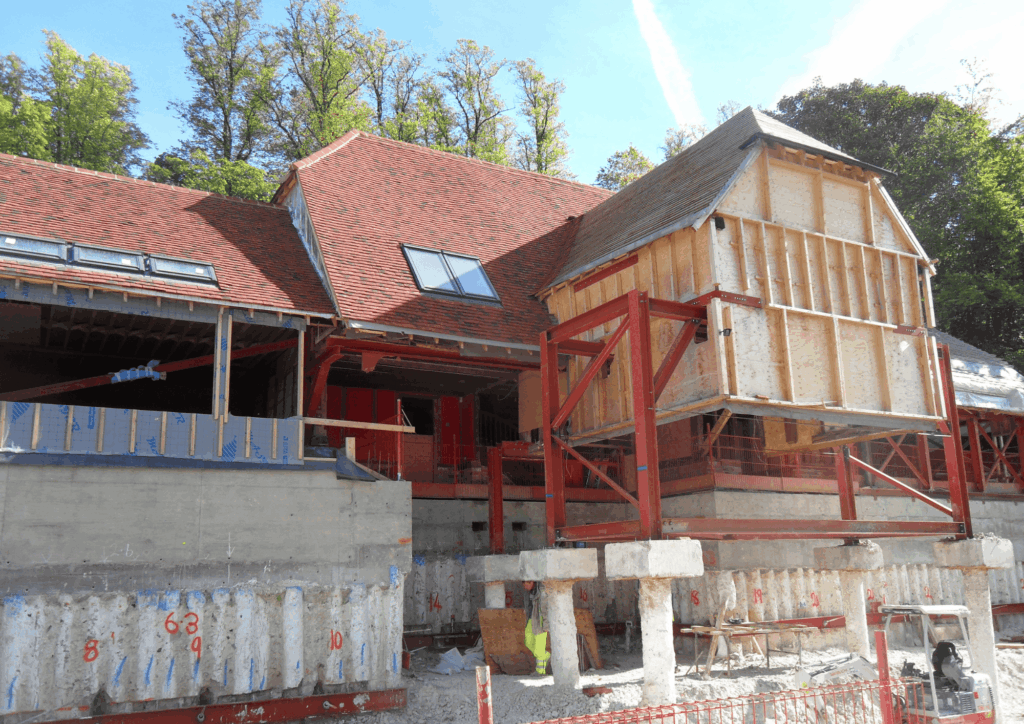
Small Structural Engineering Consultancy

3. Take real responsibility earlier

Small teams rely on everyone making a meaningful contribution.

That can mean leading client meetings, managing your own projects, visiting sites and making engineering decisions much earlier than might be possible within a large corporate structure.

There are fewer places to hide – but also far more opportunities to shine.

4. Learn the business, not just the engineering

A successful consultancy needs more than good calculations.

Working in a smaller practice gives you exposure to clients, architects, surveyors and contractors, as well as fees, proposals, networking and winning new work.

You might attend a networking event, help develop a client relationship or contribute to a new business opportunity. For engineers who ultimately want to lead projects, teams or businesses, that commercial experience is invaluable.

5. Be visible – and help shape the future

In a small company, your contribution gets noticed. Good ideas don’t have to travel through layers of management before something happens.

You can influence how projects are delivered, how the practice develops and, as your career progresses, take on increasing responsibility and leadership.

For an ambitious engineer, that visibility can create opportunities that go well beyond the conventional career ladder.

chartered structural engineer

And, as it happens, we’re currently recruiting!

Michael Aubrey Structural Engineers is looking for a structural engineer who is approaching or has recently achieved Chartership.

If you’re looking for more than simply your next engineering job if you want;

  • greater responsibility
  • direct access to experienced engineers
  • genuinely varied projects and
  • the opportunity to play a visible part in the future of a practice

– we’d like to hear from you. Simply email us at hr@mapl.co.uk

A smaller consultancy can offer a bigger opportunity. Could Michael Aubrey Structural Engineers be your next move?

A big thank you to Sara Davies MBE for taking the time to meet with us this week as part of our prize for winning HSBC UK’s National Innovation Award.

The mentoring session was a great opportunity to discuss our journey, our award-winning RAAC strengthening solution, and our plans for the future. It was also helpful to gain Sara’s perspective on innovation, business growth and taking new ideas to market.

We’re grateful for her time, encouragement and the practical advice she shared.

Thanks again, Sara – we really appreciate your support.

P.S. We did try to grab a screenshot of the call… but technology had other ideas!

To read more about the awards click here.

In-Situ RAAC Repairs

RAAC Repair

Winning the Innovation Award at the HSBC / FSB Small Business Growth Awards last night was a proud moment for our team but more importantly, it reflects the growing need to solve a very real and pressing challenge across the UK: RAAC (Reinforced Autoclaved Aerated Concrete).

RAAC has become a significant concern in many buildings, raising questions around safety, disruption, and cost. Traditional approaches often lean towards extensive intervention or even demolition. But in live environments, schools, hospitals, and commercial buildings, that’s rarely practical.

Our focus has been different.

Rather than removing the problem entirely, we’ve developed an in-situ RAAC repair solution using FRP (Fibre Reinforced Polymer). This approach allows structures to be strengthened without demolition, reducing both cost and disruption while keeping buildings operational.


RAAC solution


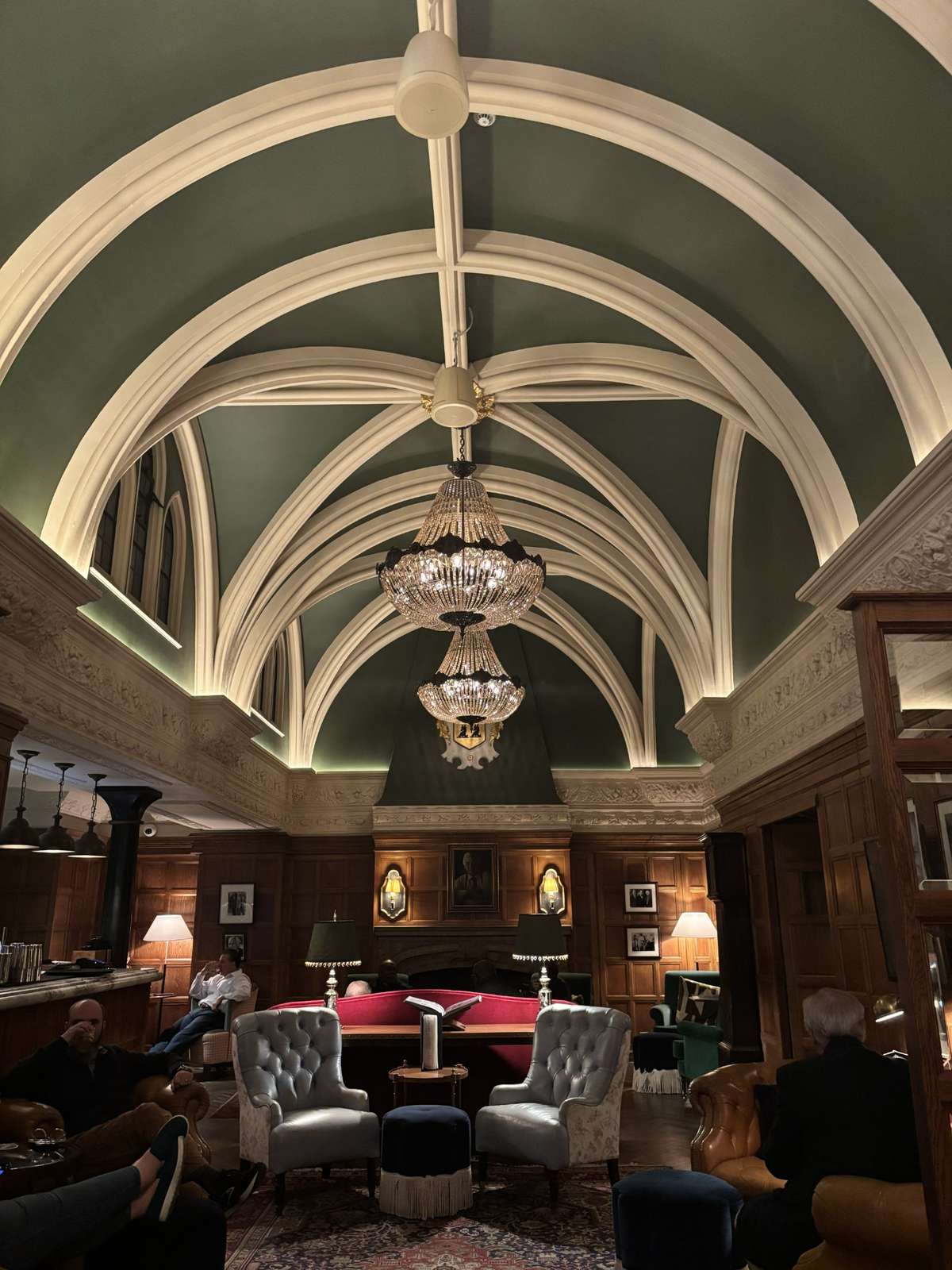
awards hotel


This is where innovation matters most, not in theory, but in application. It’s about taking a complex structural issue and finding a way to make it workable in the real world, on real projects, with real constraints.

The success of this solution is down to the team behind it. It’s taken a combination of technical expertise, creative thinking, and persistence to bring it from concept to practical use on site.

Recognition from HSBC and the Federation of Small Businesses is hugely appreciated but the real reward is seeing this approach being used to make buildings safer, more efficiently.

As RAAC continues to present challenges, the industry needs solutions that are not just innovative but deliverable.

This year’s Structural Awards from The Institution of Structural Engineers (IStructE) once again brought together the brightest and most visionary structural engineering projects from around the globe – and John Staves, our Managing Director was delighted to attend in his role as Chair of IStructE Limited.

A spotlight on excellence

The 2025 shortlist encompasses 34 extraordinary projects, spanning continents and disciplines. From art-installations crafted in bamboo and paper-tube to major transport hubs, to remediation of ageing infrastructure, what stands out is how structural engineering is embracing a broader purpose: sustainability, social value, and innovation.

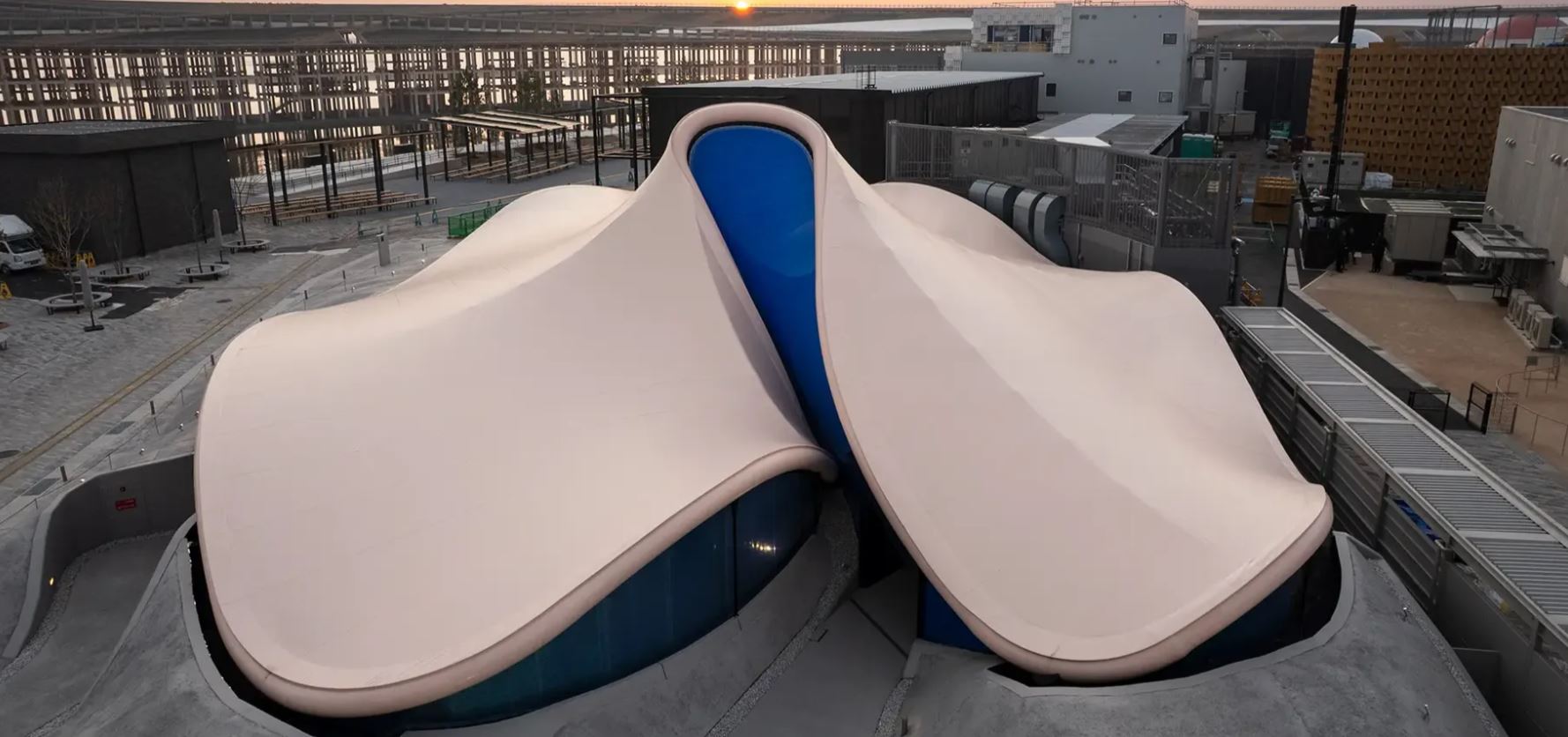
dynamic equilibrium of life

Dynamic Equilibrium of Life (Osaka, Japan) is part of the “Arts Structures” category, and specifically uses laminated bamboo and paper-tube construction

What the judging emphasised

Entries were evaluated against four core criteria:

  • Planet – environmental impact

  • People – social value

  • Process – technical innovation

  • Profession – how the project advances our discipline

This reflects a shift in our profession: engineering isn’t just about making things stand, but about making things better.

Projects such as the RAAC remediation of a hospital in Yorkshire, and the advanced carbon-fibre-hanger bridge in Germany, are examples of engineers stepping into new territory.

Why it matters

For us working in structural engineering (and especially my own business in existing building investigations, remediation and innovation), the Structural Awards provide a powerful reminder:

  • That client value increasingly means sustainability and reuse.

  • That technical ingenuity (e.g., new materials, carbon reduction) can differentiate our work.

  • That the profession’s role is evolving – engineers are not just “behind the scenes”, they are shaping how buildings and infrastructure respond to today’s climate, safety and social challenges.

Fern

Fern has no supports beneath its cantilevered neck or tail, which is a first for a dinosaur display.

Reflections from John Staves

Attending this year as Chair of IStructE Limited gave me an opportunity to connect with companies pushing boundaries, but it also reaffirmed what we at Michael Aubrey Structural Engineers value:

  • clarity of purpose
  • practical innovation, and
  • communication.

As engineers we often talk about structural integrity and load paths; these projects remind us we also need integrity in our environmental and social impact, and clear communication with clients and stakeholders.

More than anything, the event was a reminder that our profession can’t stand still. Clients expect us to keep moving forward, the environment leaves us no choice, and the industry is stronger when we continue to adapt and improve.

It was a really enjoyable evening!

When thousands of UK buildings were found to contain a dangerous material, demolition was widely seen as the only answer, we believed there had to be a better solution.

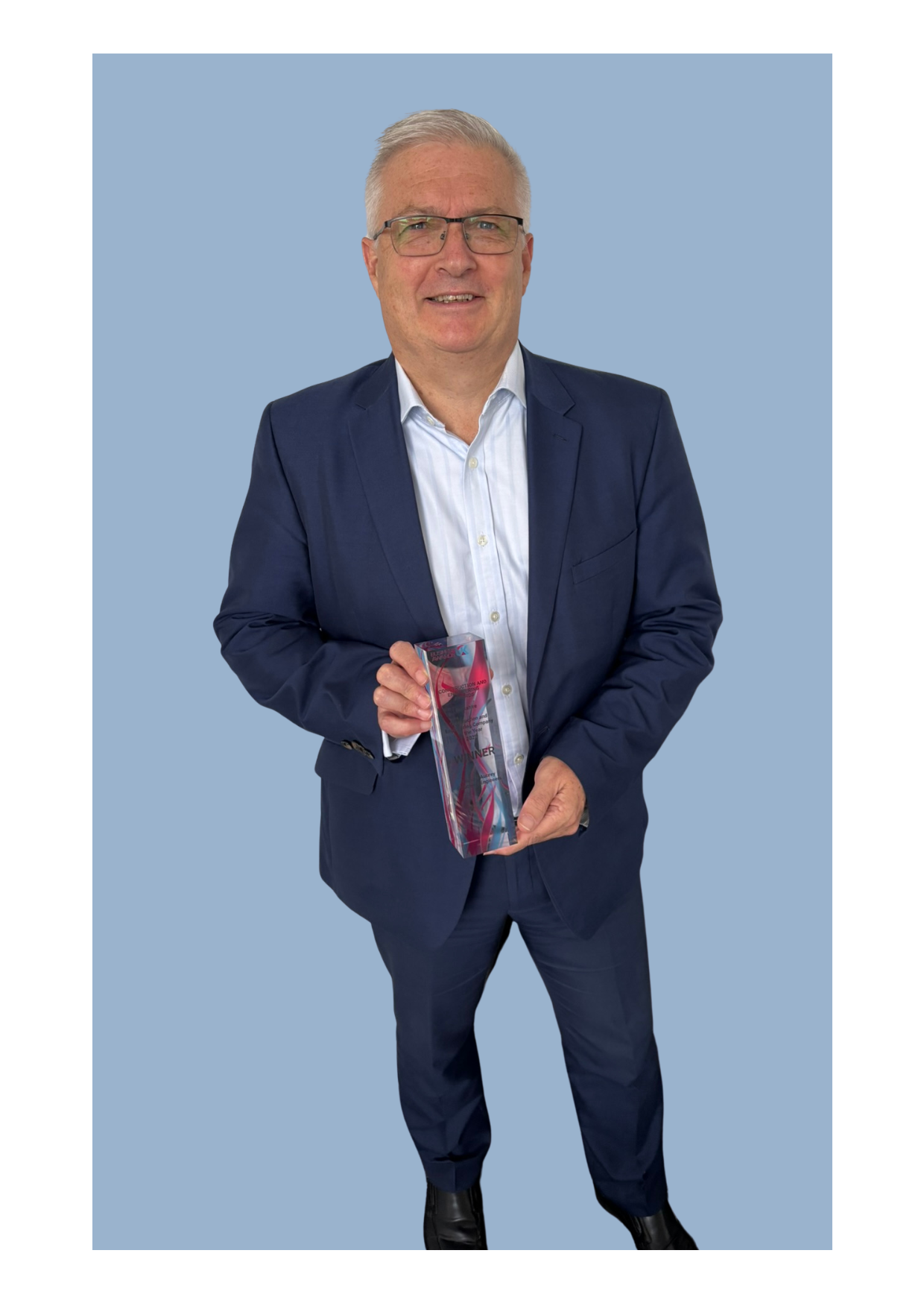
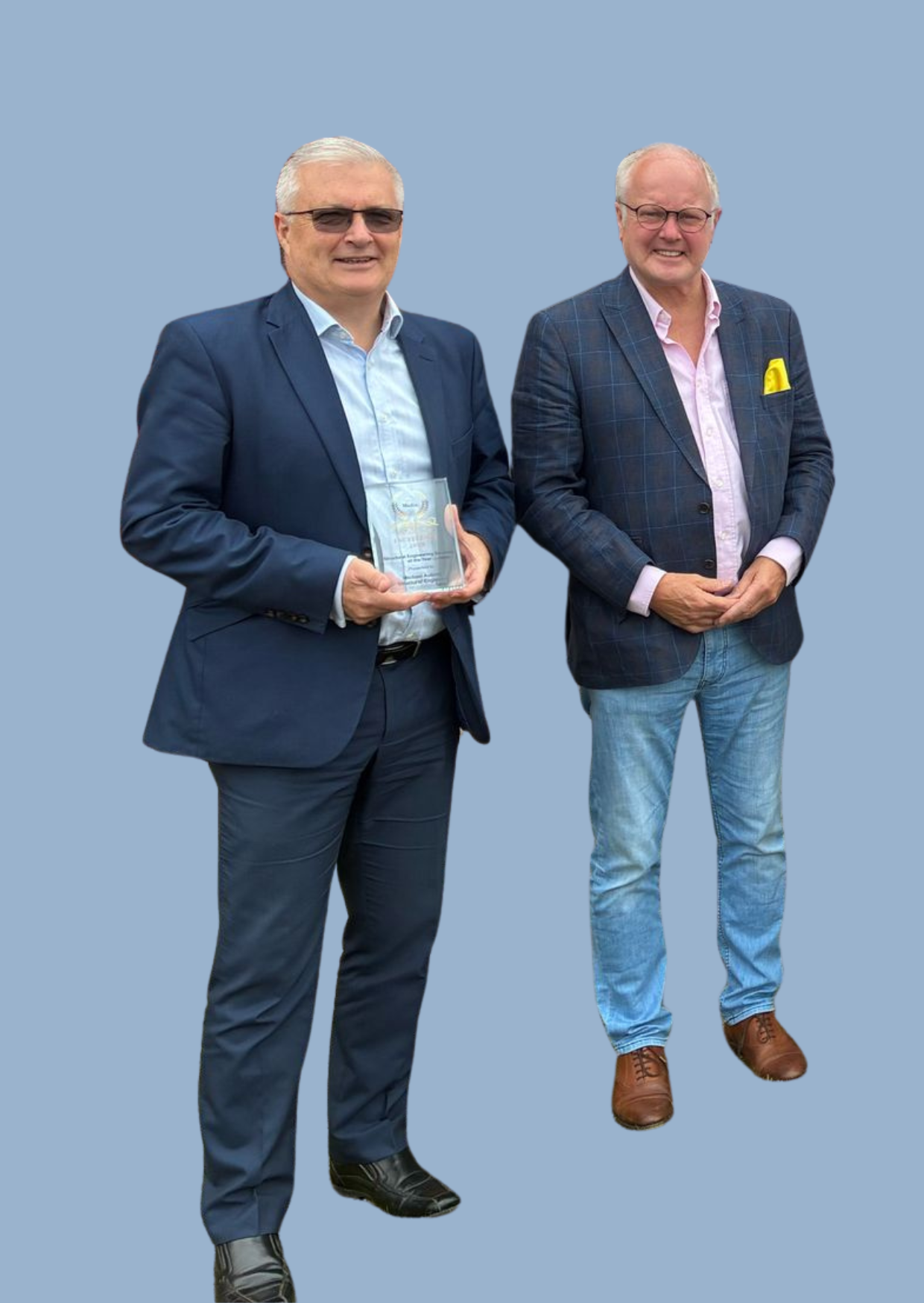
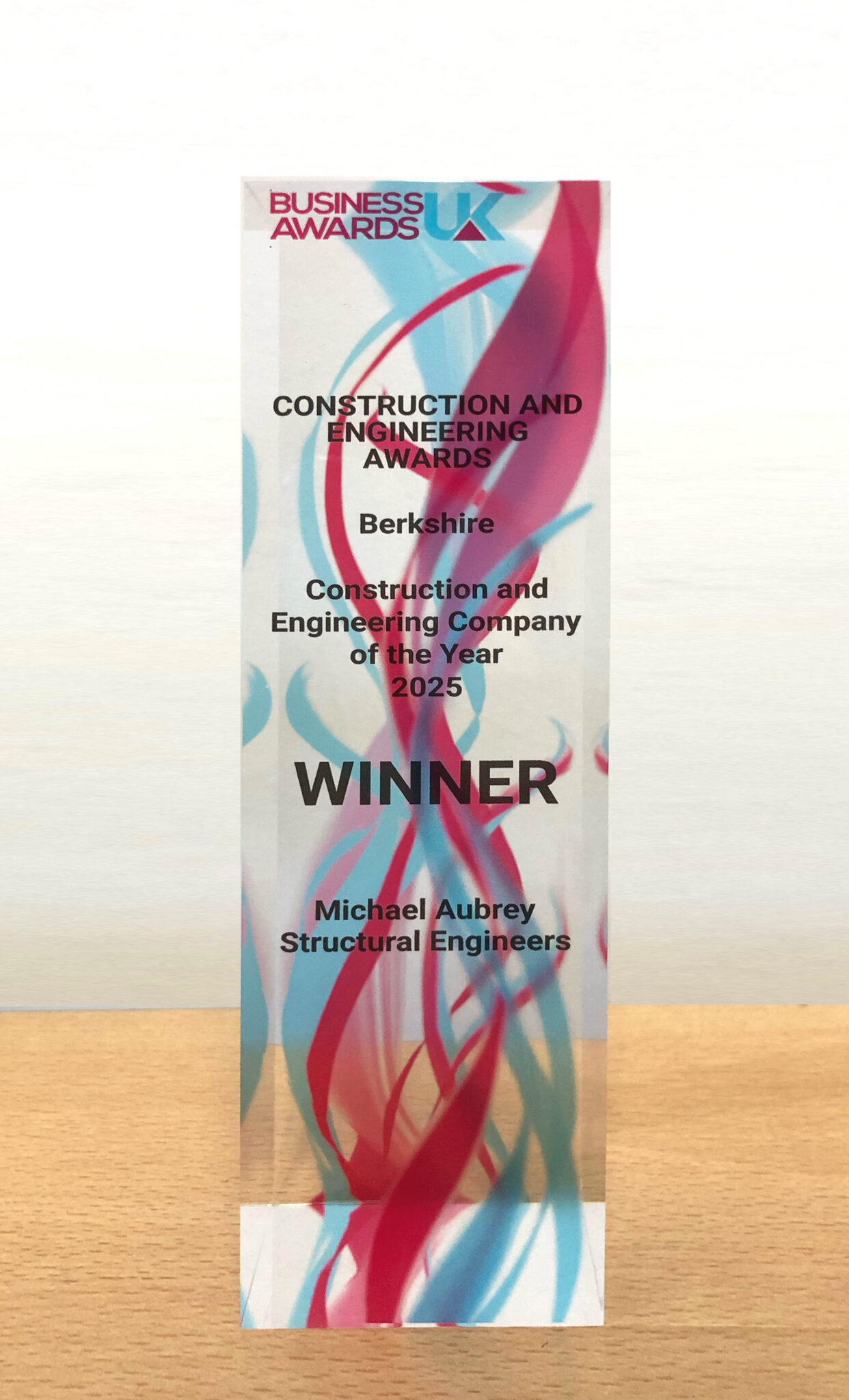
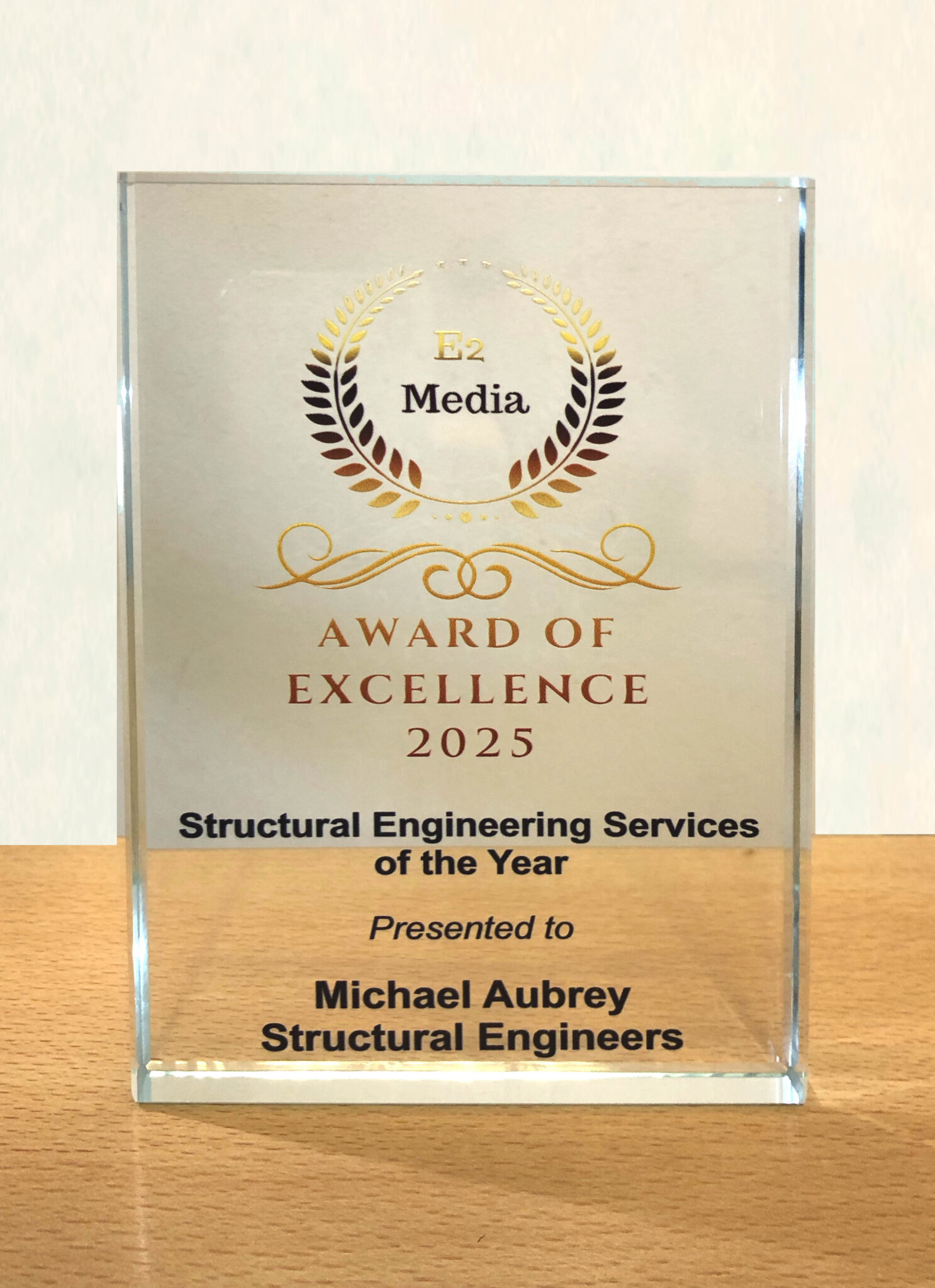
This year, Michael Aubrey Structural Engineers was named Berkshire’s Construction & Engineering Company of the Year 2025 at the UK Business Awards for Berkshire and also received the Award of Excellence for Structural Engineering Services.

The recognition reflects not only our technical expertise but also our commitment to solving the UK’s toughest structural challenges in ways that protect people, places, and budgets.

One of the key reasons for our recognition is our Structural Detectiveâ„¢ methodology a proactive, approach to uncovering hidden structural issues before they become critical.

This means spotting:

  • Movement or subsidence
  • Historical alterations that weaken a structure
  • Environmental damage
  • Material degradation

By combining site investigation, diagnostics, and decades of engineering judgment, we give asset managers, developers, and public bodies the clarity they need to protect buildings and lives long before disaster strikes.

Award for RAAC Engineering John Staves


“We don’t just respond to failure we help clients understand the warning signs and avoid future risk,” says 

John Staves CEng FIStructE, Managing Director


The Problem That Needed a New Solution

Our approach to problem-solving was put to the test with Reinforced Autoclaved Aerated Concrete (RAAC) a material now known to pose serious safety risks in thousands of UK schools, hospitals, housing blocks, and public buildings.

While the usual fix has been demolition and costly rebuilds, we believed there had to be a better way.

RAAC Fix

John led the engineering design of the UK’s first in-situ structural repair solution for RAAC.

Instead of tearing down essential buildings, we engineered a solution to strengthen RAAC planks

This repair is:

  • Non-intrusive – no need to close or demolish the building
  • Cost-effective – saving millions in public money
  • Proven – independently verified, structurally certified, and already in use

As John explains:

“At a time when the UK is facing major infrastructure challenges, we’re proud to be delivering practical, innovative, and permanent solutions that protect both people and places.”

A Visit from Clive Jones MP

Our RAAC work has also caught the attention of local leaders.

clive jones MP

Image credit: Wokingham Today

Recently, we welcomed Clive Jones MP to our offices, where we shared our award-winning repair solution.

Clive was particularly interested in how our in-situ CFRP method avoids demolition, keeps essential buildings in use, and saves millions in public funds, all while ensuring safety.

He asked thoughtful questions about the technical process, the scale of the RAAC issue across the UK, and how innovation like this can support government priorities on infrastructure and sustainability.

John staves and Clive jones MP


We were encouraged by his offer to help raise awareness of our approach within government, showing that practical, cost-effective solutions to RAAC are not only possible but already here.


Why This Matters for the UK’s Built Environment

With over 30 years in the industry, we’ve learned three guiding principles:

  1. Preserve wherever possible
  2. Engineer with clarity
  3. Deliver with integrity

Whether it’s RAAC remediation, structural assessments, or advanced investigations, our approach is always about innovation without disruption.

As the UK’s infrastructure continues to age, we’re proving that engineering can be both technically brilliant and people-focused solving problems in ways that create safety, sustainability, and value for the long term.

About Michael Aubrey Structural Engineers
Founded over 30 years ago, Michael Aubrey Structural Engineers is a UK-based consultancy specialising in complex structural challenges. We work with commercial clients, developers, education trusts, public bodies, and asset managers across the UK, delivering solutions with integrity, clarity, and innovation.

Need structural advice? Call us on 0118 962 9666


RAAC Doesn’t Mean Demolition!

For months, the headlines have said the same thing: “RAAC is Dangerous – Demolish Now”

Schools, offices, and public buildings have been shut down. Emergency funds are being thrown at rebuilds. Entire communities are being displaced. But here’s what’s not being said loudly enough:

RAAC Doesn’t Automatically Mean Demolition

RAAC Fix

RAAC Fix

There is another way – and we’ve already proven it.

Our team has engineered a robust, long-term RAAC repair solution using Carbon Fibre Reinforced Polymer (CFRP). It’s fast to install, structurally certified, and already successfully implemented on a live site – under critical infrastructure, no less.

The Result?

A building that had been propped up for three years – with limited access and severely reduced functionality – was made structurally sound.

No Relocation. No Disruption. No Huge Cost

Too often, RAAC fixes are dismissed as “temporary” or not worth the effort. But our CFRP method isn’t a patch. It’s a permanent reinforcement strategy that delivers the performance and reliability needed to bring buildings back to full use – safely and efficiently.

RAAC repair

Successful RAAC repair project Network Rail

As national leaders in RAAC investigations and remediation, this solution is:

  • Certified by structural specialists
  • Quick to install
  • Non-disruptive, even in occupied buildings
  • Cost-effective compared to rebuilds

The outcome?

Millions Saved. Buildings Retained. Downtime Avoided

So before another structure is condemned and communities displaced, ask:

Is Demolition Really The Only Option?

Or is it time to look again at the engineering?

Want to find out more? Check out our case study with Network Rail – click here


ISO 9001


At Michael Aubrey Structural Engineers, we are proud to introduce a groundbreaking solution for the UK’s RAAC (Reinforced Autoclaved Aerated Concrete) crisis.

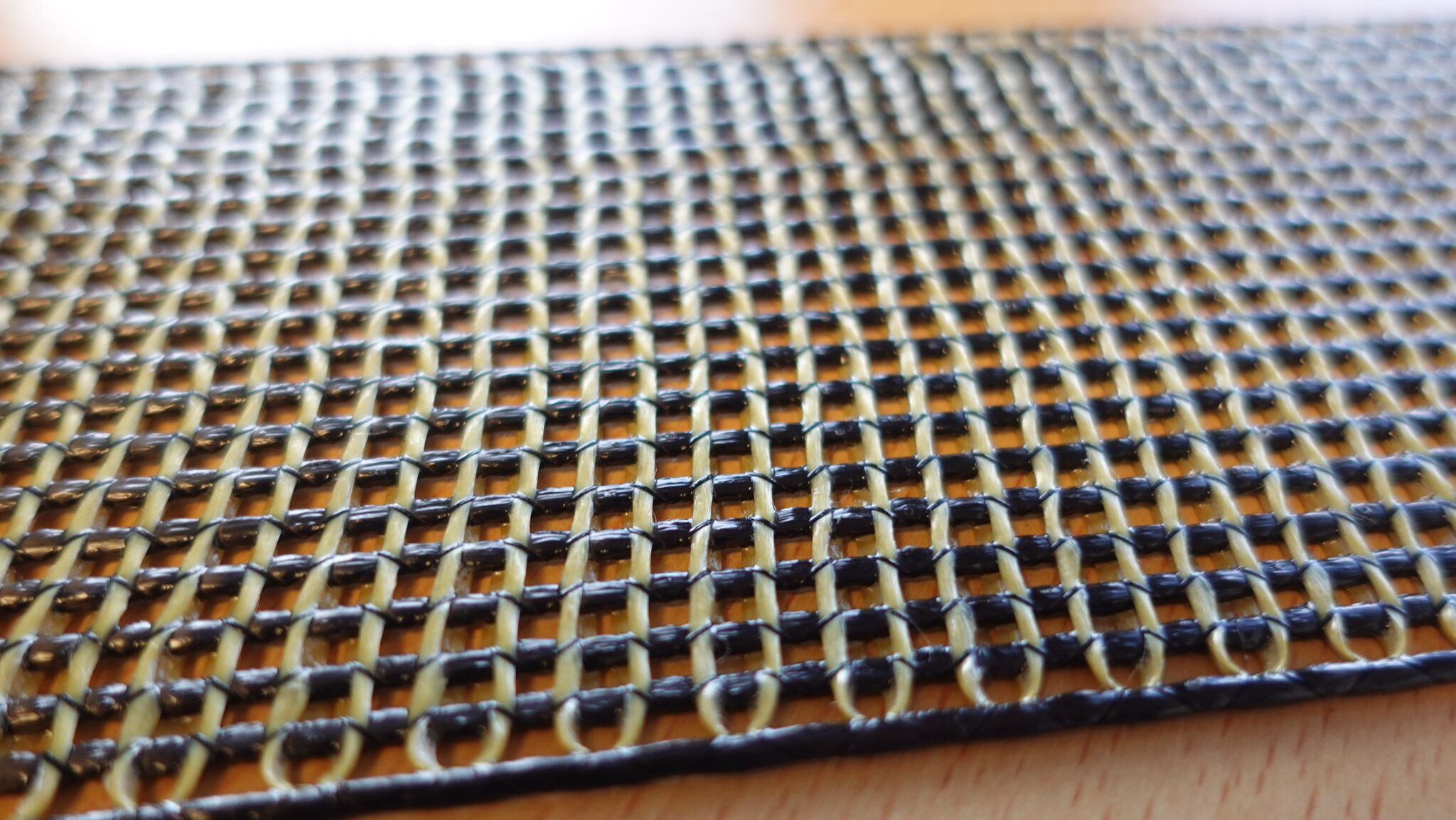
In a UK first, our team has developed and successfully delivered an in-situ repair method for RAAC panels using Carbon Fibre Reinforced Polymer (CFRP) technology – a material more commonly used in aerospace and automotive industries.

Until now, repairing RAAC meant expensive, disruptive demolition or full roof replacement.

By returning to first principles, our engineers have adapted CFRP to strengthen RAAC panels directly, without the need to vacate the building.

“This was uncharted territory,” says John Staves CEng FIStructE, Managing Director. “The Eurocode standards didn’t cover this solution – but through rigorous engineering, testing, and validation, we made it work.”

The benefits are clear:

  • No demolition required
  • Minimal disruption to occupants
  • Cost-effective, scalable, and safe

Already successfully implemented with Network Rail, this pioneering system gives councils, schools, hospitals, and public bodies a practical way to restore building safety without the huge cost or disruption of traditional methods.

This is engineering innovation at its best – providing real solutions for hundreds of at-risk buildings across the UK.


Do you have a building that has been affected by RAAC?  Call us today 0118 962 9666 and we’ll see if we can help you.

The Challenge

How could the raac panels be strengthened in situ while maintaining the building’s operations?

Reinforced Autoclaved Aerated Concrete (RAAC)

In September 2023, the issue of Reinforced Autoclaved Aerated Concrete (RAAC) came to the forefront of public attention. 


RAAC, a material widely used in construction during the 1960s, 70s, and 80s, was found to have significant structural vulnerabilities.

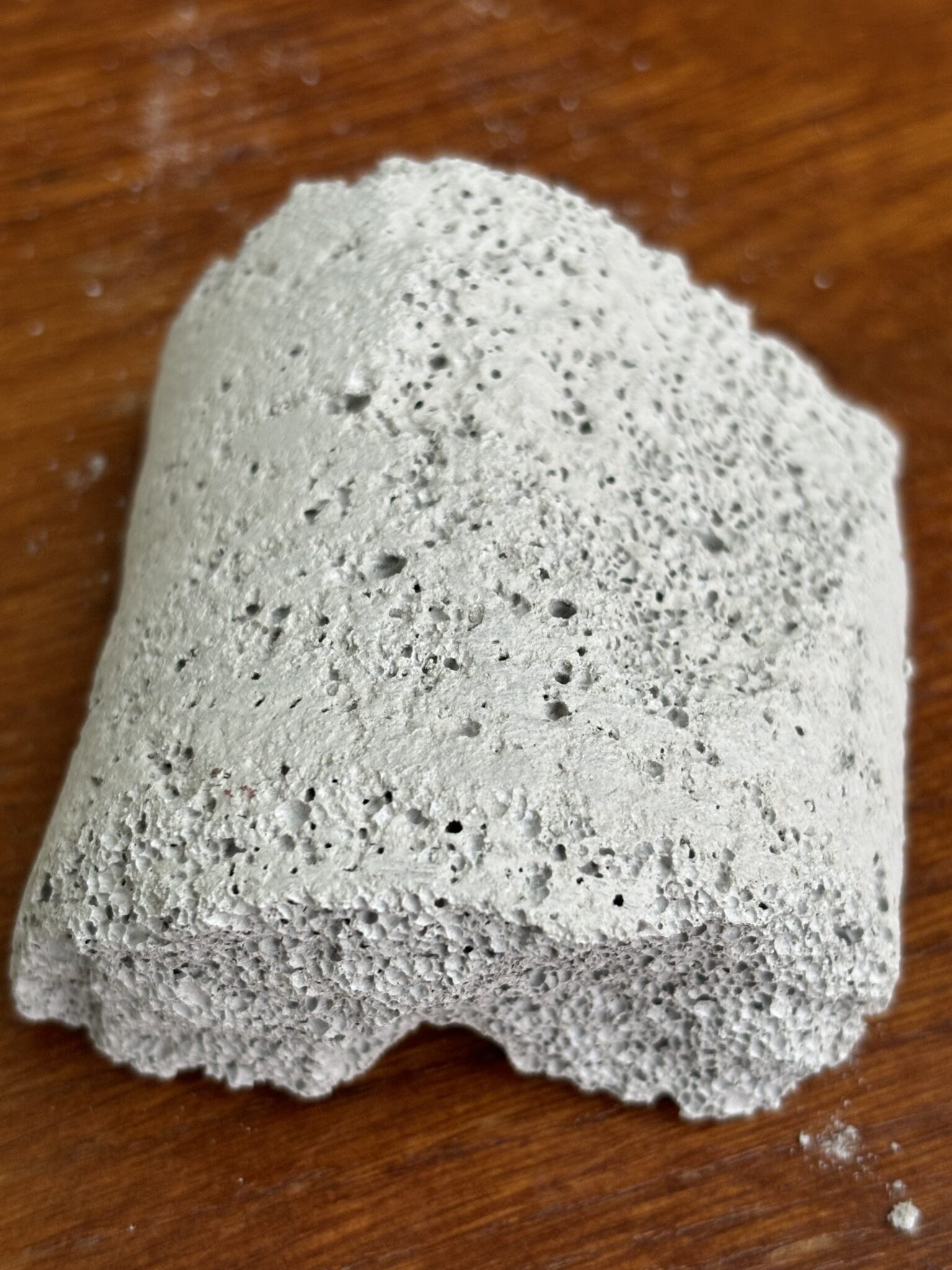
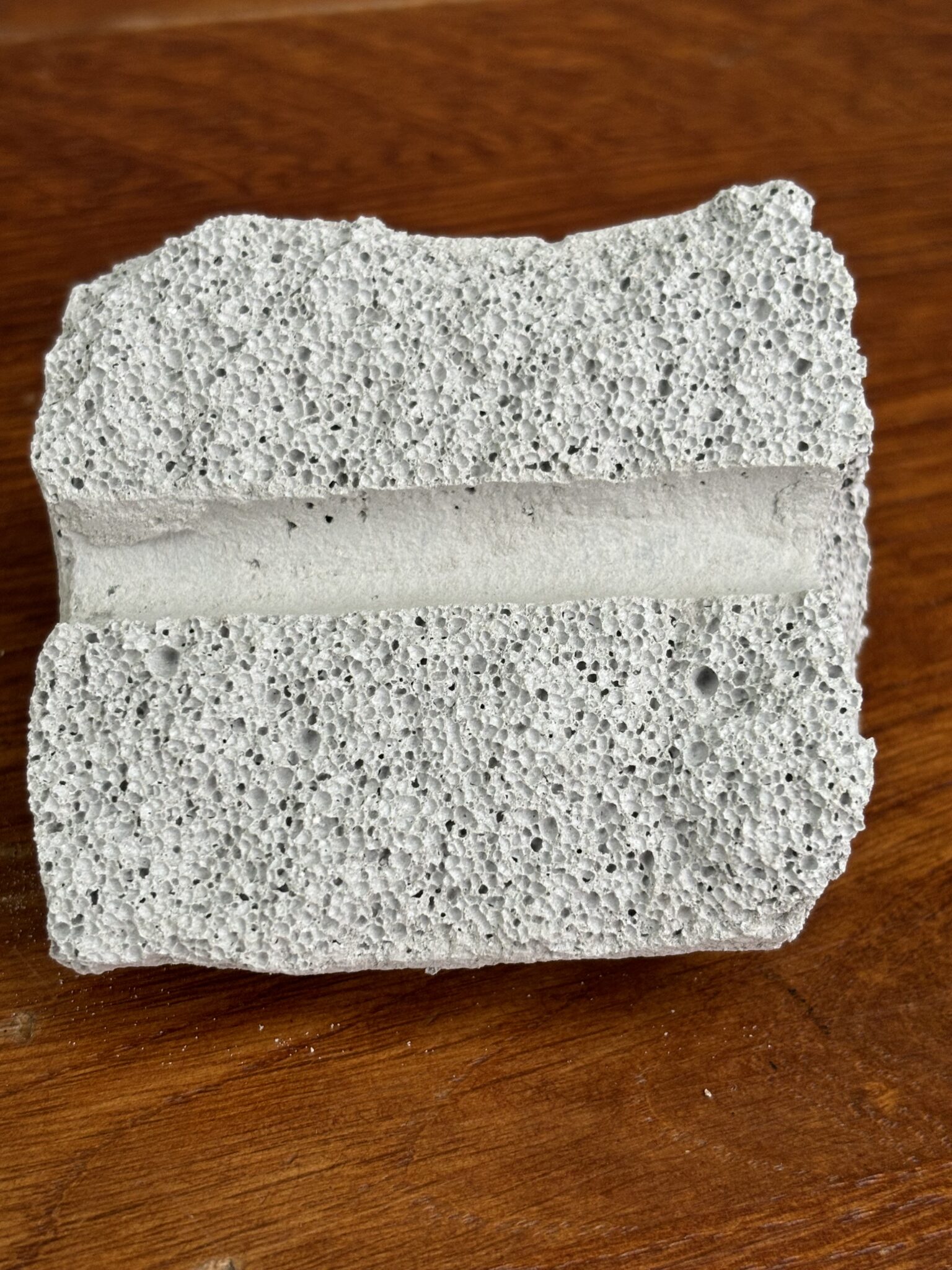
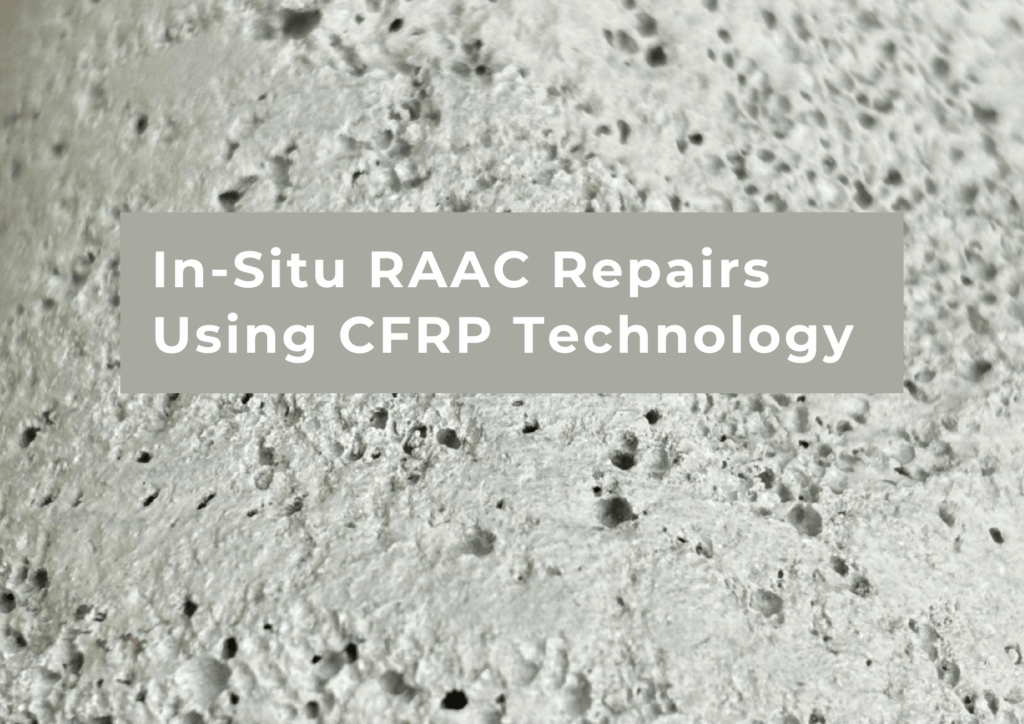
In this image, you can clearly see the porous, bubbly texture of RAAC. These air pockets—originally intended to reduce weight—create direct pathways for moisture ingress.

Over time, this allows water to penetrate through the material, reaching and corroding the embedded steel reinforcement. As the reinforcement corrodes, it expands, compromising the structural integrity of the element and increasing the risk of sudden failure, often without visible warning signs.


RAAC Audits

This was highlighted when schools began failing inspections, leading to closures. Subsequently, other large public organisations, including Network Rail and NHS, initiated audits of their facilities to assess the extent of the problem.

RAAC inspection

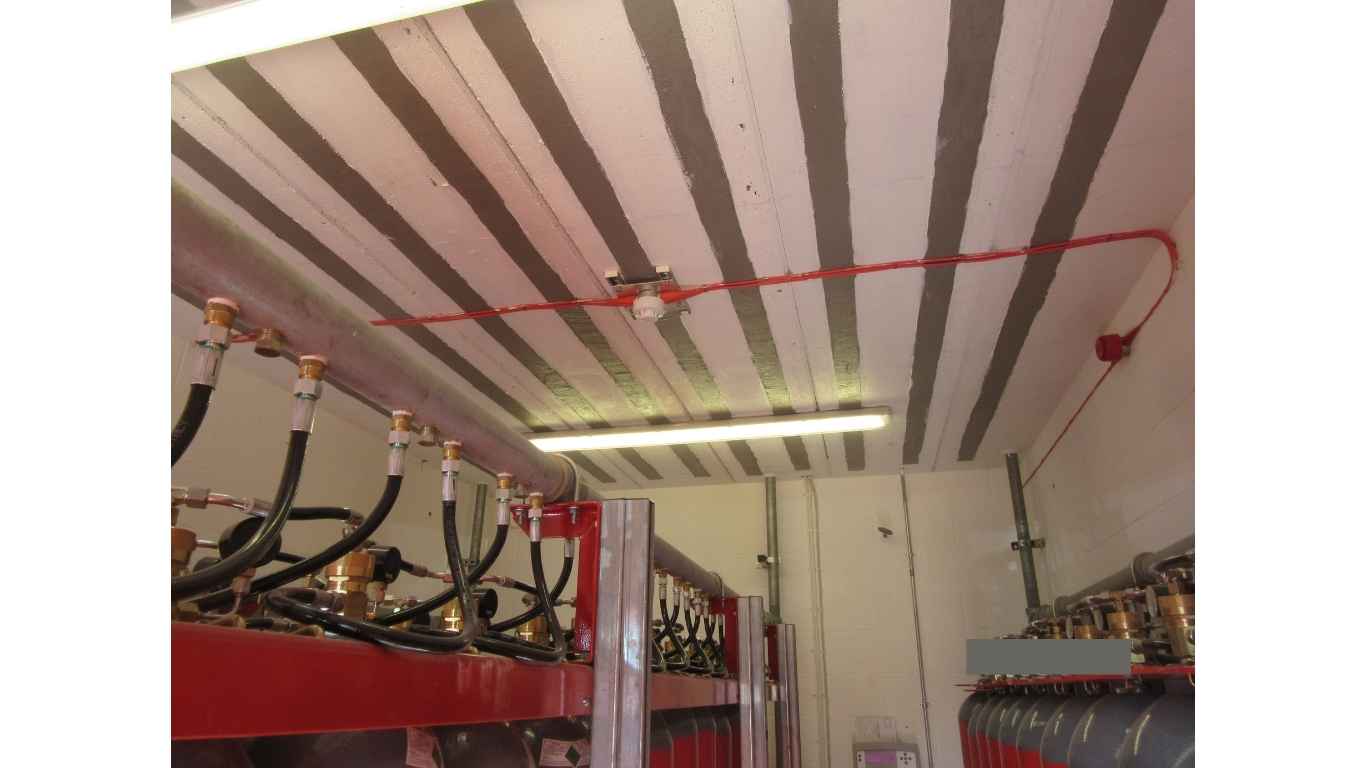
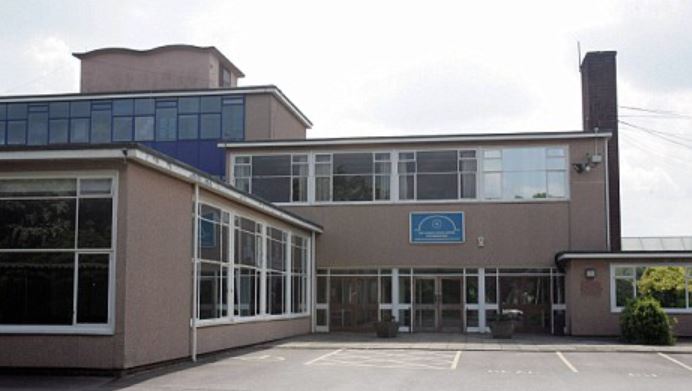
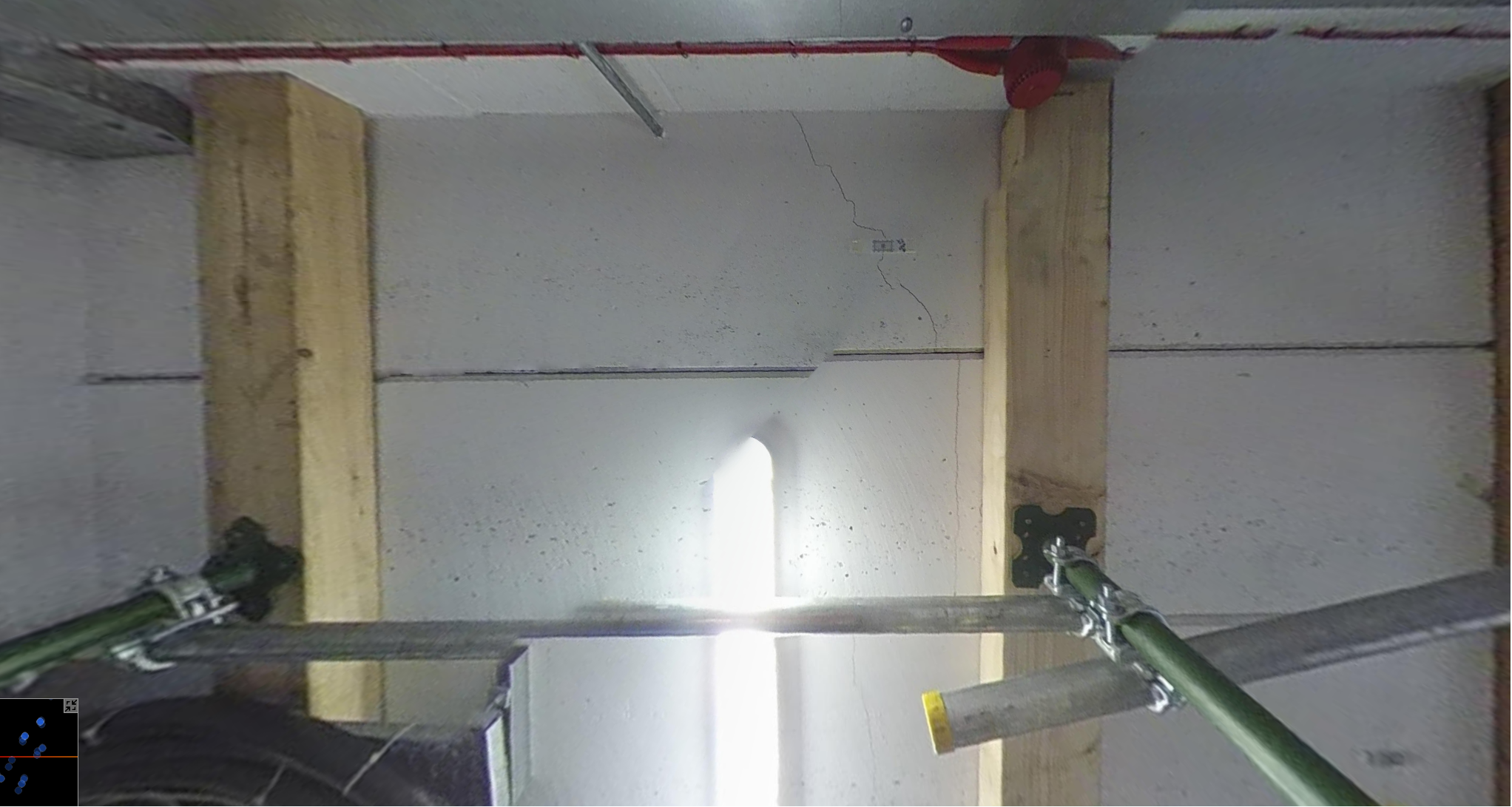
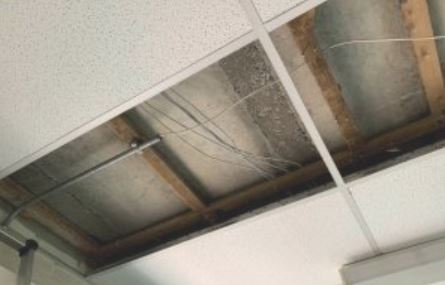
One such facility, a single-story building within a larger warehouse structure, was found to have RAAC panels used as ceilings for certain rooms. These panels had developed visible cracking on their underside, with cracks measuring up to 3mm wide in some areas.

racc ceiling cracking

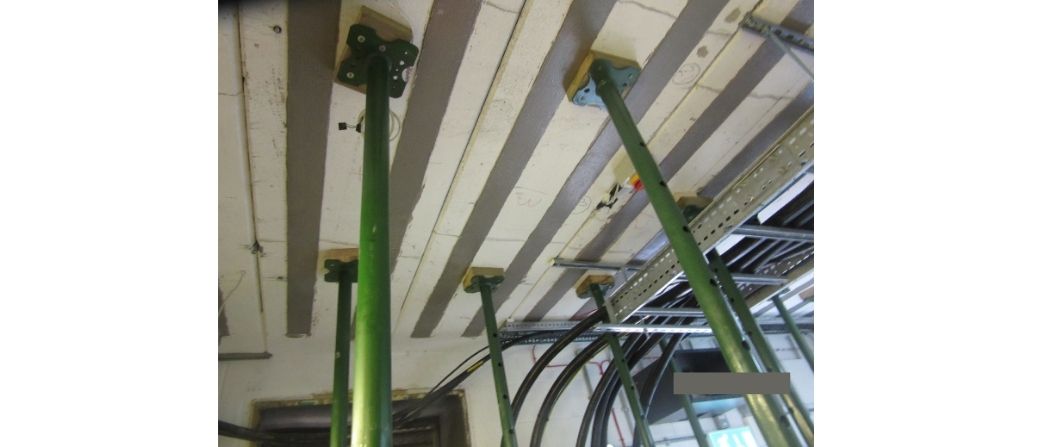
Props And Scaffolding To Stabilise The Structure

Temporary measures, such as the installation of props and scaffolding, were put in place to stabilise the structure. However, these solutions were inconvenient and disrupted the building’s critical operations.

The building housed essential infrastructure, making it impossible to remove the RAAC panels without significant disruption.

The challenge was clear:

How could the raac panels be strengthened in situ while maintaining the building’s operations?

The Solution

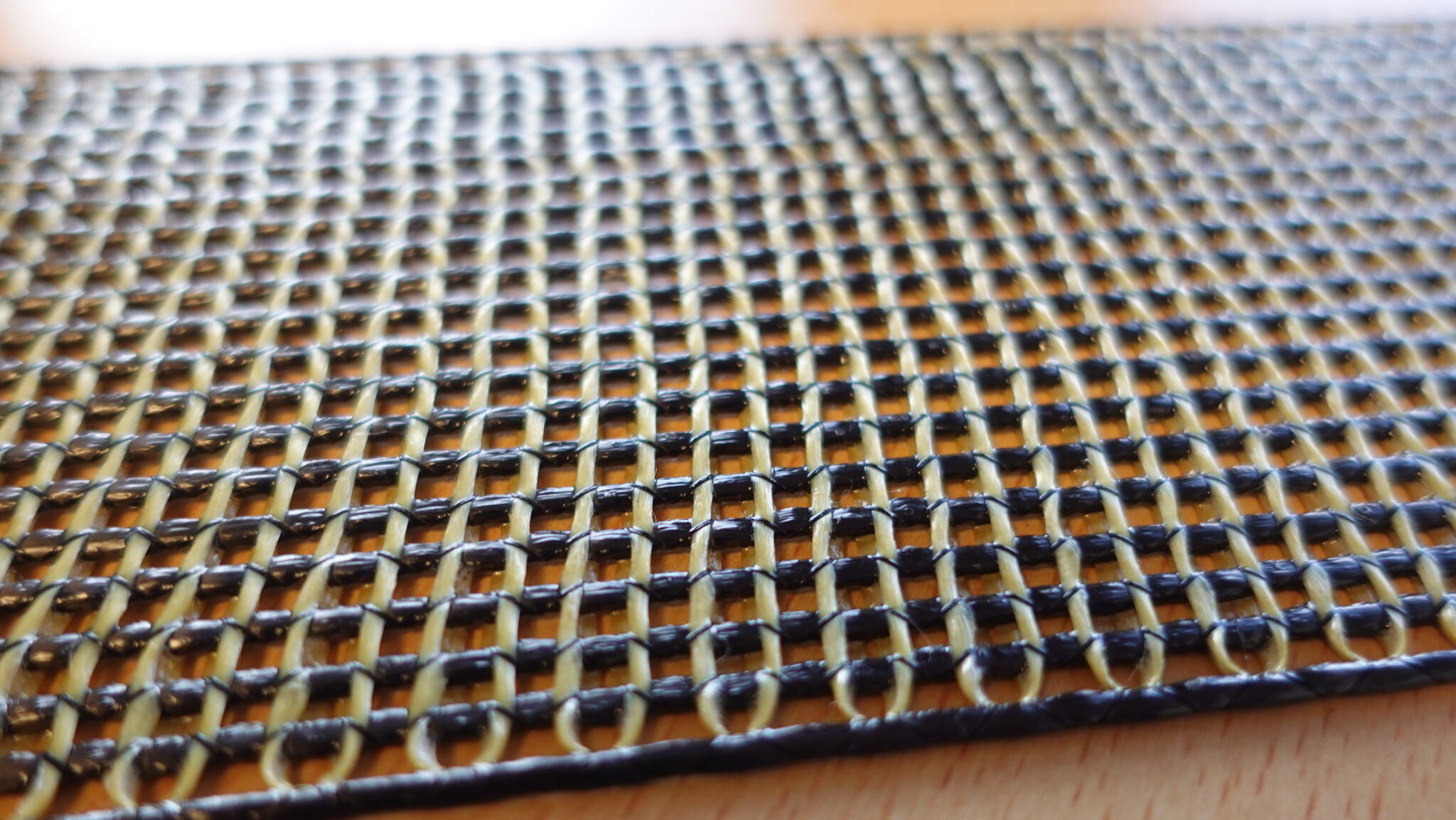
As one of the UK leading experts in structural engineering solutions for RAAC panels we were appointed to design an innovative solution using Carbon Fibre Reinforced Polymer (CFRP) to strengthen the RAAC panels.

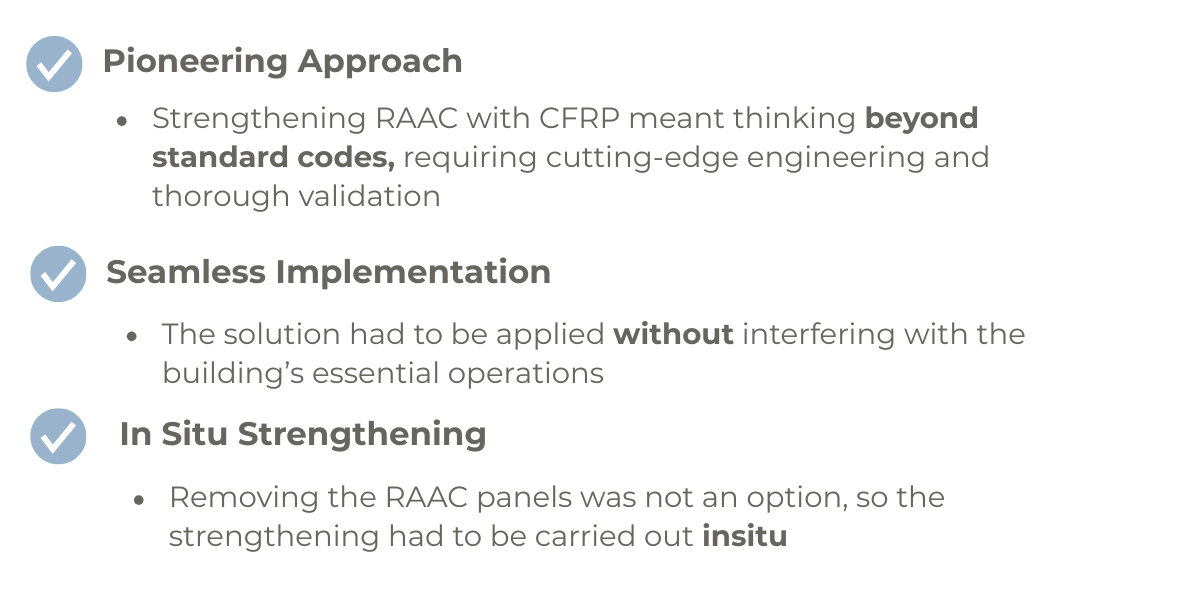
This approach was cutting-edge, as CFRP application to RAAC fell outside the scope of existing Eurocodes for concrete.

Eurocode 2 - Design of Concrete stuctures

BS EN 1992 Part 1:2004 (Eurocode 2) for UK construction

Back To First Principles And Rigorous Testing

RAAC’s inherent weakness—falling below the minimum strength required by the codes—meant our team had to justify the solution using first principles and rigorous testing.

We approached the problem with true engineering expertise!

Using first principles, we analysed the behaviour of the reinforced planks and identified the critical elements that required strengthening. On-site testing was conducted to verify the design and ensure its feasibility. This meticulous process allowed us to develop a bespoke CFRP strengthening solution that could be implemented with minimal disruption to operations.

raac challenges


Results

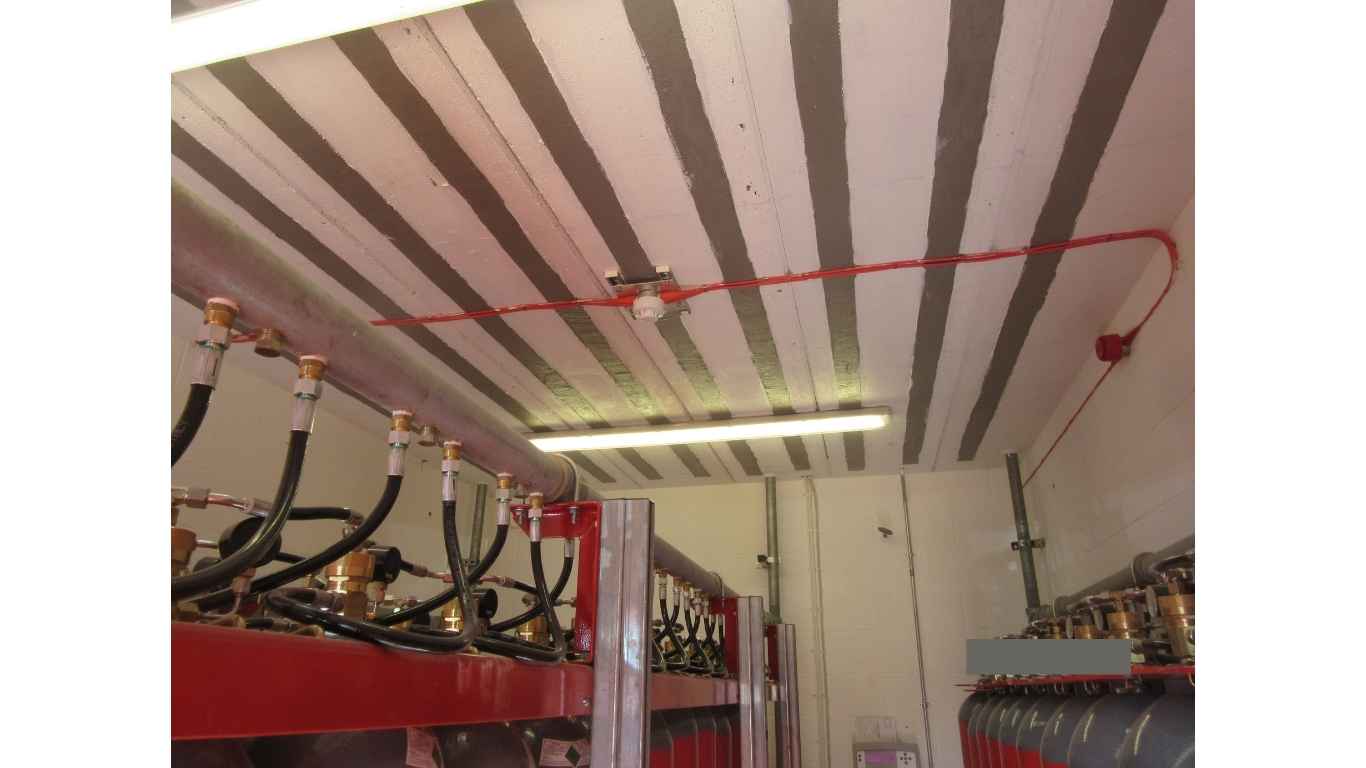
The CFRP solution was successfully installed, and the temporary props were removed. The building’s operations continued uninterrupted, and the strengthened panels are now performing adequately.

This project not only demonstrated Michael Aubrey Structural Engineer’s ability to push the boundaries of engineering but also provided a replicable solution for similar challenges across other facilities.

RAAC repair solutions


Conclusion

This project highlights our commitment to true engineering innovation.

By stepping beyond standard codes and applying first-principles thinking, we delivered a cutting-edge engineering solution that solved a critical problem.

Our expertise and collaborative approach with Network Rail’s project and asset engineers ensured the success of this complex project.

If your organisation is facing challenges with RAAC or other structural issues, Michael Aubrey Structural Engineers is here to provide innovative, bespoke solutions.

Contact us today to learn more.

  • support@mapl.co.uk
  • t. 0118 962 9666

John Staves CEng FIStructE MIoD

Managing Director

Chartered Structural Engineer


John staves


John Staves is a highly respected Chartered Structural Engineer with extensive expertise in structural assessment, investigation, and design.

He has held key leadership roles within the industry, including past Vice President of the Institution of Structural Engineers (IStructE) and various advisory positions shaping best practices in the field.

John is renowned for his innovative approach to solving complex engineering challenges, from pioneering reinforcement solutions for RAAC structures to delivering robust designs for diverse building projects.

His expertise spans forensic engineering, structural safety, and the application of advanced materials for strengthening and refurbishment. With a meticulous, first-principles approach, he ensures practical, efficient, and future-proofed solutions for clients across the built environment.


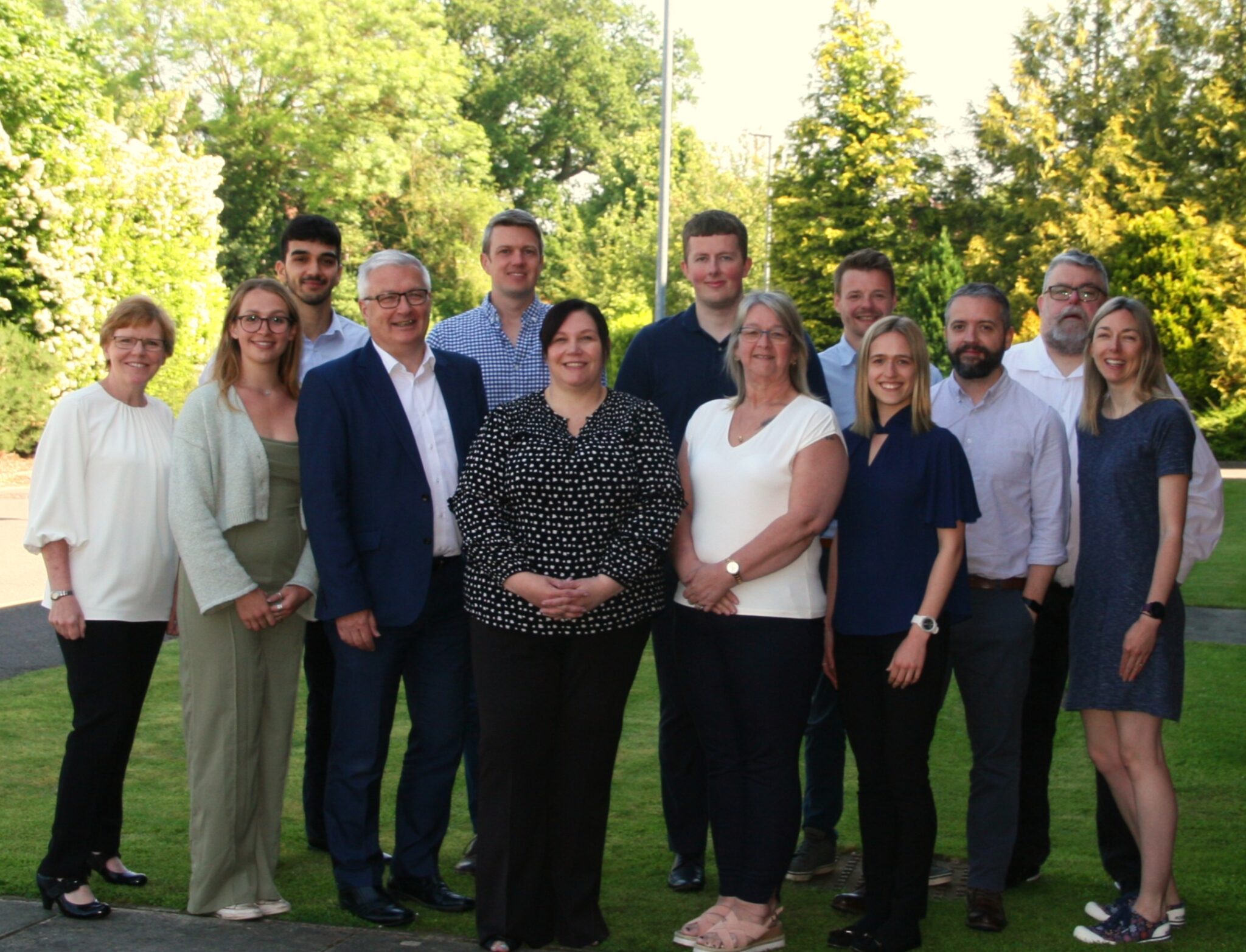
The Team


ISO 9001


In the world of construction and building maintenance, ensuring the safety and longevity of structures is paramount.

One critical aspect of this process is the assessment of Reinforced Autoclaved Aerated Concrete (RAAC), a material commonly used in buildings constructed between the 1950s and 1980s.

As these structures age, the need for thorough RAAC surveys and inspections becomes increasingly vital.

RAAC inspection

RAAC Surveys: Understanding RAAC and Its Challenges

RAAC is known for its lightweight, insulating properties and ease of use, making it a popular choice during its time. However, over the years, it has been discovered that RAAC can deteriorate, leading to potential structural weaknesses. This is where the importance of RAAC inspections comes into play. Regular assessments help identify any signs of degradation early, allowing for timely interventions that can prevent more significant issues down the line.

It is worth noting that concrete roofs aren’t necessarily precast, and precast concrete roofs aren’t necessarily RAAC!

RAAC without defects isn’t necessarily a problem, but you do need an expert review to know where you are on this spectrum!

The Role of Experienced Structural Engineers

When it comes to conducting RAAC surveys, the expertise of an experienced structural engineer cannot be overstated.

contact us

RAAC inspection


Experienced structural engineers bring a wealth of knowledge and practical insight, crucial for accurately assessing the condition of RAAC structures.

Their ability to identify subtle signs of wear and potential failure points is invaluable in ensuring the safety and integrity of a building.


Why Choose an Experienced Structural Engineer for Your RAAC Survey?

Precision in Assessment

An experienced structural engineer can conduct a comprehensive RAAC inspection, employing advanced techniques and tools to pinpoint areas of concern. This precision is critical in formulating effective maintenance and reinforcement strategies.

Tailored Solutions

Every building is unique, and so are its challenges. Expert structural engineers can provide customised solutions that address specific issues, ensuring that the recommended interventions are both effective and efficient.

Long-term Safety and Savings

By opting for a detailed RAAC survey conducted by a professional, building owners can avoid costly repairs and potential safety hazards. Early detection and intervention are key to preserving the structural integrity of a building and extending its lifespan.

Conclusion

In building maintenance and safety, RAAC inspections play a crucial role.

Choosing an experienced structural engineer for your RAAC survey ensures a thorough, accurate assessment and gives you peace of mind that your building is in expert hands.

With their expertise, you can confidently address the complexities of RAAC assessments, protecting both your investment and the people who depend on the structure every day

Next Steps

If you’re a building owner concerned about the condition of your RAAC structures, or still need to check if you have RAAC, don’t hesitate to reach out to our team of experts.

We’re here to help you ensure the safety and longevity of your property.

contact us

RAAC Solutions?

Read about Carbon Fibre Reinforced Polymer (CFRP) here

For more information about RAAC from the Institution of Stuctural Engineers click here


RAAC Panels – The Silent Threat Lurking Above

In the world of construction, some dangers are concealed, lurking high above our heads.

Reinforced Autoclaved Aerated Concrete (RAAC) panels, once hailed for their thermal efficiency and fire resistance, have now become a cause for concern.

Today, I’m sitting down with our Managing Director, John Staves, to shed light on the risks associated with RAAC panels and discuss potential solutions for those who find themselves in the shadow of this hidden peril.

RAAC inspection

A Relic from the Past

RAAC panels emerged as a construction method of choice during the 1960’s and 1970’s primarily used in public buildings like schools, hospitals, and corporate structures. These panels found their niche as roofing materials due to their lightweight nature and excellent fire-resistant properties.

The Singlewell Primary Wake-Up Call

The alarm bells began to ring when part of the ceiling at Singlewell Primary School in Kent collapsed on a weekend in 2018. Thankfully, no one was harmed, but this incident underscored the urgent need for action in dealing with the potential dangers of RAAC.


Unseen and Unaware

Many schools and building owners remain blissfully unaware that RAAC panels make up their roofs. The general assumption that concrete roofs are structurally sound has left these hidden time bombs unchecked.

The crisis we face today is partly due to the prolonged use of RAAC panels and inadequate maintenance over the years.

RAAC Concrete panels. Image credits: New Civil Engineer


The Silent Threat

RAAC panels are not like typical concrete structures that give warning signs of impending failure through stress cracks. Instead, they are highly porous, prone to deflections, cracks, and structural weaknesses. Failure in RAAC panels can be attributed to various factors, including manufacturing defects, suboptimal original designs, and moisture ingress.

The Role of Moisture Ingress

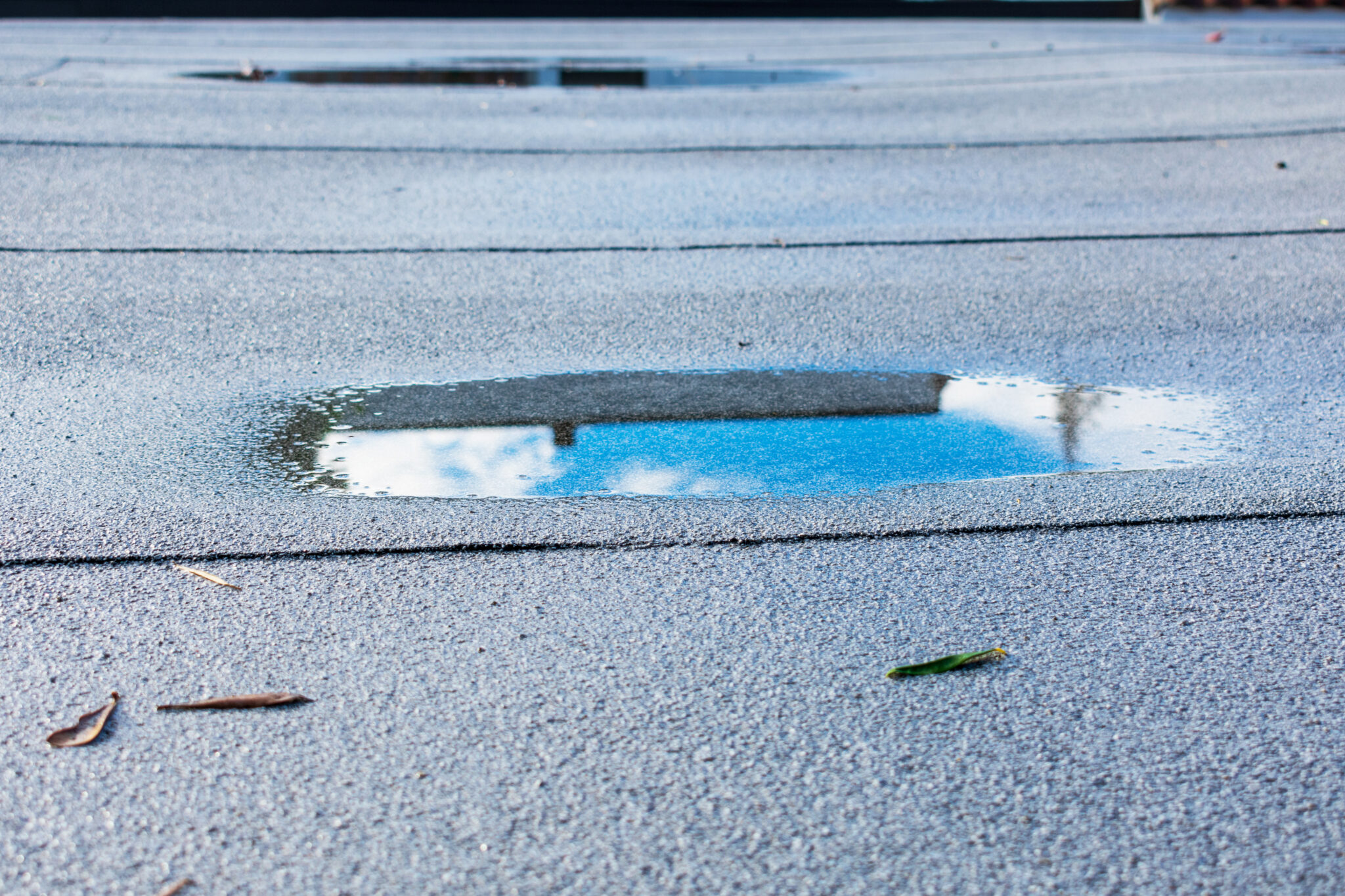
Moisture ingress is a particularly insidious problem with RAAC panels, especially when they serve as roofing material. Over time, weatherproof membranes, such as asphalt, deteriorate, allowing moisture to infiltrate the panels. This moisture corrodes the reinforcement within, weakening the bond with the concrete and eventually leading to failures in the panels.

Identifying RAAC Panels

To determine if a building contains RAAC panels, a visual inspection is the first step. Competent structural engineers look for telltale signs such as panel width, span, and edge details. If suspicions persist, core sampling can be employed to confirm the presence of RAAC.

The Next Steps

If RAAC is confirmed, immediate actions are crucial. Affected areas should be cordoned off, and temporary propping may be necessary to prevent collapse. Depending on the severity, options include the removal and replacement of panels or the addition of a new structural layer beneath them.

The priority is to ensure the safety of the occupants below.


Ceiling support at Queen Elizabeth Hospital in King’s Lynn, Norfolk


Strengthening Bearing Support

Another consideration is reinforcing the bearing points to alleviate stress on the RAAC panels. This can involve extending support to where the reinforcement lies within the panels.

Seeking Guidance

For those grappling with RAAC-related concerns, the Department of Education has issued a guidance document in 2022, updated in August 2023, titled “Reinforced Autoclaved Aerated Concrete (RAAC): Identification guidance.” This resource provides valuable information for identifying and addressing RAAC-related issues.

Conclusion

In conclusion, RAAC panels are a hidden danger that can fail without warning. Awareness and proactive inspections are essential to ensure the safety of occupants in buildings constructed with RAAC panels. By following guidelines and seeking expert advice, we can mitigate the risks associated with this silent threat that looms above our heads. Your safety and the structural integrity of your building depend on it.

Do you suspect RAAC in your building? Contact us for expert advice

Contact Me