For clients, selecting the right Structural Engineer can make or break a project. But with the market flooded by individuals with varying levels of qualifications and experience, how can you tell the difference between an expert and someone unqualified to make critical structural decisions?

  • The hidden costs of errors

The truth is, a lack of expertise may not be evident—until it’s too late. Poorly designed structures can lead to increased construction costs, delays, or even safety risks.

  • Lower fees seem appealing

On paper, less experienced engineers may seem appealing due to lower fees, but the hidden costs of errors, redesigns, or failed inspections can far outweigh any initial savings.

  • Anticipate challenges before they arise

Chartered Structural Engineers bring invaluable benefits to your project; 

  • Years of training
  • accreditation
  • hands-on experience and
  • ensure designs that are not only compliant with building regulations but also optimised for cost-efficiency and long-term durability.

Qualified structural engineers anticipate challenges before they arise, offering innovative solutions that will save you time and money.
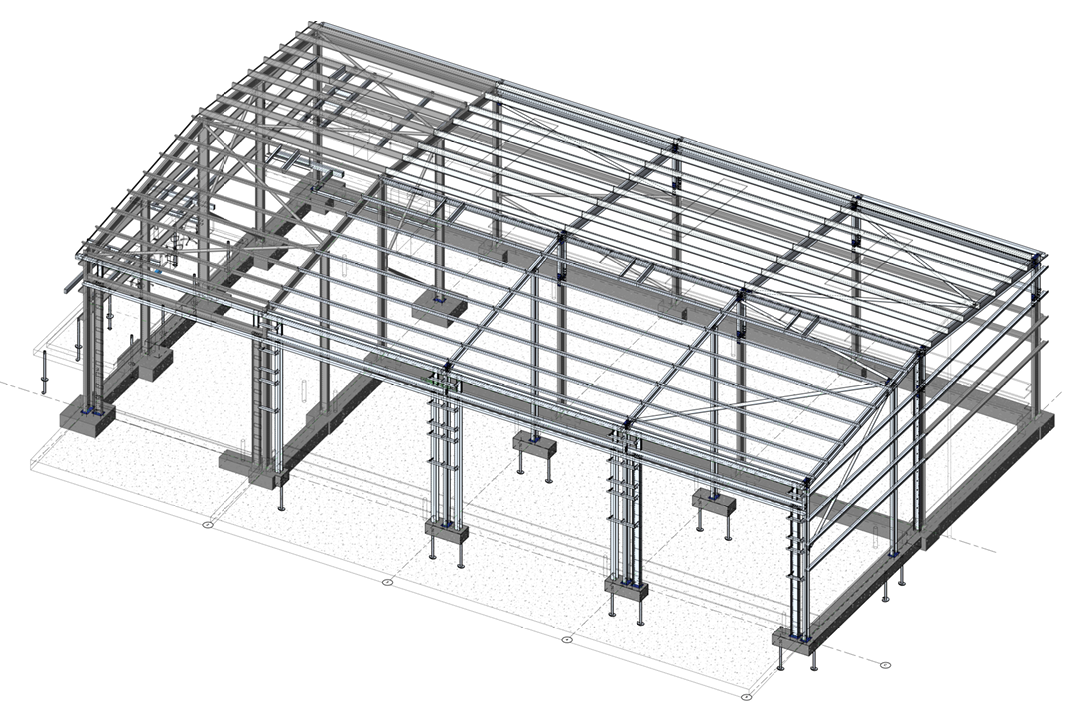
What qualifications should you look for?

When appointing a structural engineer, you should look for the following qualifications and attributes to ensure you hire a competent and trustworthy professional:

Formal Education and Accreditation

Professional Certifications

  • Look for Chartered status, such as CEng MIStructE (member of the Institution of Structural Engineers or CEng FIStructE (fellow of the Institution of Structural Engineers)  which demonstrates advanced qualifications and experience way beyond Masters Graduate.

Relevant Experience

  • Experience with similar projects, whether it’s residential, commercial, or industrial structures.
  • Expertise in addressing the specific challenges of your project (e.g., structural assessments, or defect diagnosis.

Knowledge of Building Regulations / Building Safety Act

  • Familiarity with building regulations and compliance requirements to ensure safety and legal adherence.
  • The Building Safety Act requires Clients to appoint competent designers

Communication and Collaboration Skills

  • A good structural engineer should be able to clearly explain technical concepts and work effectively with property owners, architects and contractors

Reputation and References

  • Positive reviews, recommendations, or case studies from previous clients.
  • Examples of completed projects that align with your needs.

Professional Insurance

  • Ensure the engineer carries Professional Indemnity Insurance, which protects you in case of errors or omissions in their work. What level of indemnity is provided? Is the cover adequate for your project?
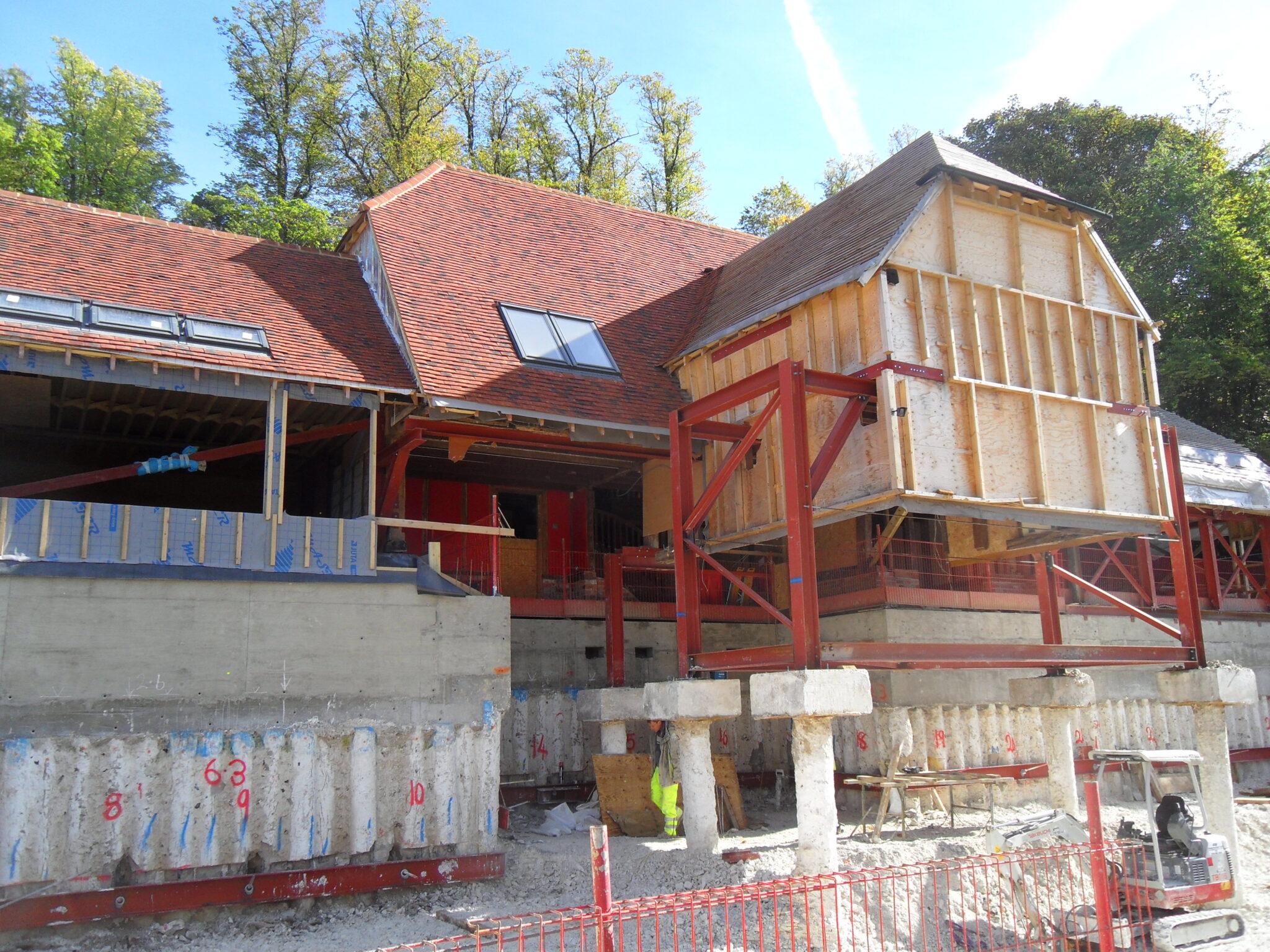
Working with experienced professionals ensures confidence in your project’s success. Clients can rely on solutions that are both structurally sound and financially sustainable.

Don’t gamble on one of the biggest investments you’ll make; choose a structural engineer who can deliver expertise, precision, and reliability.

Feedback

Have you hired a structural engineer before? What was your experience like? Did you feel you received good value, or did the service leave you disappointed?

We’d love to hear about your experience …
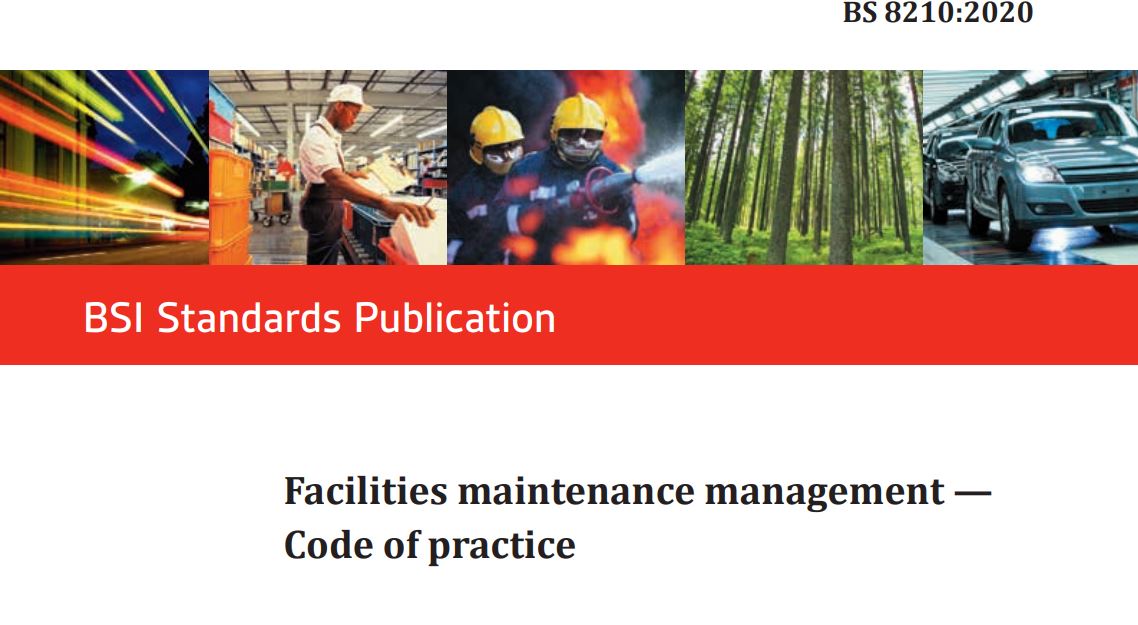
BS 8210:2020 Facilities Maintenance Management

Fire safety is a paramount concern for any building, and having a robust fire escape plan in place is crucial for the protection of occupants and assets.

While many aspects of fire safety are well-known and widely practiced, the importance of regular fire escape inspections conducted by qualified structural engineers, in accordance with standards such as BS 8210:2020, cannot be overstated. In this blog post, we’ll delve into why these inspections are vital for ensuring compliance and safeguarding lives.

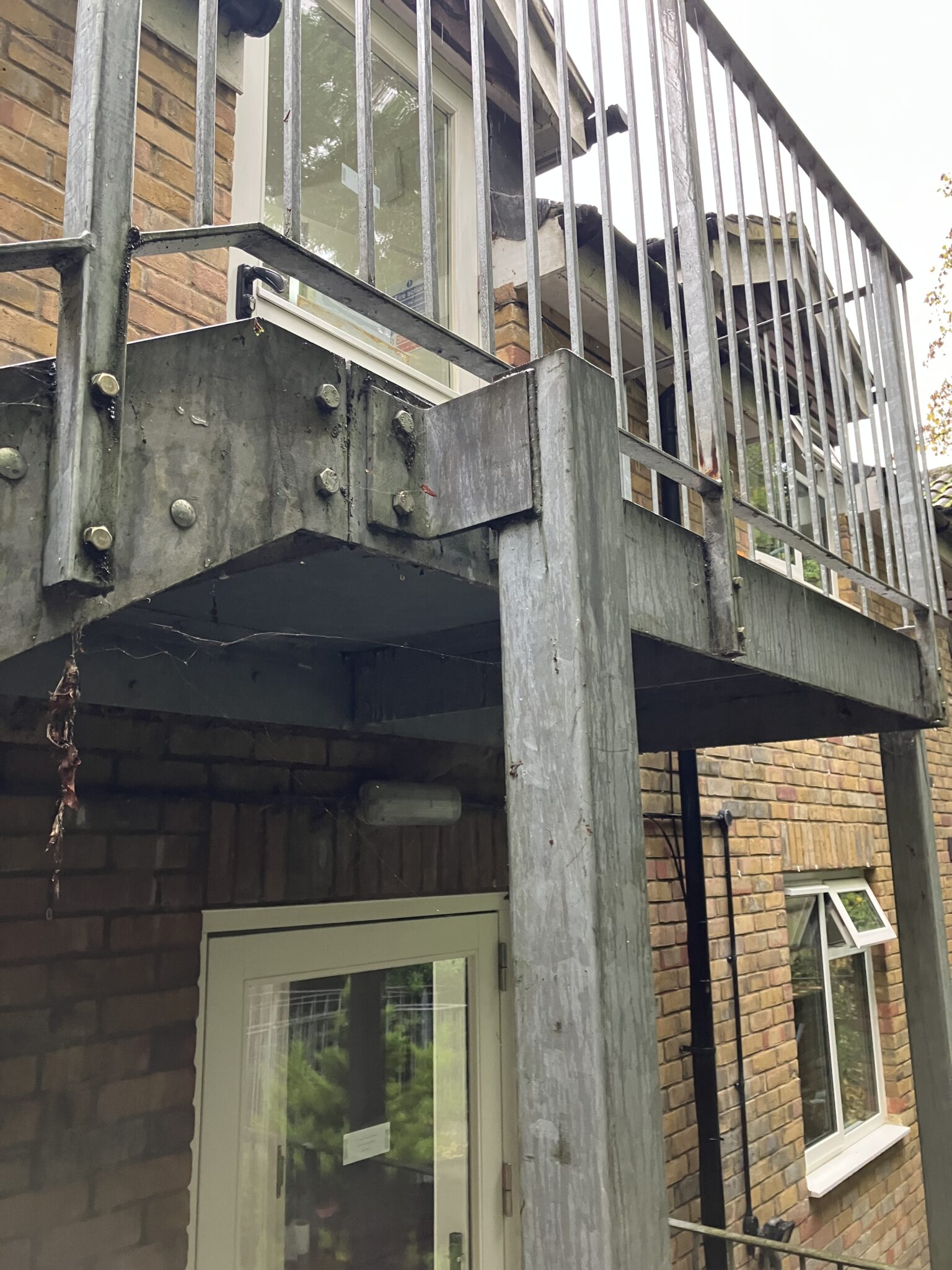
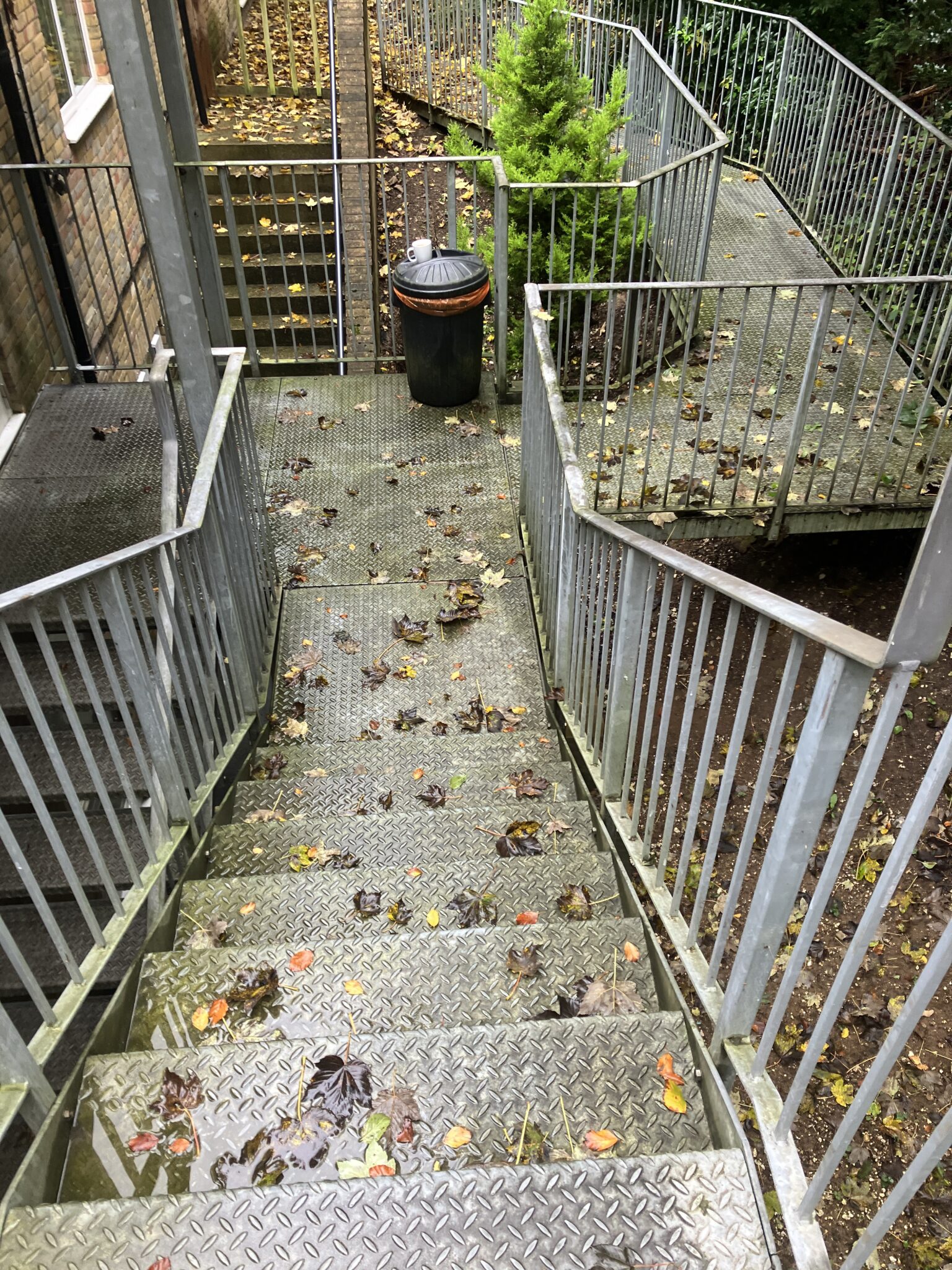
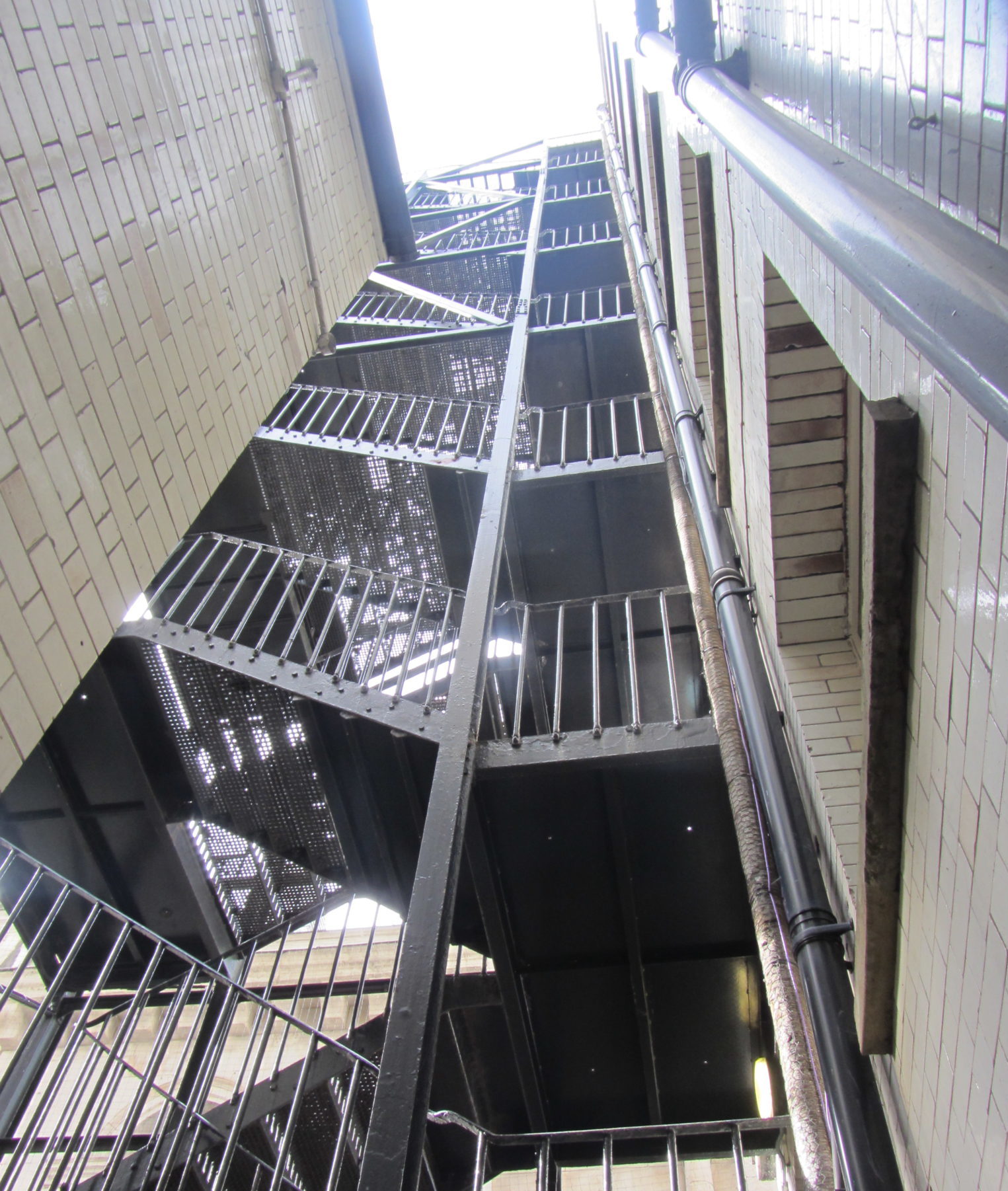
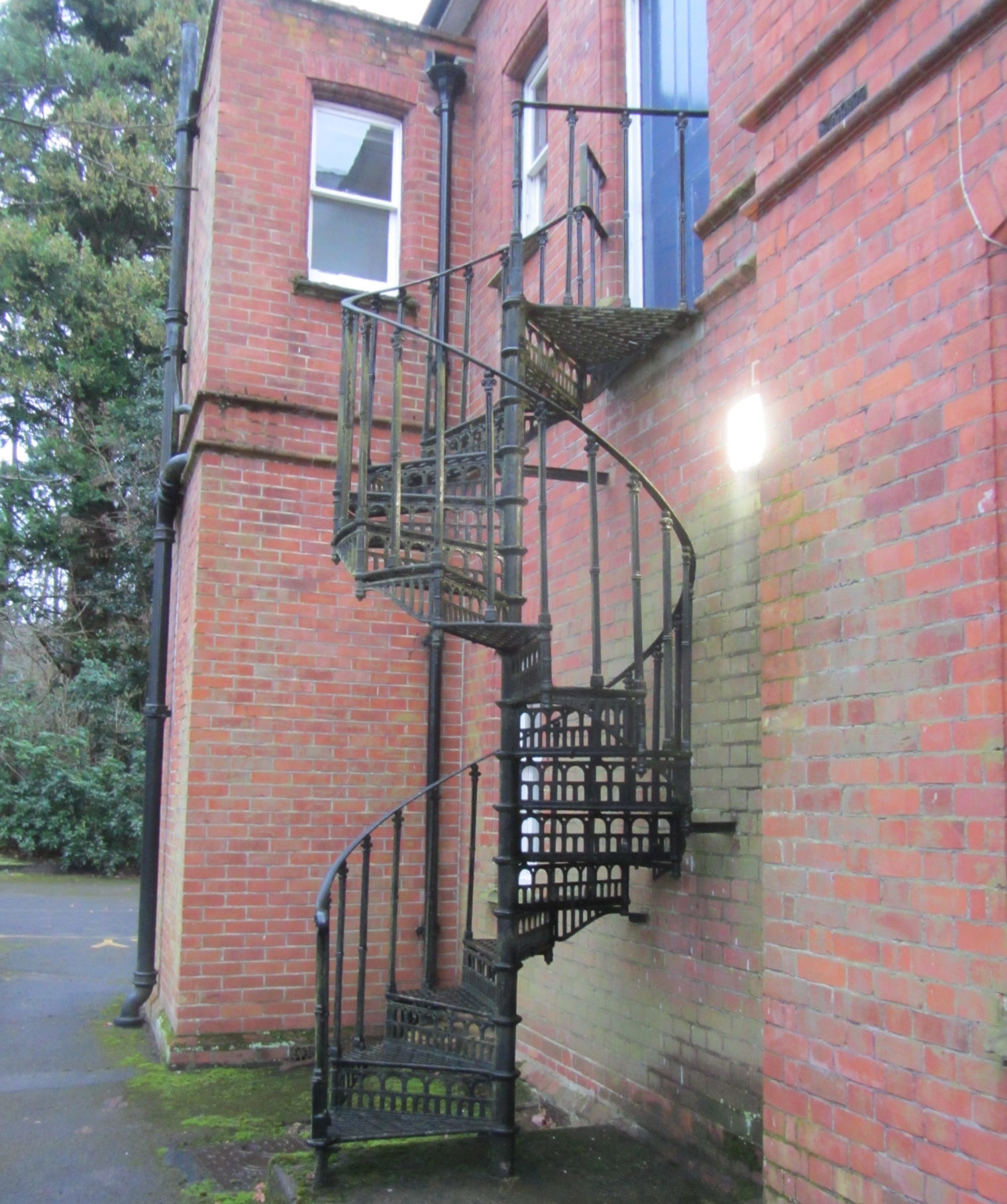
external fire escape inspection


BS 8210:2020

Facilities maintenance management: Code of Practice


BS 8210:2020, published by the British Standards Institution, provides comprehensive guidelines for the design, construction, and maintenance of escape routes in buildings, including external fire escape staircases.

This standard emphasises the importance of regular inspections to ensure these escape routes remain safe and reliable in the event of an emergency.


Why Entrust Fire Escape Inspections to Qualified Structural Engineers?

The answer lies in their expertise and understanding of structural integrity. Structural engineers possess the knowledge and skills to assess the condition of fire escape staircases thoroughly.

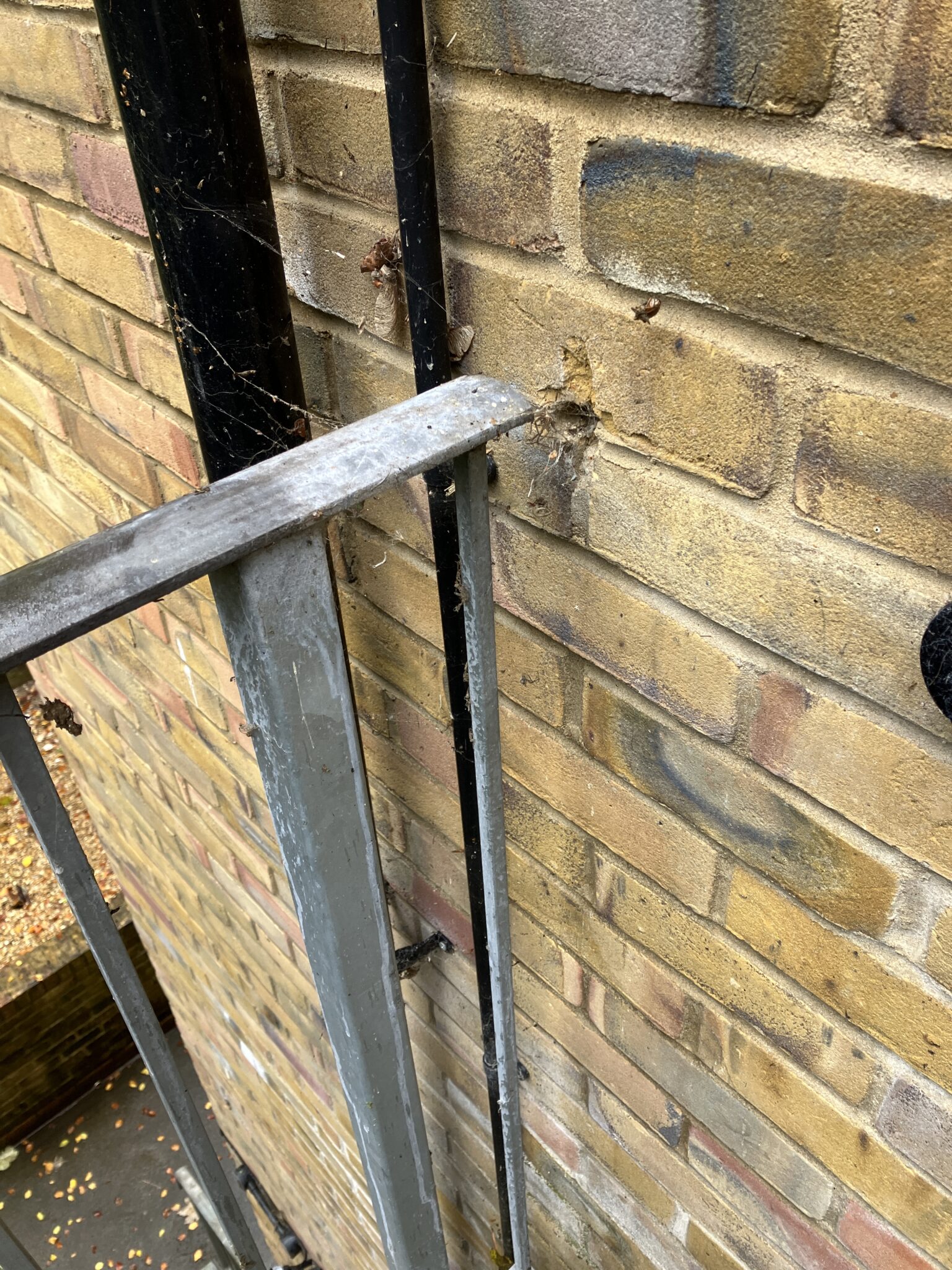
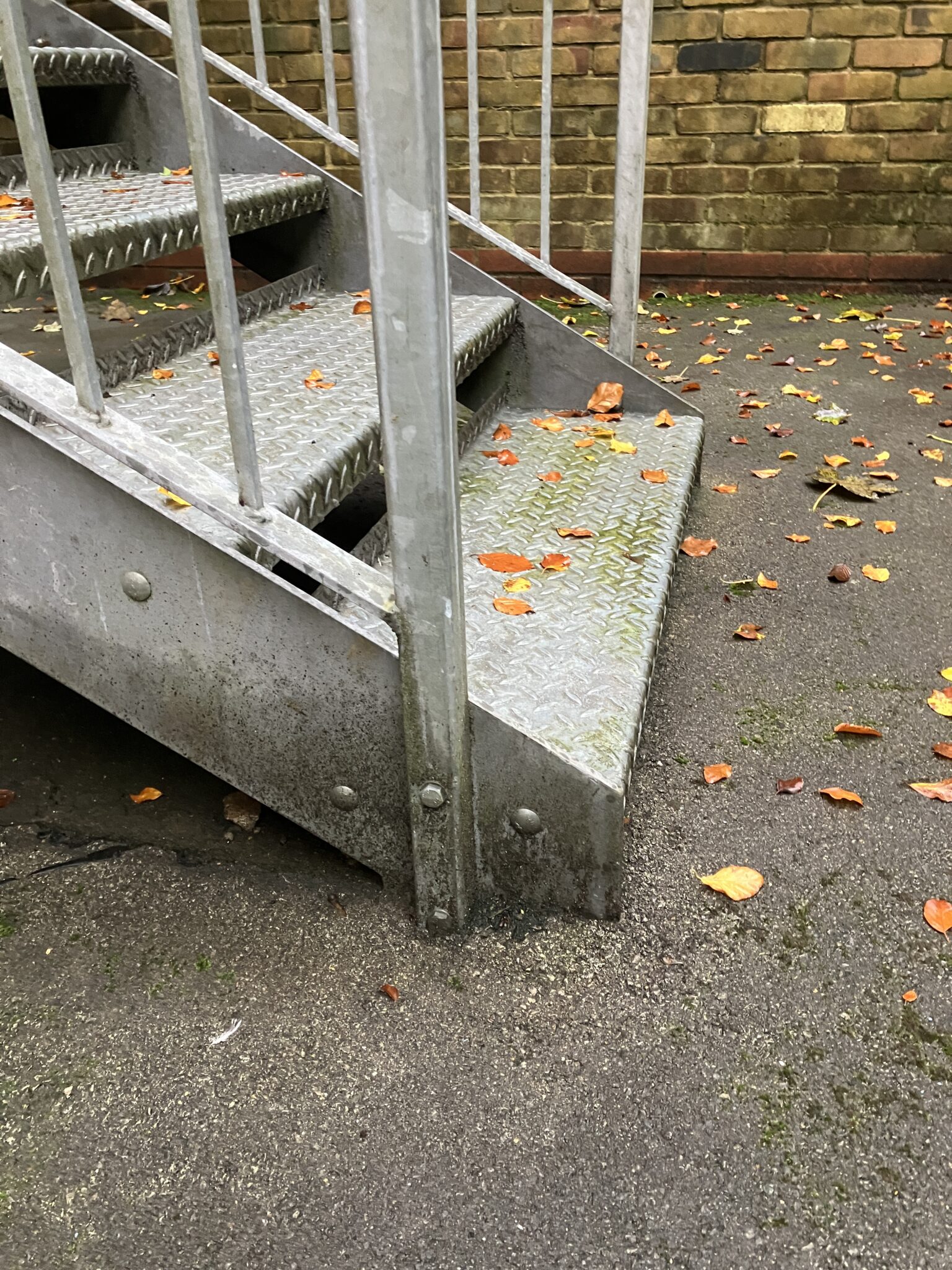
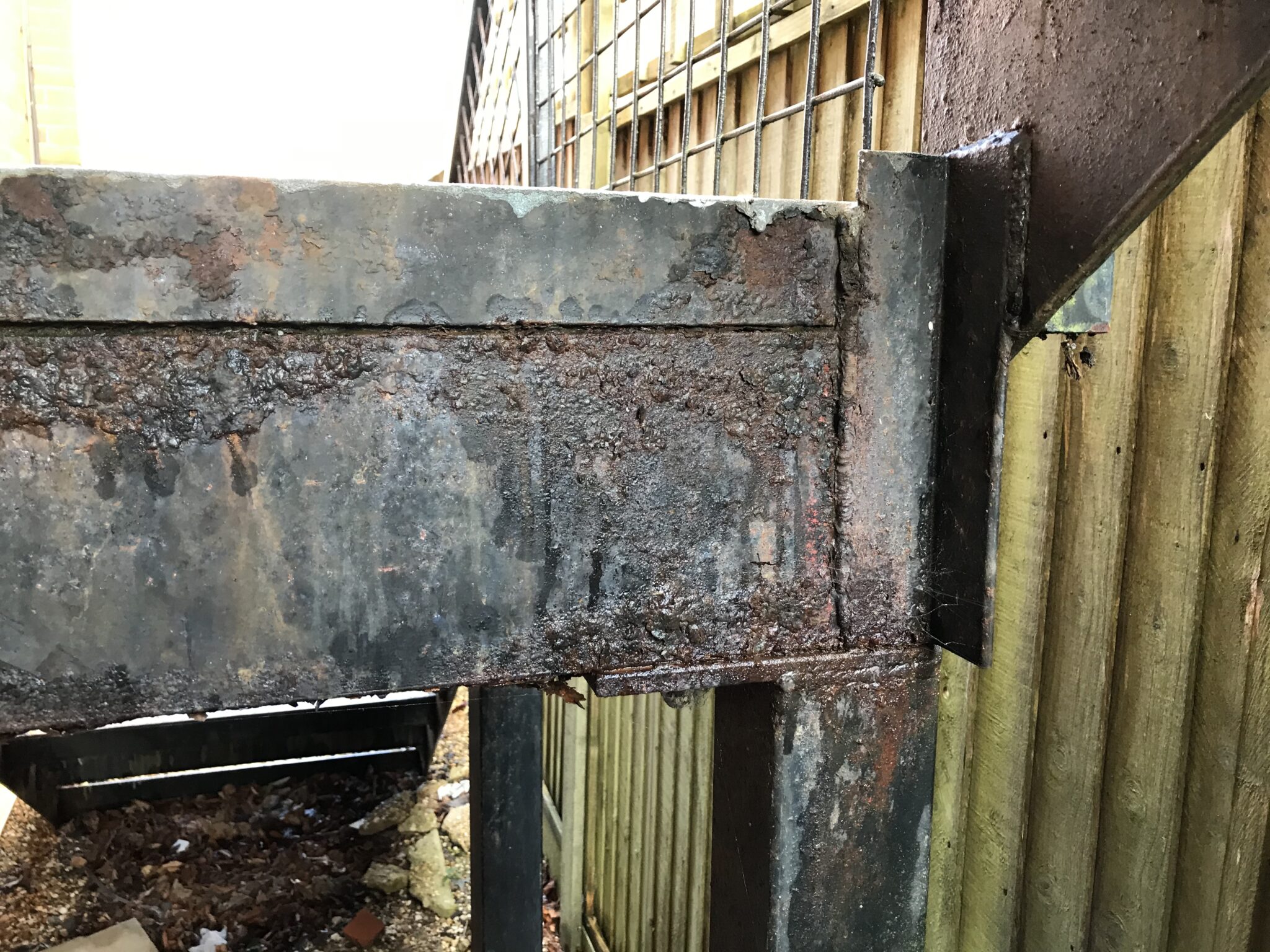
Structural Engineers can identify potential structural weaknesses, signs of deterioration, or damage that may compromise the effectiveness of the escape routes.


BS 8210:2020 specifies the qualifications and competence required for individuals performing fire escape inspections.

Qualified structural engineers are well-equipped to meet these criteria, ensuring that inspections are conducted to the highest standards of professionalism and accuracy.

Regular Fire Escape Inspections By Qualified Structural Engineers Offer Several Benefits …

fire escape inspections

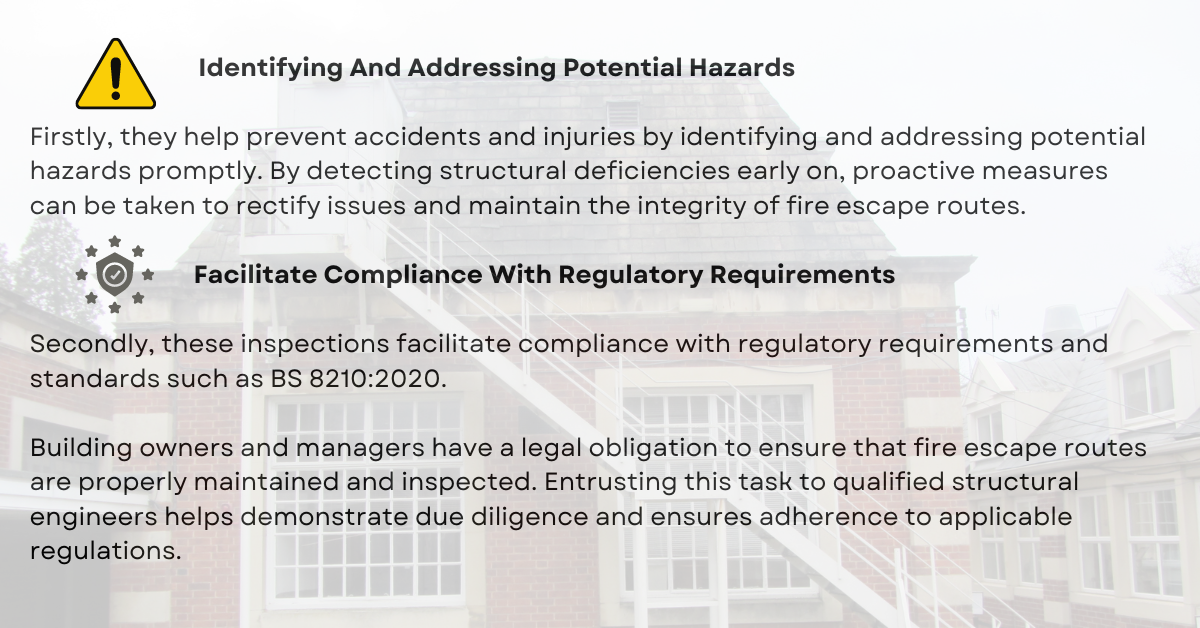
Furthermore, fire escape inspections by structural engineers instill confidence and peace of mind among building occupants and stakeholders.

Knowing that fire escape routes are regularly inspected by qualified professionals provides reassurance that appropriate measures are in place to protect lives and property during emergencies.

fire escape inspection


In conclusion, fire escape inspections by qualified structural engineers play a pivotal role in maintaining fire safety standards and ensuring compliance with regulations such as BS 8210:2020.

Investing in these inspections is an essential aspect of responsible building management, prioritising the safety and well-being of all occupants. By staying proactive and vigilant, we can mitigate risks and create safer environments for everyone.


Do you mange the health and safety of people in and about your building(s)? So that we can understand your requirements, it’s easier to talk.

Either call us on 0118 962 9666 or simply fill in your details below and we’ll get back to you at your convenience.

Please note, for one off inspections we generally work within a 50 mile radius of Reading. For multiple sites we work nationwide.

Click here to check out other Blog Post regarding external fire escape inspections.

contact Us

Introduction

RAAC Inspections – Key Actions for Buiding Owners

Building owners play a pivotal role in ensuring the safety and structural integrity of their properties. In buildings constructed between the 1960s and mid-1990s, concerns may arise regarding the use of Reinforced Autoclaved Aerated Concrete (RAAC).

To address these concerns and promote building safety, we have outlined key actions that building owners should follow. These steps will help identify, assess, and find solutions for any RAAC-related issues that may exist within their properties.

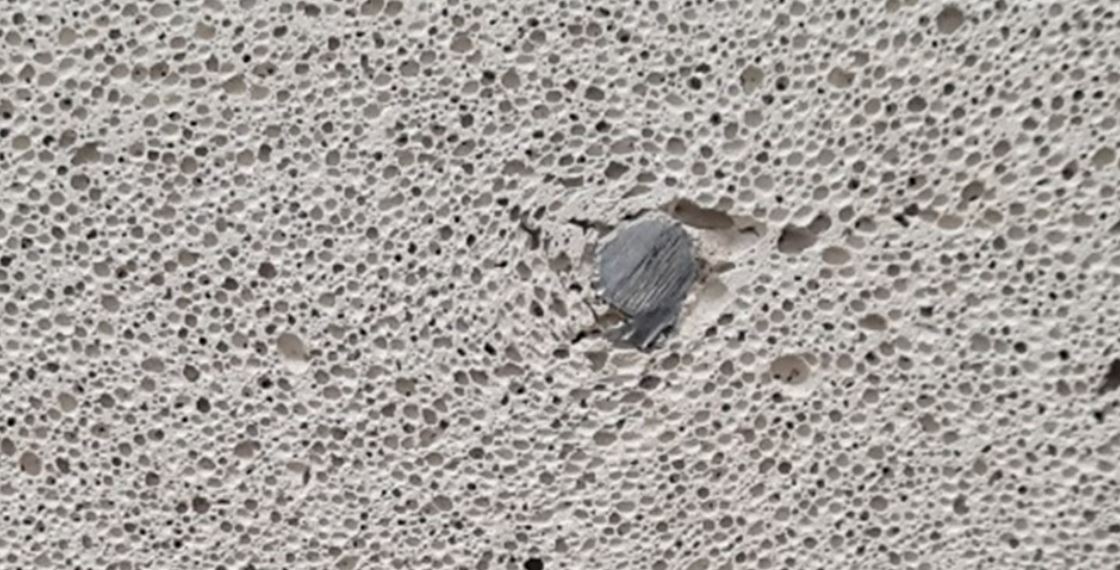
RAAC Concrete. Image credits: Loughborough University

Step 1: RAAC Identification

The initial step in addressing RAAC related concerns is to determine whether RAAC materials were used in the construction of your building. Here are some ways to go about it:

  • In-House Expertise: Experienced estate or maintenance managers and building owners can begin the identification process by consulting existing documentation and plans.
  • Refer to the Department of Education Guide: to understand how to identify Reinforced Autoclaved Aerated Concrete (RAAC).
  • Professional Assistance: Seek professional help if uncertainty remains. Proficient structural engineers or surveyors can identify RAAC presence.

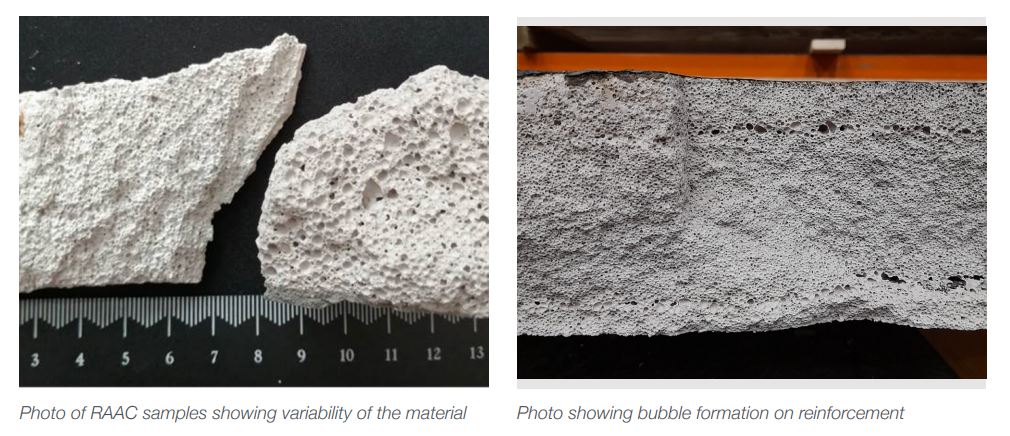
RAAC Concrete. Image credits: IstructE

Step 2: RAAC Assessment

Once RAAC presence has been confirmed, the next step is to assess the extent of risk and the need for immediate remedial action.

  • Competent Assessors: IStructE Chartered and Associate-Members can evaluate the structural integrity and potential risks associated with RAAC.
  • List of Experienced Engineers: Find qualified structural engineers with RAAC expertise through IStructE’s list of experienced professionals.
  • Detailed Site Inspection: Conduct a thorough assessment, including a detailed site inspection.

Step 3: Solutions to RACC concerns

After a comprehensive assessment, competent structural engineers will propose necessary remedial works, if any, to address the RAAC-related concerns.

Conclusion

Ensuring the safety of buildings with RAAC is a shared responsibility. By following these key actions, you can effectively address RAAC-related issues and safeguard the structural integrity of your building. Safety should always be the top priority when managing and maintaining buildings, contributing to the long-term durability and sustainability of our built environment.

Need Help?

Contact one of our Structural Engineers today for an initial consultation and to arrange a survey. 

Contact me

Click here to read our next Blog post “RAAC Panels the Silent Threat Lurking Above”