
For clients, selecting the right Structural Engineer can make or break a project. But with the market flooded by individuals with varying levels of qualifications and experience, how can you tell the difference between an expert and someone unqualified to make critical structural decisions?

  • The hidden costs of errors

The truth is, a lack of expertise may not be evident—until it’s too late. Poorly designed structures can lead to increased construction costs, delays, or even safety risks.

  • Lower fees seem appealing

On paper, less experienced engineers may seem appealing due to lower fees, but the hidden costs of errors, redesigns, or failed inspections can far outweigh any initial savings.

  • Anticipate challenges before they arise

Chartered Structural Engineers bring invaluable benefits to your project; 

  • Years of training
  • accreditation
  • hands-on experience and
  • ensure designs that are not only compliant with building regulations but also optimised for cost-efficiency and long-term durability.

Qualified structural engineers anticipate challenges before they arise, offering innovative solutions that will save you time and money.
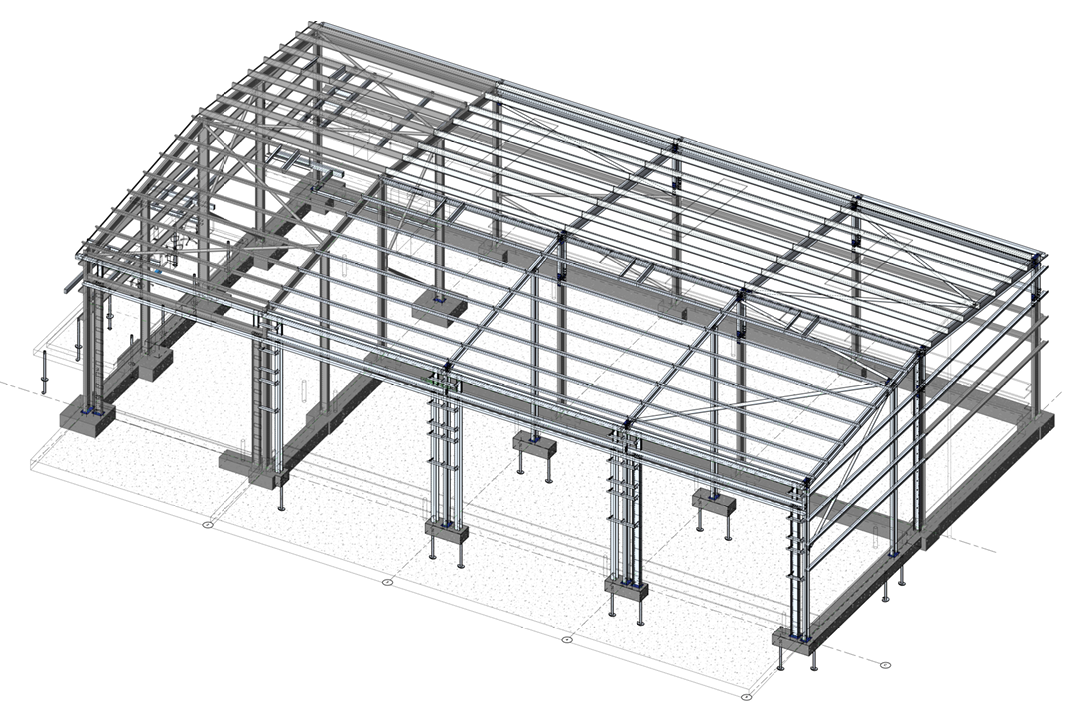
What qualifications should you look for?

When appointing a structural engineer, you should look for the following qualifications and attributes to ensure you hire a competent and trustworthy professional:

Formal Education and Accreditation

Professional Certifications

  • Look for Chartered status, such as CEng MIStructE (member of the Institution of Structural Engineers or CEng FIStructE (fellow of the Institution of Structural Engineers)  which demonstrates advanced qualifications and experience way beyond Masters Graduate.

Relevant Experience

  • Experience with similar projects, whether it’s residential, commercial, or industrial structures.
  • Expertise in addressing the specific challenges of your project (e.g., structural assessments, or defect diagnosis.

Knowledge of Building Regulations / Building Safety Act

  • Familiarity with building regulations and compliance requirements to ensure safety and legal adherence.
  • The Building Safety Act requires Clients to appoint competent designers

Communication and Collaboration Skills

  • A good structural engineer should be able to clearly explain technical concepts and work effectively with property owners, architects and contractors

Reputation and References

  • Positive reviews, recommendations, or case studies from previous clients.
  • Examples of completed projects that align with your needs.

Professional Insurance

  • Ensure the engineer carries Professional Indemnity Insurance, which protects you in case of errors or omissions in their work. What level of indemnity is provided? Is the cover adequate for your project?

Working with experienced professionals ensures confidence in your project’s success. Clients can rely on solutions that are both structurally sound and financially sustainable.

Don’t gamble on one of the biggest investments you’ll make; choose a structural engineer who can deliver expertise, precision, and reliability.

Feedback

Have you hired a structural engineer before? What was your experience like? Did you feel you received good value, or did the service leave you disappointed?

We’d love to hear about your experience …

The Electronic Communications Code (the Comms Code) is a set of rights that are designed to make it easier for network operators to facilitate the installation and maintenance of electronic communications networks across the UK.

What Is The New Telecoms Code (Comms Code)?

The Code provides for telecoms operators who are granted rights under the Code, to install and operate telecommunications apparatus such as telecoms masts and fibre optic cables, on land and buildings.

Who Does The New Comms Code Affect?

Property owners who have leases (licences) with mobile operators to install and operate telecoms equipment on their land and rooftops.

How Will The New Telecoms Code Affect UK Property Owners’ Rental Incomes?

When current leases expire the negotiating position taken by operators with code rights is simple; take our very low offer or we will go to tribunal and the valuation rules set out will derive an even lower ‘rent’.

What Do Code Powers Allow

Operators To Do?

New rights make it easier for telecommunications operators to deploy and maintain their infrastructure and it gives them new automatic rights to upgrade and share apparatus.

In summary, the new code will allow the operators to

  1. force a reduction in rental income, as the change in the basis of valuation, will move to a “no scheme” rule reflecting the underlying value of the land.
  2. Operators will be allowed to install telecoms equipment on, under or over land and
  3. gain access to the land to inspect and maintain the equipment.

Click here to read the detail.


What’s Happening In The Market At The Moment?

Where leases are coming up for renewal, operators and landlords aren’t able to agree terms which is leading to stagnation in the marketplace.

Up to a 95% Loss of Income for Property Owners

Property owners are seeing mobile operators offering significantly lower rents than have been previously agreed and the Code has been written to allow operators to force their way onto sites they need at negligible cost.

We are currently managing sites across the UK for numerous “blue light” organisations, Police and Fire Authorities.

Typically where leases have come up for renewal, we are seeing offers of £500 per annum where previous rents passing were £5k, £10k even £15k per annum!

How Can Property Owners Protect Their Rental Incomes?

Our business model allows us to offer substantially more than code valuations, by adopting a fairer position between operator and landowner.

Extended rights allow sub-letting/sharing and upgrading of sites for no additional payment to you as the landowner. 

Our model addresses this. Click here to read more.

Are you about to lose 95% of your income?

Register for the 15-minute consultation that will help you protect your income.

Register NOW

Property Managers, Health and Safety advisors and those responsible for property assets, gathered at Leicestershire Fire and Rescue Headquarters yesterday to attend the first in a series of seminars exploring the implications of the new Telecommunications code, RF and Structural Safety.

After welcome and introductions from Duncan Wells, Michael Aubrey Partnership, Thekla Fellas, Fladgate Solicitors opened the seminar examining how the new code will affect property owners.

Thekla talked about why the government feels reform is necessary; citing their commitment to incentivising investment to fully support the rollout of the country’s digital communications infrastructure.

Thekla talked about;

  • How the Department for Culture Media and Sport (DCMS) want to make it faster, easier to secure sites for the Operators – it’s a political decision
  • How it is going to be virtually impossible for landowners to get Operators off their sites
  • How the new telecommunications code will give Telecoms operators access to land – moving to a “no scheme” basis of valuation regime (a  valuation which will favour Telecoms operators).
  • How the new telecommunications code will put digital communications infrastructure on a similar regime to utilities like electricity and water.
  • New rights that will make it easier for telecommunications operators to deploy and maintain their infrastructure
  • Telecommunications operators will have a new automatic right to upgrade and share apparatus
  • Telecommunications operators cannot be charged extra for changes where there is minimal adverse visual impact or burden on site providers.
  • Improved dispute resolution

Telecommunications code

What Impact Will The New Telecommunications Code Have For Property Owners?

The change in the basis of valuation to a “no scheme” rule reflecting the underlying value of the land. Reduced rental income: This will limit the value of consideration that the site owner receives for granting the lease.

When Will this take Effect?

The new Telecommunications Code rights will only apply to contracts signed after the law has come into effect and will not apply to existing contracts retrospectively – transitional provisions are not supposed to be retrospective. The bill is currently scheduled to come into effect in Spring 2017.

Speaking after the event John Staves said

No one is sure what impact this new legislation will have on property owners, but after listening to Thekla’s presentation I think that these changes could well be detrimental to the operators who will find that property owners are reluctant to allow new installations with such sweeping terms. 

It seems really odd that private companies already making huge profits are being given powers which appear to reduce their costs at the expense of private landowners. 

Whilst the intent to make better communications readily available is positive, my concern is that the proposed Code will not achieve this objective and could well slow network development by driving more deals for sites to the Courts for determination“.

Are you a property owner? How do you think this new legislation will have an impact on your property portfolio?