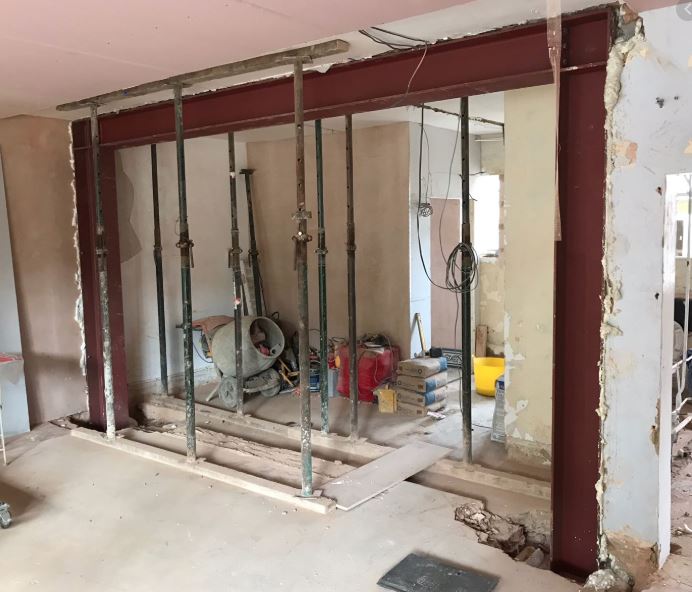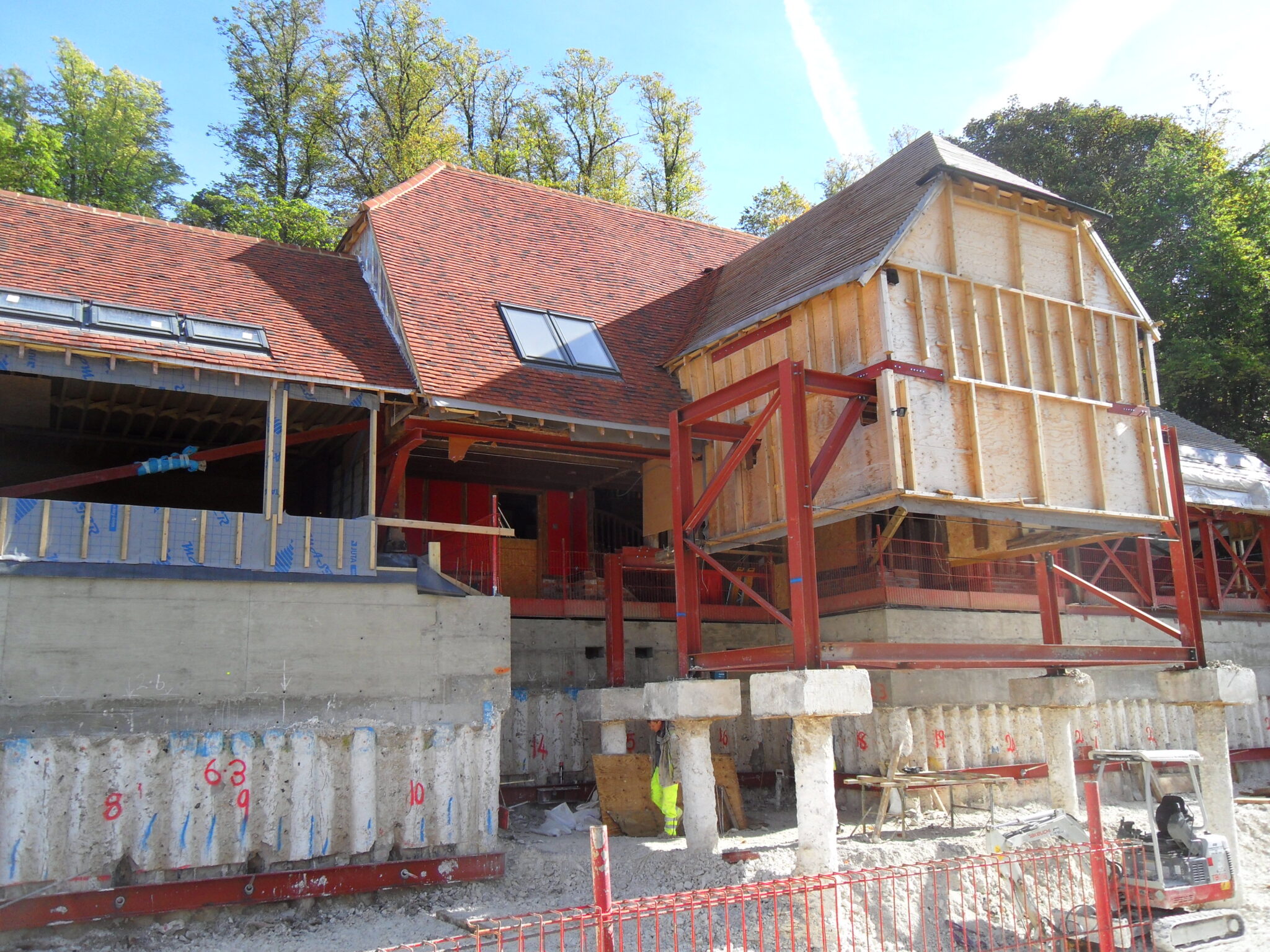
CDM & Building Safety Act CPD at Bracknell Forest Council

What do Principal Designers really need to know about CDM and the Building Safety Act – and how do these regulations shape safer construction?

That’s exactly what was explored when John Staves, CEng FIStructE, Chartered Structural Engineer, visited Bracknell Forest Council to deliver a dynamic and insightful CPD workshop tailored to the real-world challenges of today’s built environment.

CDM & Building Safety Act

The session brought together property surveyors from Bracknell Forest Council to explore how the roles and responsibilities of duty holders are evolving under these two significant pieces of legislation.

John’s practical approach and deep knowledge helped make complex regulatory changes easier to understand and apply.

John guided attendees through the evolution of the CDM Regulations, from the introduction of Planning Supervisors in 1994 to today’s expanded responsibilities of the Principal Designer – now further shaped by the Building Safety Act.

Proactive Risk Management

John highlighted the growing emphasis on proactive risk management, clear communication, and genuine collaboration between duty holders as essential tools for improving construction safety.

The Building Safety Act was explored in this context, with particular focus on its drive for safer design and stronger accountability – for all projects regulated by the Building Regulations.

Although driven by Higher-Risk Buildings (HRBs), the BSA presentation and discussion concentrated on non-HRB projects which form the majority of construction work.

John broke down the new competency requirements and opened up discussion around what these changes mean for professionals navigating the current regulatory landscape.

Raising Safety Standards

The session wrapped up with plenty of practical takeaways and left the team feeling informed, empowered, and committed to raising safety standards across their work.

“The event was well organised with good notes and Johns unbiased, knowledgeable presentation helped to unravel a confusing subject giving us confidence on how to proceed and keep within CDM and BSA regulations”. Julian, Bracknell Forest Council


Unsure about your responsibilities or competency under the Building Safety Act?

If you’re navigating new duties or just want clarity on what the changes mean for your role, we’re here to help.
Drop us a message today and let’s talk through your next steps with confidence.

Email us at: support@mapl.co.uk
The Building Safety Act is part of the building safety legislation produced in the wake of the 2017 Grenfell Tower disaster.

It’s aim is to;

  • Enhance safety standards
  • Ensure accountability
  • Maintain thorough documentation throughout a building’s lifecycle

The Building Safety Act for Homeowners – Does the Building Safety Act apply to you and your project?

If you are undertaking works that requires Building Regulations approval – Yes absolutely!

There is a misconception that the Building Safety Act only applies to high rise buildings – this is not the case. It applies to ALL construction projects where you have to apply for Building Regulations approval.

The Building Safety Act will change the way buildings are designed, constructed, and managed.

The Act enables the introduction of new regulations covering the competence of all those who undertake building work with new statutory roles for Designers and Contractors on all projects.

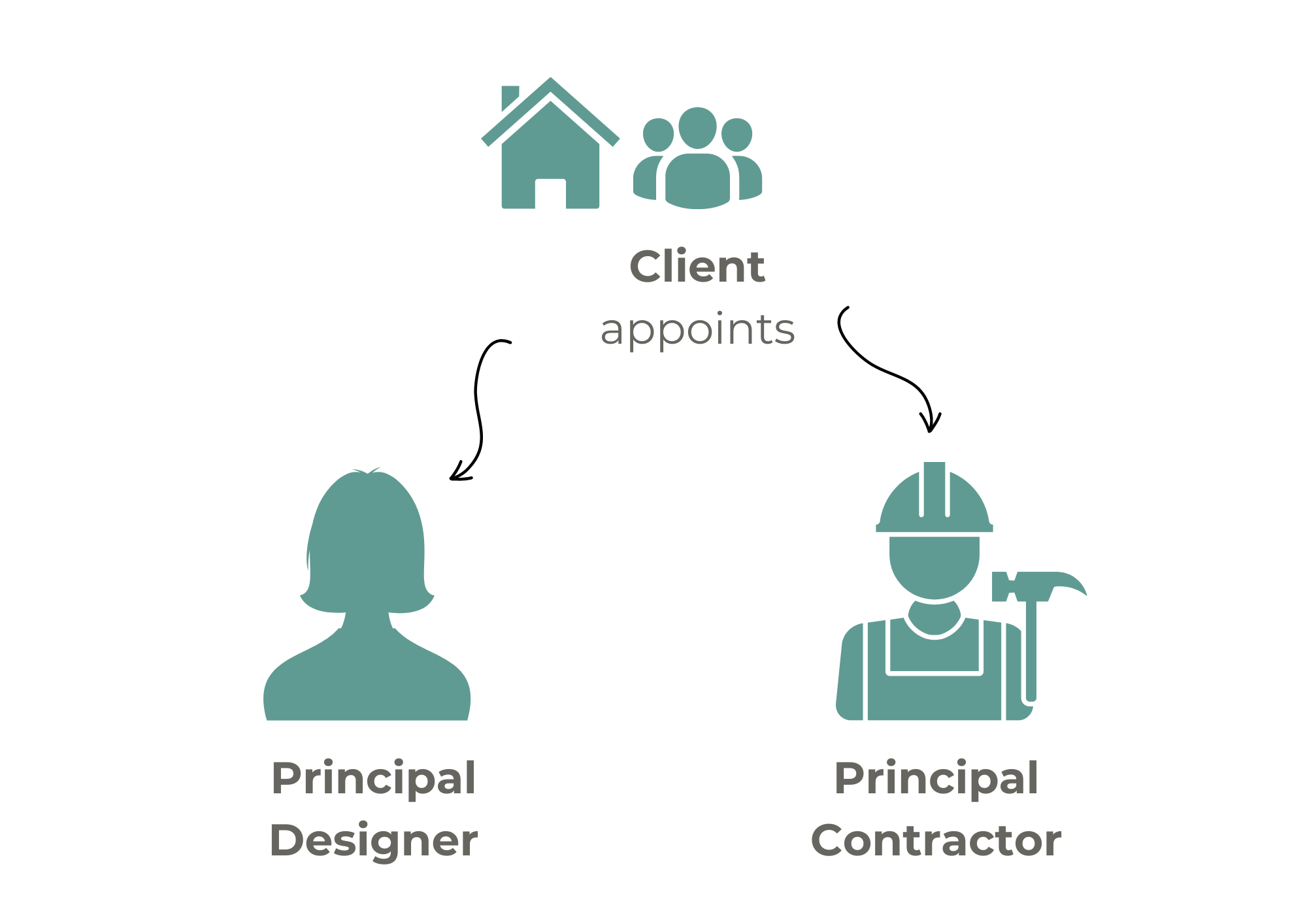
Who are duty holders?

  • clients (homeowners, developers, employers)
  • designers
  • principal designers
  • contractors and
  • principal contractors

What does it mean for you as a homeowner?

As a client (dutyholder), you are legally responsible for:

  • Appointing competent professionals to design and build your project.
  • Sharing relevant information related to your project.

What you need to do

When a building regulations application is submitted, you (the client and homeowner) have to declare who is taking on the principal designer duties – you have to be confident they are a competent designer.

Similarly, when you appoint a builder as principal contractor then you need to be confident they are a competent builder.

Both need to deliver your project such that it complies with the Building Regulations..


Typically, your designer will serve as the Principal Designer, and your builder will act as the Principal Contractor.


The changing role of Building Control

Building Control will no longer be able to advise how to comply with Building Regulations – it will be a simple

  • yes it’s compliant or 
  • No it’s not compliant– this applies at plan checking stage and on site

It is up to the competent designer to produce a compliant design and the competent builder to build to the approved design.

Enforcement and Penalties

A breach of duties by any dutyholder is a criminal offence. Failure of a duty holder to carry out their duties will be addressed via fines and a custodial sentence up to 2 years.

Once building work is complete

The dutyholders (Client, Principal Designer and Principal Contractor) are to provide a signed compliance declaration within five days of completion of the work confirming:

  • To the best of your (the client’s) knowledge the work complies with the Building Regulations.
  • The Principal Designer and Contractor both have to sign to say they have fulfilled their duties.

Potential pitfall: When a builder wants to make a change to the approved design

If there are design changes from the information declared as compliant by the Principal Designer (and approved by Building Control in their checking role) a competent designer needs to confirm that the design remains compliant.

You (the client) would be responsible for providing the relevant information or seeking assistance (from the Principal Designer) with the design element. 

Alternatively if you felt your builder was a competent designer you would need to declare a change of dutyholder and assign your builder as the new Principal Designer.

What happens once the build is finished?

Before Building control will carry out a final completion inspection, the client, the Principal designer and Principal contractor have to sign a “declaration of compliance” to say they are happy that they have carried out their duties under the act and the build is compliant with building regulations.

What happens if I can’t do this?

Building Control will not be able to issue a completion certificate, which may be an issue when you come to sell your property.

Want to find out more?

Check out the government guidance by clicking here.

If you are thinking of a project (around the Berkshire area) and need advice, please drop us an email at:- support@mapl.co.uk