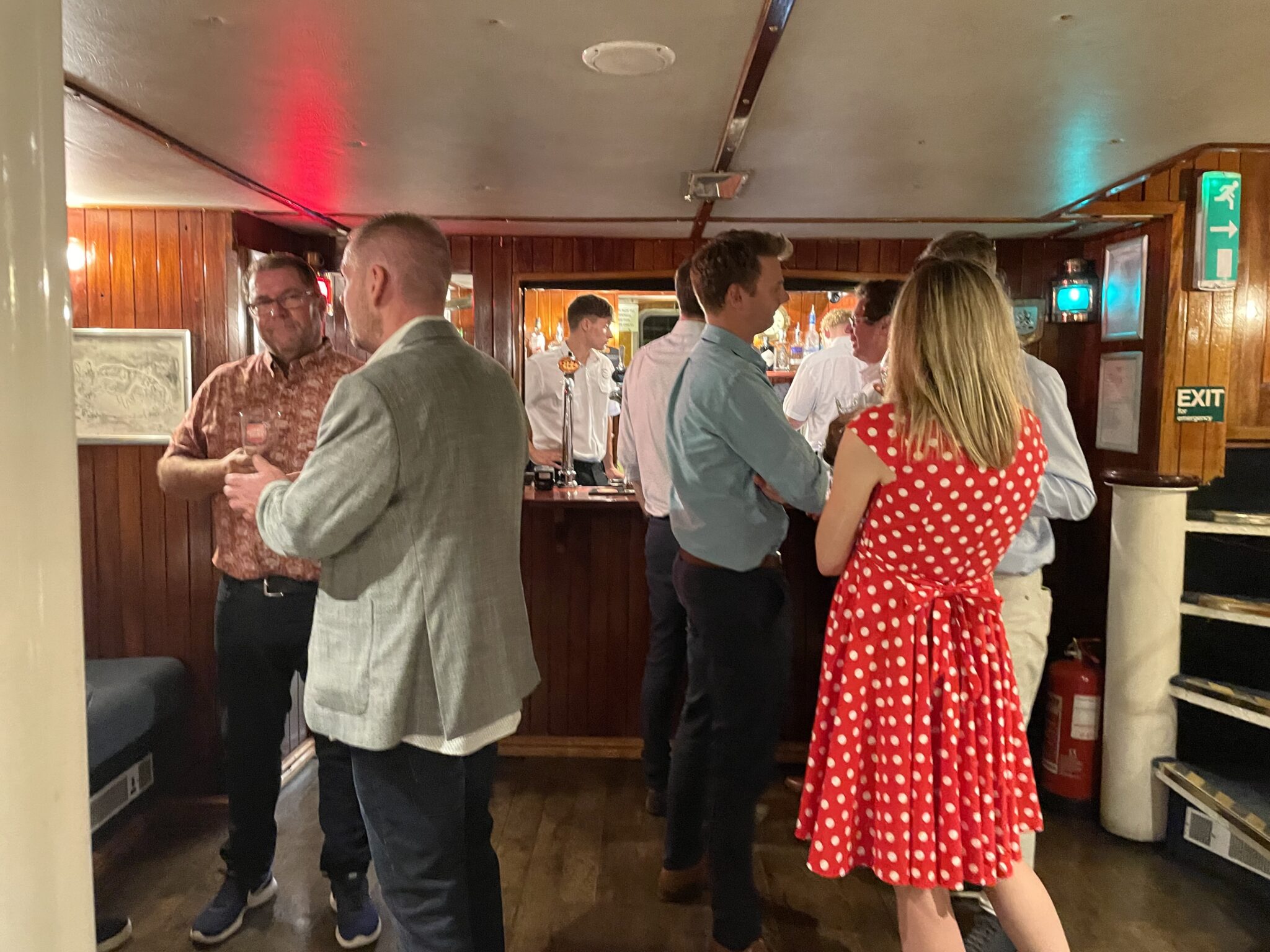
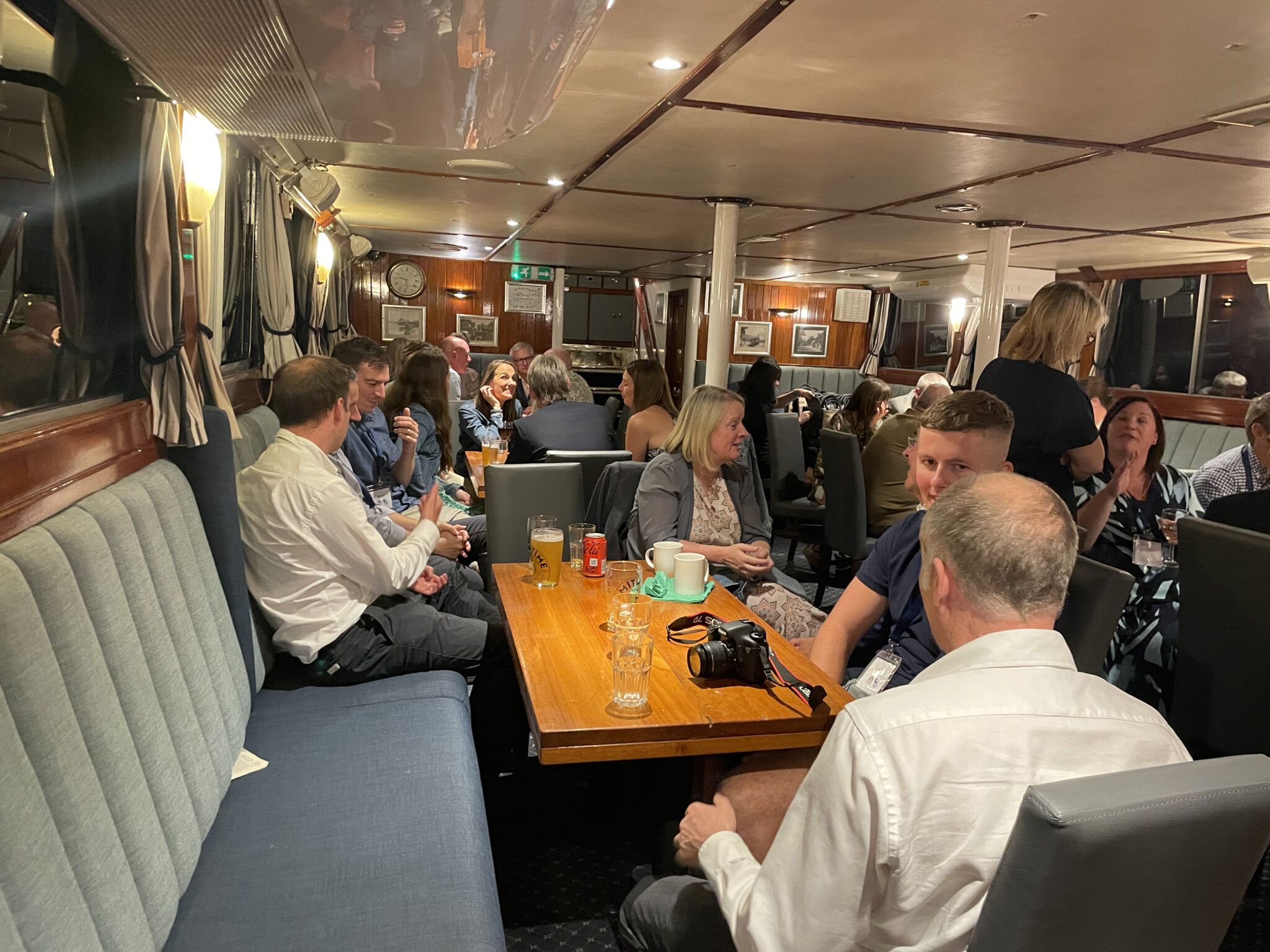
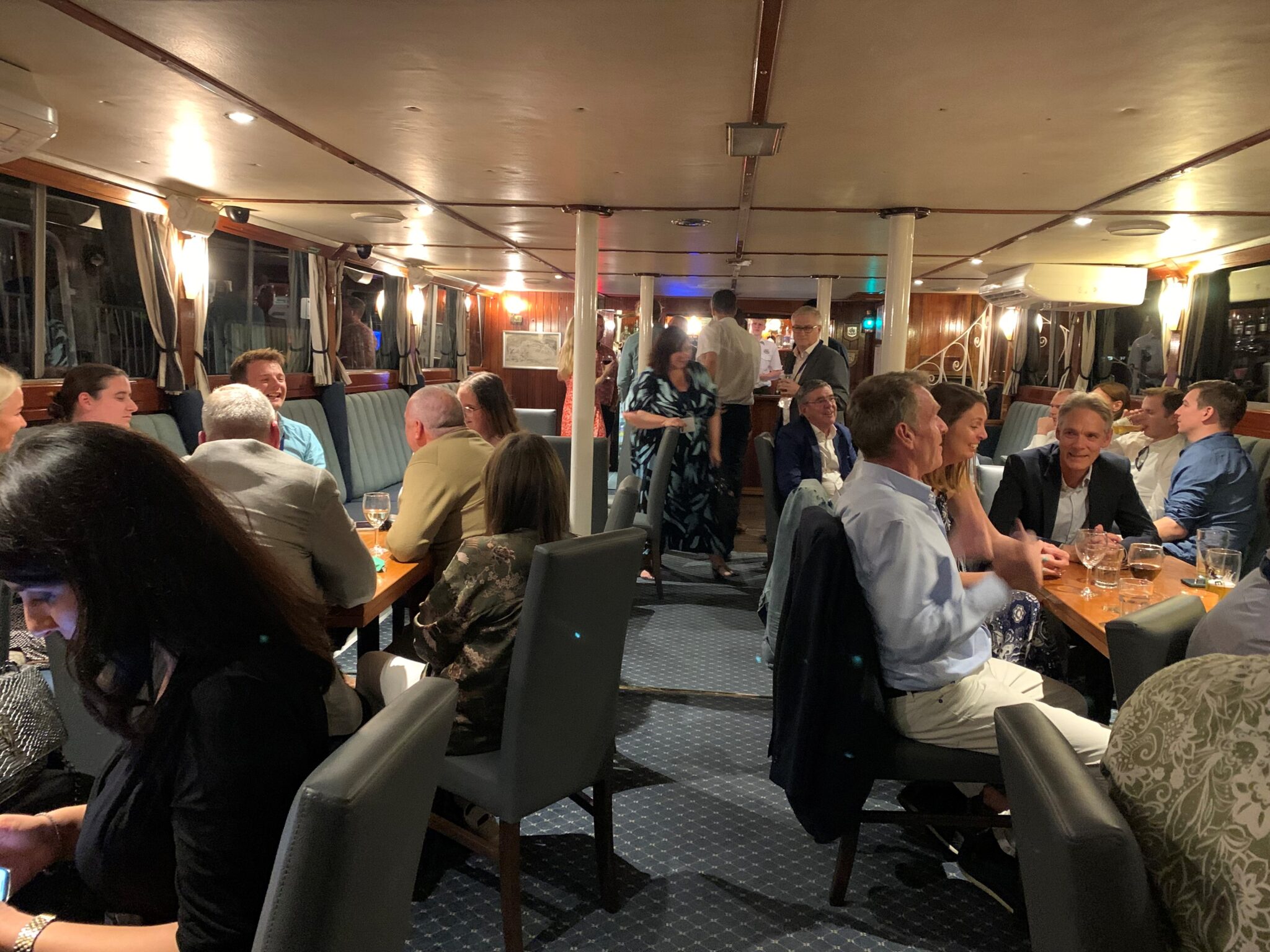
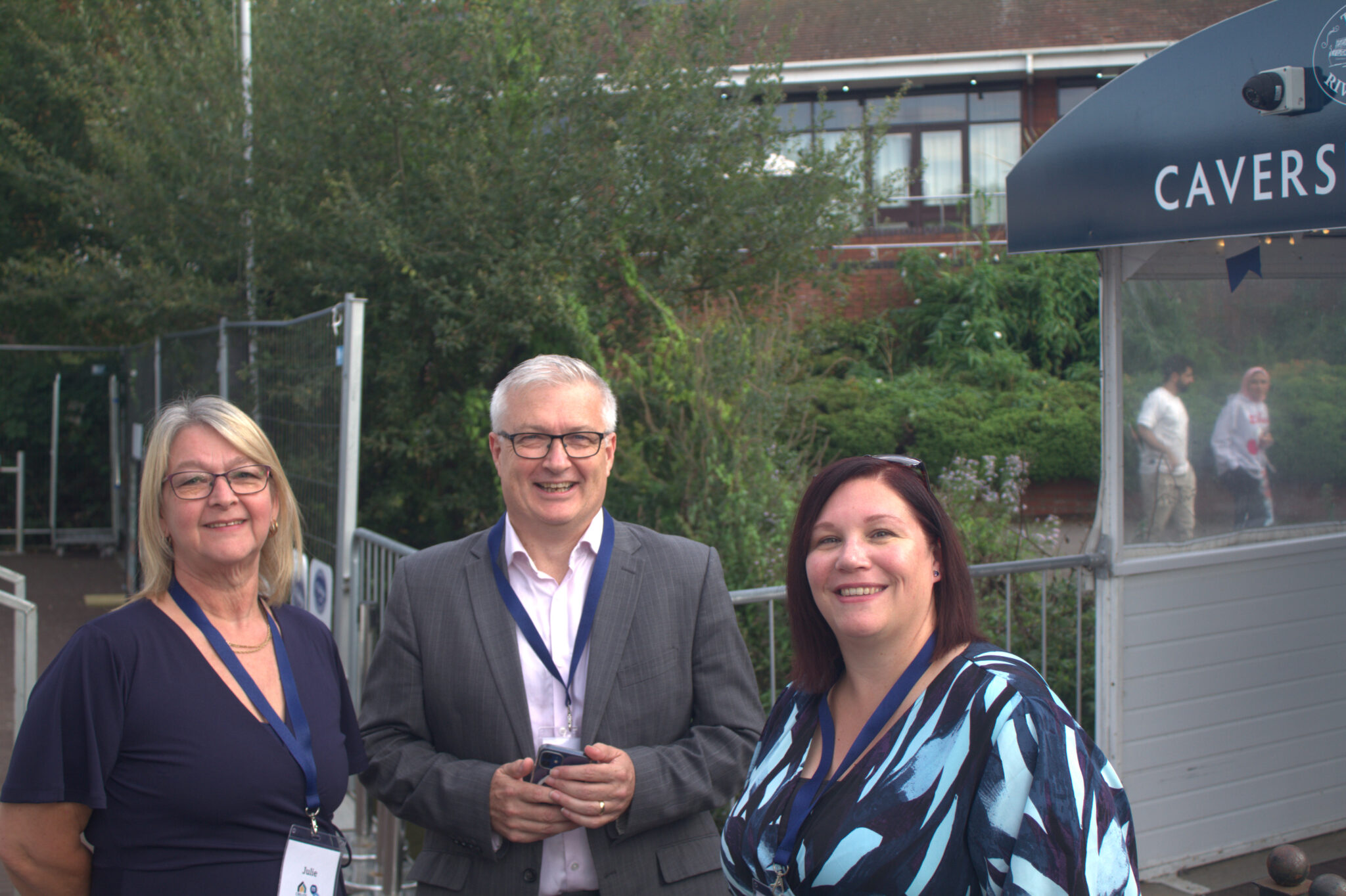
Clients, referrers, suppliers and friends of Michael Aubrey Structural Engineers and Create Home Design enjoyed a relaxing Friday evening exploring the picturesque River Thames.

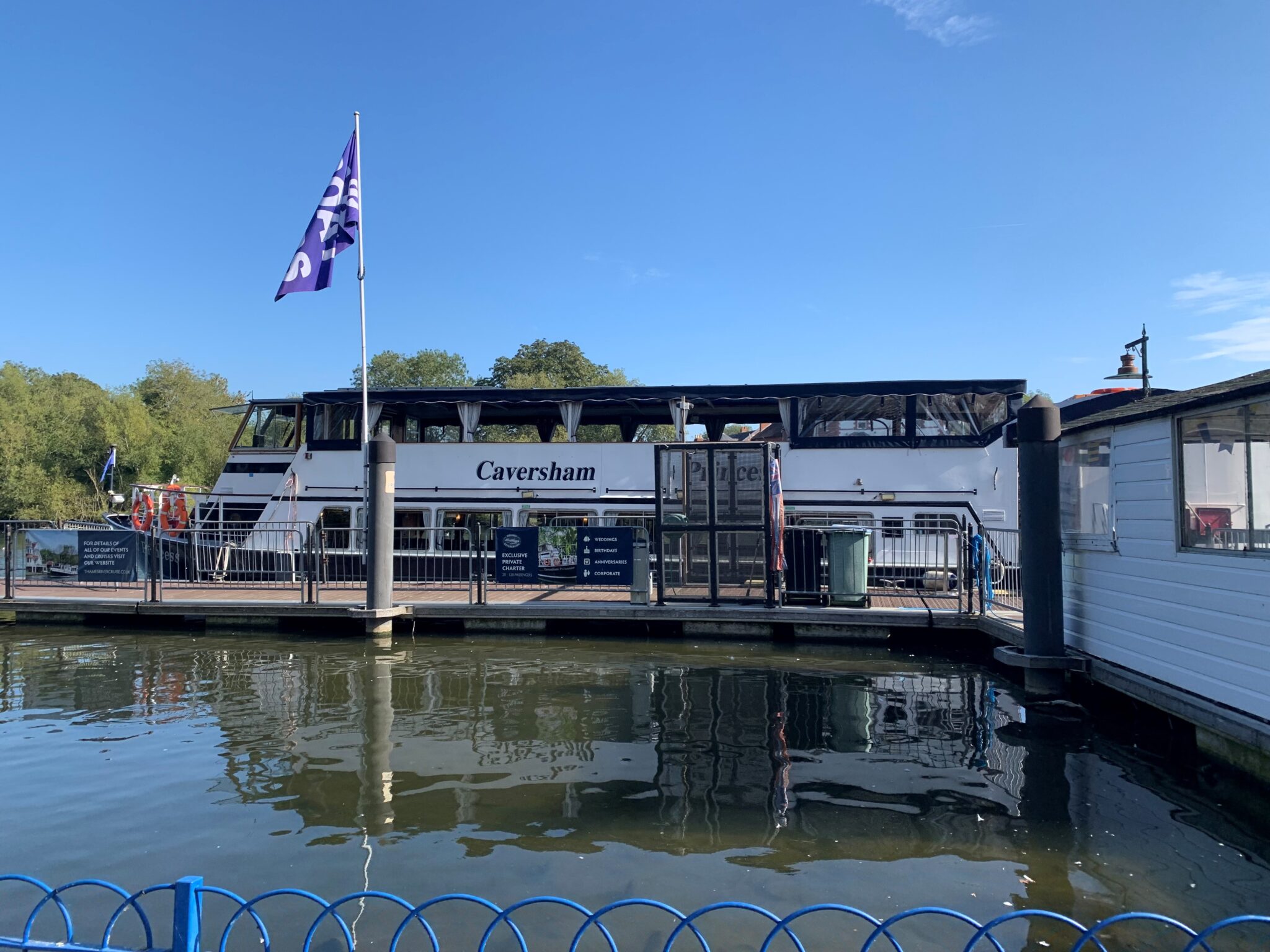
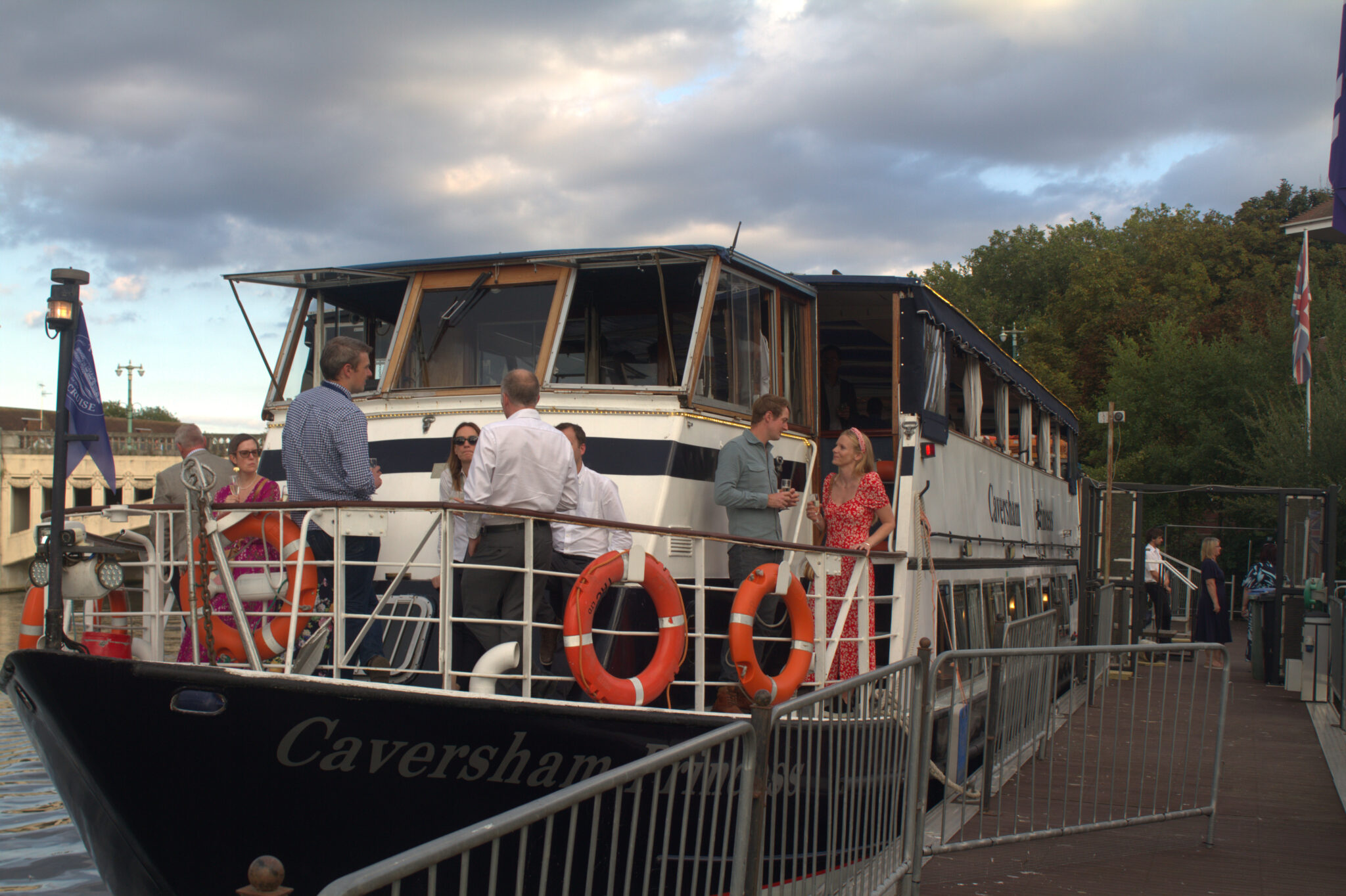
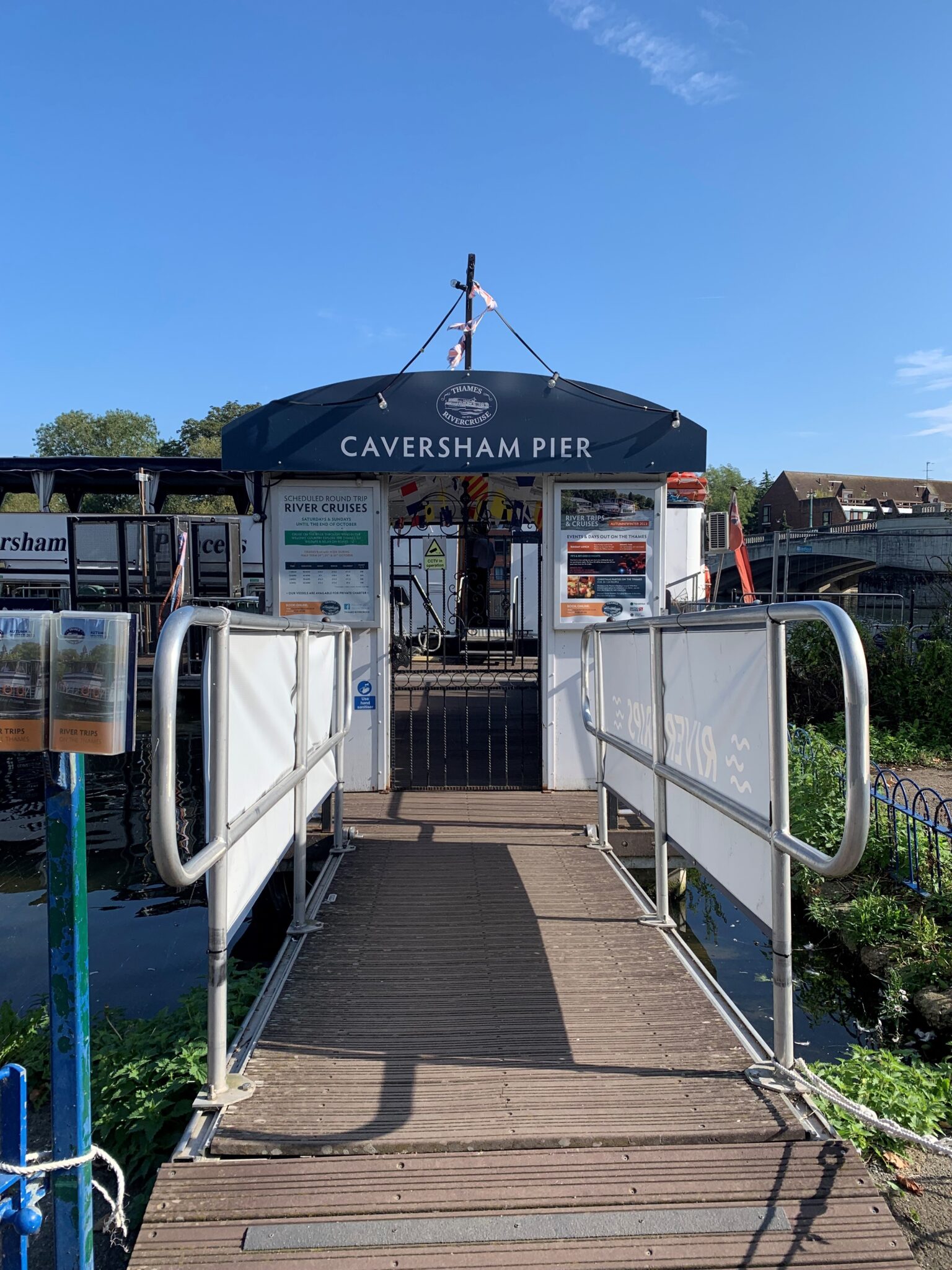
Boarding from the Caversham pier, Reading our private charter, the Caversham Princess departed just after 6pm.


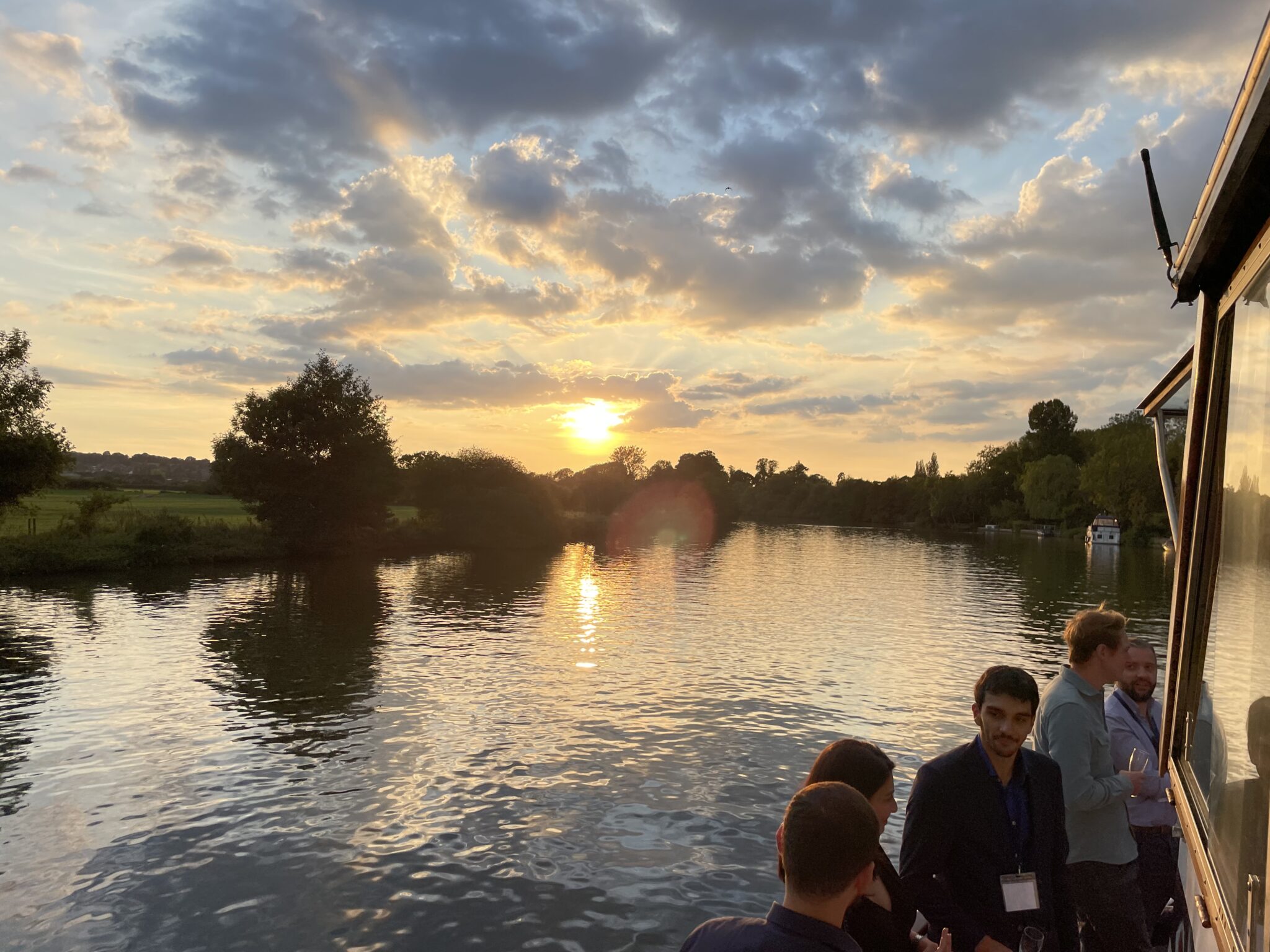
We were incredibly lucky with the weather – a beautiful warm summers evening ahead of us.

After enjoying welcome drinks, team members mingled with clients, referrers, suppliers and friends – some of which we had never met face to face!

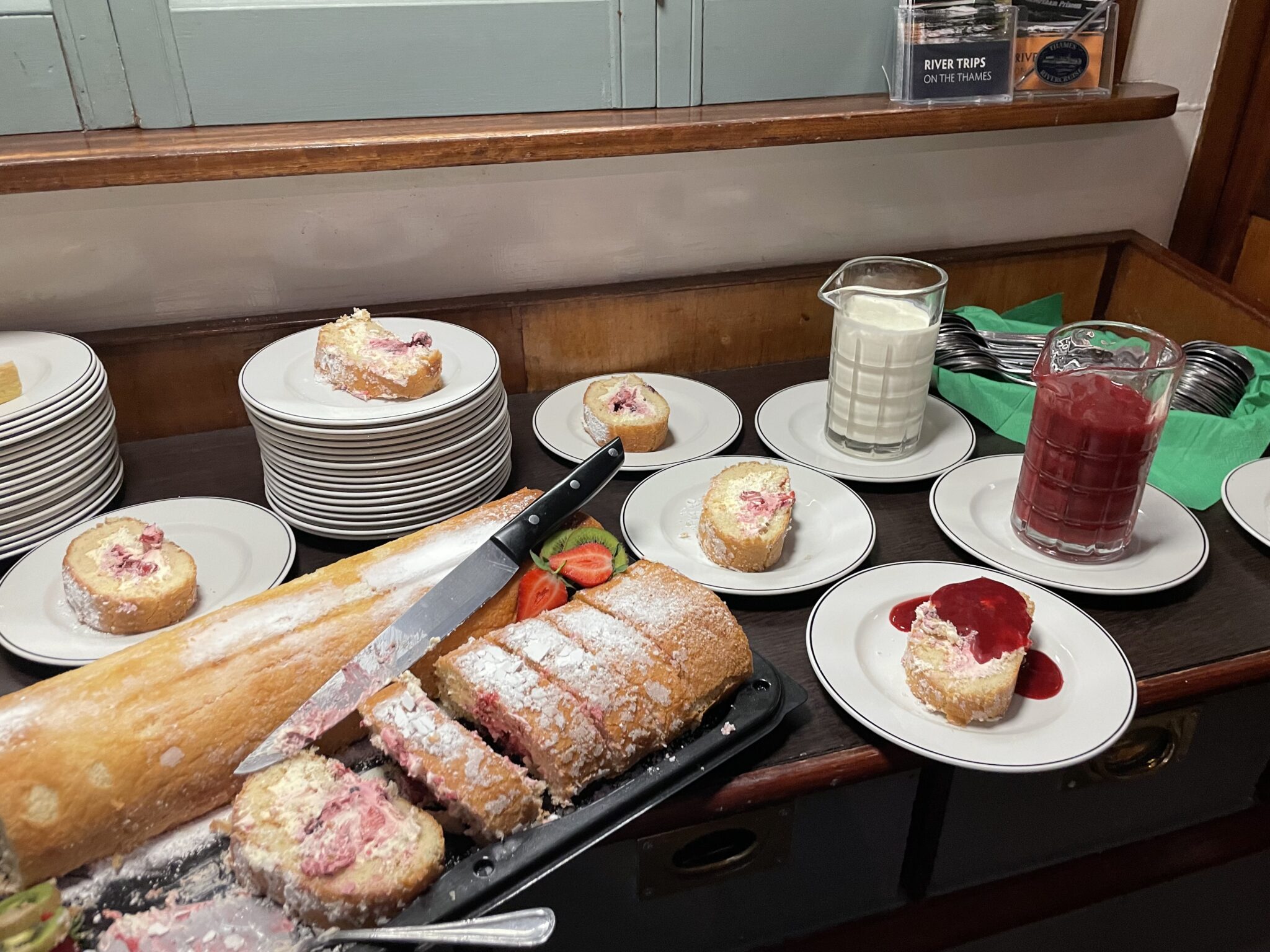
The highlight of the evening was undoubtedly the scrumptious “street food” BBQ, featuring delectable burgers and veggie kababs, complemented by two mouthwatering salads. To top it off, we savoured a delightful dessert spread, including a raspberry roulade and a lemon tart.


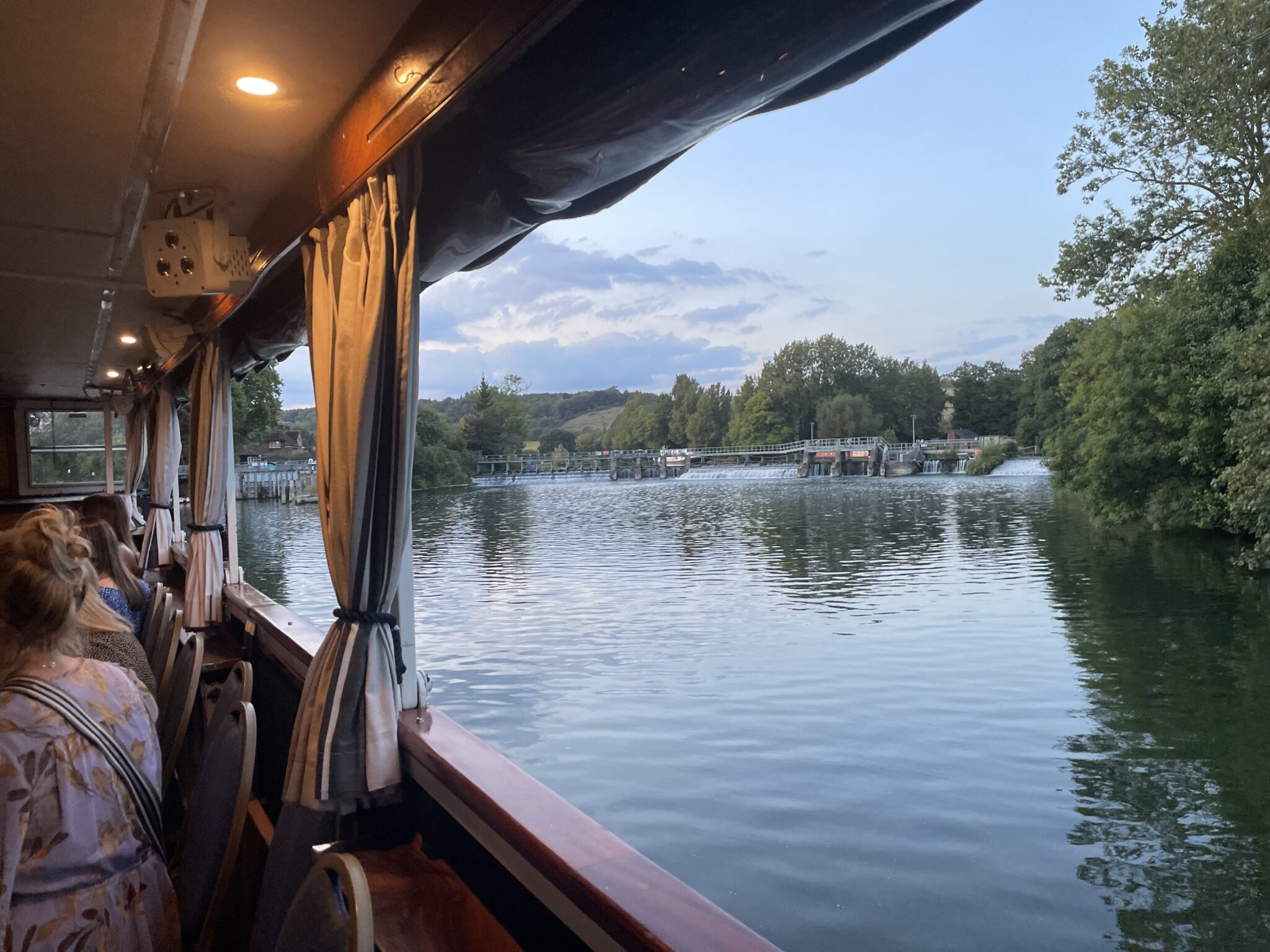
As we meandered up the River Thames, we enjoyed some of the most unspoilt reaches of the upper Thames, passing the pretty village of Purley on Thames and Mapledurham House.

Pausing for a moment as we navigated through Mapledurham lock, just as the sun was setting.


On return to Reading John and Carly thanked everyone for attending the event. The riverboat cruise was an extra special occasion celebrating the creation of Michael Aubrey Barrow – bringing Structural Engineering and Architecture together under one roof – a true collaboration of similar minds!

John also expressed appreciation to Julie and Leigh-Ann whose contributions ensured the event’s success and safety.

Thank You

Some lovely words of thanks from our Clients ….

“Just want to say thank you very much for a great evening on Friday – perfect weather, delicious food and a thoroughly enjoyable experience”.

“Just a little note to say thank you to you and all at Michael Aubrey Barrow for organising a great evening on the river cruise yesterday”.

“Thank you so much for inviting me to your event. It was a delightful evening meeting some old friends and delicious food. It was brilliantly organised Julie I know how much effort goes in to these things. It was good to learn of your new enhanced organisation which I personally believe is the right strategic move and fills an important gap. Thanks again for your continued support on the development”.

The Caversham Princess


The Caversham Princess was commissioned for Thames Rivercruise as the flagship of the Upper Thames. A luxurious twin deck passenger vessel, ideal for larger parties and private charter. For more details click here.

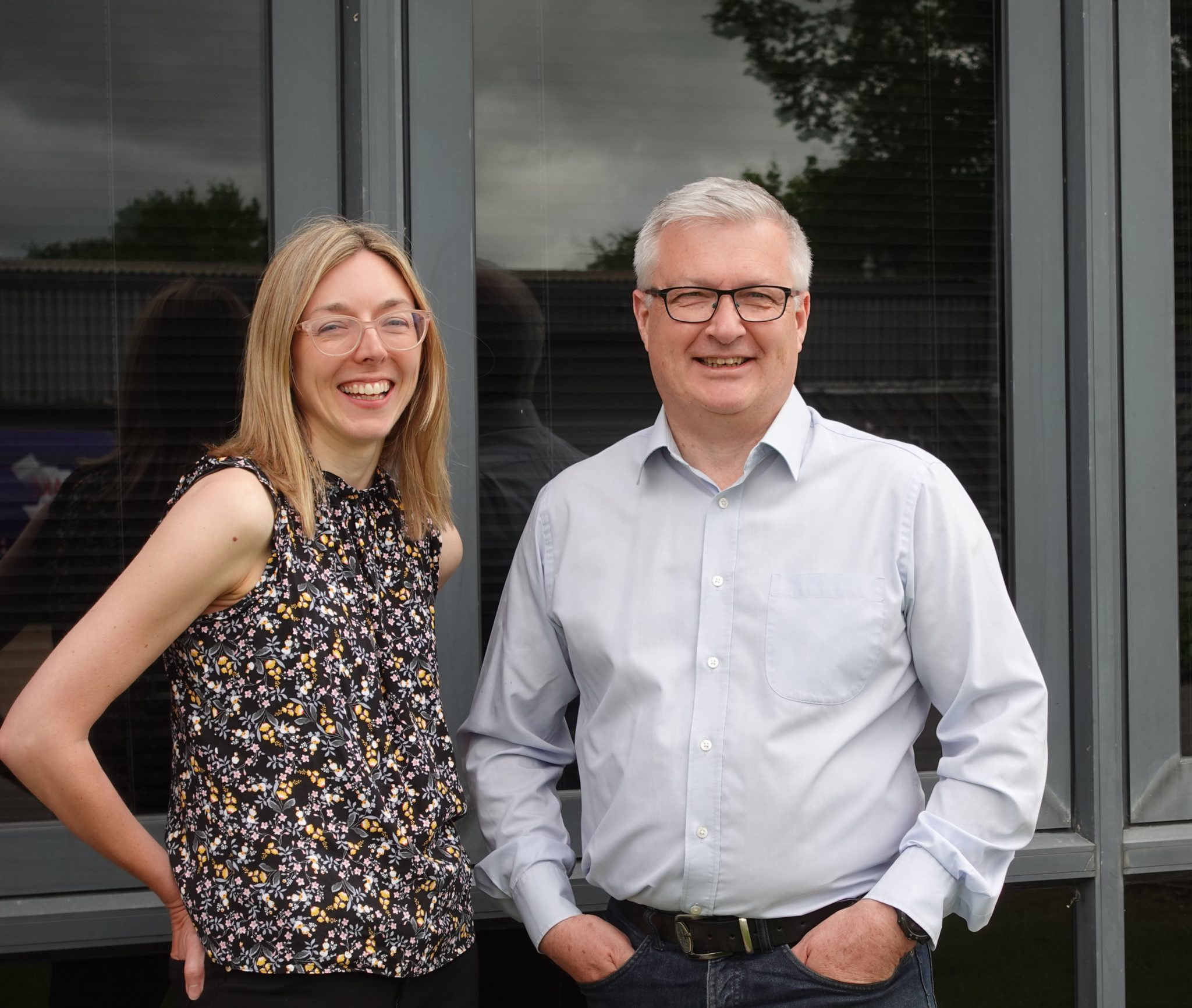
Today we are thrilled to announce our merger with Caversham based Architects, Greenway Barrow.Working as a separate brand under Michael Aubrey Partnership, “Create Home Design” will be in a unique position to help families to create their forever homes.John Staves, Chartered Structural Engineer will continue as Managing Director with Carly Barrow, RIBA Chartered Architect, joining as Head of Architecture.Talking of the merger, John Staves, Managing Director at Michael Aubrey Partnership said


Complementary Skill Set

“Today, we couldn’t be more excited to officially announce the creation of our new brand “Create Home Design“.We have been working together for several years, and with such a successful working relationship and a complementary skill set, we felt the two companies had more to offer together than apart.


Well Thought out, Unique, and Cost Effective

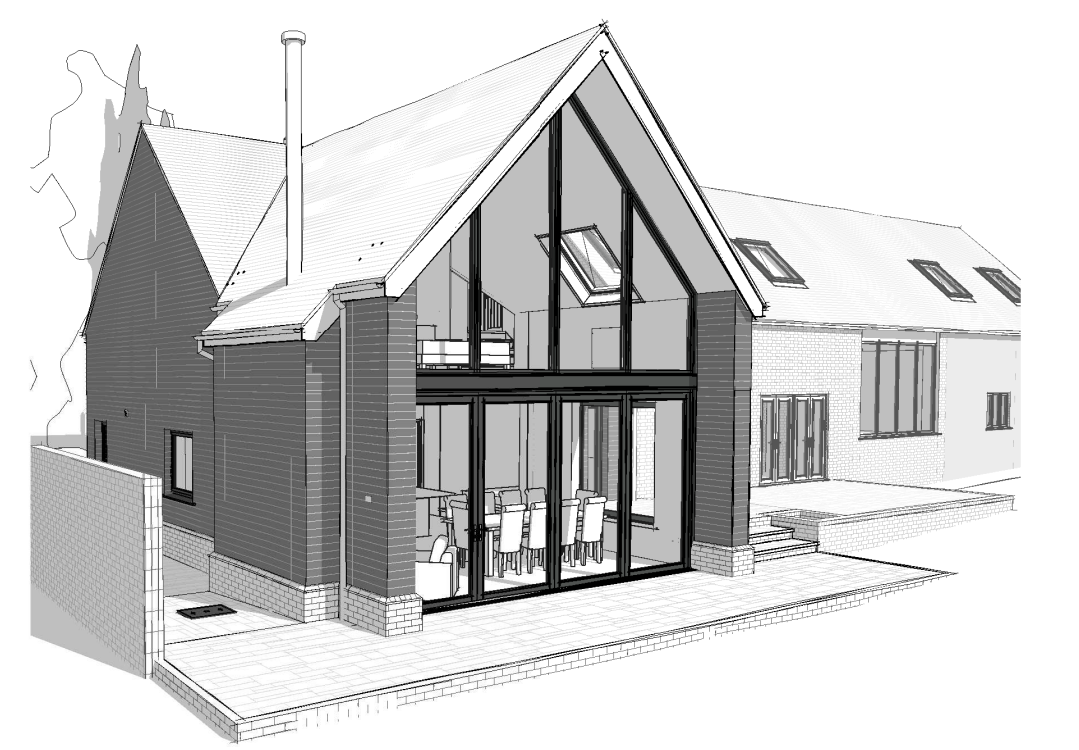
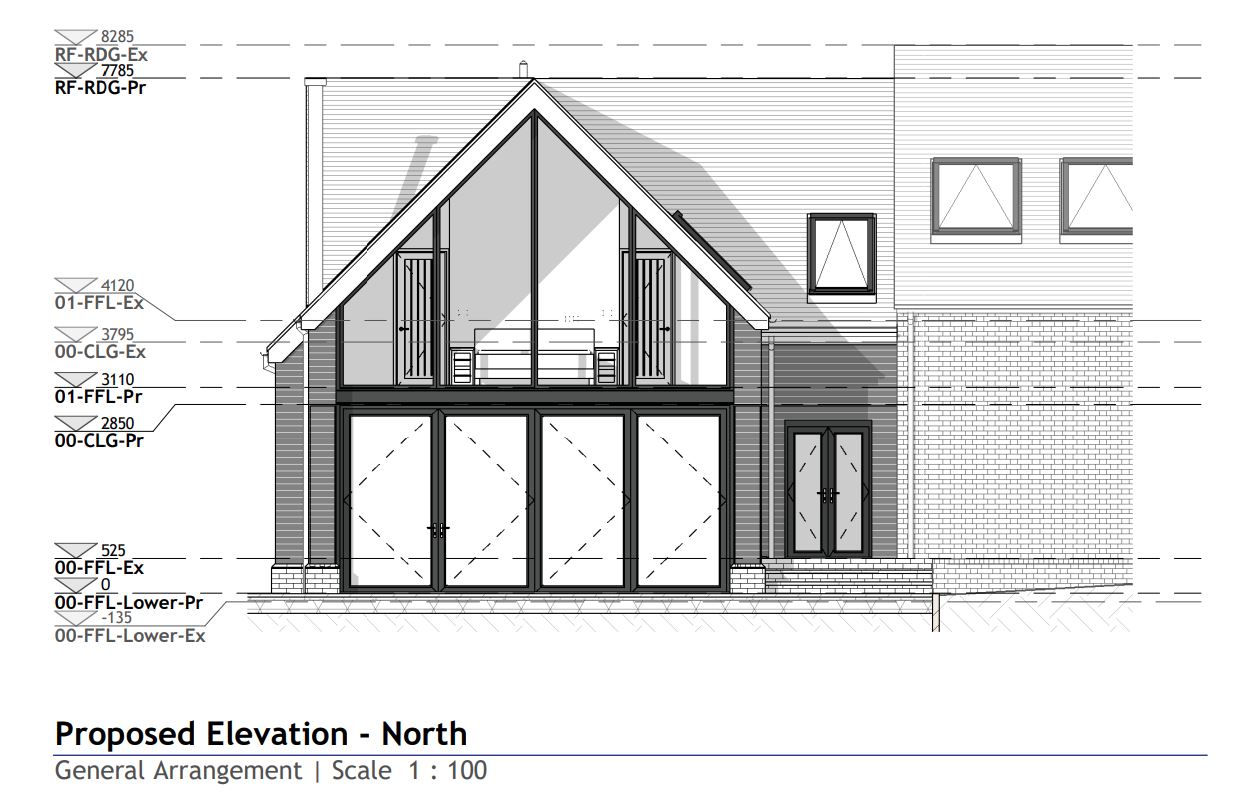
“The greatest benefit to our clients is the reassurance that they will be receiving expert engineering and architectural advice at the outset of their project. This means that they can be confident their vision for their forever home will be well thought out, unique, and cost effective – with no need for design compromises further down the line!We use the latest “BIM” 3D technology so our clients can start to get excited and “experience” their new home in 3D before it’s even built!We are looking forward to the many projects we will complete together as one company in the future.”


Talking of the merger Carly Barrow, Director of Greenway Barrow Architects said

Dedicated and Experienced

“Having developed a close collaboration, I’ve seen first-hand the benefits of structural input early on in the design process.The team at Michael Aubrey are a dedicated and experienced bunch and I’m excited to be joining them to deliver a more holistic offering. 


create home design


Helping Families Develop Ideas

Our shared values and client centric approach will continue be at the heart of our process, we’re looking forward to helping more families explore and develop ideas to create their forever homes!”

New builds, Replacement Dwellings and Large Renovations

Create Home Design will specialise in residential new builds, replacement dwellings and large house renovations.If you are thinking of a large house renovation or are at the early stages of looking for a plot of land, we can be contacted on; 0118 962 7999, hello@mapl.co.uk or fill in your details below and we’ll get back to you the same working day.

Contact me

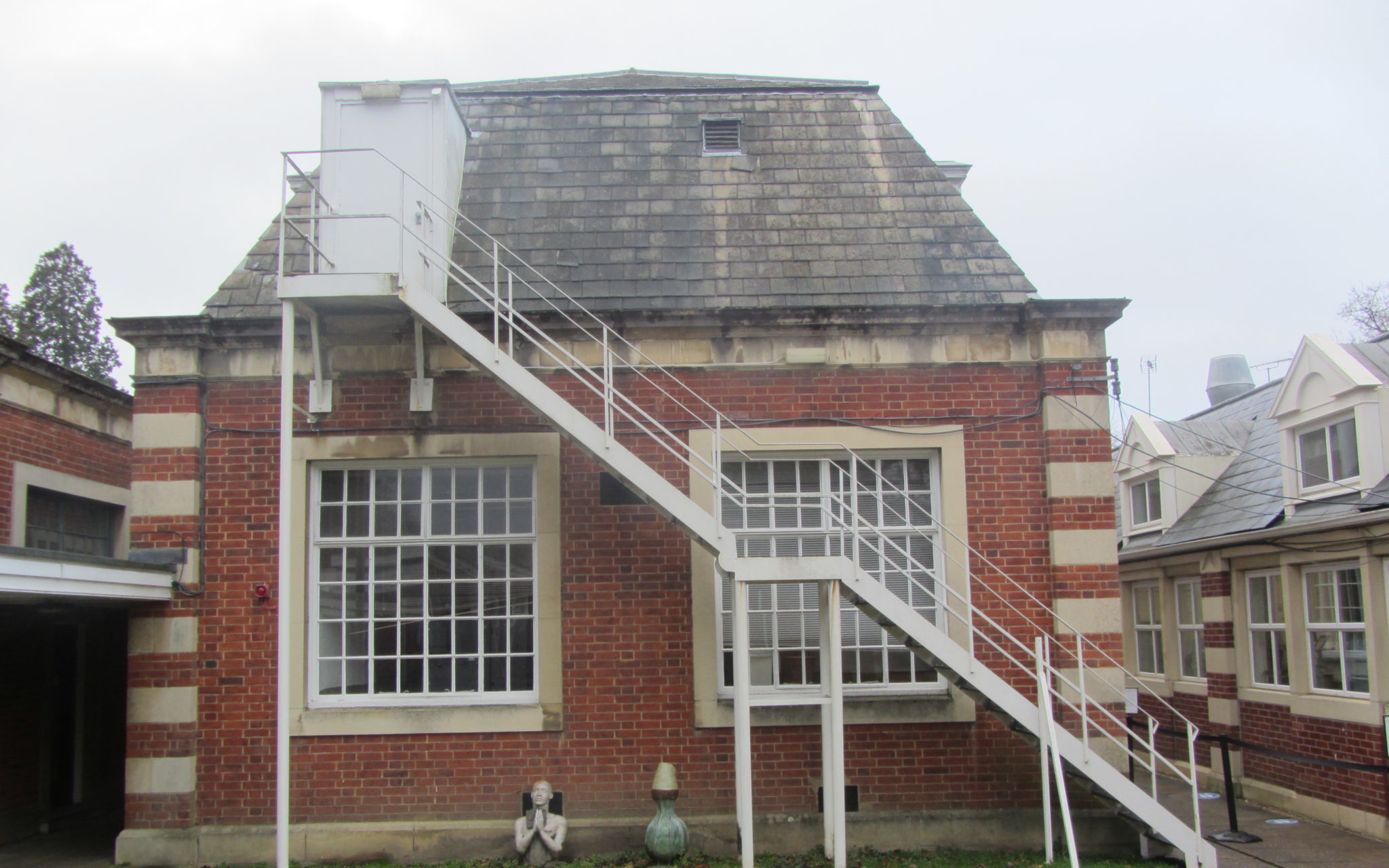
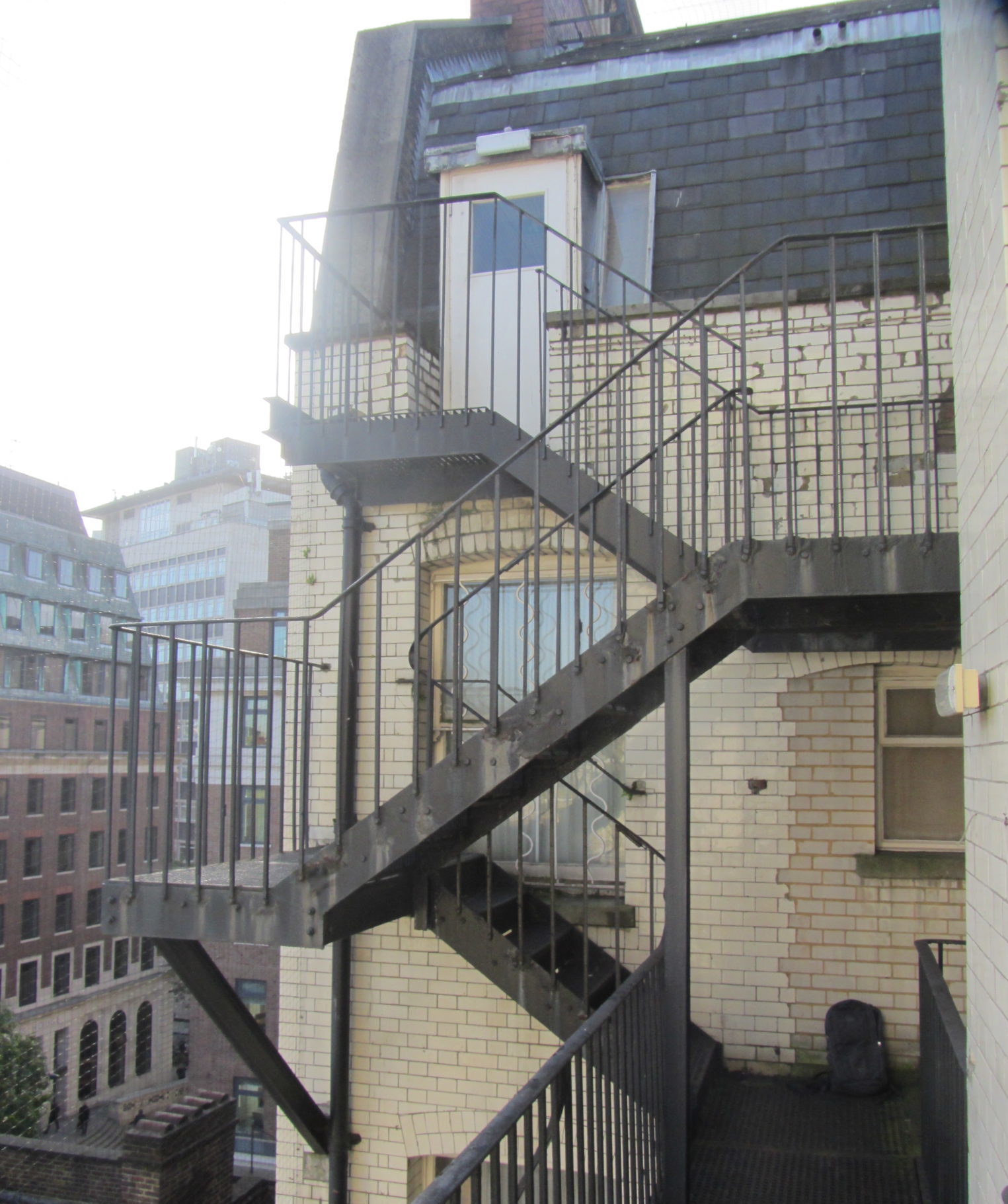
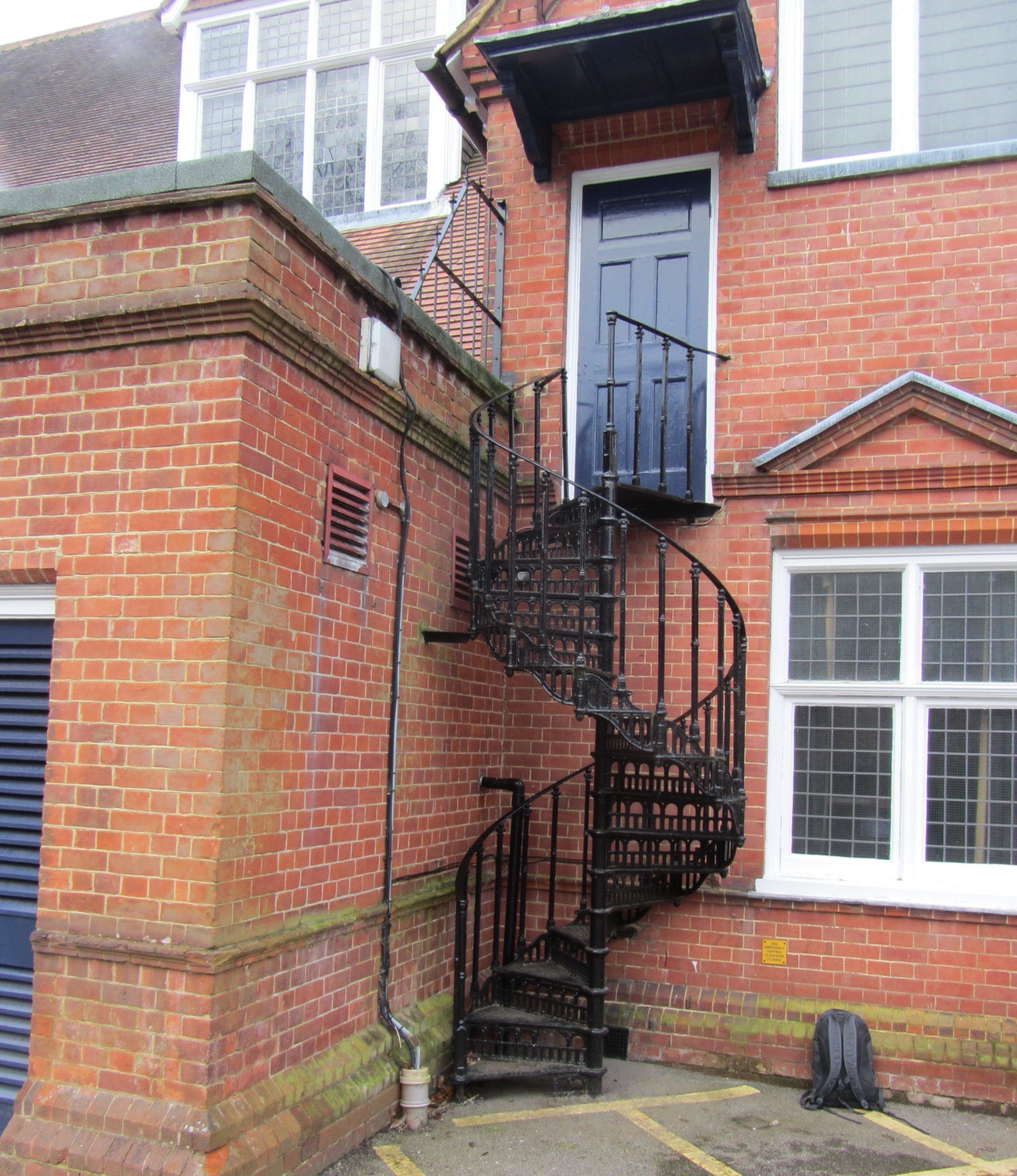
Today I’m talking to Oliver Goodyear, Engineering Manager at Michael Aubrey Partnership about the main issues associated with fire escape inspections and how we helped a recent client.

What Are The Main Issues That You Encounter When Carrying Out A Fire Escape Inspection?  

One of the main issues with these types of structures is that they are rarely used and, in most instances, never tested for a mass egress scenario, as fortunately fires are rare. 

But because of this, these structures are often found neglected and left to deteriorate. 

Unfortunately, we are finding that there are an alarming number of inadequate staircase structures out there, that may struggle to provide their intended function at their hour of need. 


What Do You Normally Look For During A Fire Escape Inspection?

In general, we are looking at two items. Firstly, is the fire escape staircase structurally safe, i.e would it support the load imposed by a mass egress scenario?

We do this by checking the structural condition of each staircase component and connection. 

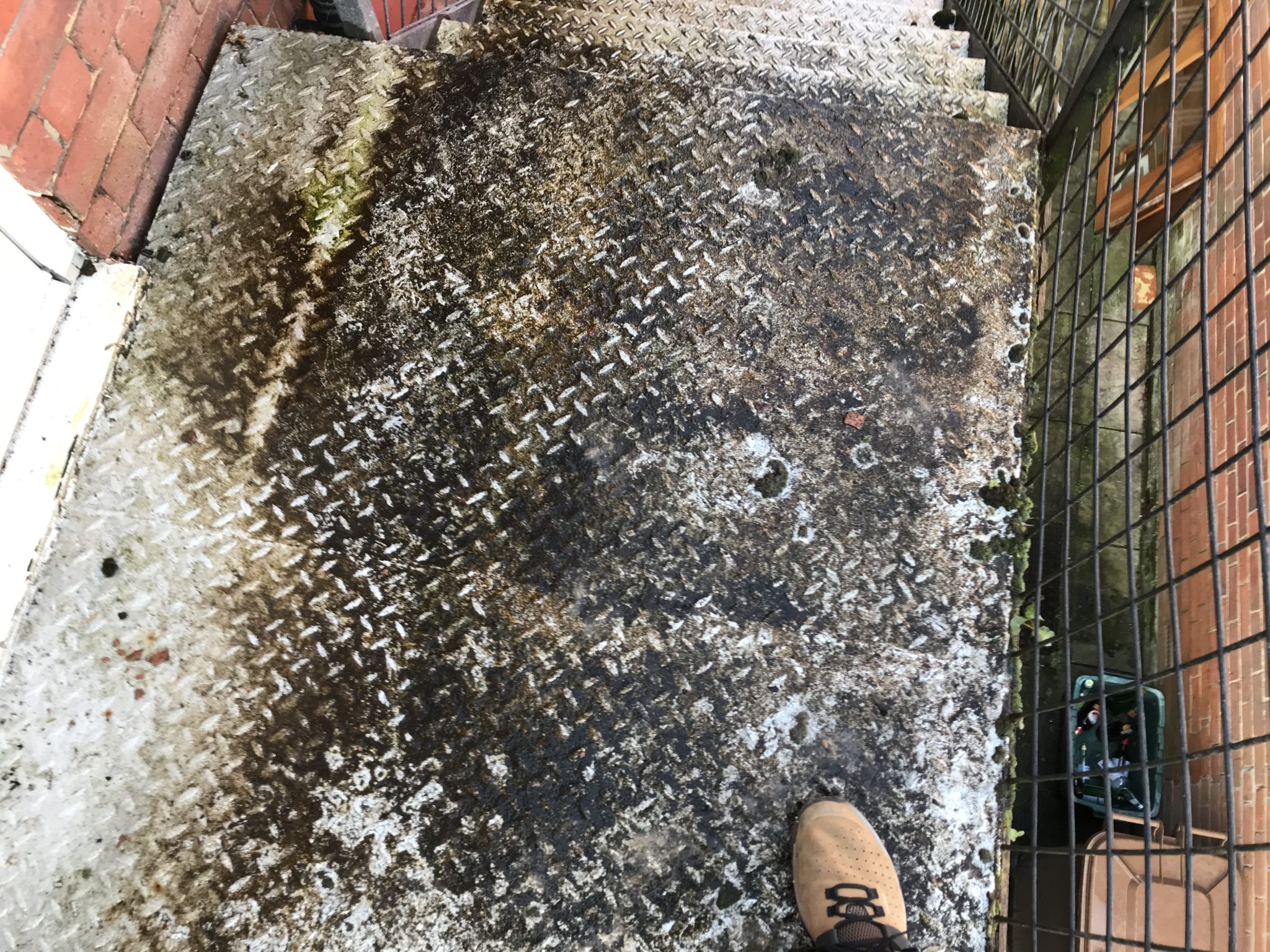
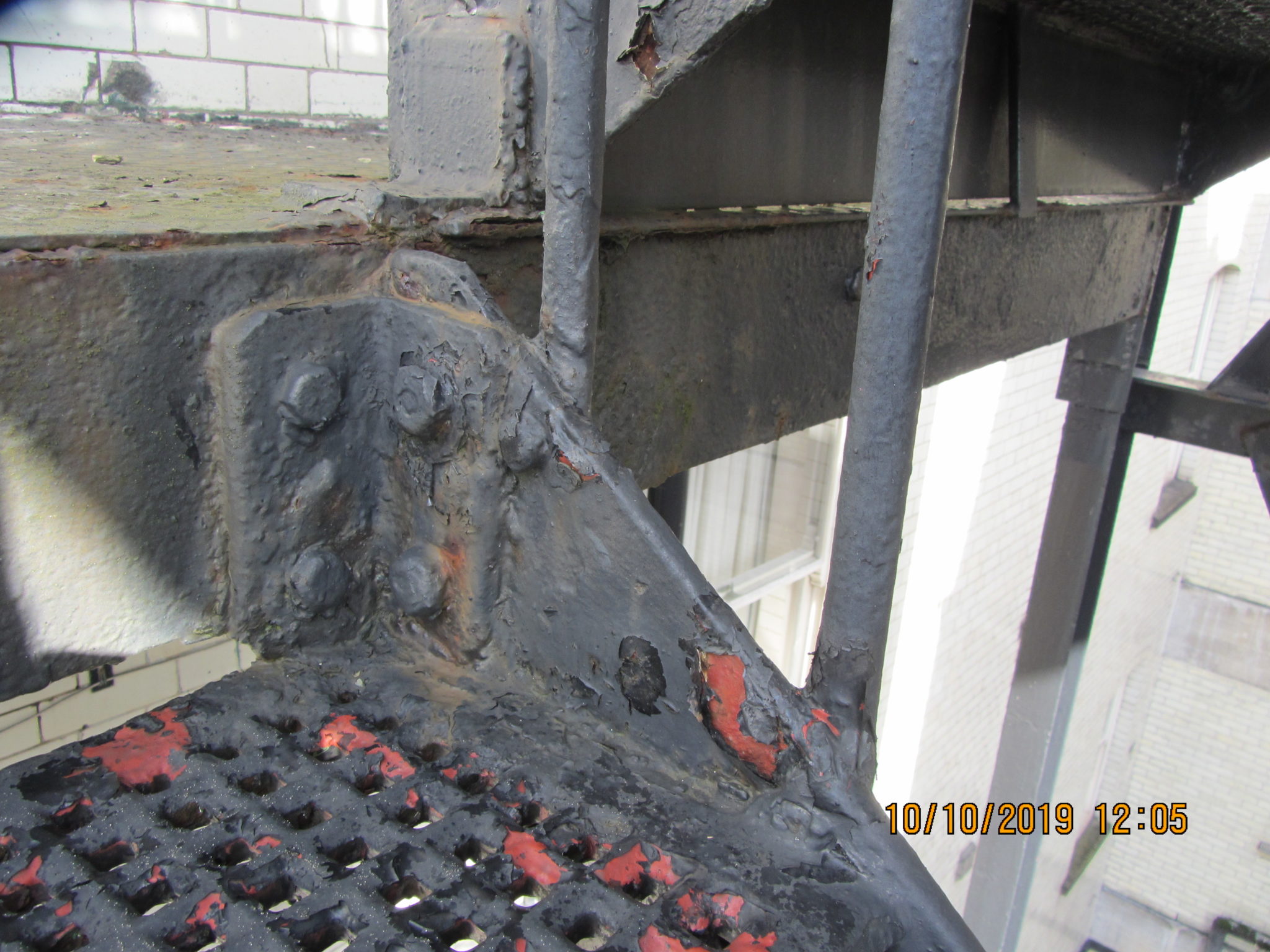
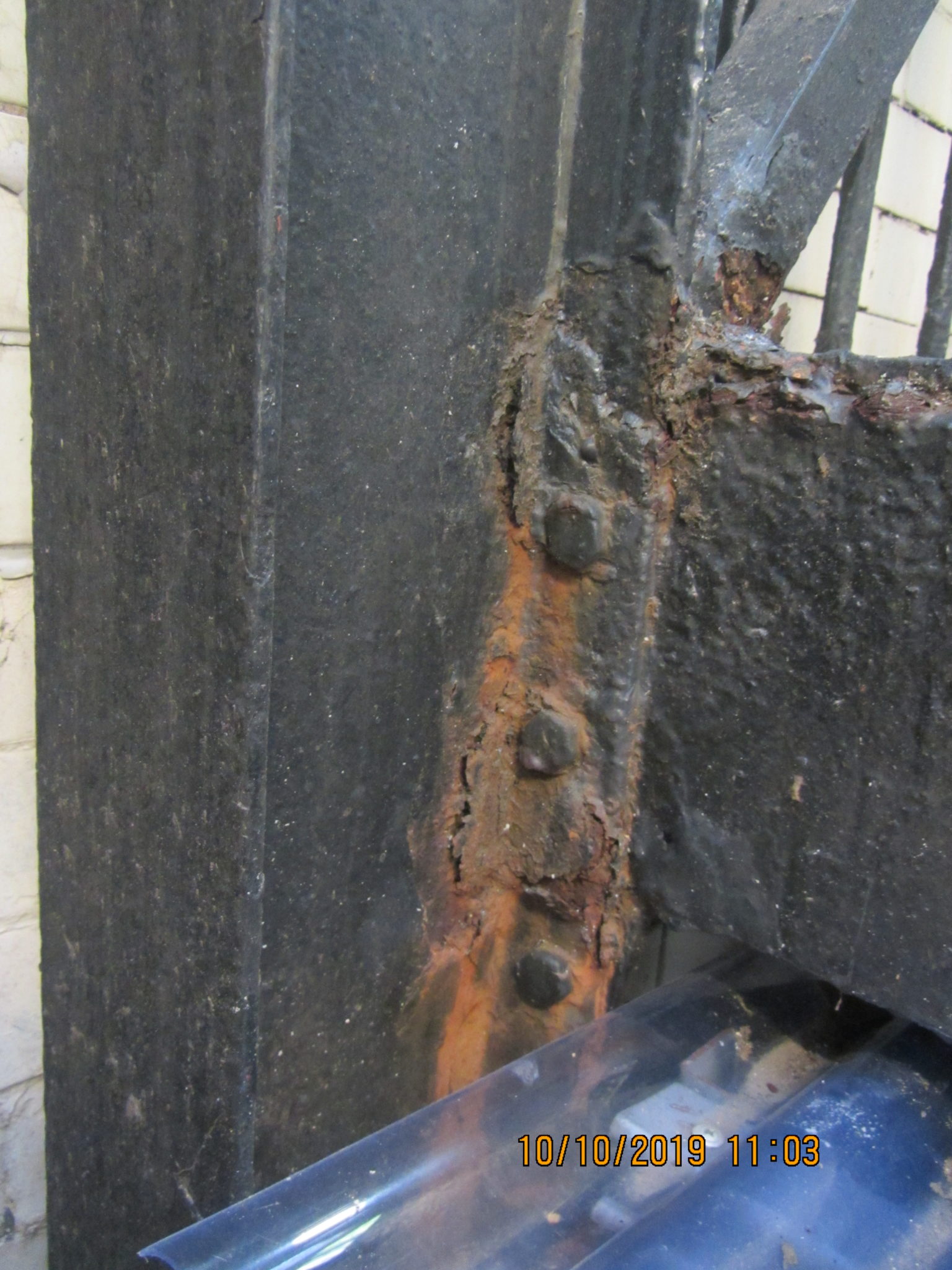
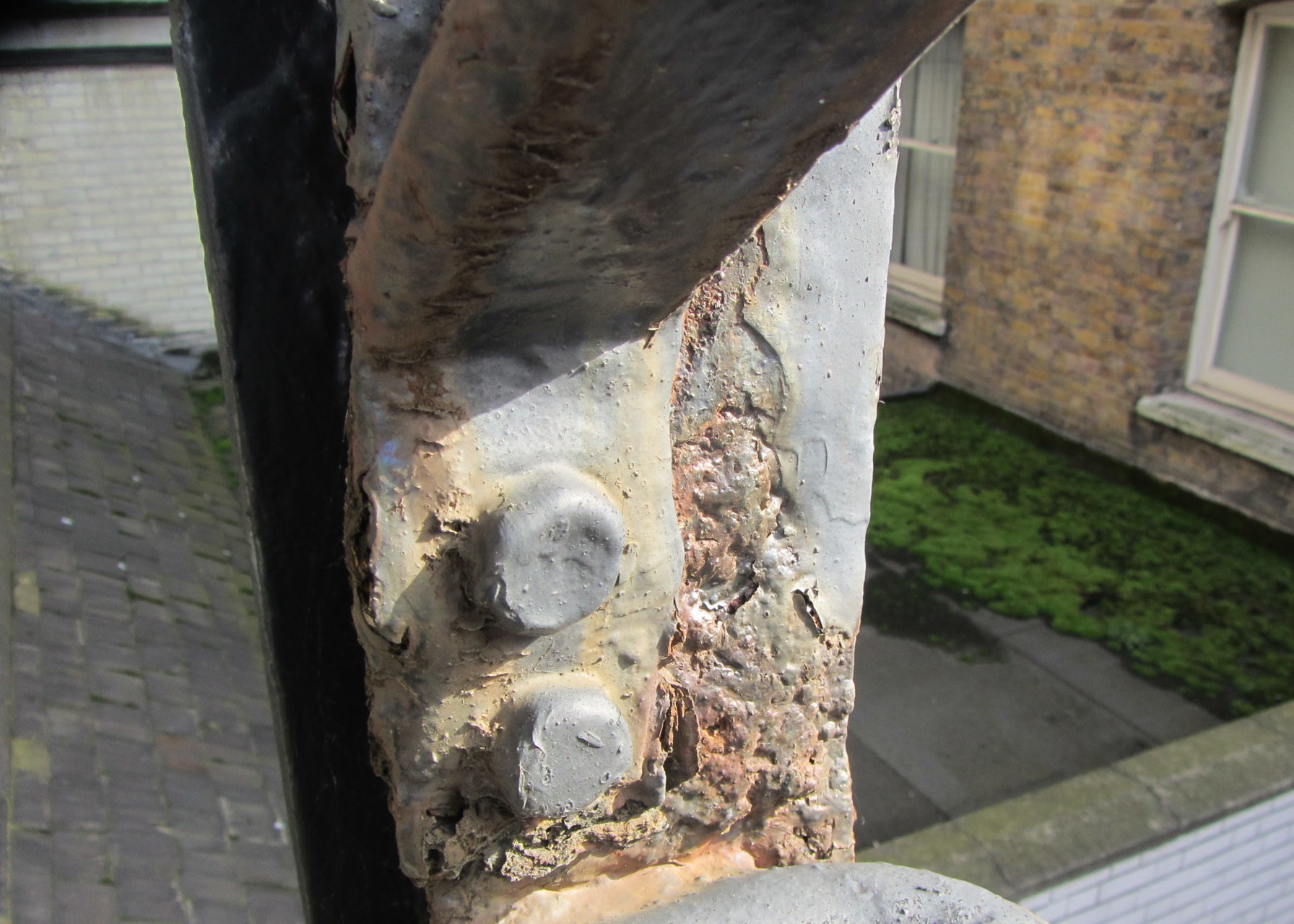
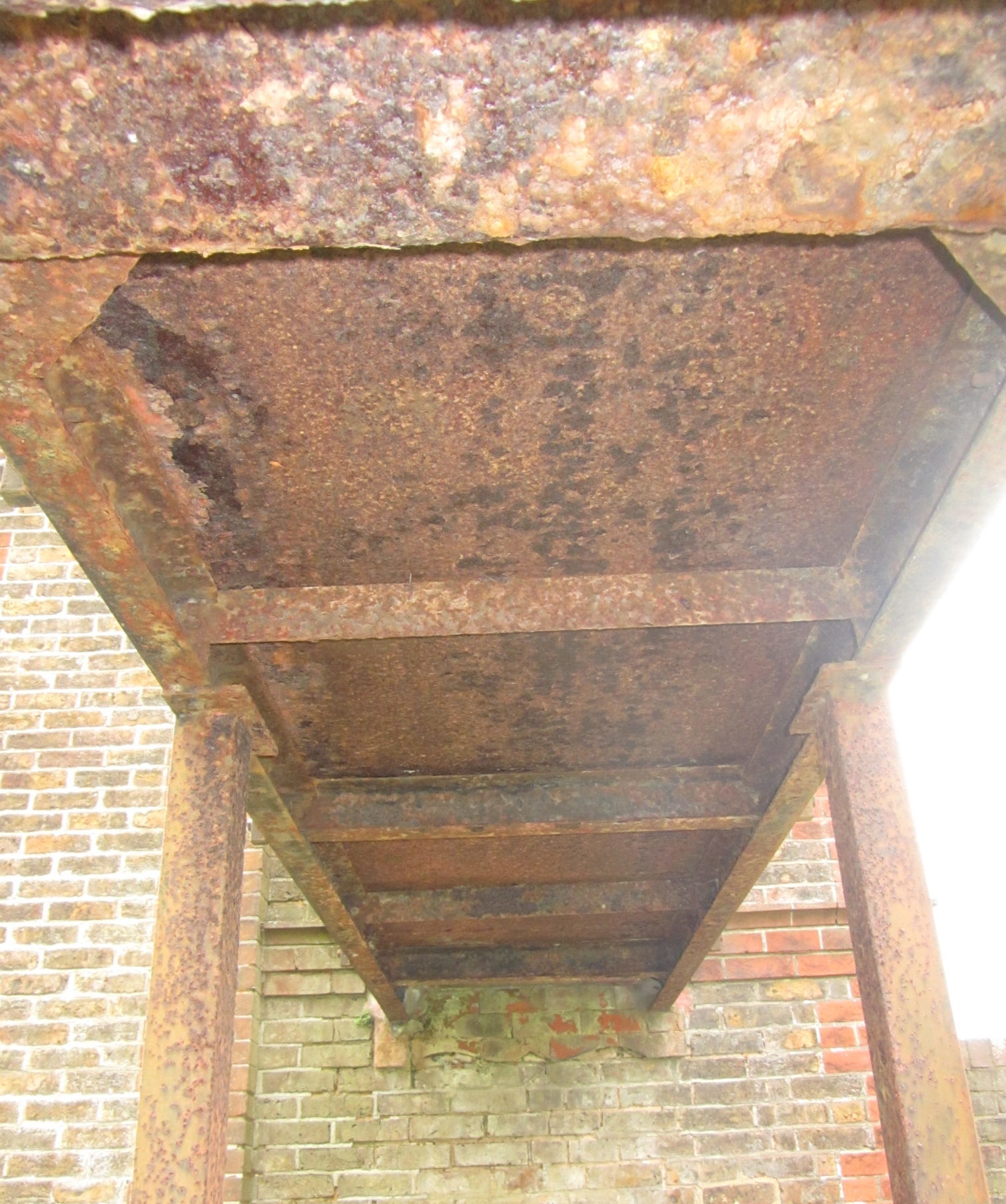
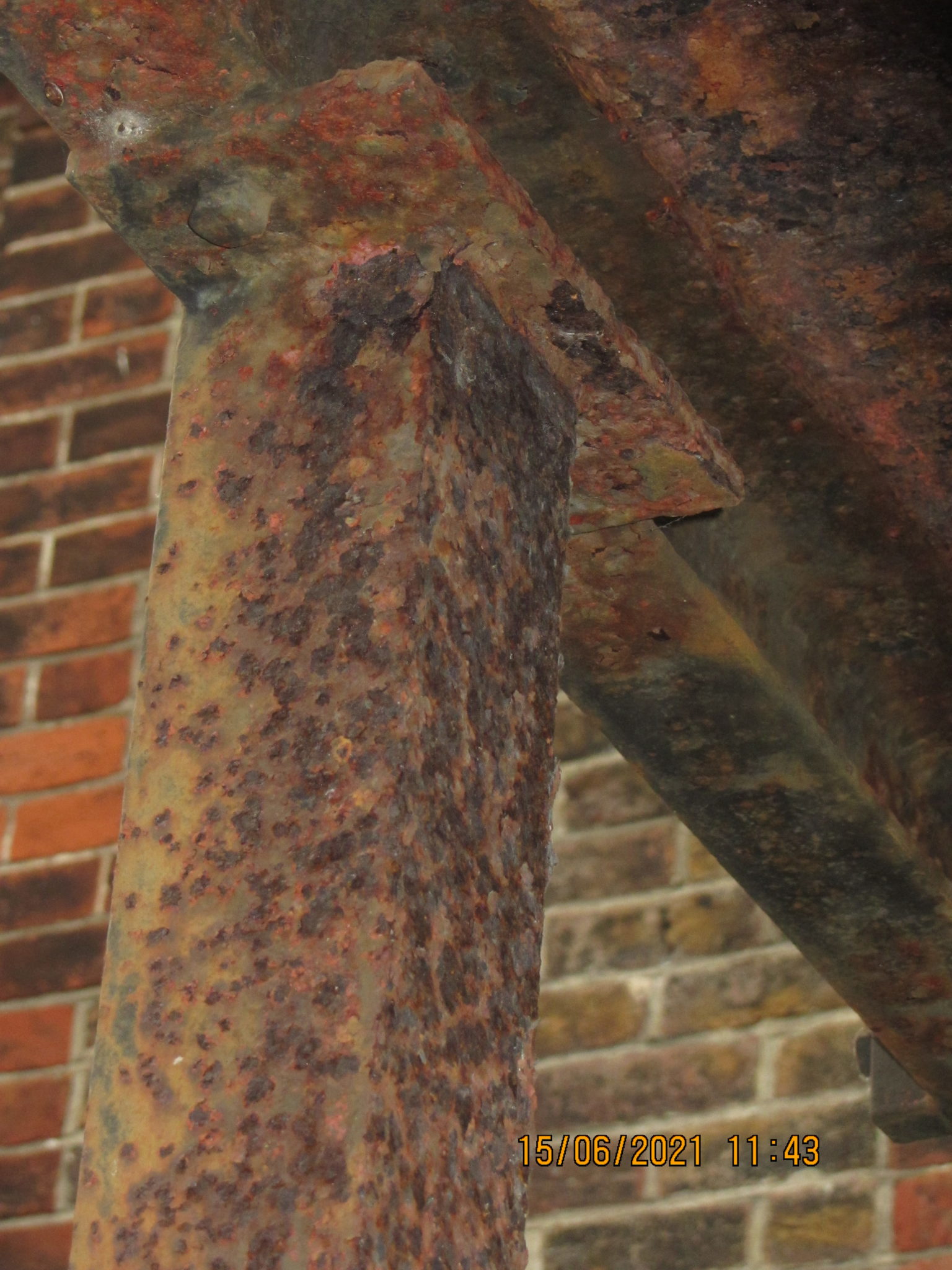
Most staircases are usually steel and we find deterioration due to corrosion is the most common defect. 

However often we are finding the corrosion is exacerbated by poor detailing (leaving somewhere for water to collect), the wrong type of bolt or even the wrong type/poorly applied paint. 


Secondly, if the staircase is deemed structurally safe, the other item we assess is whether the staircase itself is safe to use in terms of functionality.

We often try to align this with Building Regulations and check that the

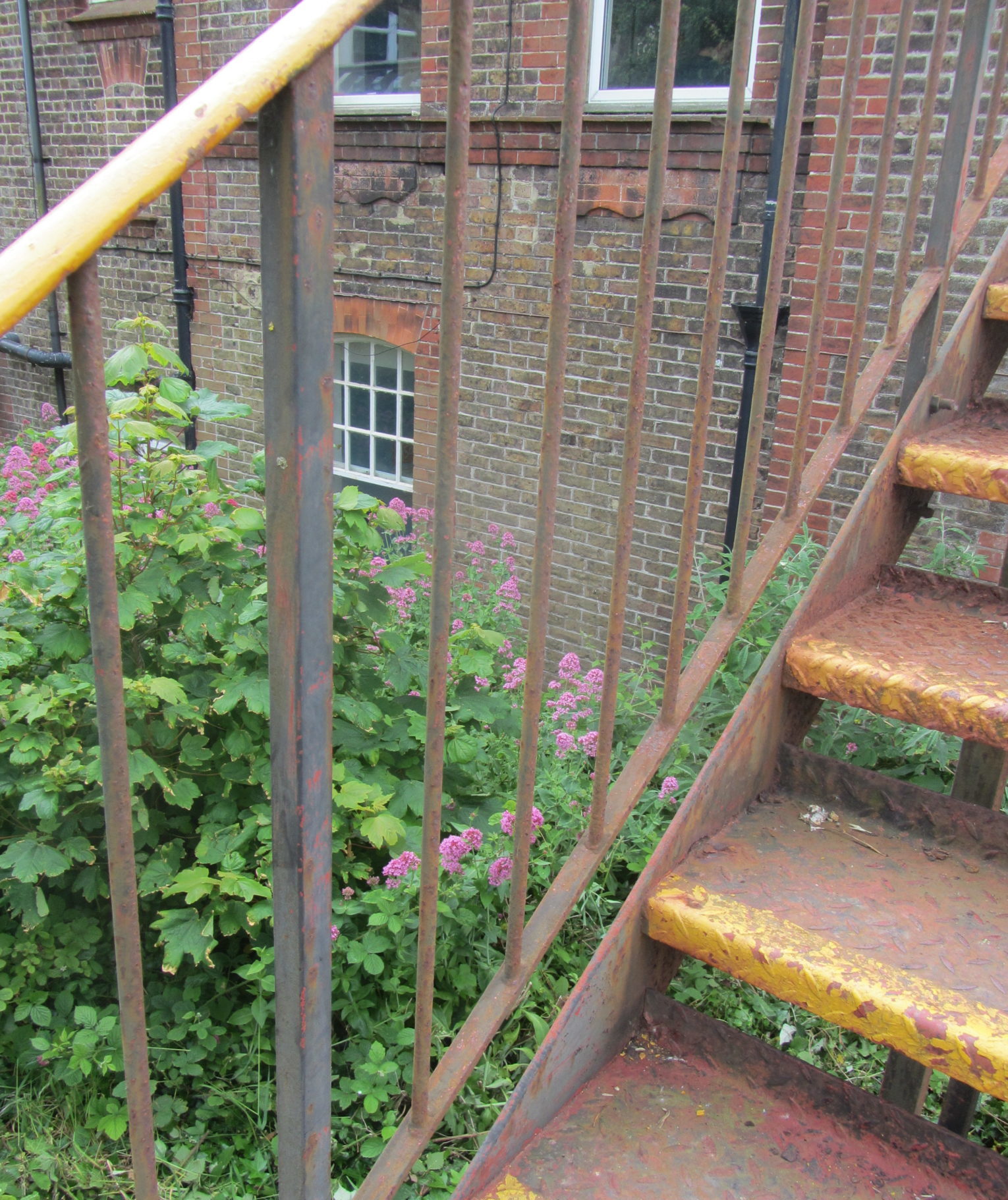
  • surface is grippy
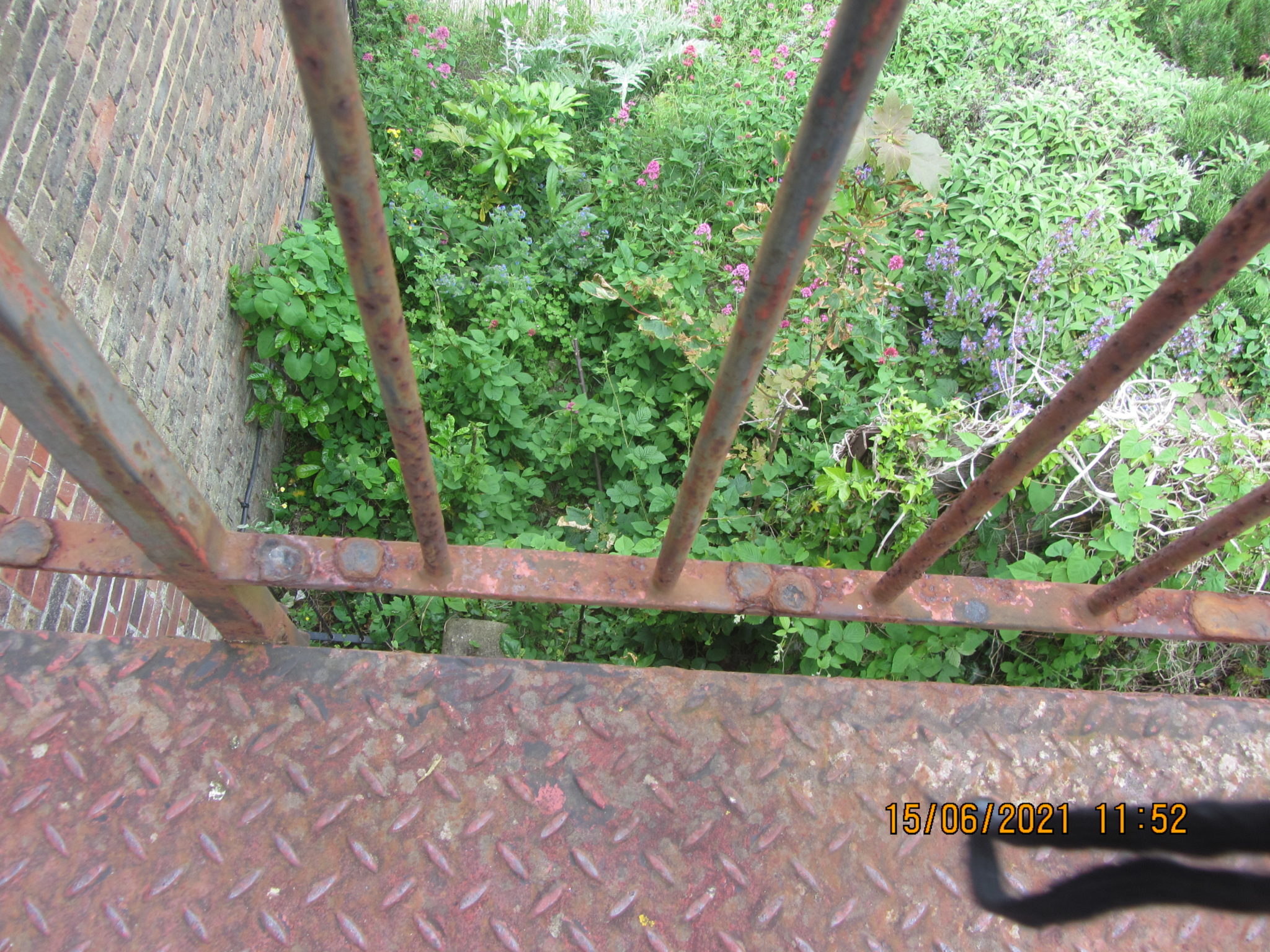
  • the handrails do not have large gaps which may present a fall hazard to children
  • there are no obstructions to the escape route. 

We have had instances in the past where say a satellite dish over sails the staircase and would cause a head clash or where bird waste or litter is left to congregate on the stairs. 

Often menial and easy to resolve items, that would make a massive difference if the staircase is called into use.


What Happened At This Particular Site?

This particular site was a school in Brighton.

So automatically we were thinking high salinity in the air (steel structures tend to have shorter lives in these environments, often regularly meaning maintenance and recoating). 


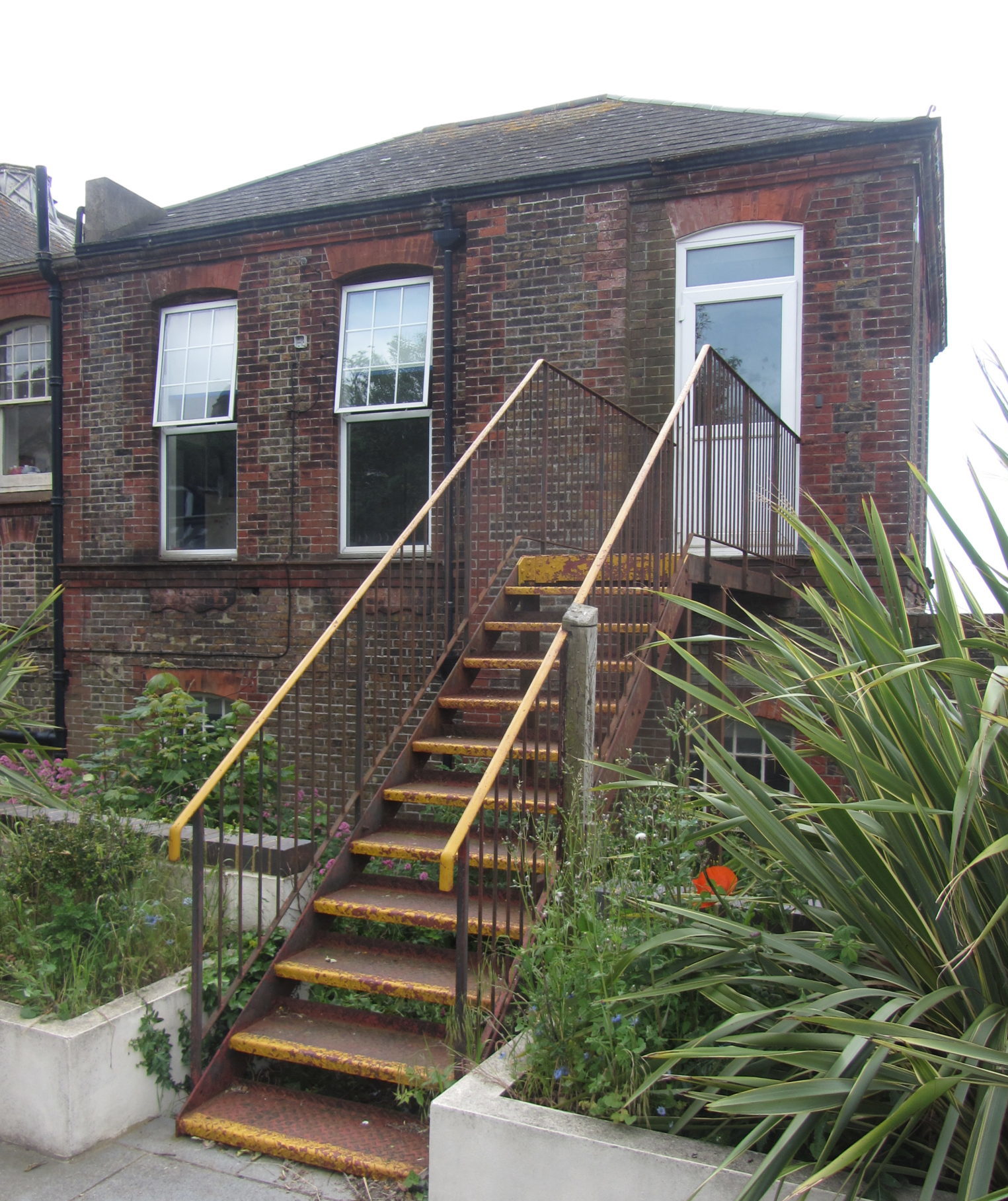
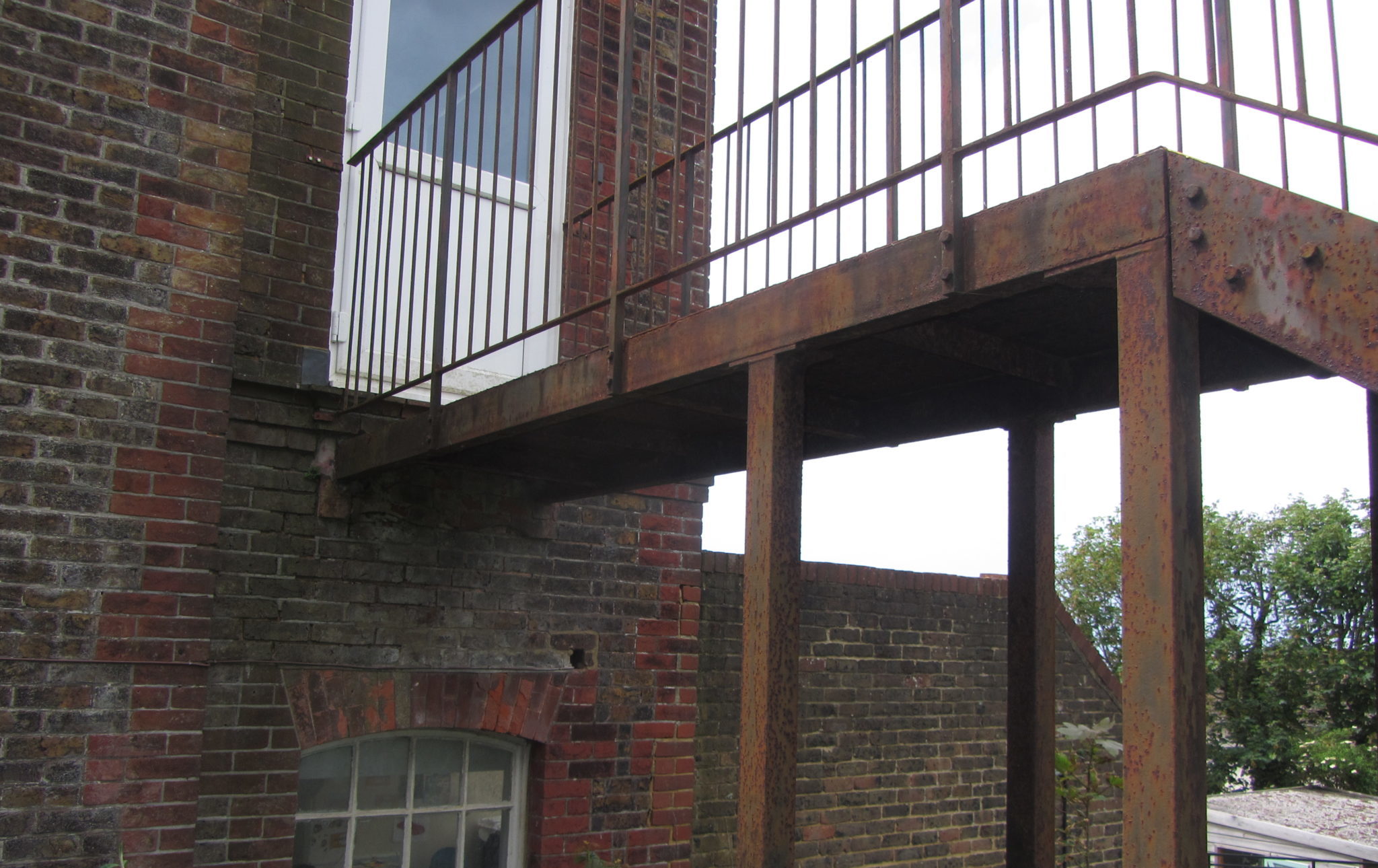
This particular staircase was a straightforward single flight and landing serving a first-floor landing and was noticeably rusty. 


Painted System – Regular Maintenance

The superior corrosion protection for these types of structure is usually a galvanised structure. 

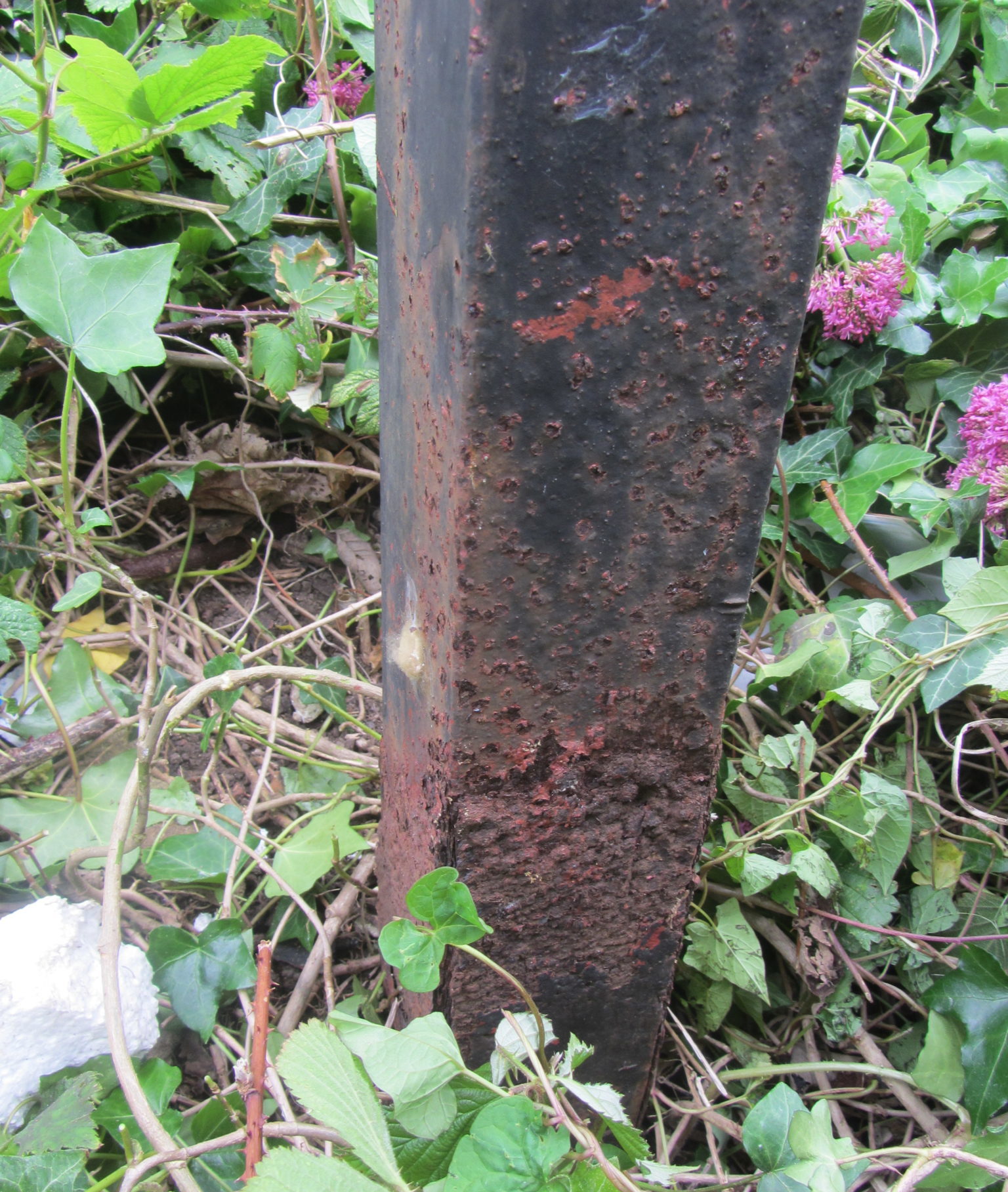
This one was a painted system, which was fine but usually needs more regular maintenance and in this instance the paintwork was worn, and the steel was corroding.

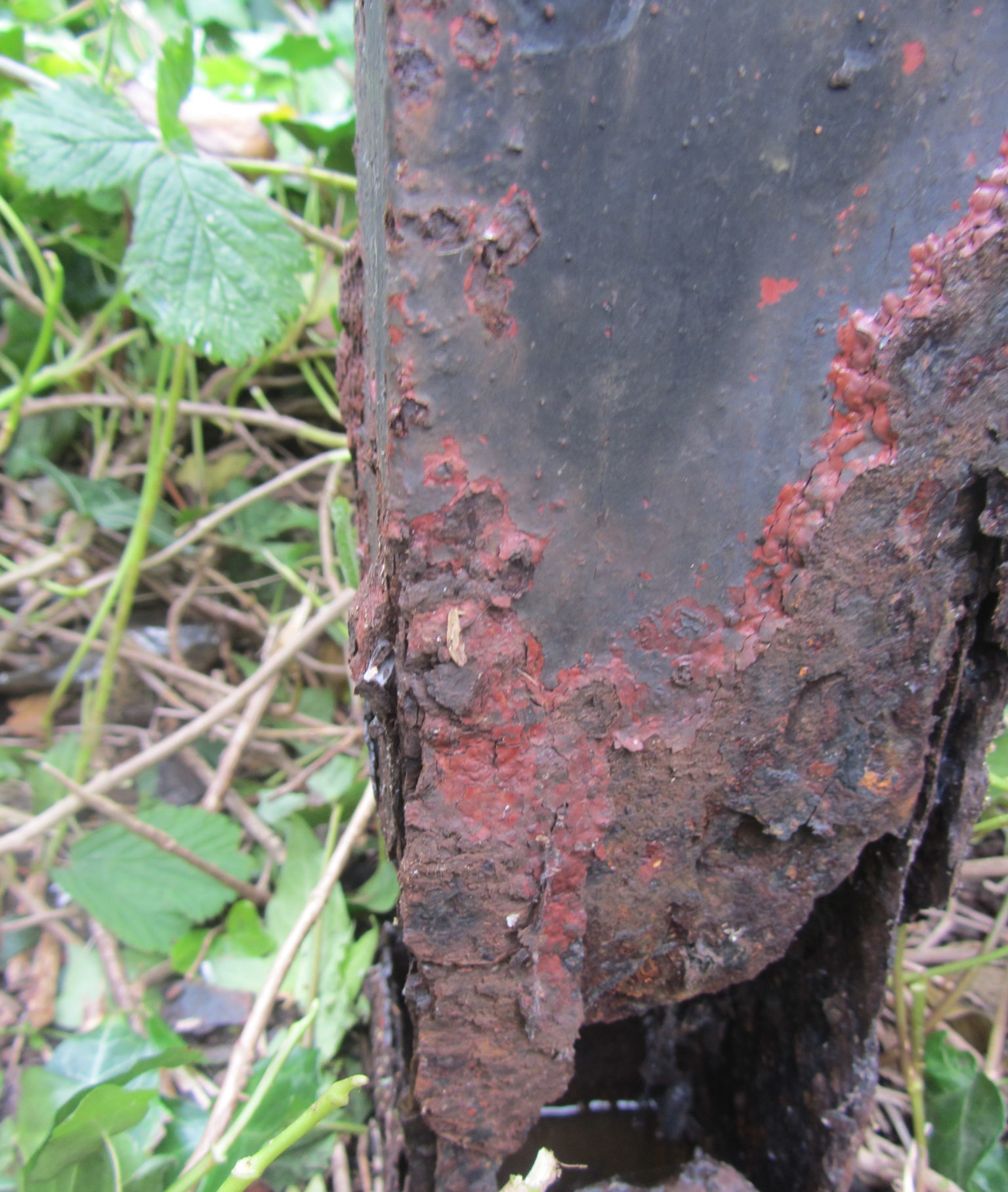
The corrosion was fairly advance, and sections of the steel structure were beginning to delaminate/break apart. 


Worst Affected Area

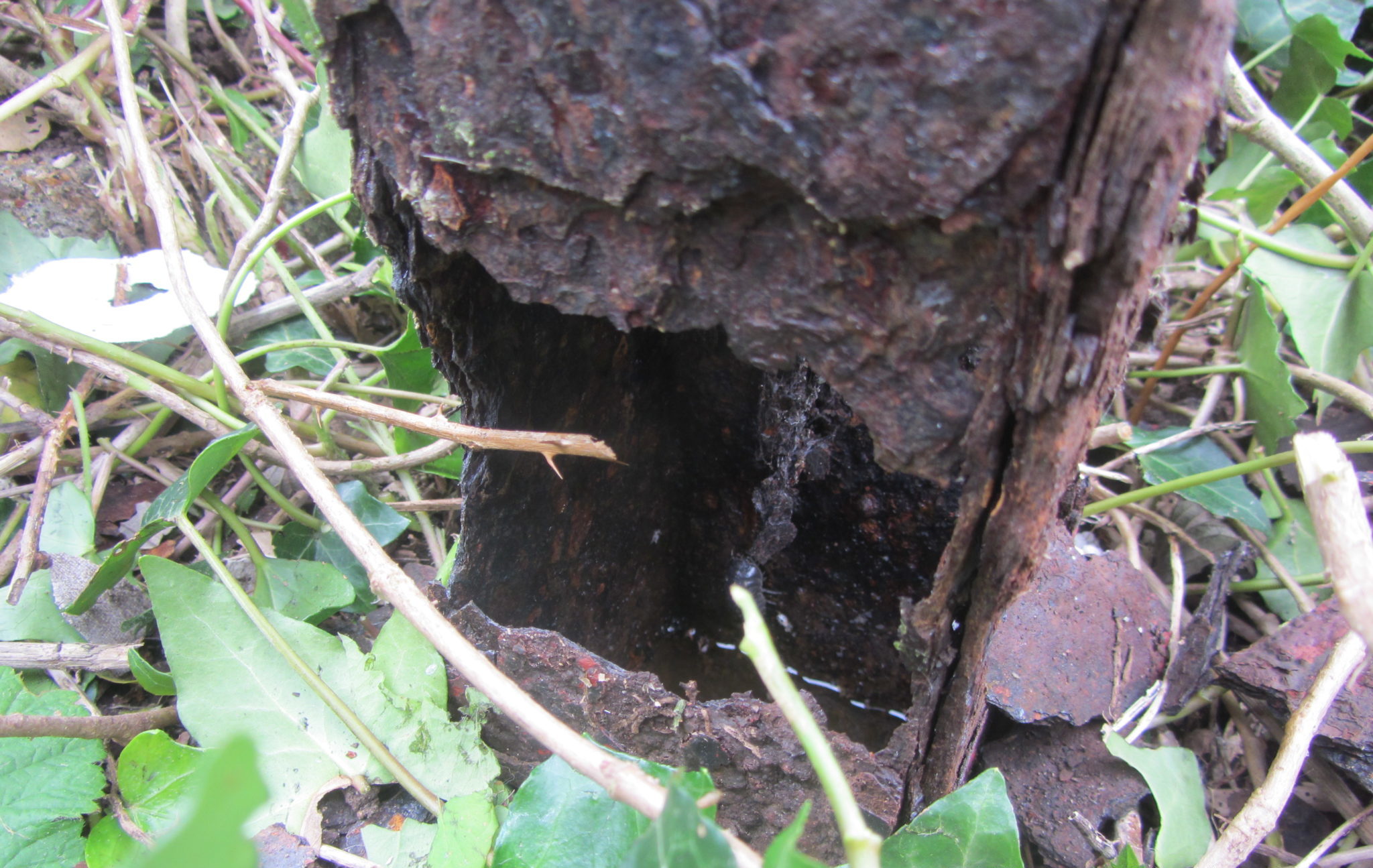
The worst affected area was to the base of the column, where two of the columns had failed and the square tube had been completely eaten through with corrosion. 

This is a common issue with steel tubes in contact with the ground as water can become trapped inside the tube and eaten away at both the inner and outer faces, which had occurred in this instance.


The Technical Solution

The staircase needed extensive remedial works which effectively involved taking it all apart and sanding back the corrosion to clean metal and putting it back to together with new fixings, whilst applying a new primer and topcoat system. 

The corroded columns were to be cut back to an appropriate height and replaced with concrete plinth type foundations. 

The benefit of this solution is that concrete is very durable and we can get the steelwork well above ground level where prone to corrosion. 

This was fairly intensive work and would estimate around £5k, whereas a replacement staircase would be around £15-20k. 

I would anticipate around 10-20 years additional life to this structure, providing that is well maintained.

How We Helped The Client

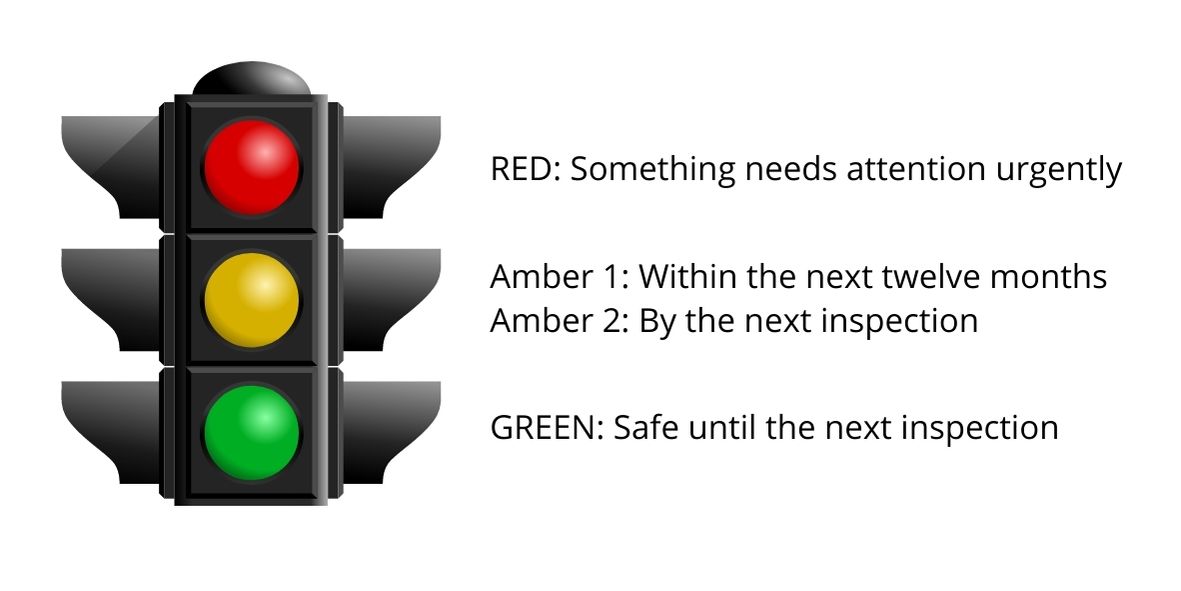
The main way we helped the client is by allowing them to keep the current staircase in use whilst they sought remedial quotes. Normally we use a traffic light system to advise the client on the structural status.

Ordinarily two failed columns would usually be assigned a RED – i.e the structure is condemned. 

Structural Expertise

However, our structural design capabilities set us apart from other surveyors carrying out this role and we were able to assess the remaining two columns.

We found these to be adequate in supporting the structure in the short term which meant we could categorise the staircase as;

AMBER 1 – which meant the staircase needed urgent work within the next 12 months – but it could be kept in use for the short term, whilst works were organised.

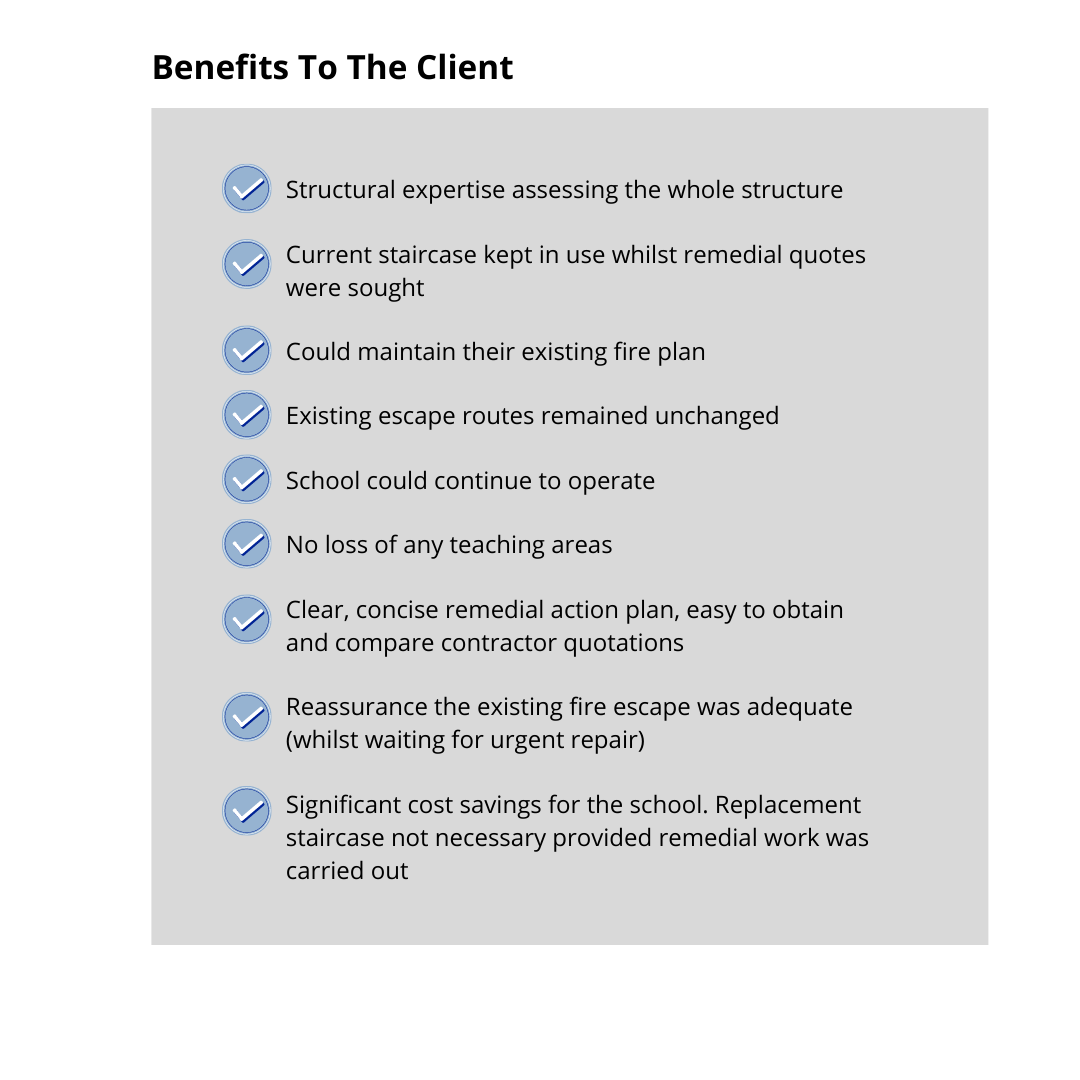
The main benefit to the client was that they did not need to update their fire plan and reorganised escape routes.  Which could ultimately lead to additional protection to create new routes, suppression or even closing off an area until repairs are carried out. 

External Fire Escape Inspections

Are you a building owner?

Do you mange the health and safety of people in and about your building(s)?So that we can understand your requirements, it’s easier to talk. 

Either call us on 0118 962 9666 or simply fill in your details below and we’ll get back to you at your convenience.

Please note, for one off inspections we generally work within a 50 mile radius of Reading. For multiple sites we work nationwide.

Click here to check out other Blog Post regarding external fire escape inspections.

Contact us

The Link Visiting Scheme was founded more than 20 years ago to help reduce loneliness amongst older people in the Wokingham area and to bring generations together in friendship and shared experiences.


Confronting loneliness and isolation by creating connections that transform lives.


“My volunteer’s warm welcome gave me a feeling of being wanted and restored my confidence. 

With the frequent visits and activities, I’ve managed to get back on my feet.

I cannot thank them enough for helping me get my life back again.” 


They have seen the positive impact of friendship where they provide quality time, a listening ear and focused attention on individuals who so often feel invisible and forgotten.

They have seen thousands of lives transformed, and in 2020/21, they continue to reach hundreds of older people throughout their work.

This Christmas, Michael Aubrey Partnership are proud to be donating to the Link Visiting scheme Christmas programme.

This year, due to the continuing impact of the COVID-19 pandemic Link Visiting are planning to hold a similar event to last year with hot meals directly delivered to the door, some extra phone calls over the Christmas period and the usual bag of gifts. 

To find out more about how you might be able to support the the Link Visiting Scheme and information on how to become a volunteer, please click here .


“It can be quite boring living alone.

Now I am part of Link to Nature, I have all these new friends with common interests.

And for the first time in years, I am excited about something and I have a focus.

It feels wonderful.”

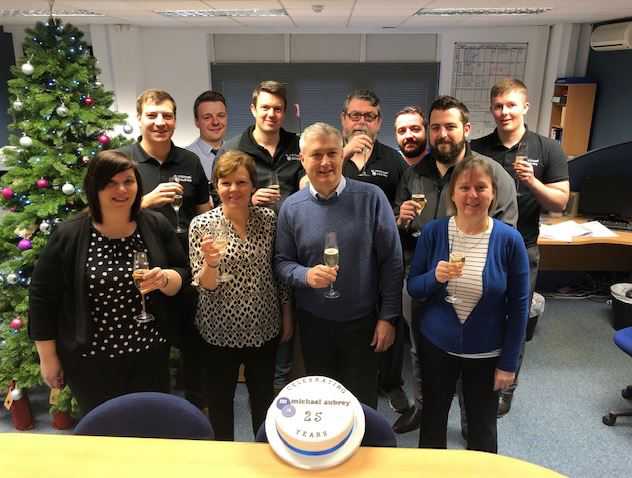
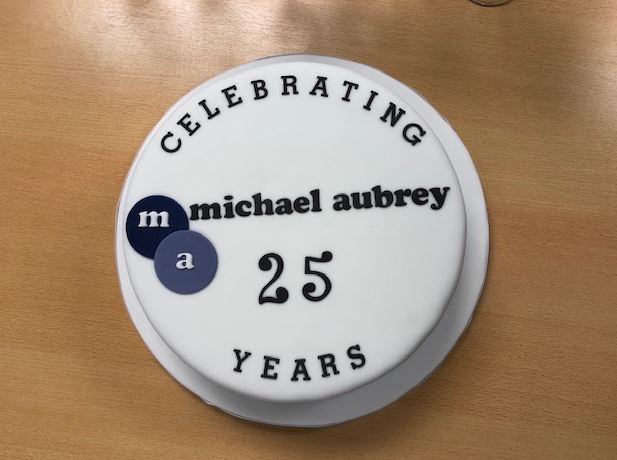
December 2019 marks a milestone for Michael Aubrey Partnership as we celebrate 25 years of delivering innovative design solutions to our Customers.

BIM cake


Celebrating this achievement Managing Director, John Staves said,

“We’re so proud that Michael Aubrey Partnership has reached this milestone 25th year anniversary!  We count local, regional, and national businesses among our client base, including commercial businesses and homeowners.

 From our humble beginnings working from a back bedroom, to renting small office spaces, to finally in 2015 purchasing our Head Office building in Finchampstead.”


“Over the years our business has evolved into three distinct streams. 

  • Structural Engineering within commercial projects; full range of services for Clients, and Contractors working with other professionals as members of the team delivering residential, mixed use, industrial, residential care home and educational buildings. 
  • Services for homeowners; new build and alterations to homes as well as defect diagnosis. 
  • Wireless Sites; from design to managing sites and following Ofcom recently granting Code Powers, the first steps in development of our own portfolio of sites.

All of these areas are underpinned by our professional team and our early adoption of Building Information Modelling. 

I am proud that we have supported three graduate engineers through to Chartered membership of the Institution of Structural Engineers over recent years, and this year employed our first degree apprentice.

But of all the changes and growth over the years, I am very pleased that our ethos of putting quality before quantity has prevailed.”

We wouldn’t still be here if it wasn’t for our brilliant team, most of whom have been with us since the early days. Our first employee, Andrew Campbell is still with us!  so, I’d like to say a big thank you to him and the rest of our team.”

 Also thank you to everyone who has been part of our success, we truly appreciate your support and we very much look forward to another successful twenty-five years.”


25 Years

Thank you to all our customers who have supported us along the way and to Sharni Smith for making our cake!


Our Way of Saying “Thank You”

During our 25th year, we are giving existing customers the opportunity to “refer a friend” and receive a

£25 M&S voucher*


*£25 voucher is claimable once the new customer places an order with us


I Do More Than Design Beams!

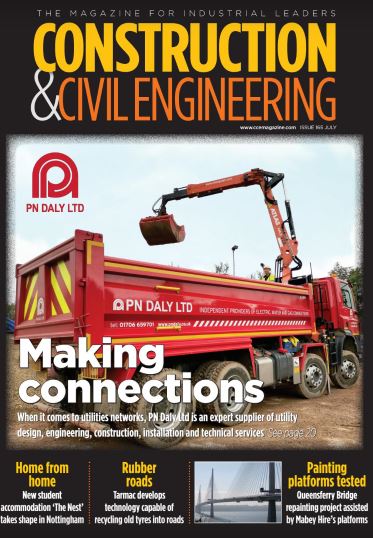
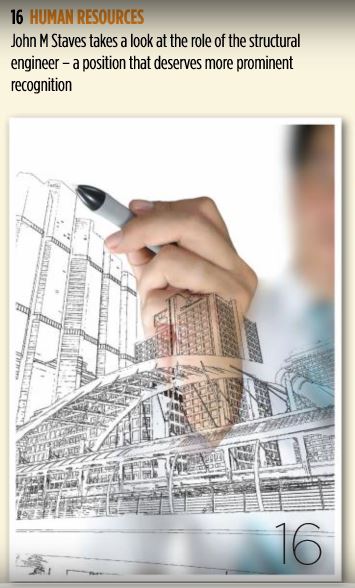
In July’s edition of Construction and Civil Engineering Magazine, catch up with our very own Managing Director, John Staves talking about what is a Structural Engineer and why are they so undervalued?


Structural Engineers help create record-breaking structures, beautiful structures, useful structures and sometimes just cool structures – anything from bridges, rollercoasters and skyscrapers to hospitals, schools, homes and public artworks.

Design Buildings

Structural Engineers design buildings, bridges and other structures to resist the forces applied to them.  These forces could be due to gravity, such as the weight of people and equipment within a building, the dynamic effects of people using a building or from natural events such as earthquakes.

Structural Engineers make sure the building works well in practice, depending on what it is used for: for example, a dance floor shouldn’t vibrate too much when people jump up and down on it.

Problem Solvers

Structural engineers are problem solvers.  Structural engineers use many skills.  From basic maths to cutting-edge technology. Every structure is different, so Structural Engineers are creative.  Finding solutions to unique problems all the time.

Practical

Structural Engineers are practical.  They don’t just think about the final permanent structure.  They think about how it will be built.

Safety Experts

Structural Engineers are safety experts.  Structural engineers are of critical importance in managing the risk to society throughout the lifecycle of the structure.  They consider the safety of structures from design and construction through to operation and demolition, in accordance with local legislation and best practice.  Structural engineers are key to ensuring that the built environment is robust and that lessons are learned when things go wrong.

Work Sustainably

Structural Engineers work sustainably.  They look to minimise materials used.  They innovate to make use of different modern materials.  Reducing demands on natural resources and recycling where possible.

Work as Part of a Team

But with all their skills, Structural Engineers don’t work alone.  They work as part of a team alongside Architects, builders and other engineers.  Construction is a collaborative game.  Sometimes the Structural Engineer will lead the team.  Calling for both project management and general management skills.


Proud to be a Chartered Structural Engineer

I am proud to be a Chartered Structural Engineer.  I am proud of the contribution I make to construction and more generally to society. 

But I sometimes get frustrated with the general misunderstandings around what I do and the benefits that what I do delivers.  Across the public as a whole, and within the political classes. 

Probably the worst is other allied professions misunderstanding what I do!


I Do More Than Design Beams! 

As I’ve outlined above, my skill set is broad and my contribution to projects is certainly more impactful than just safely transmitting vertical loads to the ground.

As a Chartered Structural Engineer, my education and training took longer than a medical doctor takes to qualify.  Like a Doctor, I have had to gain substantial experience and submit to both a gruelling examination and peer review to prove my competence. 

Just like a Doctor, I also have a professional obligation to keep up to date and improve my ability with Continuing Professional Development (CPD)

Lives Depend on my Decisions as a Structural Engineer

Multiple lives depend on a single decision I make as a Structural Engineer – if an occupied building collapses because of an error I make, many could be injured.  A Doctor deals with decisions that typically affect one person at a time.

The value a Doctor adds is clear and he is rightly recognised for that.  This is because most people have had some form of interaction with a Doctor.  Knowingly.  Either directly or via a close relative.

The Value a Structural Engineer Adds Is Subtler.

You are likely sat in a building, reading this.  A Structural Engineer has probably made sure that the building is safe and resists the forces applied to it. 

The Structural Engineer provides robust and durable shelters that people need to protect them from their environment. 

Did you cross a bridge on your journey to work or home? 

A Structural Engineer was undoubtedly involved in its design and currently helps with its maintenance, making sure you arrive safely.  You may not have engaged the Structural Engineer directly in either case, but you benefit from his/her work.

Structural Engineers Don’t Shout About What Value They Add

It is not a common trait of a Structural Engineer to shout about what he/she achieves and what value he/she adds, but it can be considerable. 

A little extra investment on the Structural Design of a building (spend on structural design is an investment because it will save absolute project cost) can pay back multiple times over during construction. 

Save on Build Costs by Early Input From The Structural Engineer 

Works can be kept simple and efficient, by early input from the Structural Engineer.  If investing £1k on Engineering fees could save £2k of build costs, how often would you want to invest £1k?  With the extra time that buys to refine and improve the design, and impact the buildability, this is easily possible and doubles your money!

And finally, the next time you visit your Doctor, just think, the surgery or hospital wouldn’t be there without the work of a competent Structural Engineer.

John M Staves CEng FIStructE is Fellow and Vice President of the Institution of Structural Engineers and Managing Director of Michael Aubrey Partnership

This article appeared in In July’s edition of Construction and Civil Engineering

Today I’m talking to Oliver Goodyear.. Ollie has been part of the team here at Michael Aubrey Partnership since 2011, starting with us as a Graduate Engineer.

In January Ollie sat his Chartered Exams and we are thrilled that he passed first time!

Ollie, Why Did You Study Engineering?

“I’ve always had an interest in buildings and infrastructure and how things work.  I kind of fell into engineering. At school and college my better subjects were sciences and maths.

During my A levels I realised there was an engineering degree in applied science and maths and it felt more practical, more fun than doing further maths.

At the time and also now, I realised that there was a shortage of engineers so I thought there would be good jobs prospects at the end of it”.


What Do You Like About Being A Chartered Structural Engineer ?

“I like that every week is different. It’s not a monotonous job.

It keeps things interesting and variable, your weeks do change.

It can be a rewarding job, I feel you are actually achieving good stuff and adding value to the world.

It’s challenging, puzzle solving which engineers enjoy.”


It can give you a headache but when you actually solve a problem you get a high degree of satisfaction.

It’s quite a social career, always interacting with Architects, builders, members of the design team and homeowners.”

Any Downsides To Engineering?

“A tricky question … I guess it can really give you a headache when you can’t get things to work, it can be quite soul destroying.  A lot of the time you are thinking about it too much and just need to have a break from it.

In terms of structural engineering I think people don’t really understand what the role of a structural engineer is.

Pioneering Architects were pretty much engineers .. designing buildings and understanding the mechanics behind it.

I feel Structural Engineers are the unsung heroes in construction.

I think the engineer’s role is becoming more important. Buildings are becoming more wacky, more complicated”.

What Skills And Qualities Do You Think Are Important For A Chartered Structural Engineer ?

“I think you always have to be asking the question “why?”

That’s the difference between an engineer and a technician – you are challenging why things are done a certain way, not necessarily just going with what has always been done.

You have to be very thorough in what you do.

Constantly looking at options, analyse the constraints. You need to be an excellent communicator. This is a skill that comes with time I think. Understanding the project dynamics and the economics of the project.

Learnt not to go too far too early. when there are too many unknowns. As soon as there is an unknown, stop work and highlight the question, otherwise you go too far and end up with abortive works.

Try to get items agreed and back it up with a paper trail.

You come out of University design based, but the actual business side is something that you have to learn.

I always did well at the maths and science side of things and I’ve got quite a good memory, but I’ve released that’s quite a useless skill for an engineer.

The trick is not knowing the answer, but knowing where to find the answer – it’s fundamental really – I don’t need to memorise the Eurocodes!”

What Was The Exam Preparation Like? Any Tips?

structural engineering

“Pretty tough to be honest.

The toughest couple of months in my professional and academic life so far.

It’s so intense the amount of work that you have to produce in such a short time.

7 hour exam .. but it’s not long enough!

The length of the exam was the challenge because you are not prepared for the mental and physical challenge of it.

Preparation – I did a four part evening course with Institution of structural Engineers, Thames Valley group. Run by Rosie – she had passed the exam a few years previously. That was brilliant.”

She broke the exam into five parts and talked through each part in detail with tips and techniques and then as homework we would carry out a question and then the following week the first thing we would do was talk through what each of us did and what went wrong!

It gave me a lot of confidence knowing that people were in the same boat and at the same level.

It was valuable to go through past exam papers with other candidates and talk through exam techniques.

Every week they brought in an experienced engineer and talk about specific parts of the exam.

One week they brought in a temporary works engineer, who was actually one of the examiners, he came to talk to us about the method statements and programme section.

It’s the last part of the exam and is worth 10 marks, which is 20% of the exam .. by that point people have run out of time and get maybe 1 or 2 marks out of 10 and often fail just because they missed this section. In fact it’s probably the easiest part of the exam.

[click here for details of exam preparation courses run by the Institution of Structural Engineers]

My main tips would be to;

  • Encourage anyone going for the exam to go on one of the IStructE courses. Either evening one, like I did, or an intensive 1 or 2 day course. You’ve got to practice exam technique.
  • Spend some time putting together your resources for the exam. I started off with two large folders .. like War and Peace .. then soon realised it was going to be too much and I wouldn’t have time to look through it properly in the exam.
  • Get all your rules of thumb to hand in a small concise folder that you know inside out so you don’t waste any time.
  • You’ve just got to put in the hours. Lots of past papers, lot of exam preparation.
  • I took a week off work in November and from Boxing day to New Year’s Day I just worked solidly on it.

A lot of people told me I’ve got to do a past paper – under exam conditions. I did and failed it massively.

But it did give me a lot of confidence .. most people fail first time so it got that fail out of the way.

I could do it in 7 hours, it’s not too bad, it went quite quick, that made me feel a lot better about it.

Pass rate this year was 28%.

I’m still buzzing from finding out that I’ve passed the exam now.”


What Does Becoming Chartered Structural Engineer Mean To You?

“It means a lot.

You’ve got the exam and you’ve got the review. It’s been a few years leading up to it.  Firstly it’s a massive relief.

From a professional point of view it’s given me a lot of confidence and a feel good factor of passing is just brilliant.

I feel I can call myself an engineer now. I have met the industry standard and it is such a high standard to meet.

The route from school, College, University and onto professional qualification, that’s it I’ve reached the level, it’s complete.”


Do You Have A Favourite Building Structure?

“As a modern engineer you have so many resources available to you to do your job.

The advance of computational analysis and finite element and techniques like that have really changed engineering. I don’t think it’s any coincidence that the form and shape of skylines around the world has started to change over the last 20 years.

It really makes me appreciate the work of Engineers and Architects before computer times.

I really like historic buildings.”


Pantheon, Rome

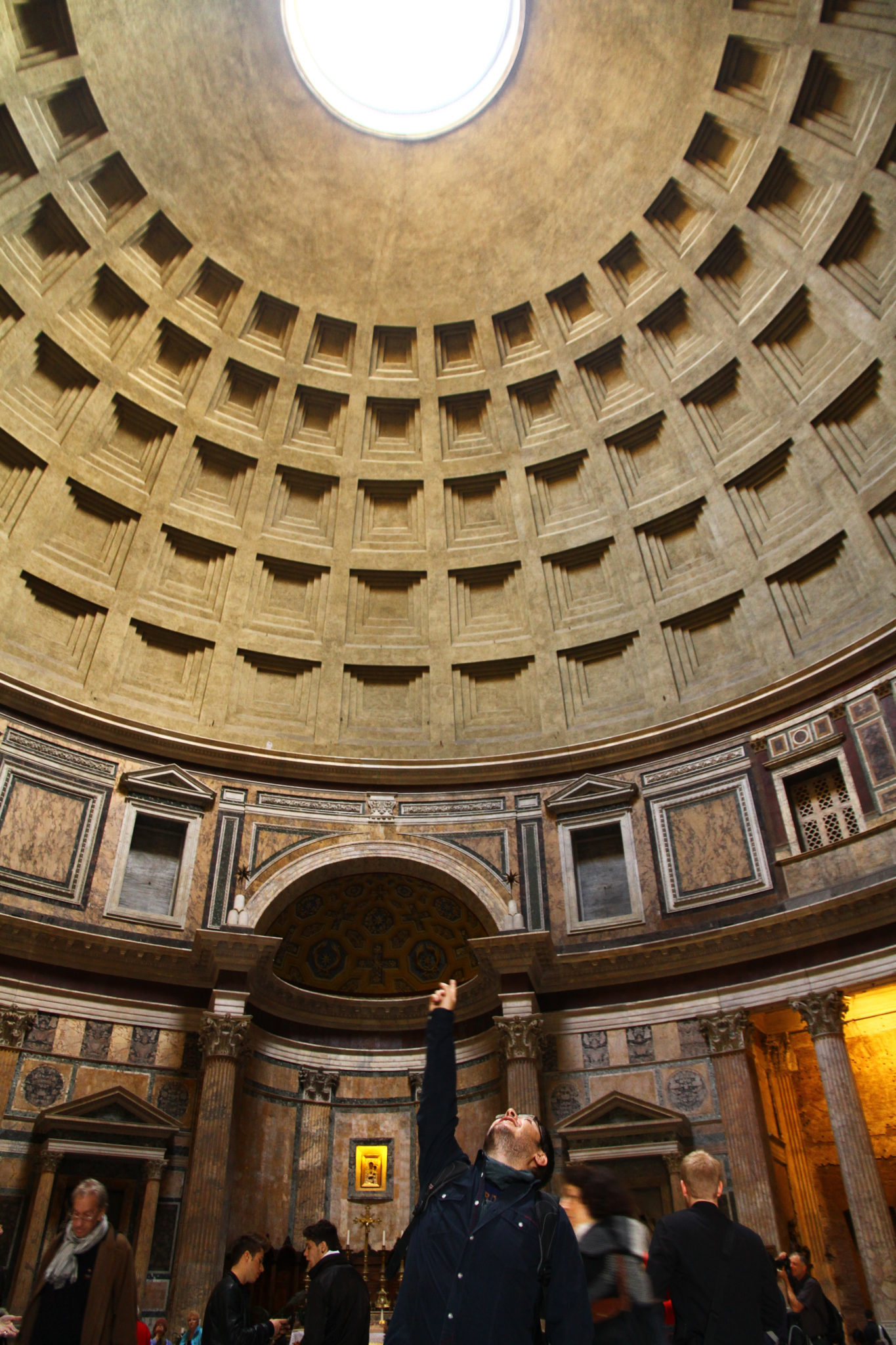
“I went to Rome a few years ago and what they managed to achieve was amazing. My favourite building is the Pantheon.

It’s a large concrete cofferdome.

I think today it’s still the largest unreinforced spanning structure in the world and it was built 2,000 years ago!

A span that large .. the temporary works .. the construction techniques used would have been impressive.

That’s my favourite building.”


Getting the Right Experience

“I was pleased that I was able to get the right experience to pass the Chartered exams at one company.

A lot of people said that I had to move company to get the right experience, but I’m very pleased that wasn’t the case and I’m grateful to John Staves at Michael Aubrey Partnership for supporting me from a Graduate engineer right through to Chartered Engineer.”

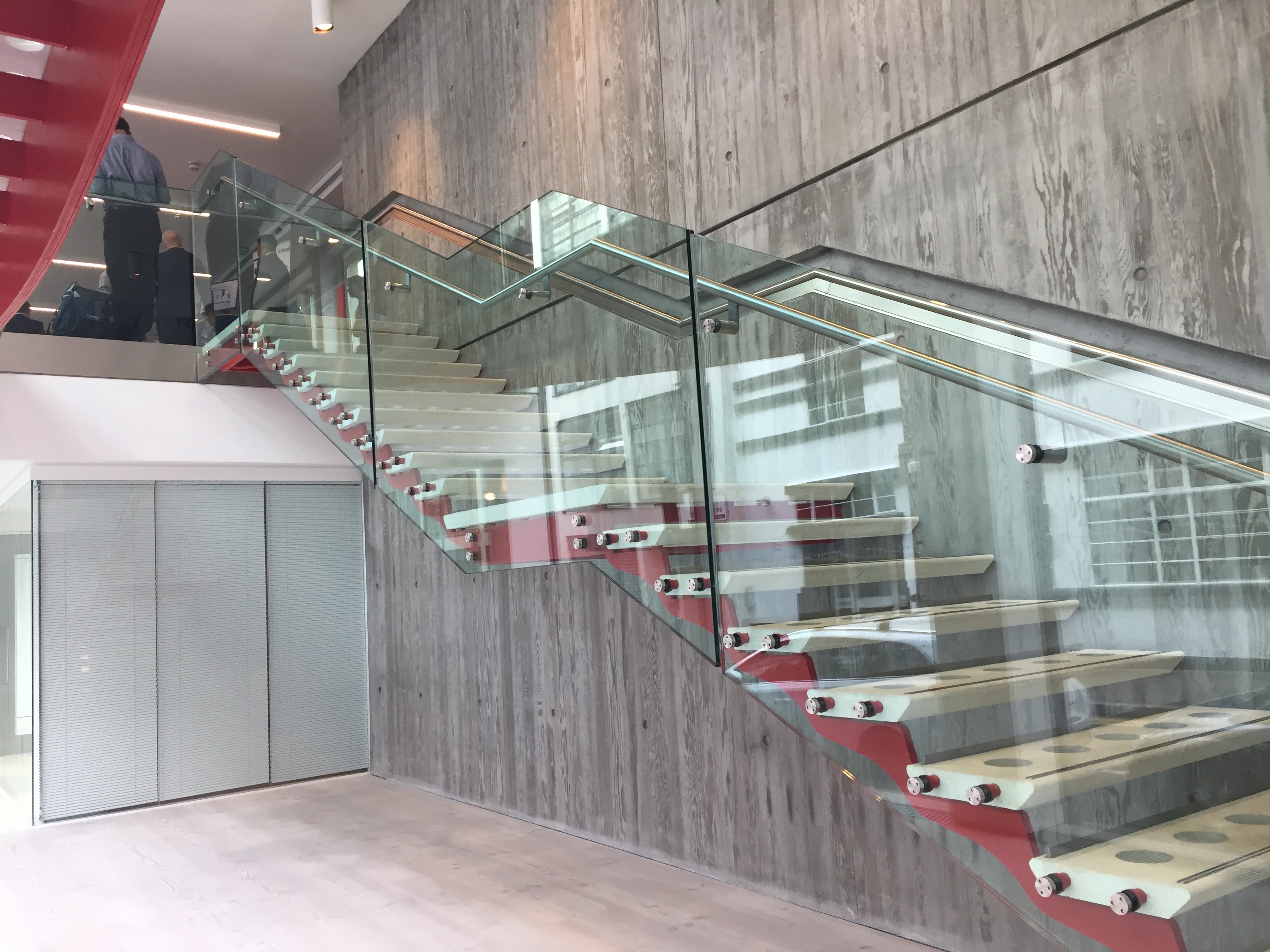
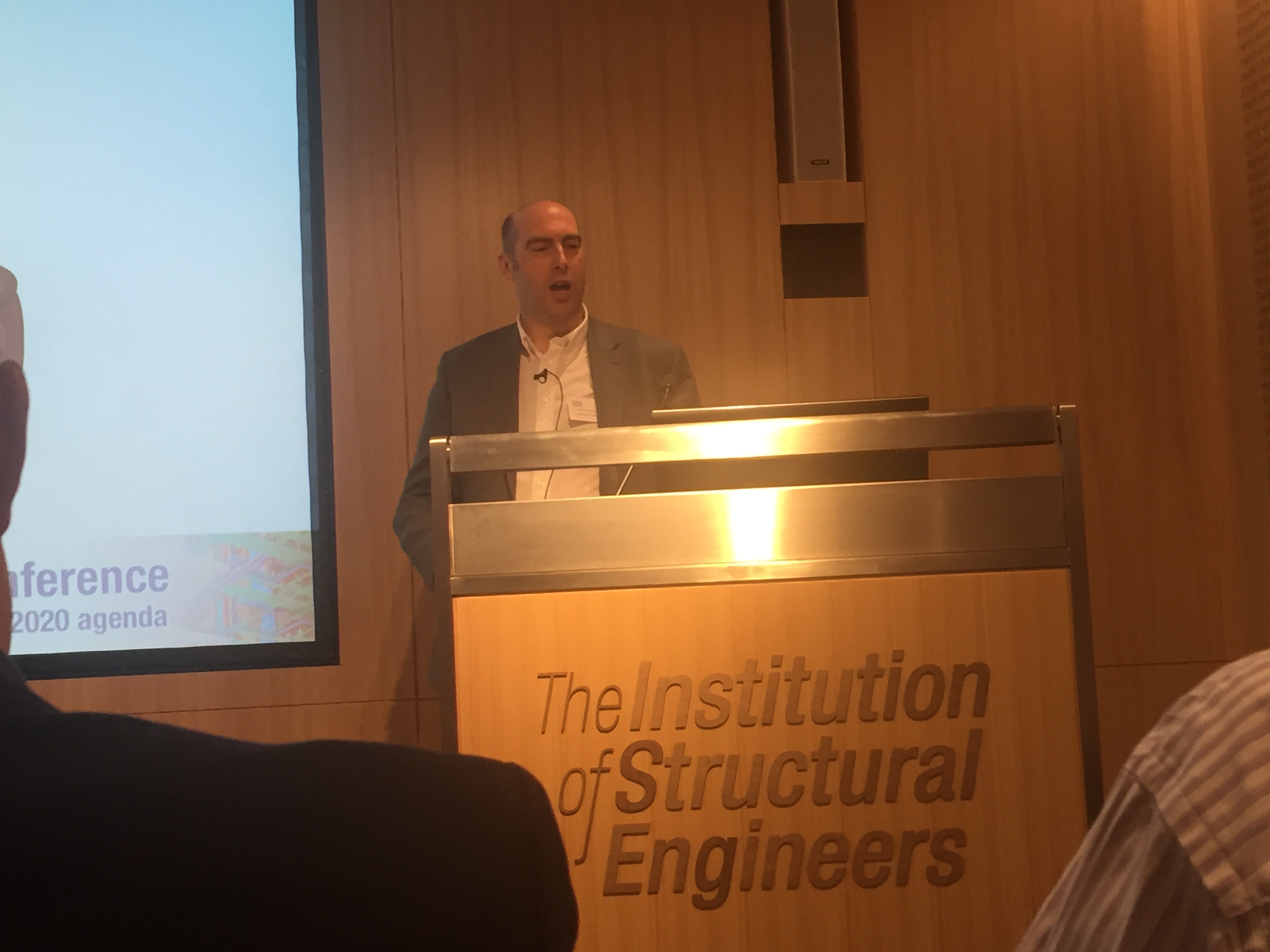
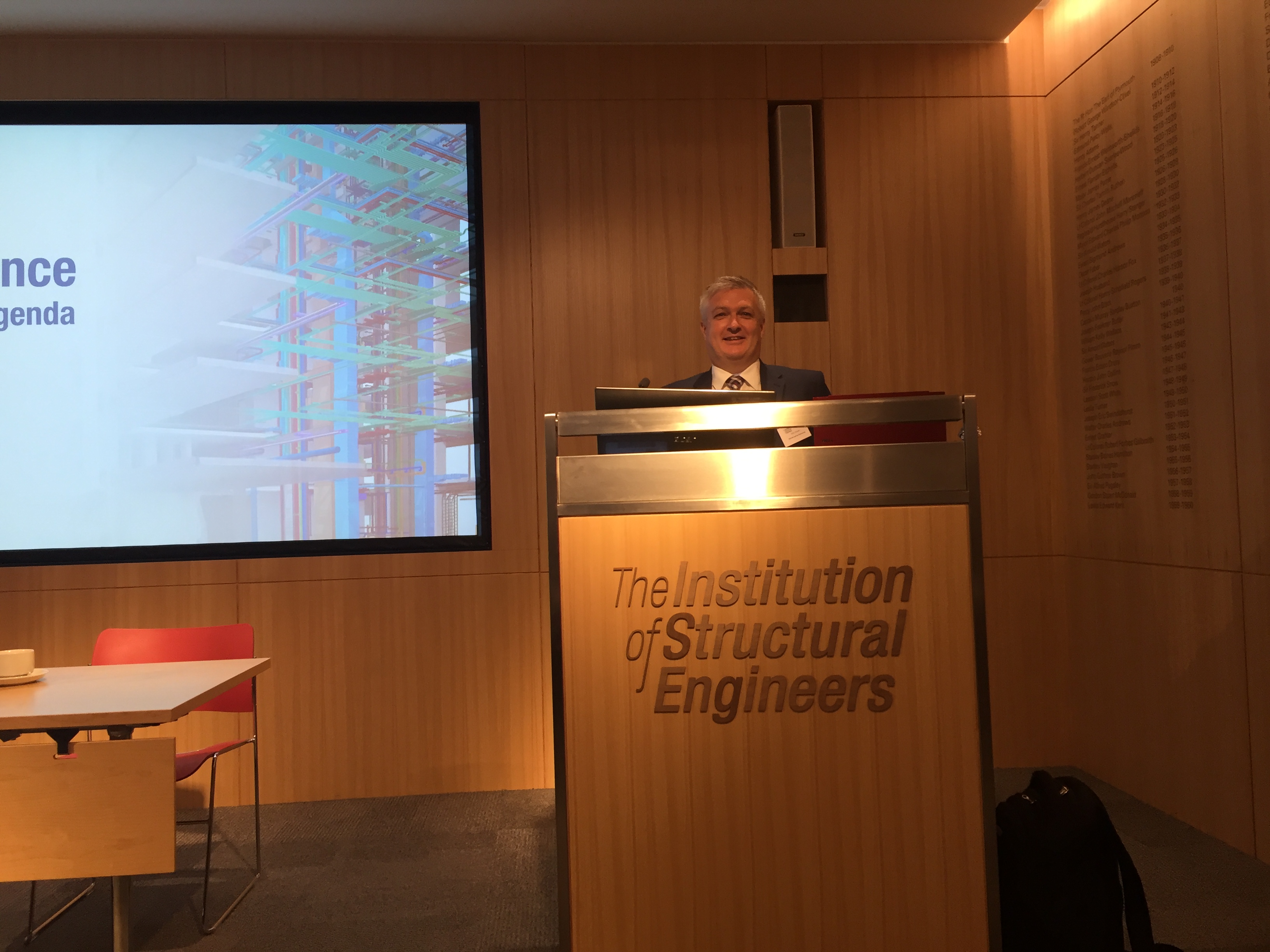
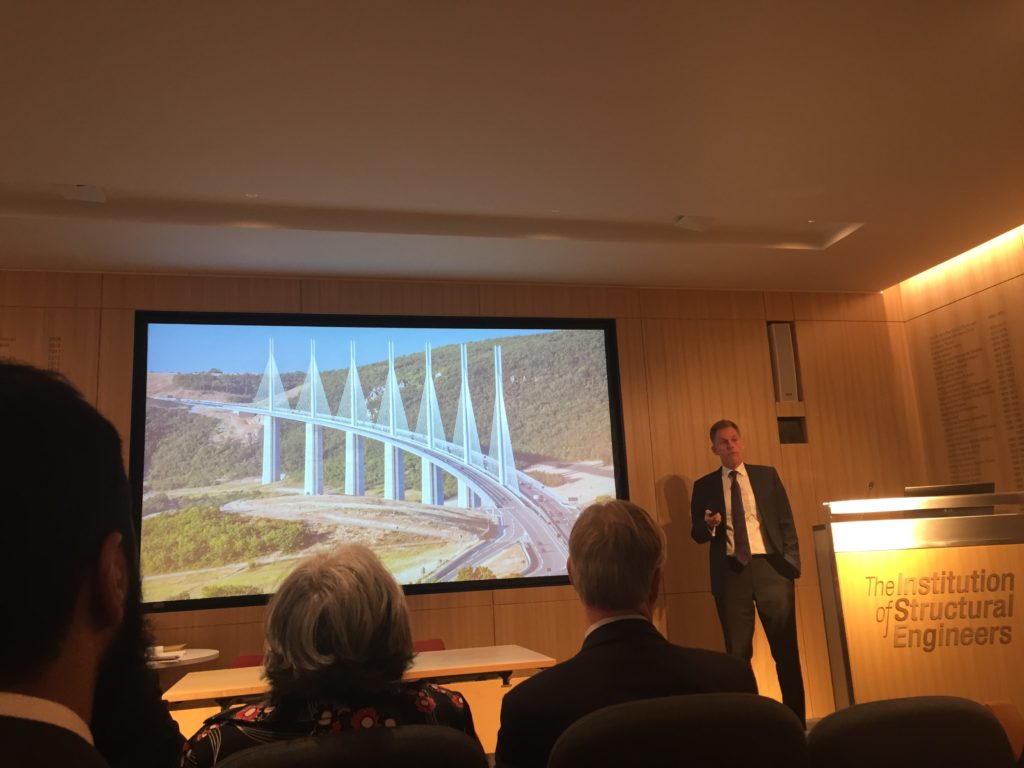
Members of the Institution of Structural Engineers gathered in London last week for the Institution of Structural Engineers 2017 BIM Conference, “Moving towards BIM 2020 – Business as usual”.

BIM conference

Institution of Structural Engineers Headquarters, Bastwick Street, London

Delegates were welcomed by John Staves, Managing Director at Michael Aubrey Partnership. John talked about his passion for BIM and how as an industry we need to embrace these changes if we are going to continue to grow and meet the needs of our clients.

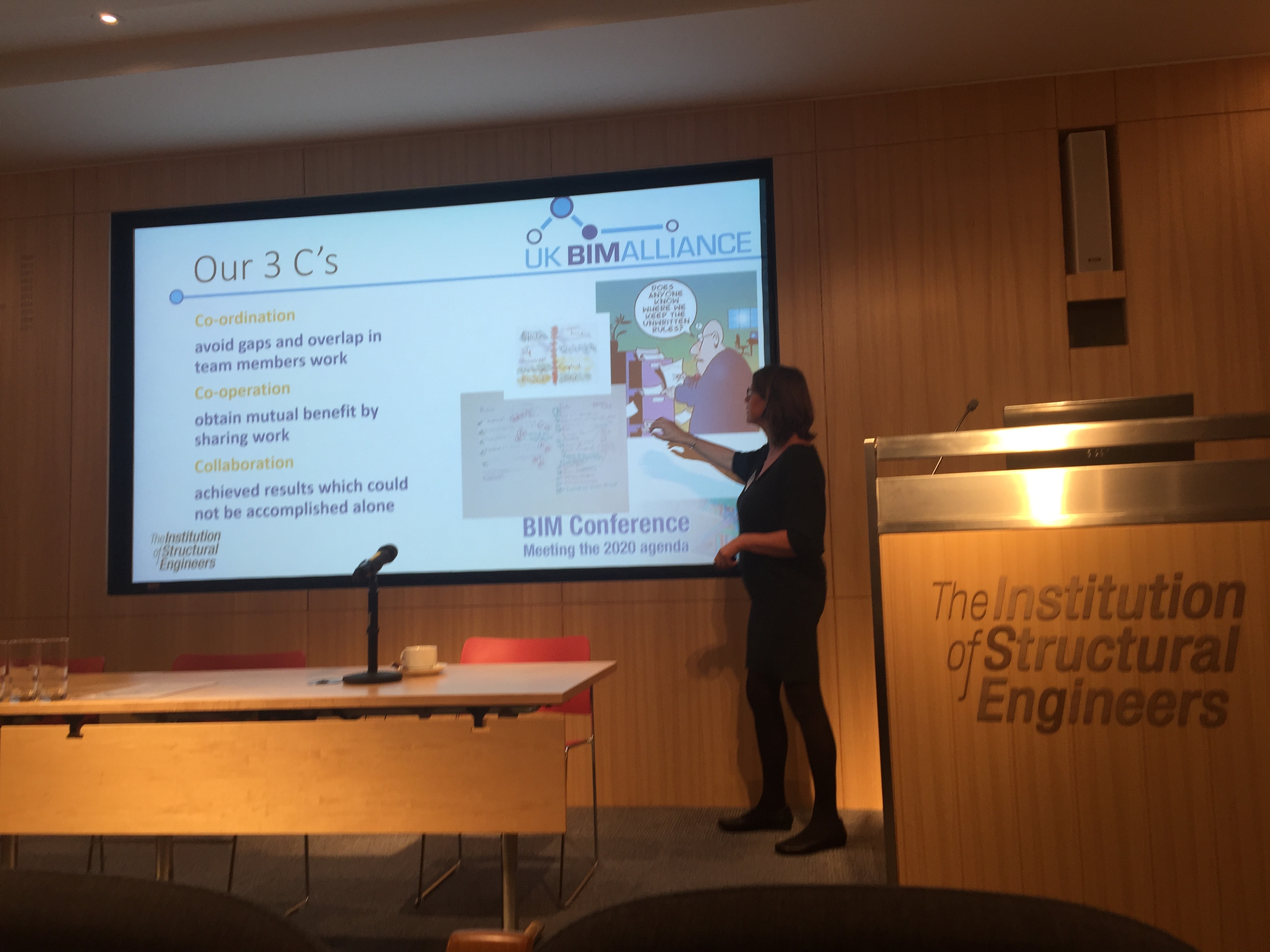
Our first speaker of the day was Dr Anne Kemp, chair of the UK BIM Alliance and Atkins Director responsible for BIM Strategy and Implementation across the UK.

Dr Anne Kemp

Anne talked about the UK BIM Alliance and the 3 “C’s”

  • Co-ordination
  • Co-operation
  • Collaboration

and how BIM supports what we already do – it’s about the management of the data. Together with other industries we need to mix up our ideas. At the moment we are struggling to truly collaborate.

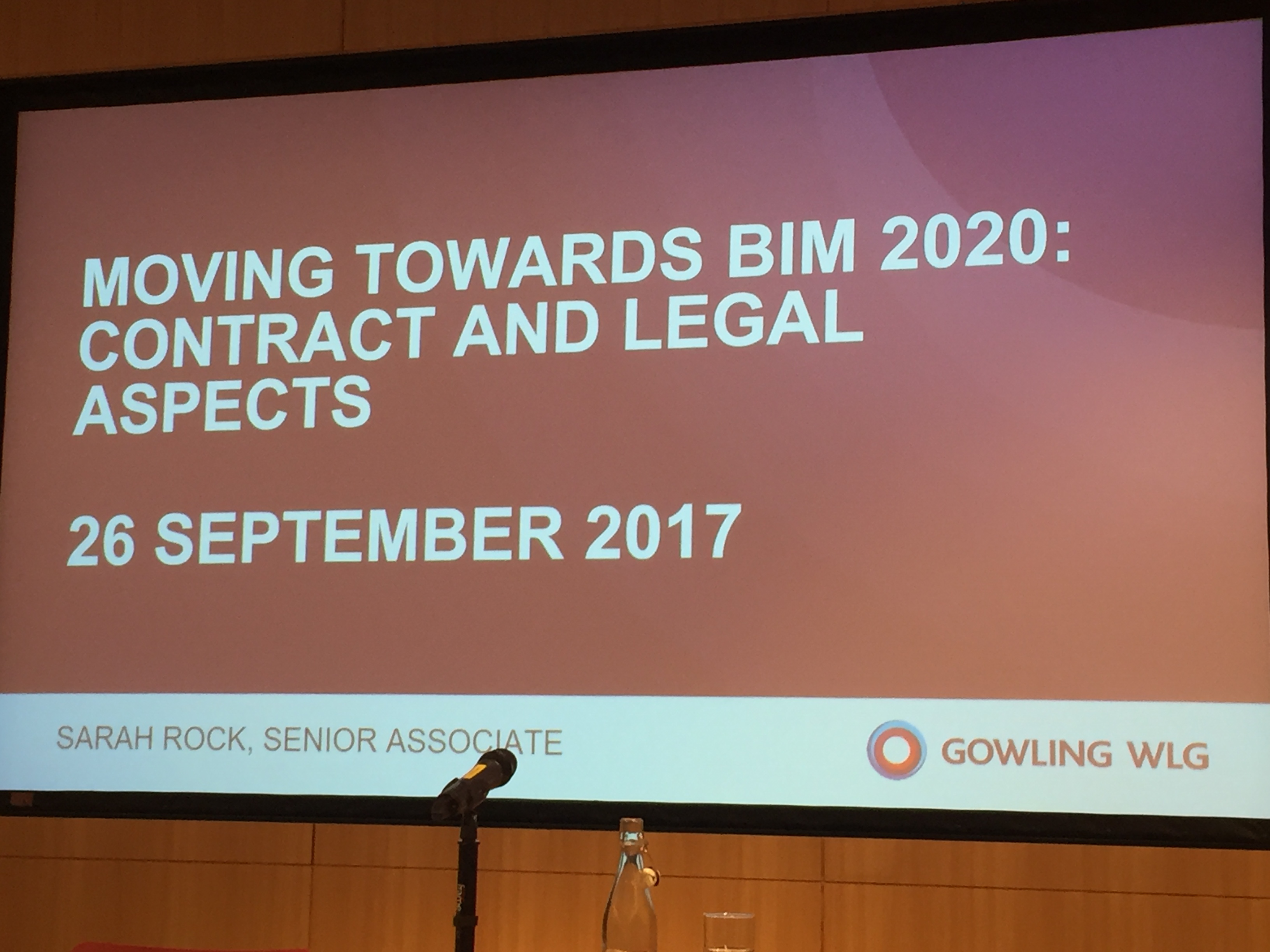
Next up was Sarah Rock, Associate at Gowling. Sarah has written extensively on BIM for various publications including the Construction Manager BIM Handbook and is a well regarded speaker on the legal aspects of BIM.

BIM conference

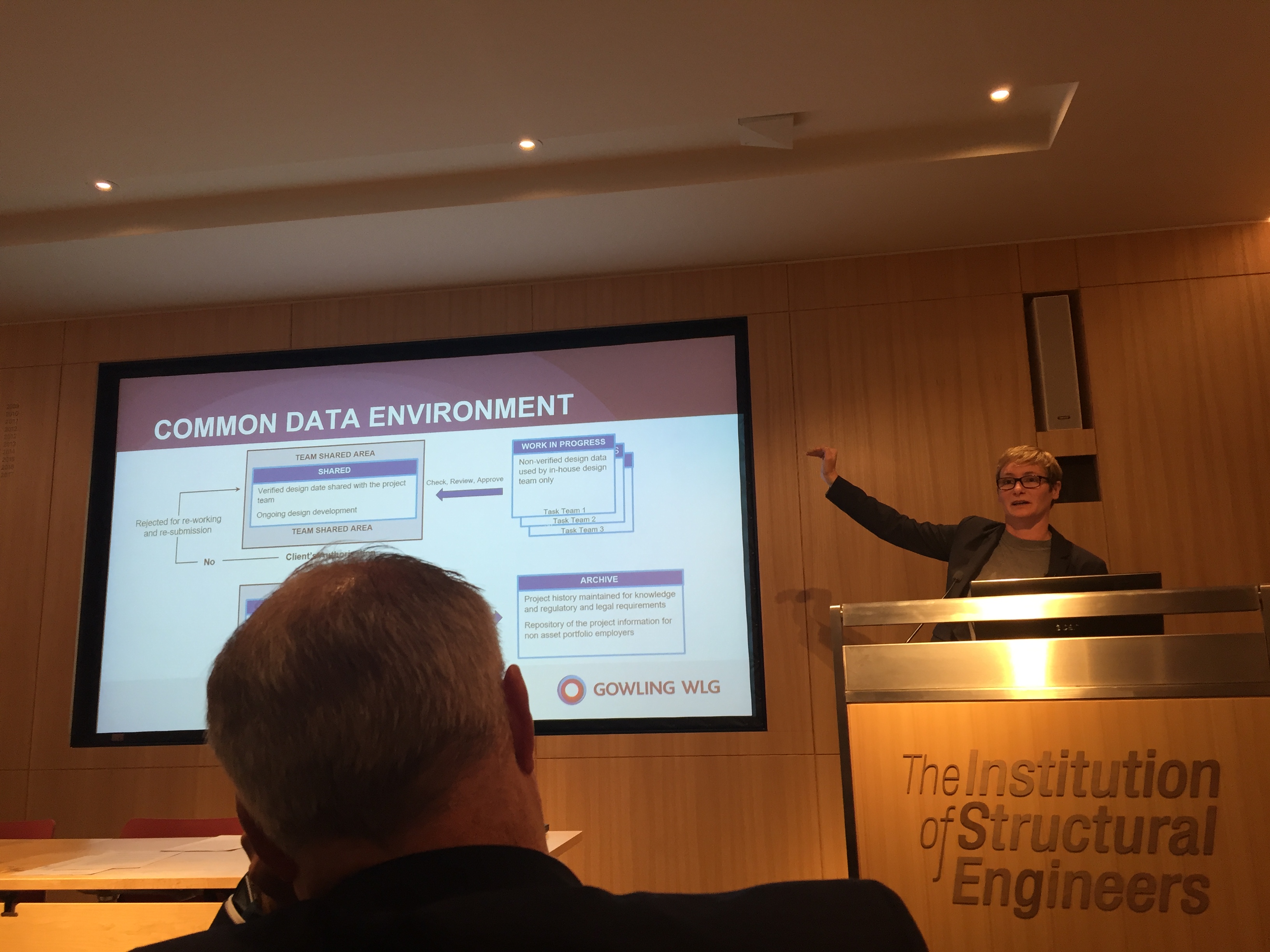
There is very little case law around BIM, but Sarah highlighted a recent case Trant V Mott Macdonald Ltd (MML) where the question of who should host the common data environment was brought into sharp focus.

A considerable amount of reliance is placed upon the party hosting the data, the BIM Operator.  The BIM Operator should have a continuing obligation to ensure that the data is available to others, to allow them to progress the project.  This obligation should survive suspension and termination of their employment.

To read more about this case and judgement, click here http://bit.ly/2hGt5m

Sarah Rock

Sarah stressed the need for BIM practitioners to “talk” to the legal profession and to get in touch via the UK BIM Alliance.

Next up was Nigel Stroud, Geometry Information Manager at Heathrow Airport.

BIM conference

Nigel is currently part of a company wide Asset Information team leading Heathrow’s asset information strategy

Nigel talked about the enormous task of collating all the information at Heathrow and attaching this information to each asset.

At Heathrow they have a “Gateway Delivery Process” where Employer requirements won’t allow you to proceed until the next stage until it has been signed off. This ensures that everyone is clear what is required at each stage.

Graeme Forbes from Clearbox was next on stage. Graeme asked the question; are we doing BIM for the right reasons? Simplicity must dominate. As a business what is motivating you to change – is it compliance or are you trying to save time and money or both? Leadership is key and the right  technology to deliver your project is critical.

bim conference

After a quick break for tea and coffee, up next was Martin Simpson, Professor at the University of Liverpool. Martin is passionate about the digital transformation of the built environment and at Liverpool University he has set up a group to support the construction industry in its digital transformation journey “The Centre for the Digital Built Environment”

BIM conference

Martin referred us to a brilliant blog by Marzia Bolpagni

Marzia provides a comprehensive review of the ‘LOD’ term and its many nuances from across the world.

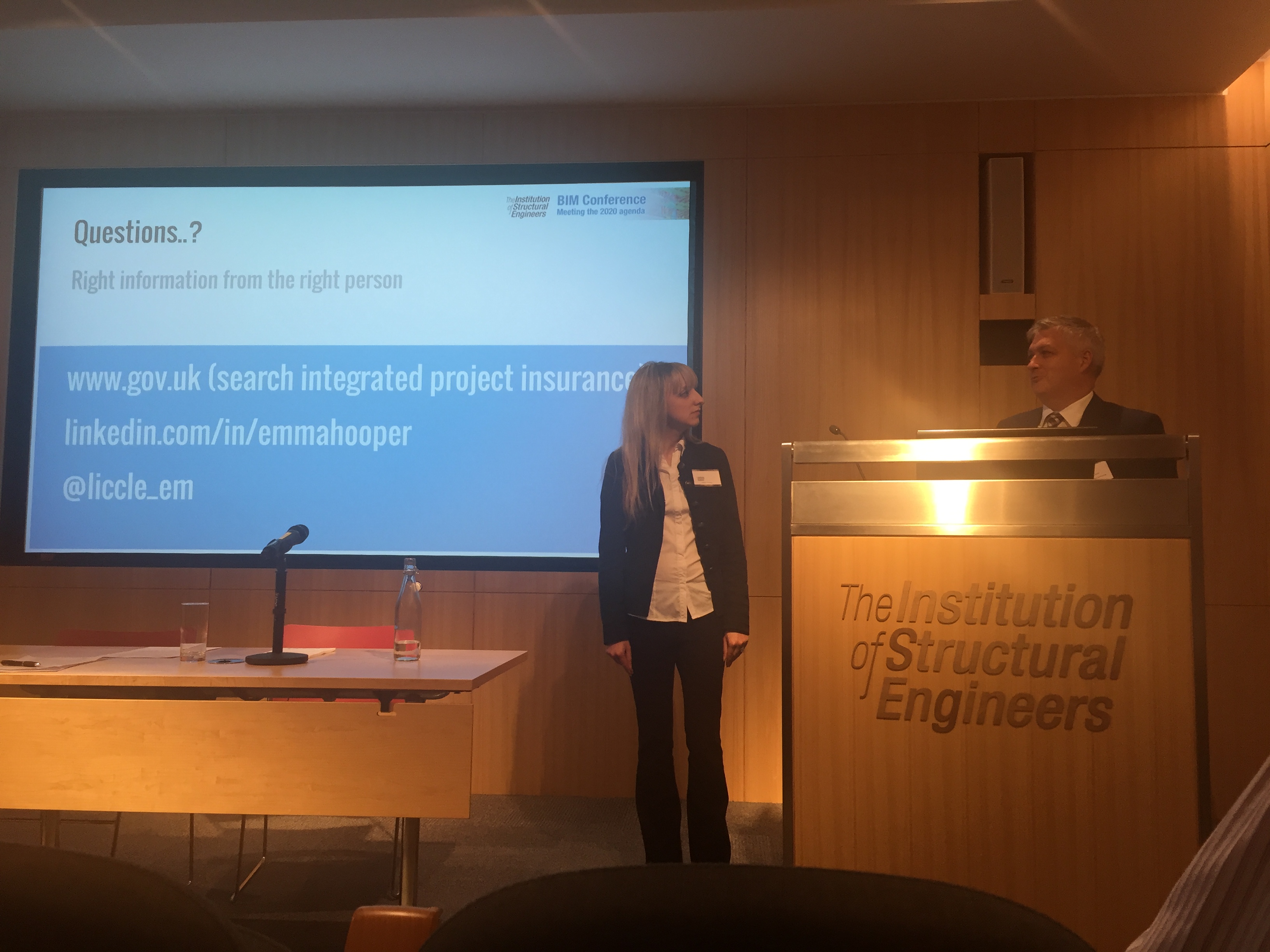
Last up was Emma Hooper, Independent Digital Information Specialistl.

Emma Hooper

Emma talked about her inspiration reading the Latham and Egan reports and how so little has moved forward since then.

A fear of liability has taken over, it’s become a game of blame.

Emma talked about how the procurement models we use are out of date for the new digital age. BIM promotes collaborative and efficient working, yet the way we procure our projects promotes siloed working and individual agenda plagued by inefficiency and a culture of blame.

Integrated project insurance (IPI)

Integrated project insurance (IPI) was one of the new methods of procurement put forward in the 2011 Construction Strategy. Described as an industry disruptor it will change the way we all work from client to subcontractor. One project bank account, one insurance, one team, removing the issues associated with liability and blame which suffocates the industry.

The fact is BIM cannot change the industry alone. IPI complements BIM methodology, and is an example of what is needed to change the industry – Dudley College Advance2, the world’s first IPI project, demonstrates how this can work.

Conclusion

John finished the day by thanking all the presenters and summing up the presentations.

John said “Now that the industry is getting to grips with model authoring, this day has provided a great overview of the commercial concerns and pointed to a range of possible solutions for us all to take away and update our approach to construction projects in a collaborative BIM environment”.

How are you dealing with these BIM challenges in your business?  We’d love to collaborate with you!  Give us a call on 0118 962 9666.

John Staves


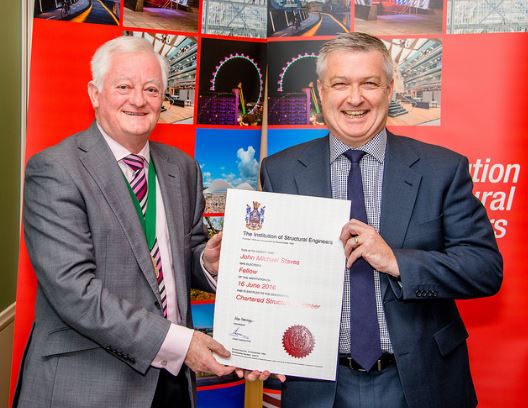
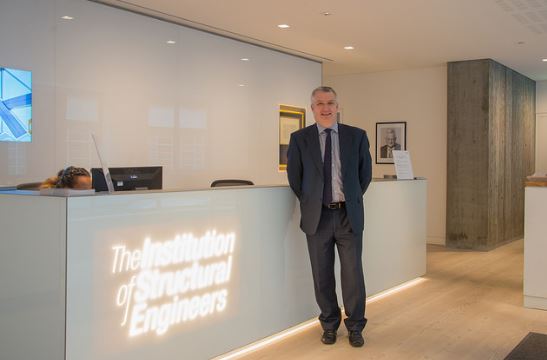
John Staves, Managing Director at Michael Aubrey Partnership has been awarded fellowship of the Institution of Structural Engineers (FIStructE) as a reflection of his outstanding individual achievements, success and expertise within the engineering profession.

The fellowship was awarded to John by Alan Crossman FIStructE, President of the Institution of Structural Engineers at a prestigious ceremony at the Institution’s headquarters in London.

john-staves-photo-certificate

Key note speaker for the event was Simon Pitchers, Chartered Engineer and commonly known as “Crack Man” for his appearances on The Jeremy Vine show and with Sarah Beeny on C4’s “Help my house is falling down”.

Simon expressed what a privilege it was to be attending the presentations.

Simon Pitchers

What is a Structural Engineer?

Simon talked about how he is often asked “what is a structural engineer?” and one way of thinking about what a structural engineer does is to imagine the human body.

“If the human body was a building, structural engineers would be responsible for the skeleton”. 

Structural engineers take dreams and make them a reality.  We are guardians of public safety and rarely get the recognition we deserve.

The Journey to Fellowship

The journey to fellowship starts early in education – you can’t fail at anything. You need a degree and relevant experience to be allowed to even to apply for an interview.

Only if you pass the interview are you permitted to sit the professional exam.

For every 10 people who sit the professional exam only 2 or 3 pass.

It’s a rigorous process and only the committed engineers will pass and become Chartered.

John’s Route to Fellowship

After leaving Durham University in 1988, John worked at Arups in Newcastle on their graduate program. One of his first projects was working on the Ponds Forge Swimming complex in Sheffield for the World Student Games.

Following a move to a small engineering practice in Bristol and then to Mercury Communications in Bracknell, having achieved Chartered Status, John was keen to set up his own practice and founded Michael Aubrey Partnership in 1994.

John contributes to the wider structural engineering profession through his work as a Trustee of the Institution of Structural Engineers, as well as encouraging others to join the profession through school careers events and professional reviews of prospective members.

Talking about achieving the Fellow grade of membership, John said “I feel very honoured to have received this recognition from my peers and colleagues for the contribution I have made to the profession of structural engineering, both through strategic input to the Institution’s direction and my technical work at Michael Aubrey Partnership.”
john-staves-photo-front-desk


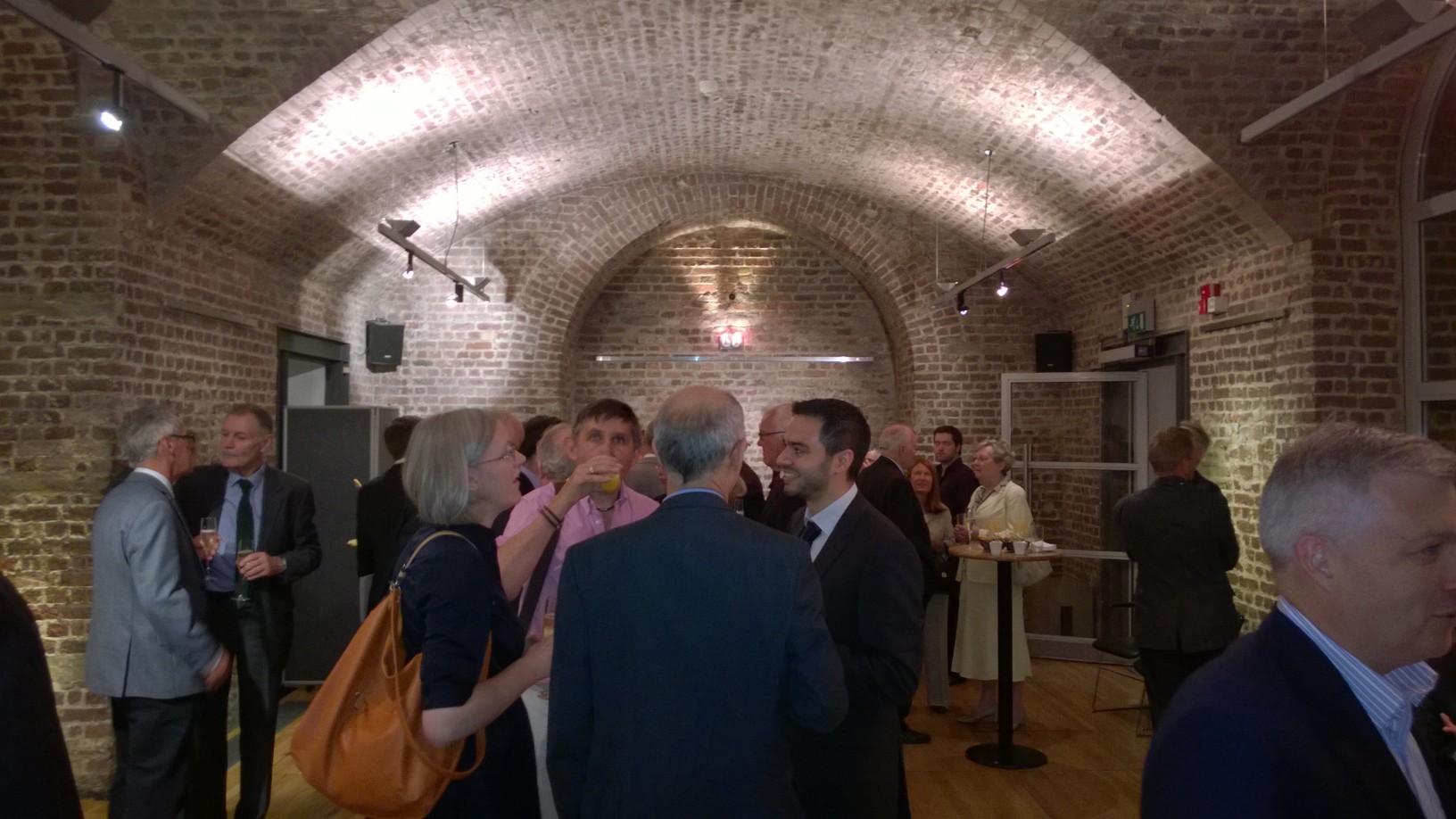
Proud and thrilled to see John Staves, Managing Director at Michael Aubrey Partnership, receive the “Lewis Kent Award” for his dedicated service to the Institution of Structural Engineers, through his work on the Board, including as Honorary Treasurer, Council and the Thames Valley Regional Group and his contributions to Committees, Panels and Task Groups over the past 20 years.

John was presented the Award by Martin Powell, Chief Executive at The Institution of Structural Engineers at the RSA House, London on 4 June 2015.

dungeon


This Award forms part of “The People and Paper Awards” celebrating the accomplishments of exceptional individuals and teams in the field of Structural Engineering.

Awards presented at this ceremony include; the achievements of young members of the Institution of Structural Engineers, excellence in education and papers published in The Structural Engineer, alongside those who have made outstanding contributions to the profession.

The Lewis Kent Award is presented for personal services by a member to the Institution or the profession, chosen by The Nominations Committee.

Who was Lewis Kent?

Lewis Kent became President of the Institution in 1959. He was an early recipient of this Award which, from 1973, was re-named in his honour.

Speaking about receiving this prestigious Award, John Staves said,

“I am passionate about Structural Engineering. I am thrilled and delighted to receive such an honour in recognition of the contribution that I have made to the profession over the last 20 years”.

To read more about the Awards click here.