In the world of construction and building maintenance, ensuring the safety and longevity of structures is paramount.

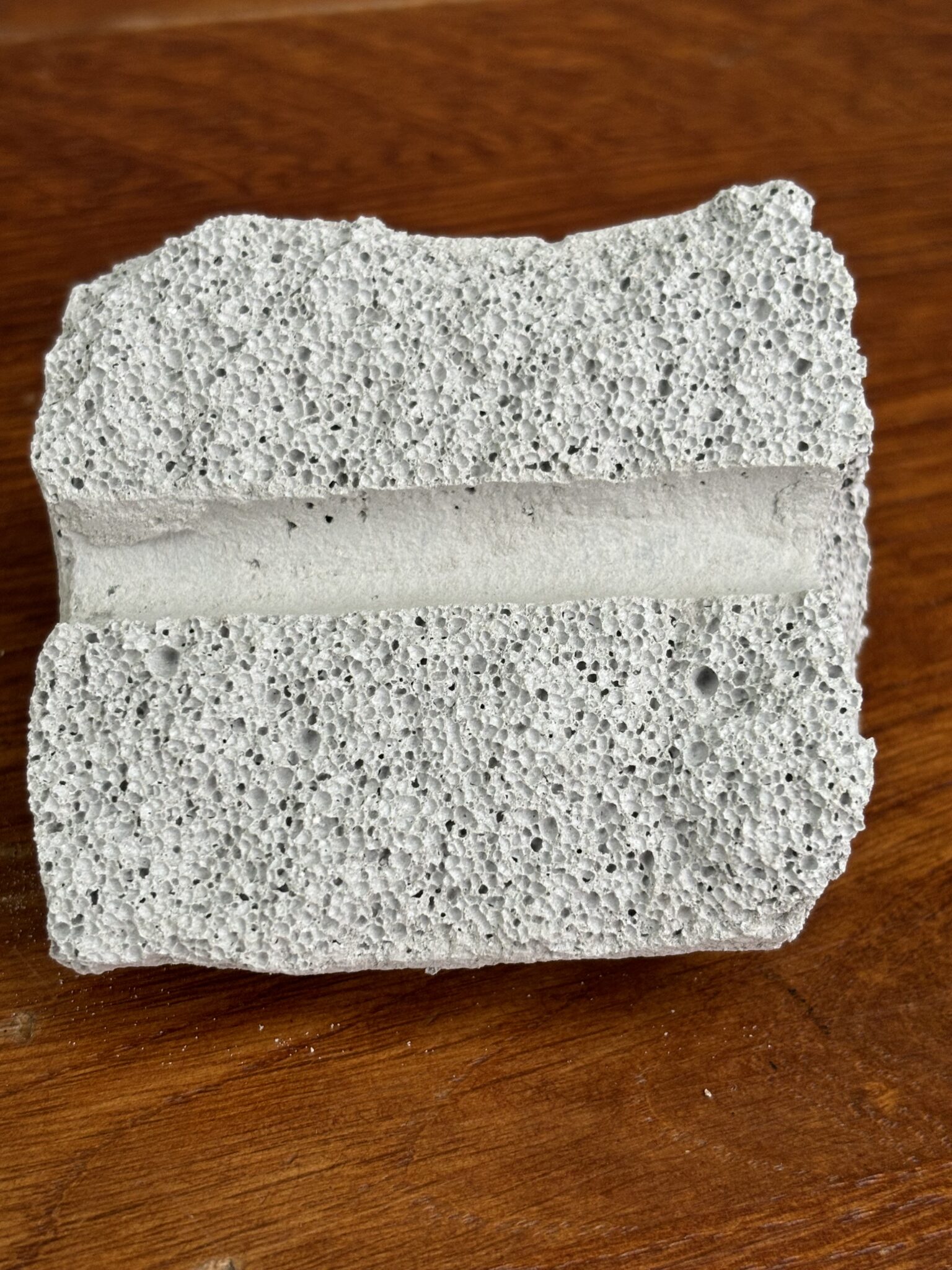
One critical aspect of this process is the assessment of Reinforced Autoclaved Aerated Concrete (RAAC), a material commonly used in buildings constructed between the 1950s and 1980s.

As these structures age, the need for thorough RAAC surveys and inspections becomes increasingly vital.

RAAC inspection

RAAC Surveys: Understanding RAAC and Its Challenges

RAAC is known for its lightweight, insulating properties and ease of use, making it a popular choice during its time. However, over the years, it has been discovered that RAAC can deteriorate, leading to potential structural weaknesses. This is where the importance of RAAC inspections comes into play. Regular assessments help identify any signs of degradation early, allowing for timely interventions that can prevent more significant issues down the line.

It is worth noting that concrete roofs aren’t necessarily precast, and precast concrete roofs aren’t necessarily RAAC!

RAAC without defects isn’t necessarily a problem, but you do need an expert review to know where you are on this spectrum!

The Role of Experienced Structural Engineers

When it comes to conducting RAAC surveys, the expertise of an experienced structural engineer cannot be overstated.

contact us

RAAC inspection


Experienced structural engineers bring a wealth of knowledge and practical insight, crucial for accurately assessing the condition of RAAC structures.

Their ability to identify subtle signs of wear and potential failure points is invaluable in ensuring the safety and integrity of a building.


Why Choose an Experienced Structural Engineer for Your RAAC Survey?

Precision in Assessment

An experienced structural engineer can conduct a comprehensive RAAC inspection, employing advanced techniques and tools to pinpoint areas of concern. This precision is critical in formulating effective maintenance and reinforcement strategies.

Tailored Solutions

Every building is unique, and so are its challenges. Expert structural engineers can provide customised solutions that address specific issues, ensuring that the recommended interventions are both effective and efficient.

Long-term Safety and Savings

By opting for a detailed RAAC survey conducted by a professional, building owners can avoid costly repairs and potential safety hazards. Early detection and intervention are key to preserving the structural integrity of a building and extending its lifespan.
Conclusion

In building maintenance and safety, RAAC inspections play a crucial role.

Choosing an experienced structural engineer for your RAAC survey ensures a thorough, accurate assessment and gives you peace of mind that your building is in expert hands.

With their expertise, you can confidently address the complexities of RAAC assessments, protecting both your investment and the people who depend on the structure every day

Next Steps

If you’re a building owner concerned about the condition of your RAAC structures, or still need to check if you have RAAC, don’t hesitate to reach out to our team of experts.

We’re here to help you ensure the safety and longevity of your property.

contact us

RAAC Solutions?

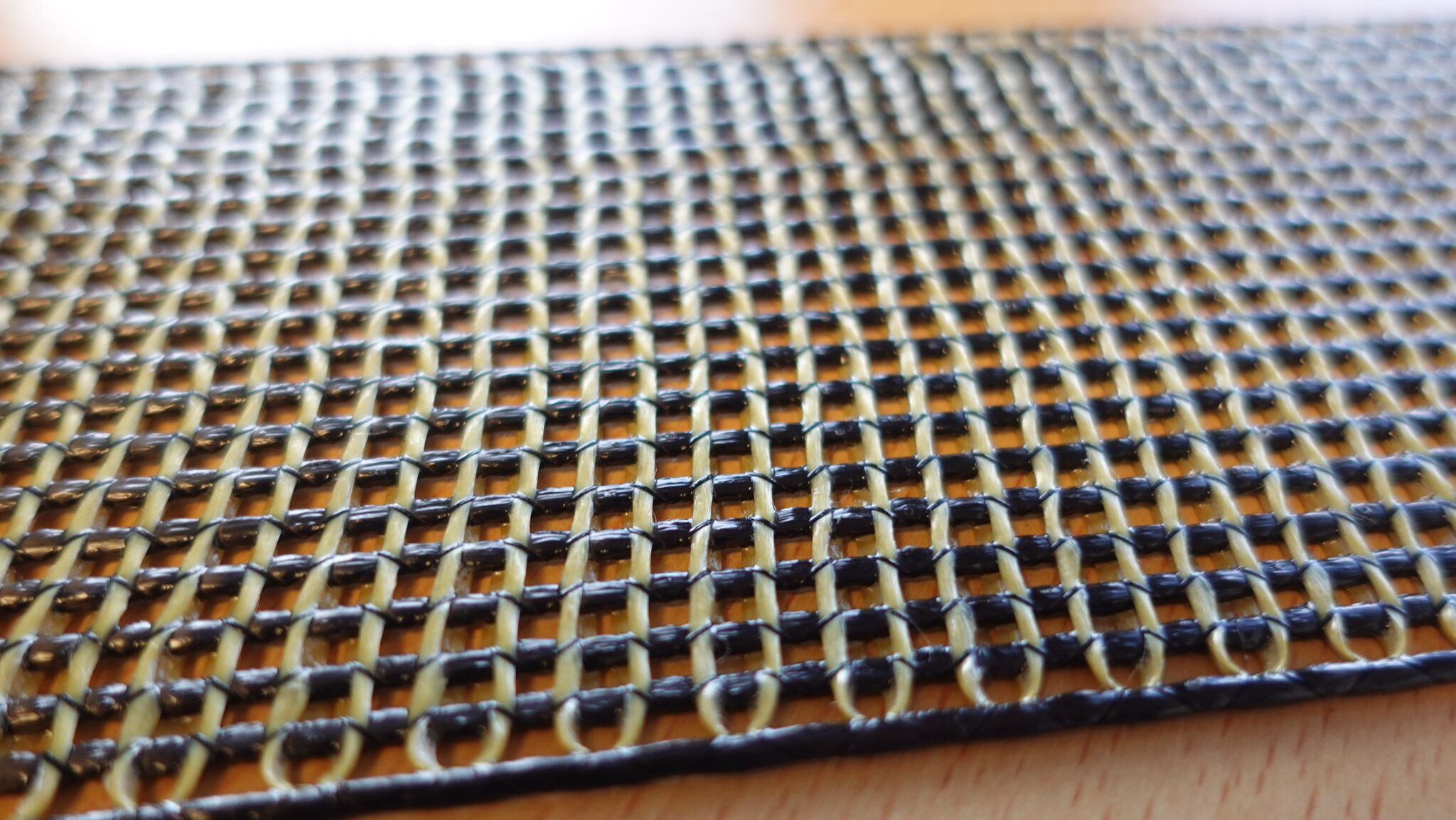
Read about Carbon Fibre Reinforced Polymer (CFRP) here
For more information about RAAC from the Institution of Stuctural Engineers click here
 

The Building Safety Act is part of the building safety legislation produced in the wake of the 2017 Grenfell Tower disaster.

It’s aim is to;

  • Enhance safety standards
  • Ensure accountability
  • Maintain thorough documentation throughout a building’s lifecycle

The Building Safety Act for Homeowners – Does the Building Safety Act apply to you and your project?

If you are undertaking works that requires Building Regulations approval – Yes absolutely!

There is a misconception that the Building Safety Act only applies to high rise buildings – this is not the case. It applies to ALL construction projects where you have to apply for Building Regulations approval.

The Building Safety Act will change the way buildings are designed, constructed, and managed.

The Act enables the introduction of new regulations covering the competence of all those who undertake building work with new statutory roles for Designers and Contractors on all projects.

Who are duty holders?

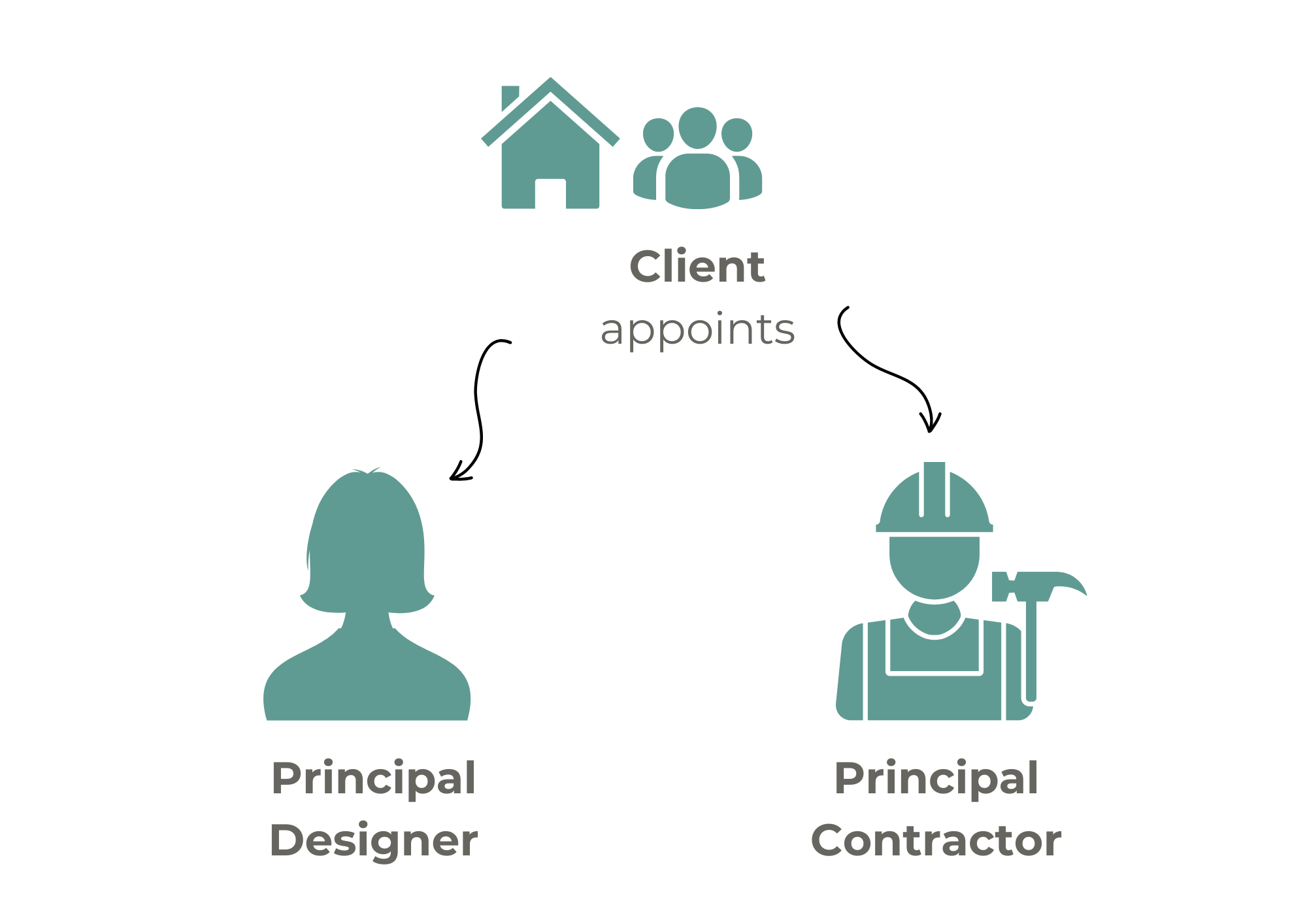
  • clients (homeowners, developers, employers)
  • designers
  • principal designers
  • contractors and
  • principal contractors

What does it mean for you as a homeowner?

As a client (dutyholder), you are legally responsible for:

  • Appointing competent professionals to design and build your project.
  • Sharing relevant information related to your project.

What you need to do

When a building regulations application is submitted, you (the client and homeowner) have to declare who is taking on the principal designer duties – you have to be confident they are a competent designer.

Similarly, when you appoint a builder as principal contractor then you need to be confident they are a competent builder.

Both need to deliver your project such that it complies with the Building Regulations..


Typically, your designer will serve as the Principal Designer, and your builder will act as the Principal Contractor.


The changing role of Building Control

Building Control will no longer be able to advise how to comply with Building Regulations – it will be a simple

  • yes it’s compliant or 
  • No it’s not compliant– this applies at plan checking stage and on site

It is up to the competent designer to produce a compliant design and the competent builder to build to the approved design.

Enforcement and Penalties

A breach of duties by any dutyholder is a criminal offence. Failure of a duty holder to carry out their duties will be addressed via fines and a custodial sentence up to 2 years.

Once building work is complete

The dutyholders (Client, Principal Designer and Principal Contractor) are to provide a signed compliance declaration within five days of completion of the work confirming:

  • To the best of your (the client’s) knowledge the work complies with the Building Regulations.
  • The Principal Designer and Contractor both have to sign to say they have fulfilled their duties.

Potential pitfall: When a builder wants to make a change to the approved design

If there are design changes from the information declared as compliant by the Principal Designer (and approved by Building Control in their checking role) a competent designer needs to confirm that the design remains compliant.

You (the client) would be responsible for providing the relevant information or seeking assistance (from the Principal Designer) with the design element. 

Alternatively if you felt your builder was a competent designer you would need to declare a change of dutyholder and assign your builder as the new Principal Designer.

What happens once the build is finished?

Before Building control will carry out a final completion inspection, the client, the Principal designer and Principal contractor have to sign a “declaration of compliance” to say they are happy that they have carried out their duties under the act and the build is compliant with building regulations.

What happens if I can’t do this?

Building Control will not be able to issue a completion certificate, which may be an issue when you come to sell your property.

Want to find out more?

Check out the government guidance by clicking here.

If you are thinking of a project (around the Berkshire area) and need advice, please drop us an email at:- support@mapl.co.uk

Megan joined our team on the 20 March 2023 after leaving her job in retail.

After A levels, Megan chose not to go to university and has been working in retail for the past few years.

Megan decided to find a whole new environment in which she has never worked before, learning about a new profession.

Taking on her new role as business administrator and social media assistant, Megan will love expanding her knowledge especially having not worked with structural engineers and architects before.

With a passion for social media, Megan is eager and ready to learn!

In her spare time Megan loves socialising with her family and friends.