Have you ever passed by someone on the street without realising they quietly changed the world?

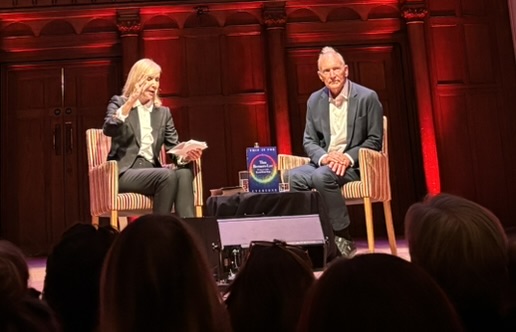
This week, we had the chance to spend an evening with just such a person. You might not recognise his face, but his invention touches your life every single day.

I’m talking about Sir Tim Berners-Lee, the man who created the World Wide Web!

It felt surreal listening to him talk so modestly about something that has completely transformed how we live, work, and connect. What struck me most wasn’t the technology itself, but his vision of a web built for openness and collaboration and how the World Wide Web is intangible.

sir tim

You can’t touch it, but you experience it every day. It began as a conceptual design, a framework of ideas that became a lived reality for billions of people.

In structural engineering, we also start with the intangible.

Before steel, concrete or timber are ever put in place, there’s a concept: lines on paper, models on screen, ideas of how people will move through and experience a space. Like the web, those designs only become powerful once they shape human experience.

Hearing Sir Tim reminded me that the greatest innovations aren’t always about what you can touch they’re about the concepts that change how people live, connect, and grow.

For engineers, it’s a call to design not just for stability, but for the experiences and futures our structures will enable.

It left me reflecting: Are we giving enough weight to the intangible concepts in our work the vision and experience before they become physical reality?


And if you’re curious, I’d recommend picking up his book, I think it’ll be a fascinating read.

At Michael Aubrey Structural Engineers, we are proud to introduce a groundbreaking solution for the UK’s RAAC (Reinforced Autoclaved Aerated Concrete) crisis.

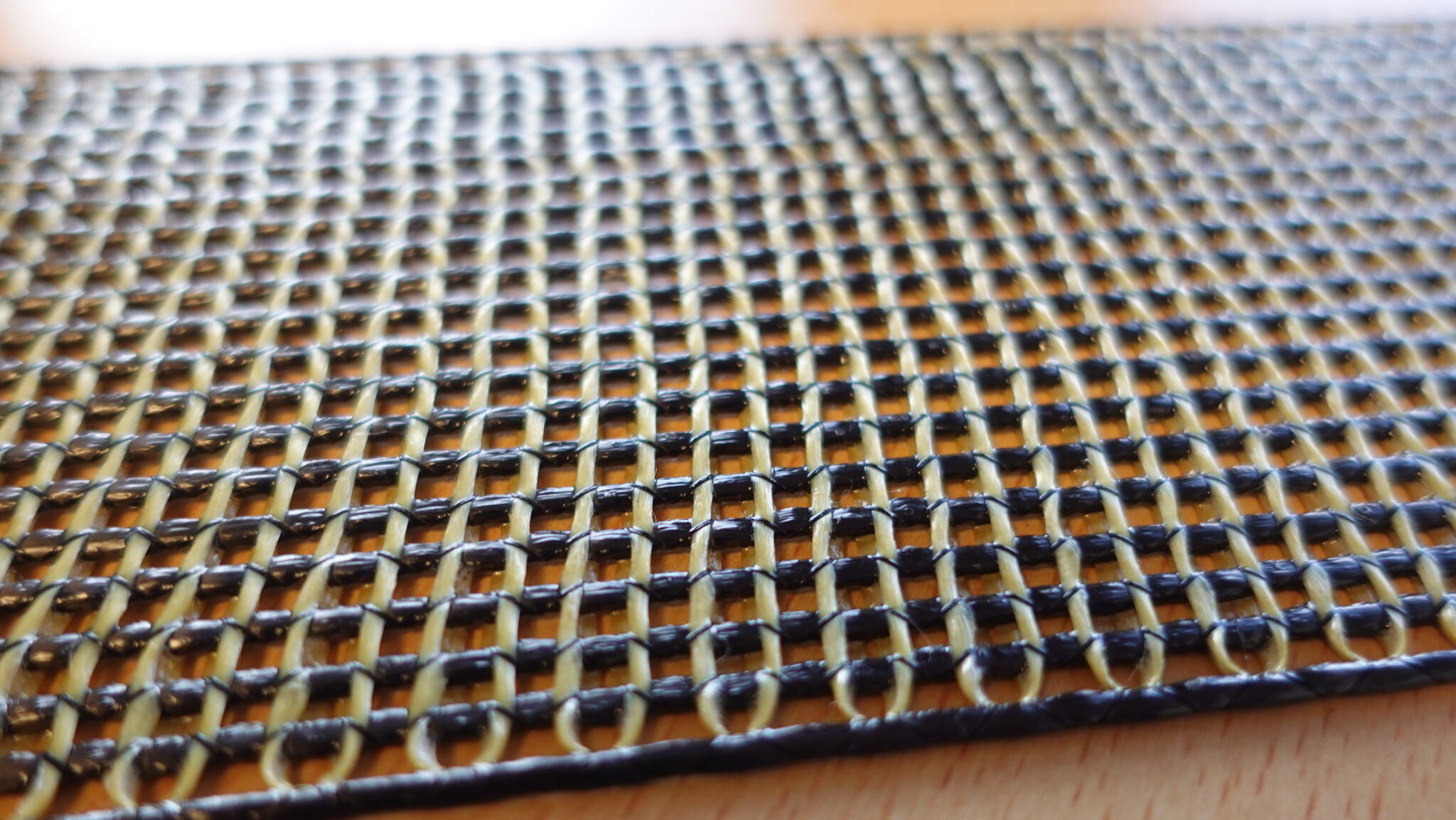
In a UK first, our team has developed and successfully delivered an in-situ repair method for RAAC panels using Carbon Fibre Reinforced Polymer (CFRP) technology – a material more commonly used in aerospace and automotive industries.

Until now, repairing RAAC meant expensive, disruptive demolition or full roof replacement.

By returning to first principles, our engineers have adapted CFRP to strengthen RAAC panels directly, without the need to vacate the building.

“This was uncharted territory,” says John Staves CEng FIStructE, Managing Director. “The Eurocode standards didn’t cover this solution – but through rigorous engineering, testing, and validation, we made it work.”

The benefits are clear:

  • No demolition required
  • Minimal disruption to occupants
  • Cost-effective, scalable, and safe

Already successfully implemented with Network Rail, this pioneering system gives councils, schools, hospitals, and public bodies a practical way to restore building safety without the huge cost or disruption of traditional methods.

This is engineering innovation at its best – providing real solutions for hundreds of at-risk buildings across the UK.


Do you have a building that has been affected by RAAC?  Call us today 0118 962 9666 and we’ll see if we can help you.

Reducing Carbon in Structural Engineering Designs

As structural engineers, we hold a significant responsibility in the global effort to combat climate change. Buildings and infrastructure are major contributors to greenhouse gas emissions, and as designers of these systems, we have a unique opportunity to drive meaningful change.

By adopting innovative strategies and aligning our practices with the IPCC’s carbon reduction roadmap, we can create a more sustainable future.

6 ways Structural Engineers Can Lead the Carbon Revolution;

  1. Embracing Low-Carbon Materials

The materials we select for our designs significantly impact the overall carbon footprint of a project. By prioritising low-carbon alternatives such as recycled steel, low-carbon concrete, and engineered timber, we can substantially reduce embodied carbon in our designs. Moreover, sourcing materials locally can minimise transportation emissions and support regional economies.

  1. Optimising Structural Efficiency

Efficient structural design is key to reducing material usage while maintaining safety and functionality. By employing advanced computational tools and techniques, we can optimise designs to use only as much material as necessary. Techniques such as topology optimisation and parametric modelling help us achieve this balance, leading to leaner, more sustainable structures.

structural engineers declare
  1. Reuse and Retrofit

Rather than demolishing and rebuilding, reusing existing structures or retrofitting them to meet new requirements can significantly reduce carbon emissions. Adaptive reuse not only preserves the embodied carbon in existing materials but also extends the life cycle of a structure, reducing waste and energy consumption.

  1. Collaborative Design Practices

Reducing carbon in our designs requires collaboration with architects, contractors, and other stakeholders. By engaging early in the design process, we can ensure that sustainability is a core priority from the outset. This includes working together to integrate passive design strategies, renewable energy systems, and water-efficient features into projects.

  1. Leveraging Technology

The rise of Building Information Modelling (BIM) and other digital tools allows us to assess and minimise carbon impacts throughout the design process. Lifecycle assessment (LCA) tools, for example, provide insights into a project’s embodied and operational carbon, enabling us to make informed decisions that align with carbon reduction goals.

  1. Advocating for Change

As engineers, we have a voice in shaping industry standards and practices. By advocating for policy changes, participating in professional organisations, and sharing our successes, we can drive broader adoption of low-carbon practices across the industry.

Doing nothing

Sometimes, doing nothing is the most sustainable choice!

Instead of extending structures, we can question if it’s truly necessary. Avoiding new construction saves materials, reduces carbon emissions, and cuts costs. By optimising existing spaces or reusing resources, we minimise environmental and economic impacts, aligning with our goal of reducing carbon footprints.

Conclusion

The path to a sustainable future requires commitment, innovation, and collaboration. As structural engineers, we play a vital role in reducing the built environment’s carbon footprint. By embracing sustainable materials, optimising designs, and working collaboratively, we can design for a better, greener future.

Structural Engineers Declare

“Structural Engineers Declare”, is an initiative led by The Institution of Stuctural Engineers urging companies to transform their working methods to address climate and biodiversity emergencies.

Together, we can align our efforts with global carbon reduction roadmaps and lead the way toward achieving net-zero emissions. Let’s act now to ensure that the structures we design today help preserve the planet for generations to come.

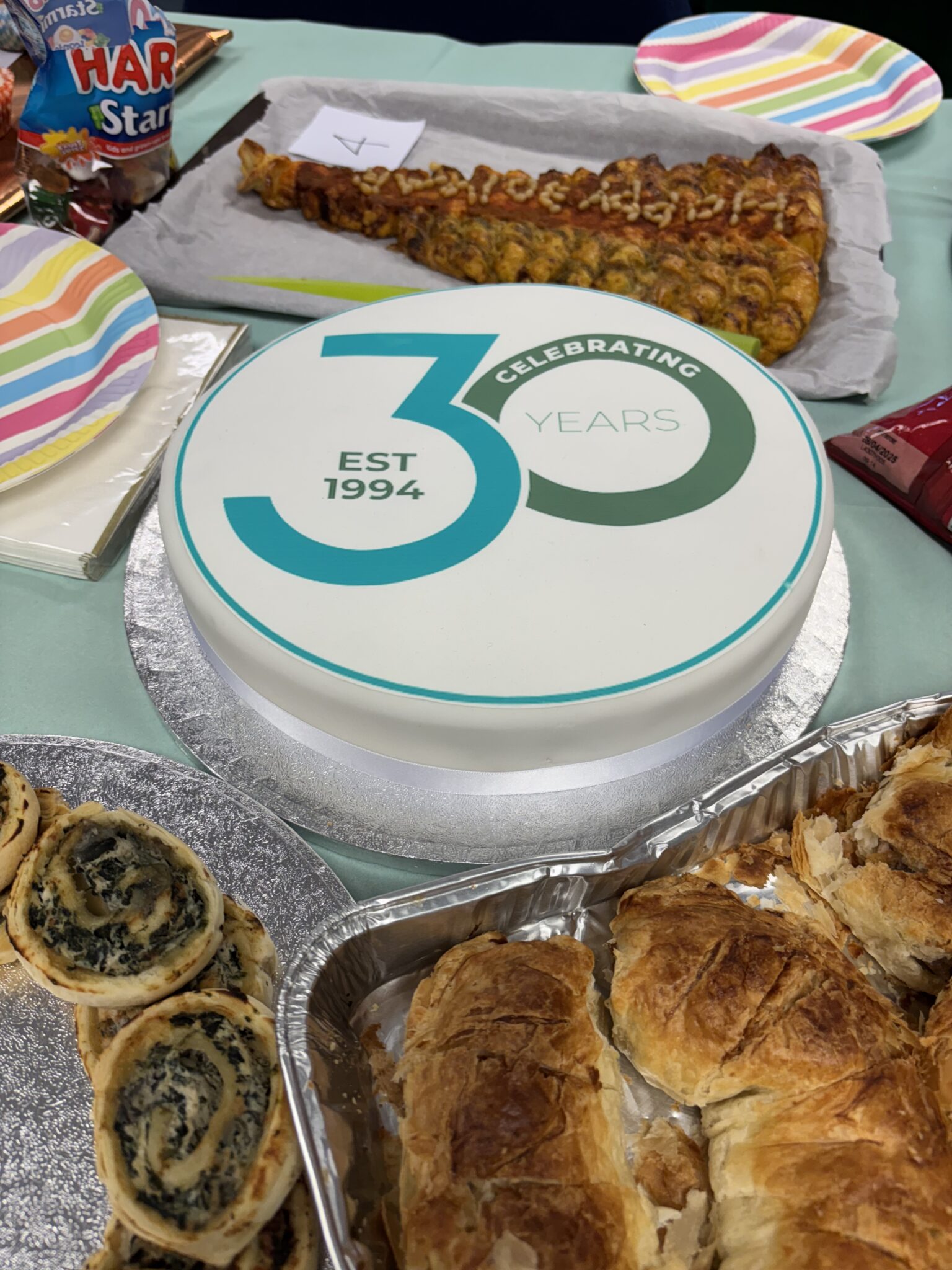
Wow, can you believe it? We’ve hit the big 3-0!

Thirty years of Michael Aubrey doing what we do best – blending engineering and architecture with a unique twist. Today is all about celebrating our journey and the amazing team that’s made it all possible!

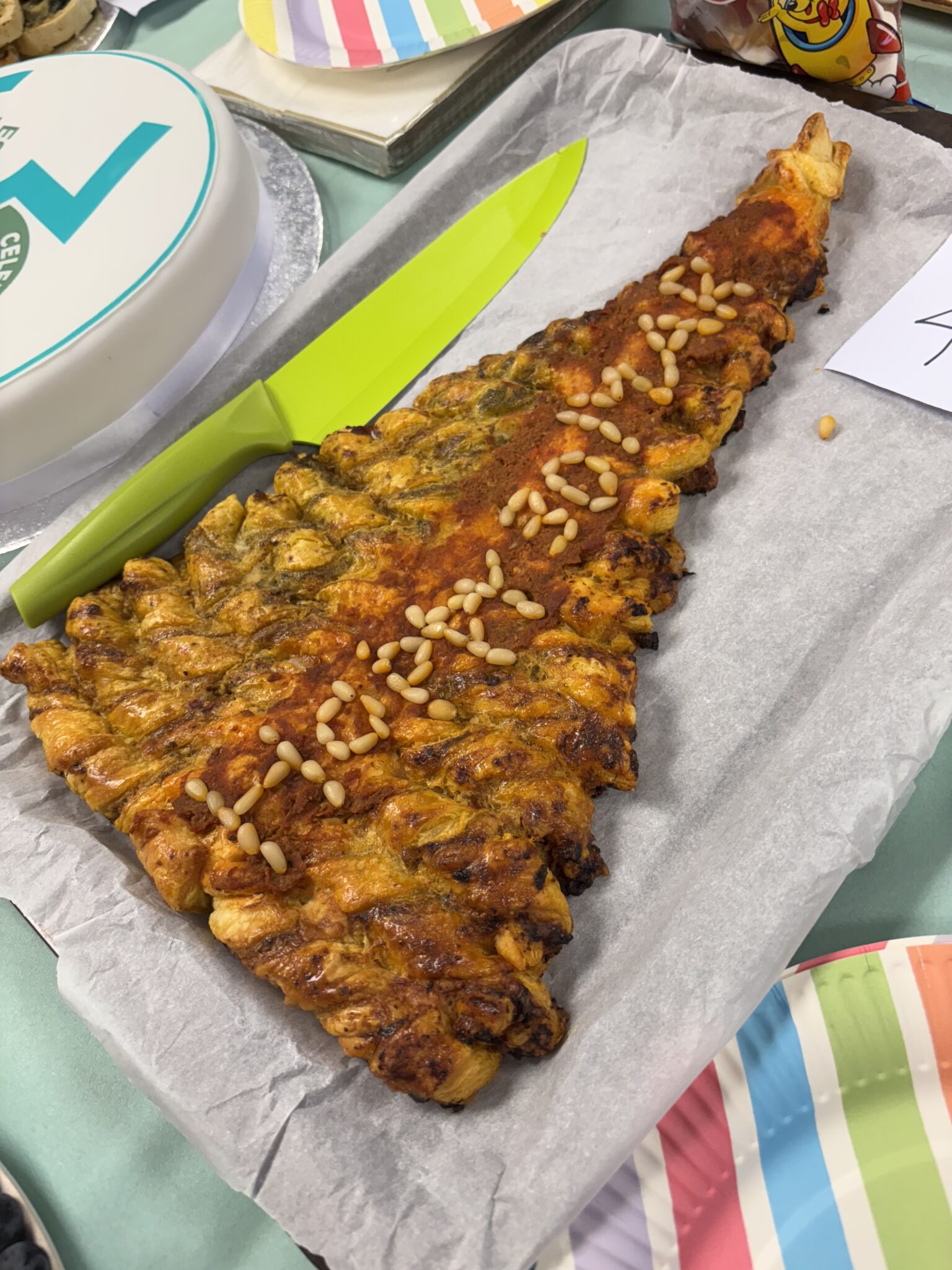
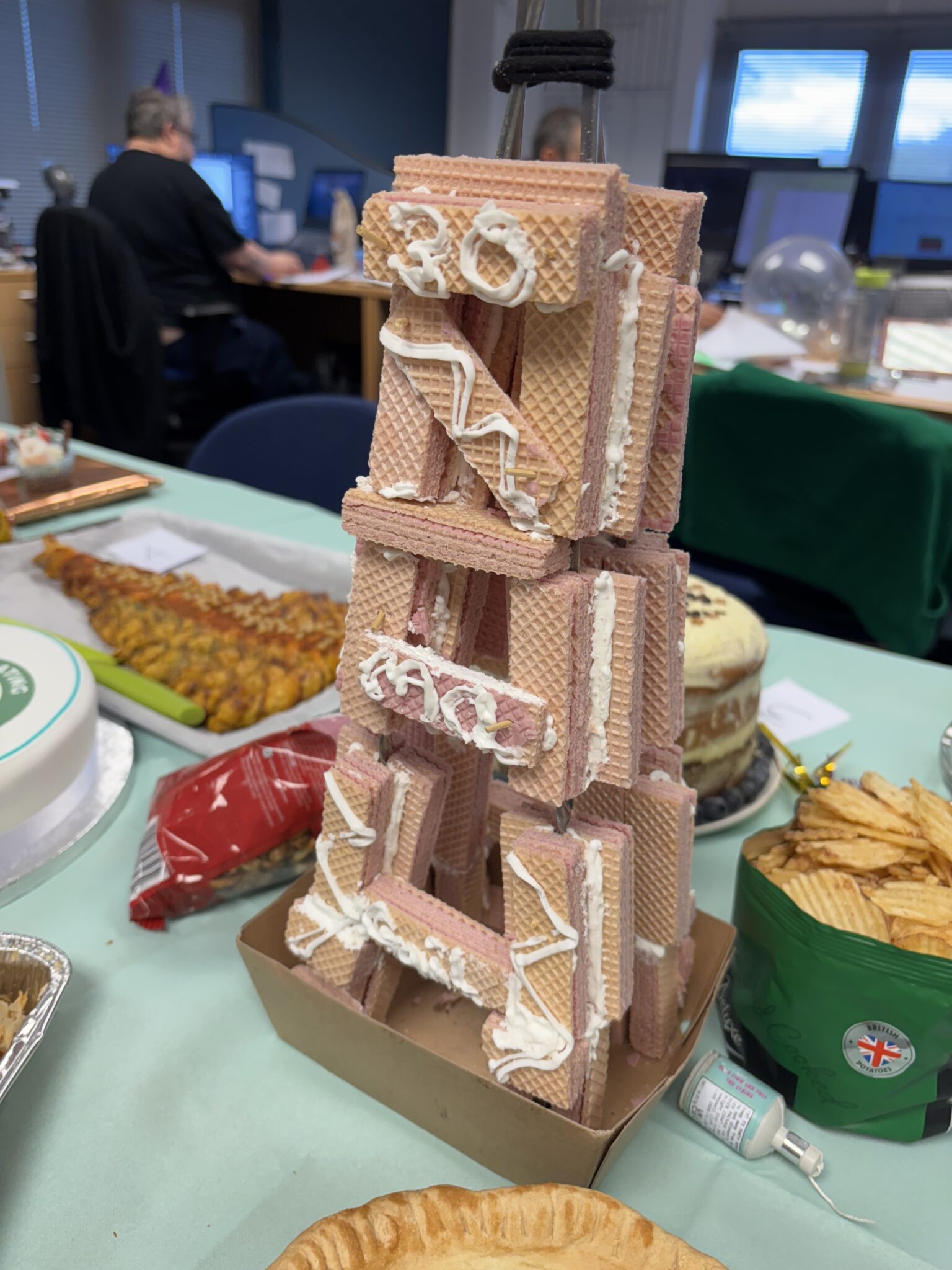
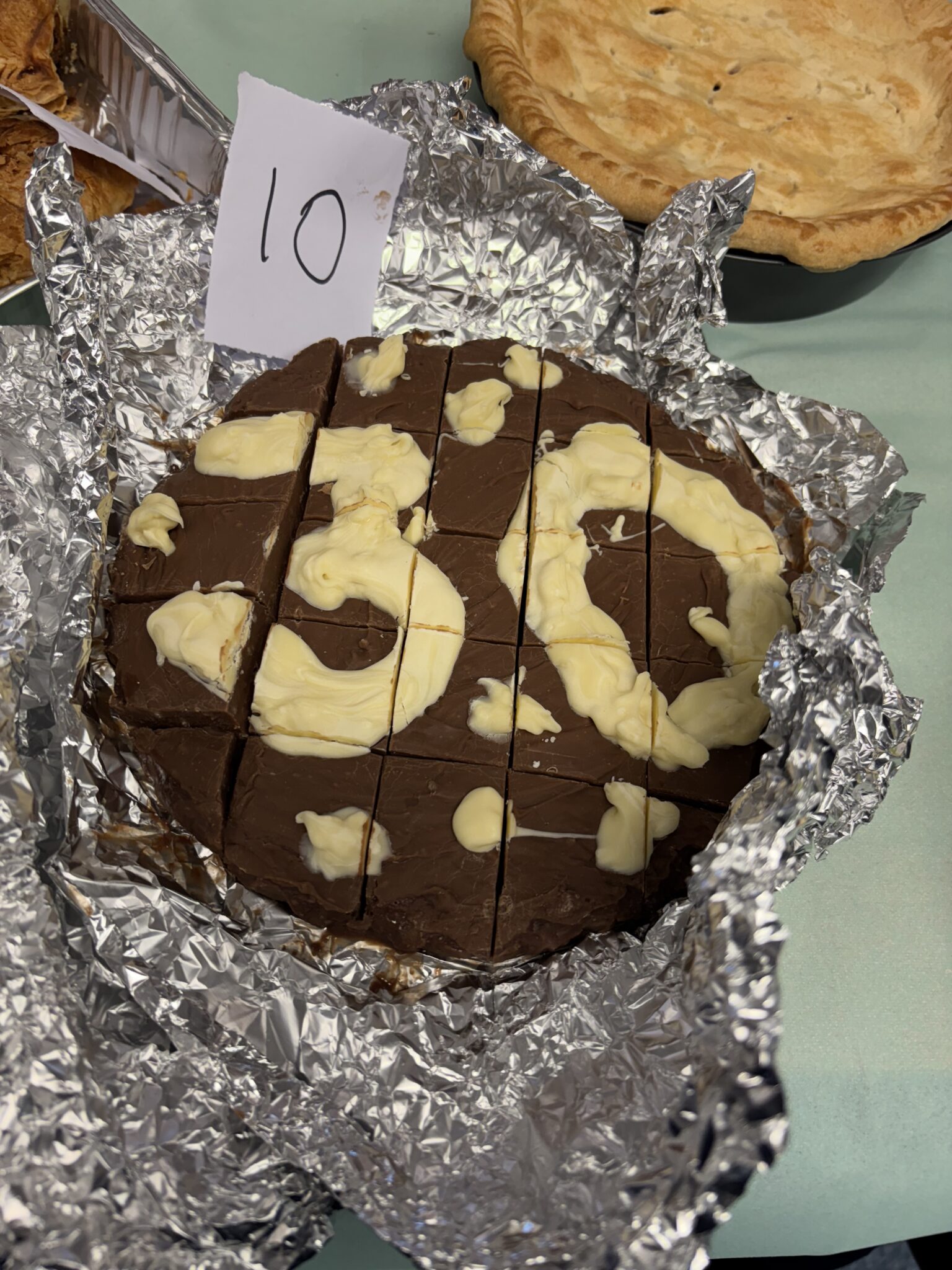
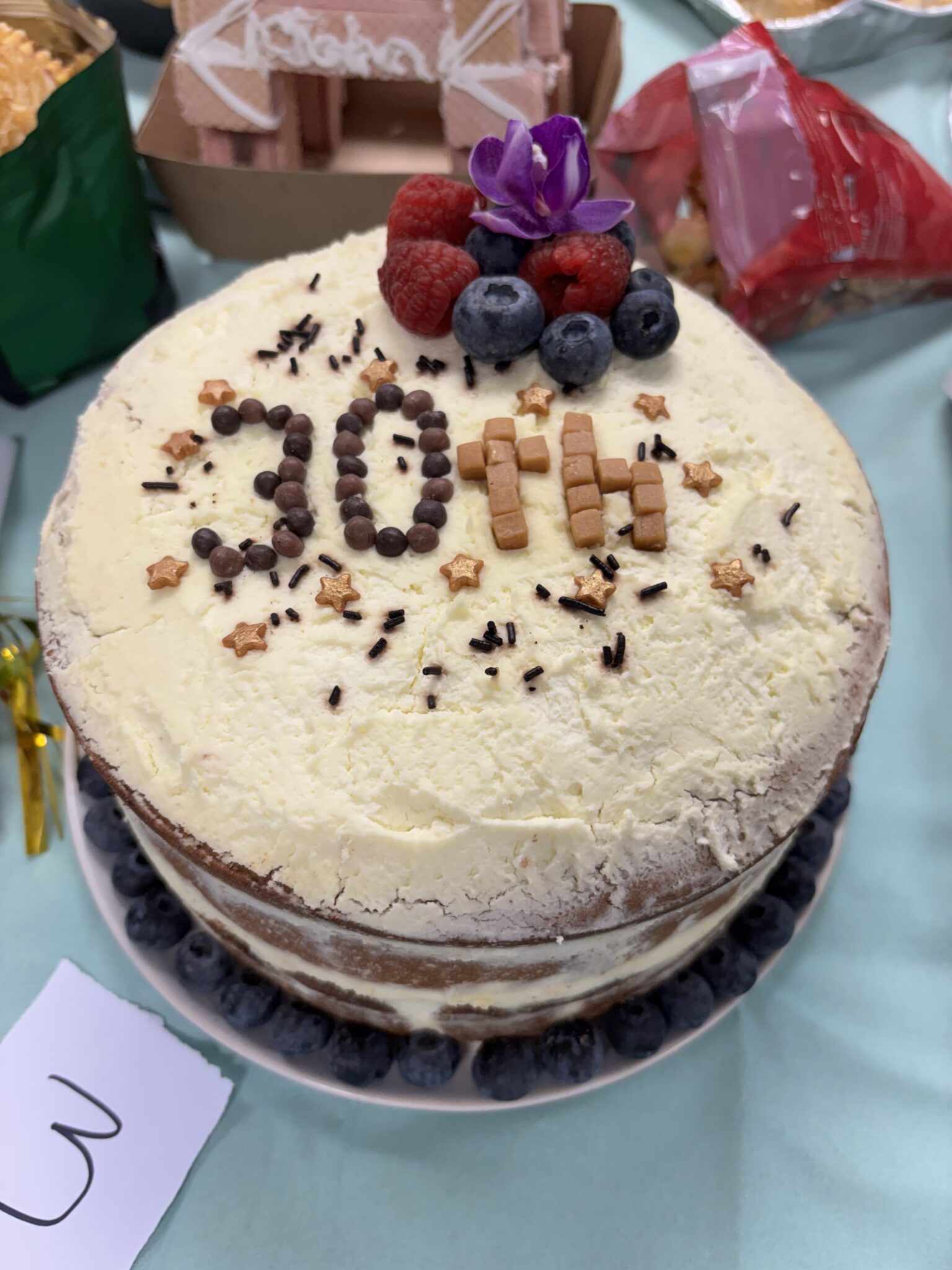
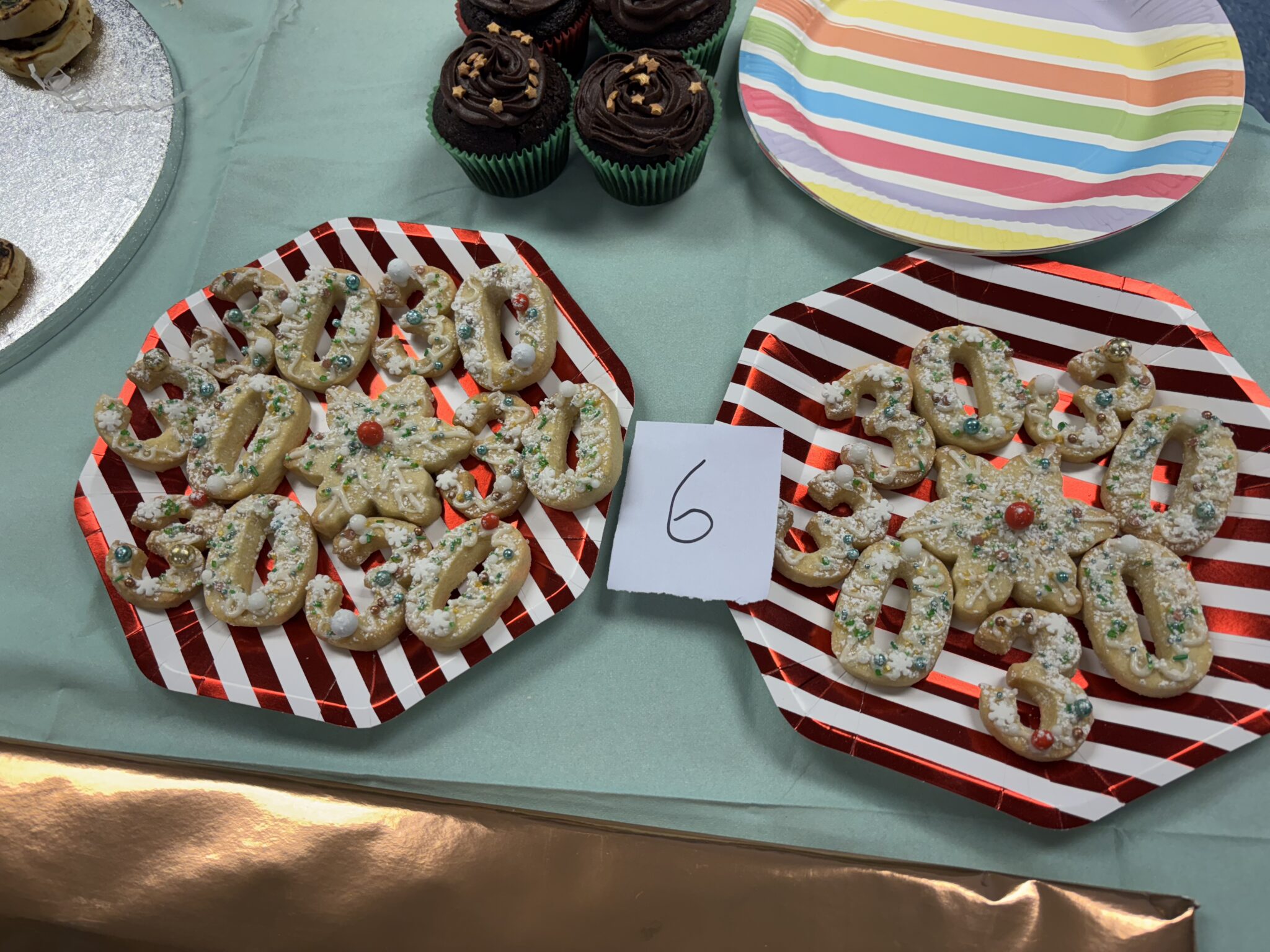
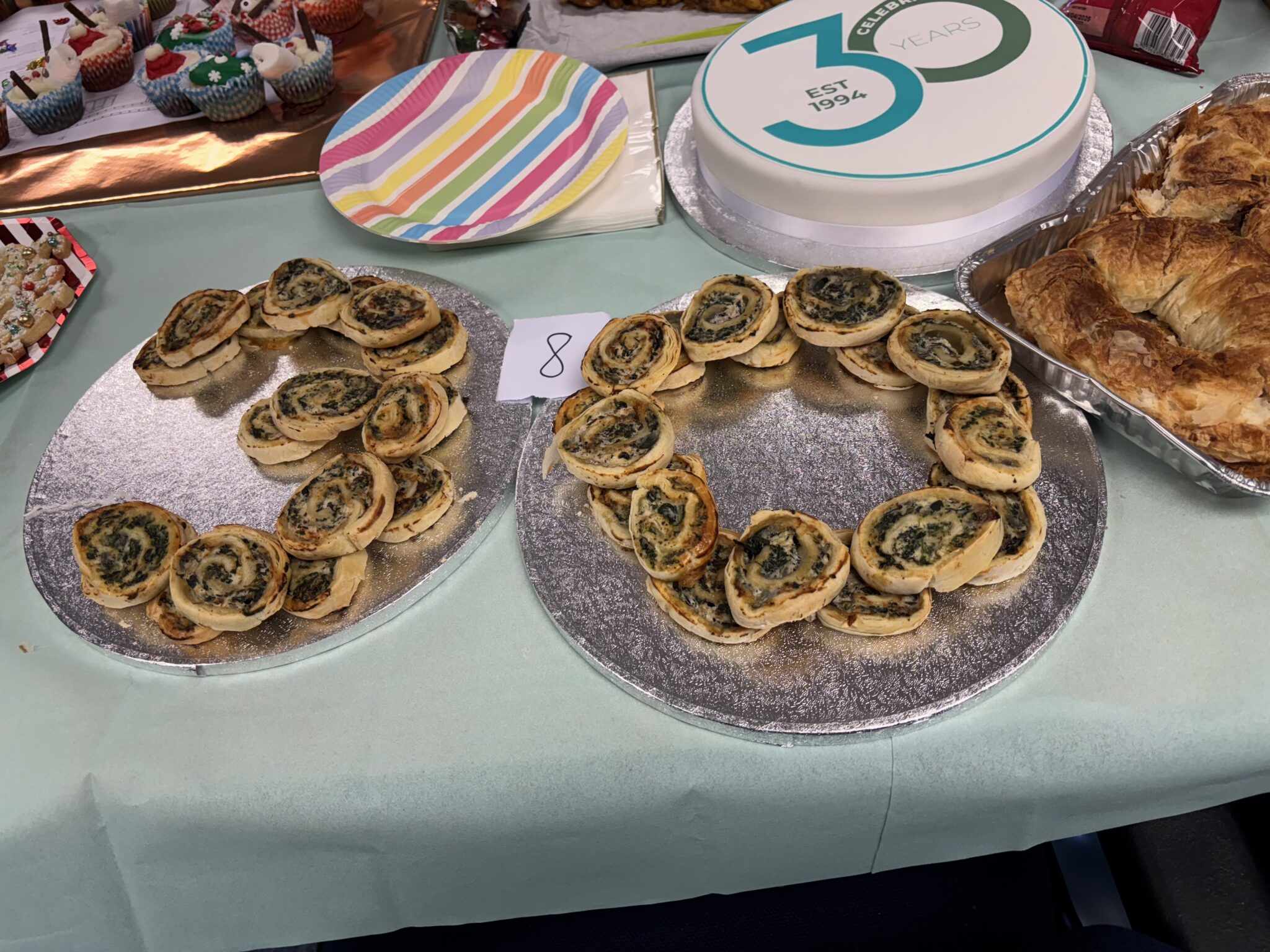
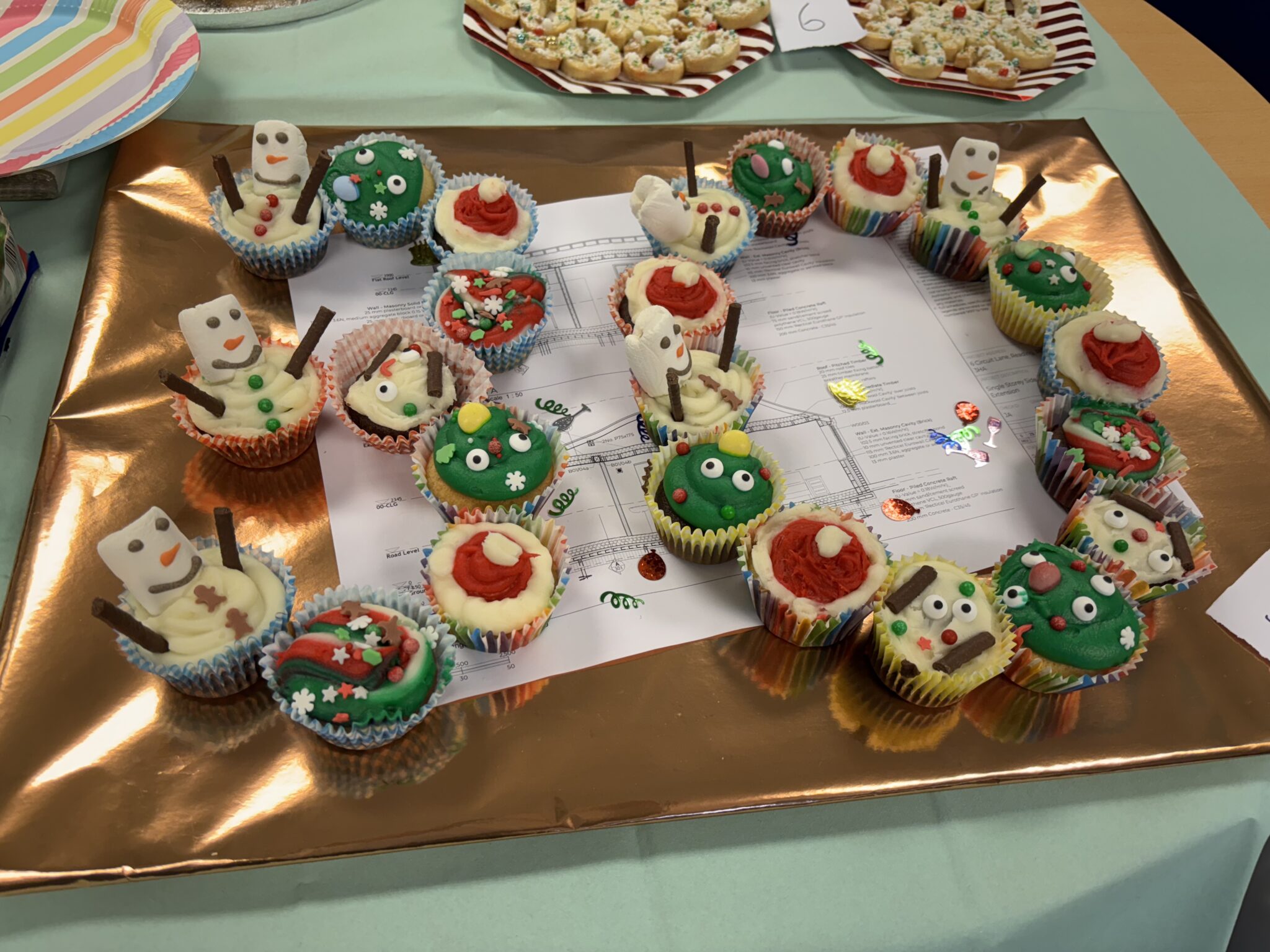
To mark this special occasion, we hosted a 30-year-themed “Bake Off” which brought out our team’s creativity and sense of fun!

The Bake Off showcased an impressive variety of savoury and sweet entries, judged on appearance and taste… including the Eiffel tower and a christmas tree!


First prize went to Liv with her 30 delicious reindeer cakes!


A close second went to Fabio (and Karina) with their 30th cake!


Liv’s outstanding creation earned the top prize, with Fabio’s excellent effort coming in second – both valuable members of our REVIT team.

Congratulations to Liv and Fabio for their great work!


Teamwork

During the celebration, our Managing Director, John Staves, reflected on our 30-year journey and expressed his appreciation for everyone’s contributions.

Teamwork has been our greatest strength. By tackling complex challenges together, we’ve proven that collaboration is the key to success.

Whether you’re a structural engineer, architect, BIM technician, or part of our support team, your efforts have been invaluable. Our culture thrives because every idea matters—and that’s something we can all take pride in.

Innovation

Innovation is at the core of who we are.

From early adoption of BIM to enhance client communication and pioneering solutions like screw piles and CFRP, we’ve consistently pushed boundaries. We’re always exploring new frontiers, ensuring we remain ahead of the curve.

Key Milestones

A huge shoutout to every member of the Michael Aubrey team. Your hard work, passion, and dedication are the driving force behind our success.

Special recognition goes to Andy, who’s been on this journey for 25 of these 30 years, and Gail, who’s supported us through all the ups and downs from the start. Carly also deserves a special mention for bringing architecture fully in-house, strengthening what we offer our clients.

Prioritising Sustainability and Reuse

Looking ahead, the future is bright. We’re excited to continue bridging the gap between engineering and architecture while prioritising sustainability and reuse in our designs. With a focus on improving response times and achieving our financial goals, we know we’ll reach new heights together.

Here’s to 30 years of Michael Aubrey – and to many more years of success, innovation, and collaboration. Let’s celebrate this milestone with pride and enthusiasm – cheers to the journey ahead!


Structural Awards 2017 – a fantastic night celebrating the extraordinary work of Structural Engineers across the world!


The winners and commended projects were announced during The Structural Awards ceremony, held at The Brewery, London on Friday 17 November.

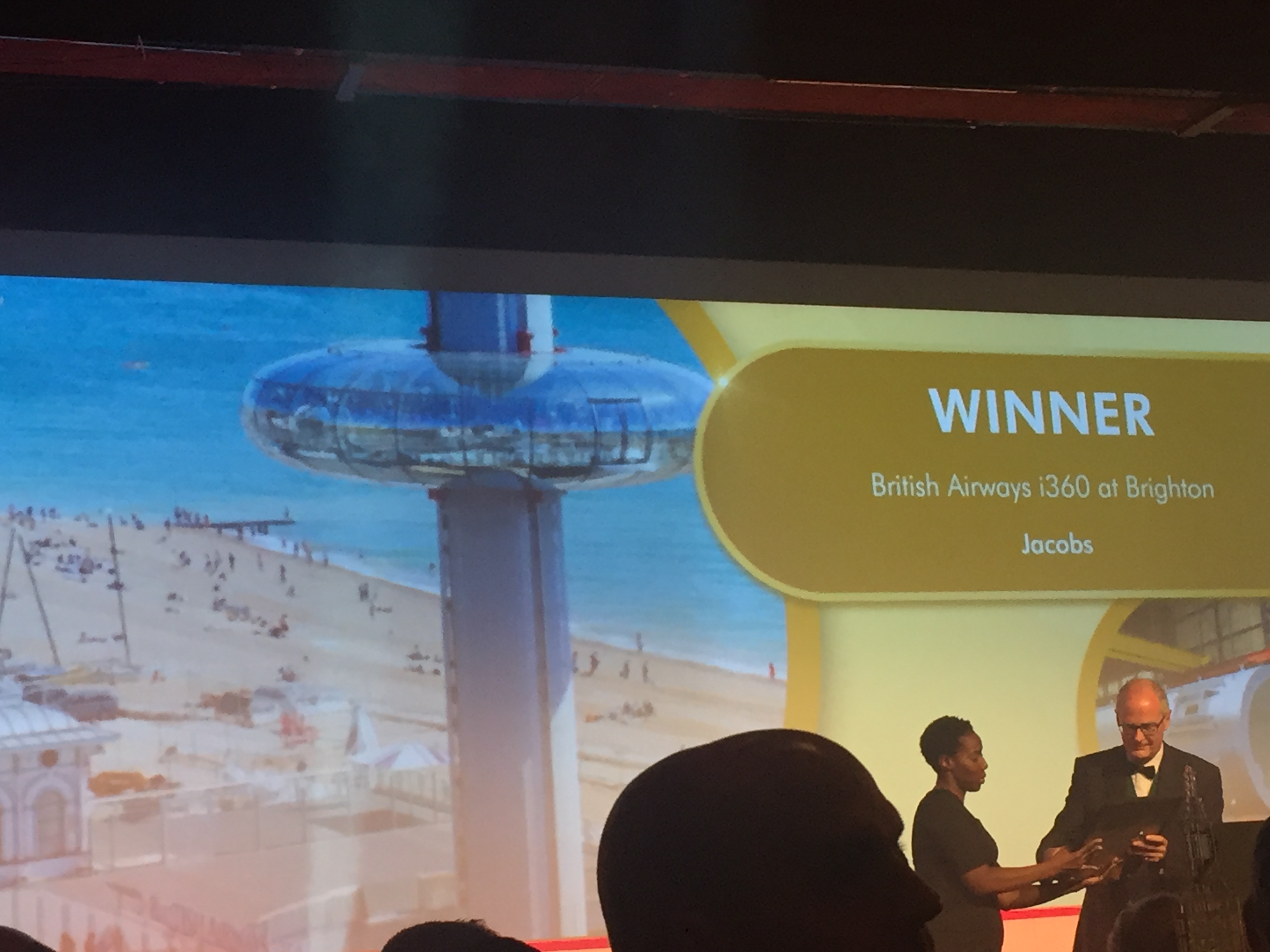
The evening culminated in the presentation of The Supreme Award for Structural Engineering Excellence which was awarded to the British Airways i360 (Brighton) by Jacobs

Structural Awards 2017

Addressing the audience, current President Ian Firth said

“Now in its 50th year, the awards once again celebrate the world’s most outstanding structural engineering achievements. 

Showcasing exemplary engineering, creativity and innovation, the 14 ground-breaking winners were chosen from a shortlist of 45 projects, in turn selected from 119 entries. 

The reach of the institution all over the world and the absolutely crucial role that structural engineers play in designing safe and elegant structures everywhere

Entries were received from 22 countries and after careful evaluation the judging panel shortlisted 45 impressive projects from Europe, North America, Australasia, South America and Asia

Every year the judges are impressed by the consistently high standard of the entries – this year is no exception

I know such is the strength of the entries that reviewing the entries challenged and tested the judging panel. An excellent short list that we are about to see and we are all eager to discover which projects were chosen as winners.

The judging panel were delighted to see such a positive response, especially as this year when we unveiling our new awards categories. These new categories places a stronger emphasis than before on the structural characteristics of a project rather than the type of building and therefore it represented a reflection of the engineers skills and technical accomplishments involved.

We have before us tonight an excellent international and exciting shortlist, reflecting the full spectrum of our professions work

Thank you to the judges for their diligence and care in evaluating every entry and selecting the winners

In this 50th year of the awards we have a wonderful opportunity to reflect on the remarkable achievements of our profession over the last half century and consider the challenges and opportunities that lie ahead for us in the next

My year as president has shown me the remarkable drive and ability of our membership and has filled me with huge confidence for the coming year.”

The Winners

Tall or Slender Structures

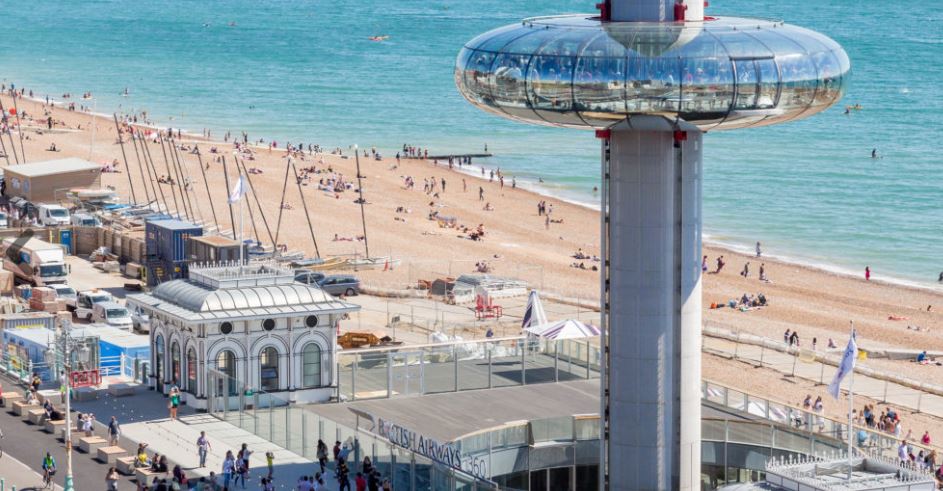
Winner :- British Airways i360 at Brighton 

Long Span Structures

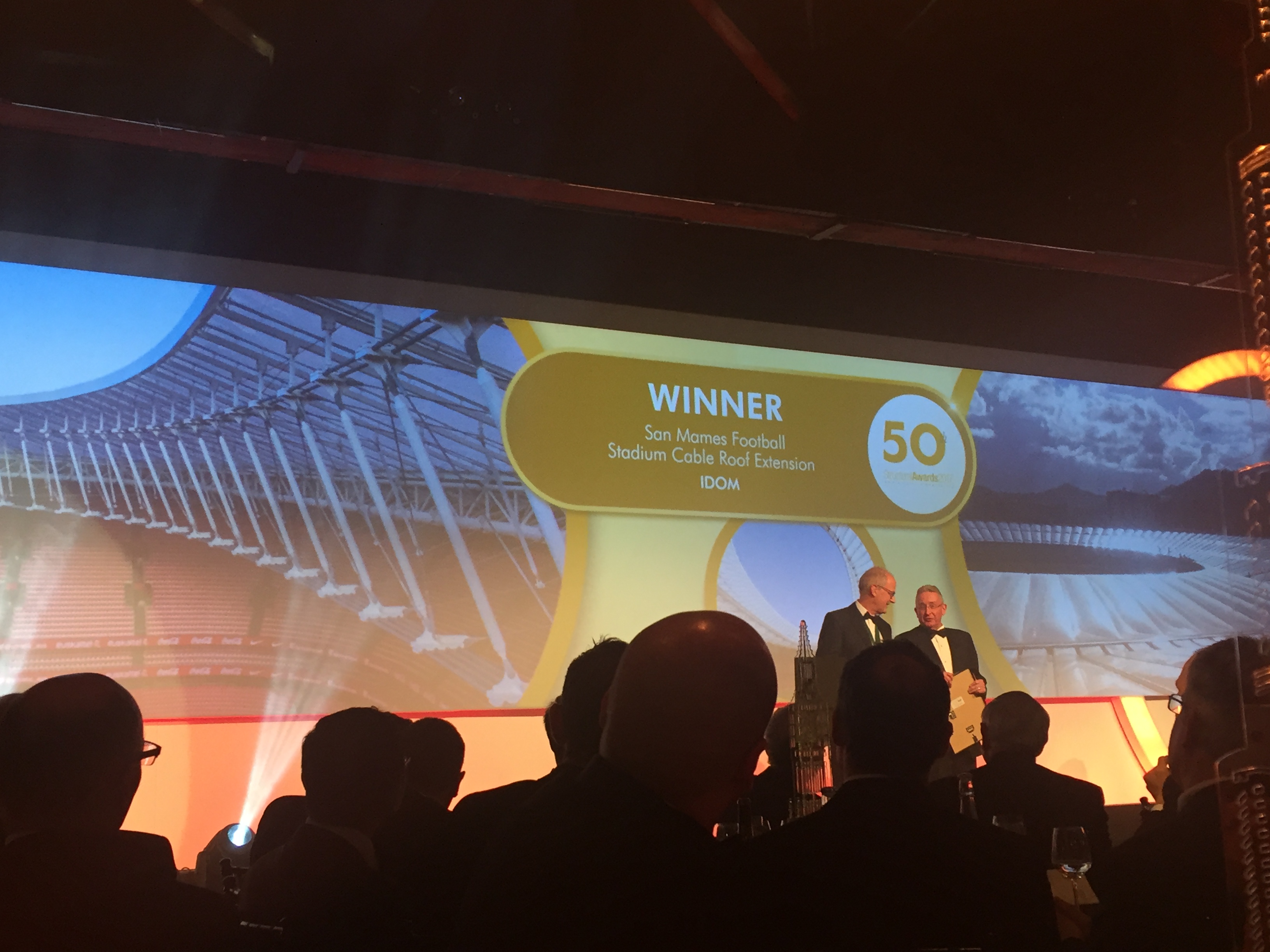
Winner:- San Mames Football Stadium, Cable roof extension IDOM

Structural Awards 2017

Vehicle Bridges

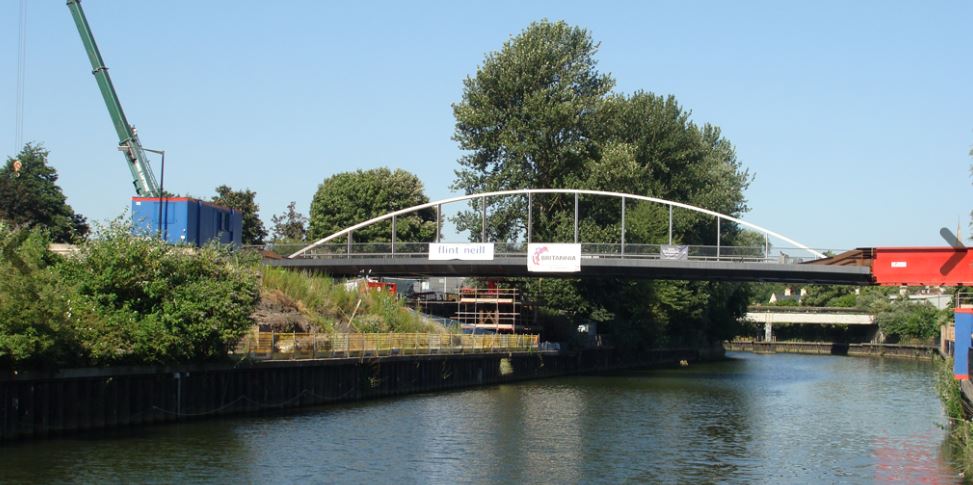
Winner:- Destructor Bridge, COWI Bath

Pedestrian Bridges

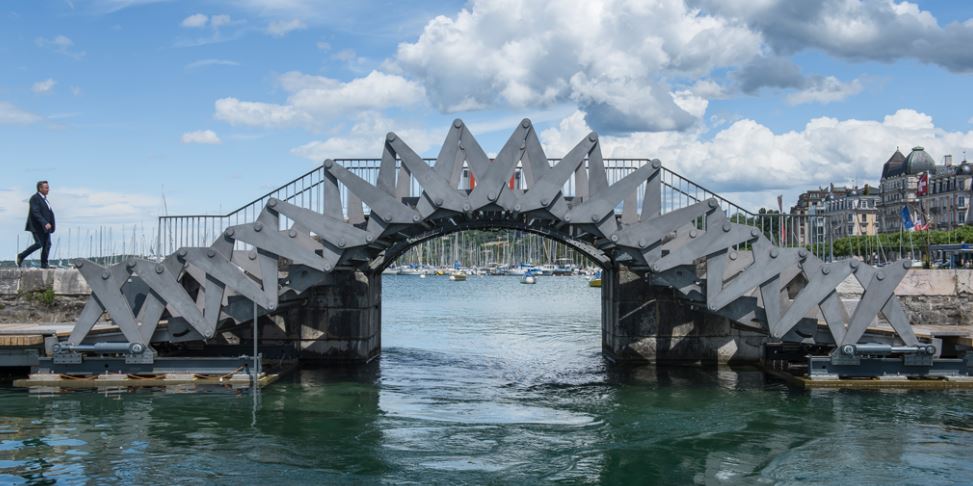
Winner:- The new mobile walkway of Geneva’s Jet d’Eau INGENI SA Geneva, Switzerland

Small Projects (under 1 million)

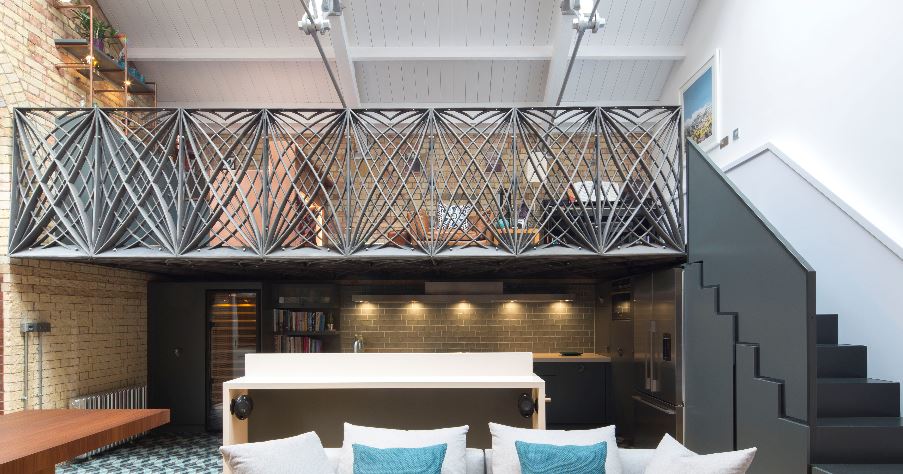
Winner:- The Pump House, Webb Yates Engineers, London

Structural awards 2017

Small Projects (between 1-3 million)

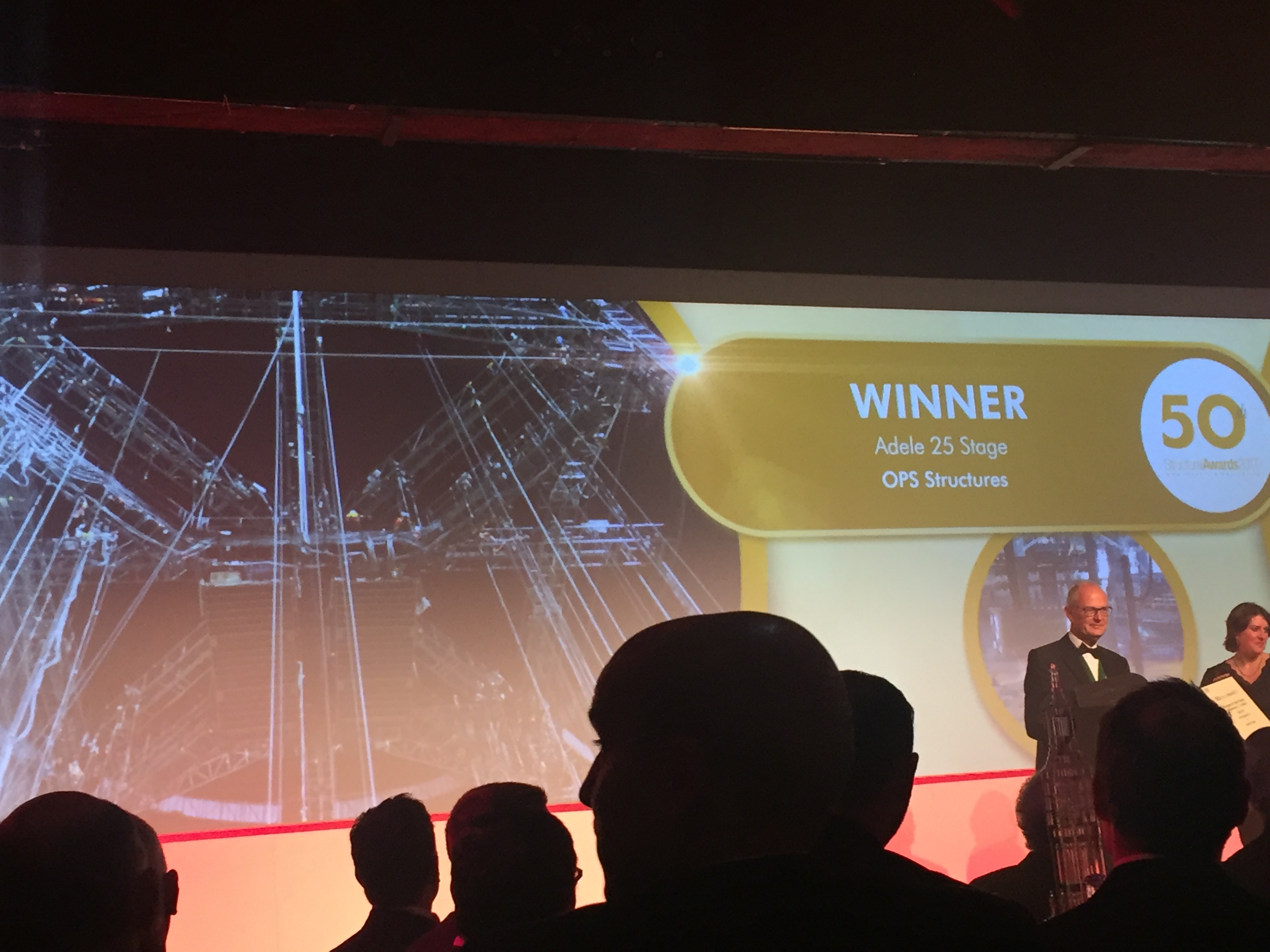
Winner:- Adele 25 stage

Structural Awards 2017

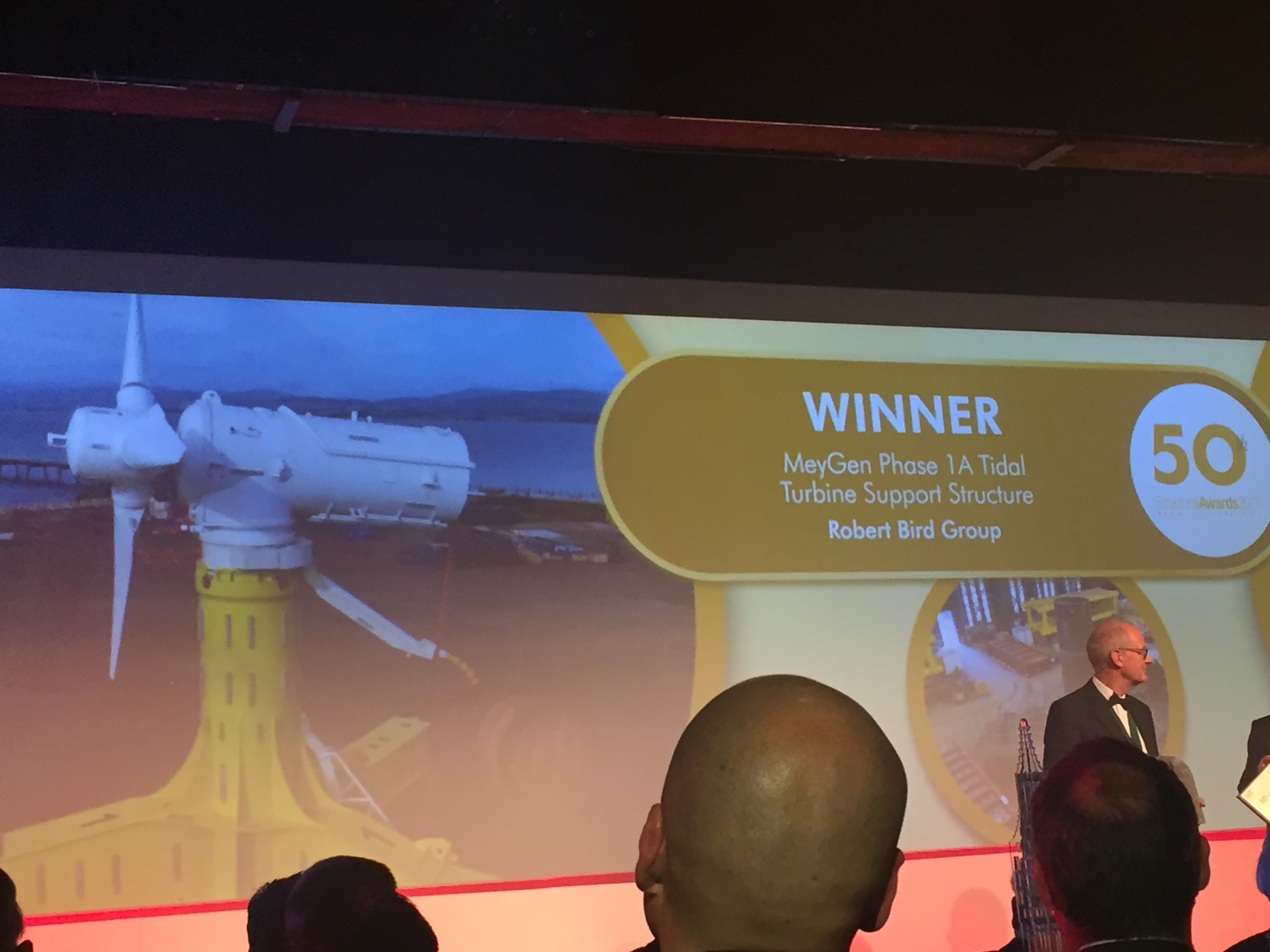
Structures in Extreme Conditions

Winner:- MeyGen Phase 1A – Tidal turbine support structures

Structural Awards 2017

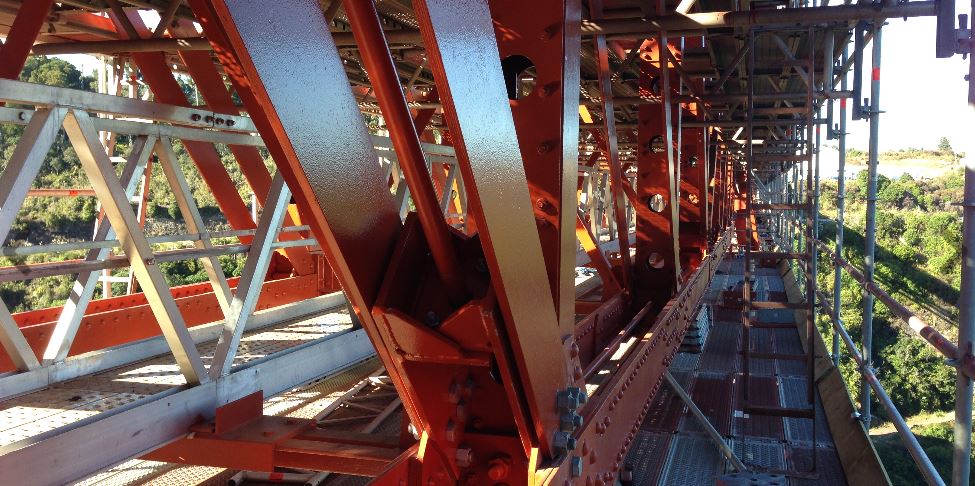
Structural Heritage

Winner:- Rejuvenation of Makatote Rail viaduct

Opus international consultants

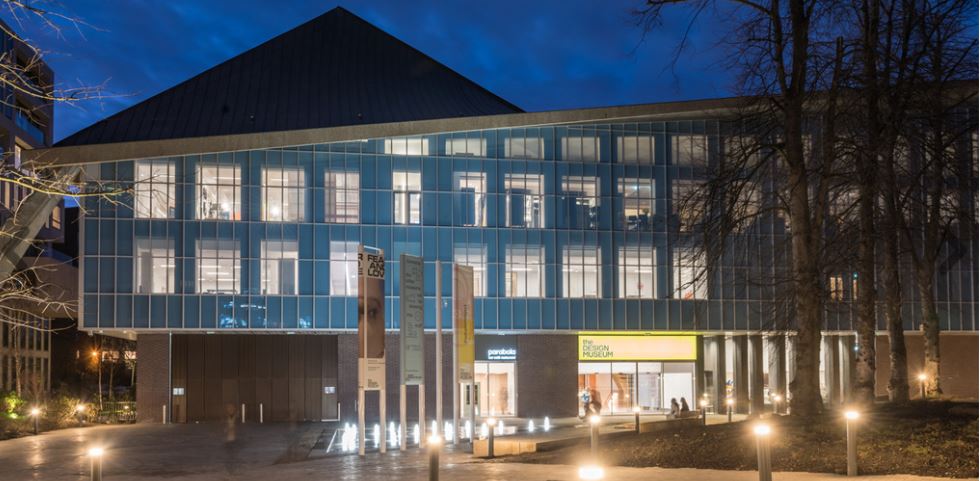
Structural Transformation

Winner:- The Design Museum, Arup, London

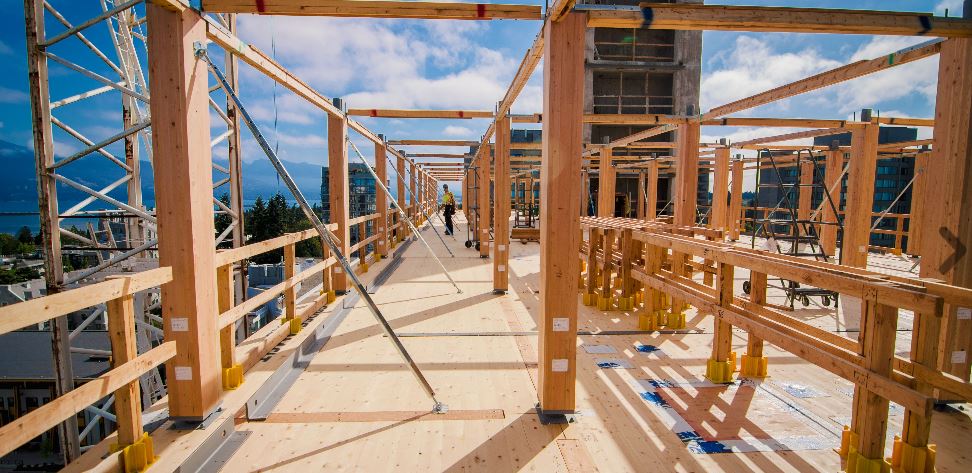
Construction Innovation

Winner:- Tallwood house at Brock Commons

Fast + Epp Vancover, Canada

structural awards 2017

Construction Integration

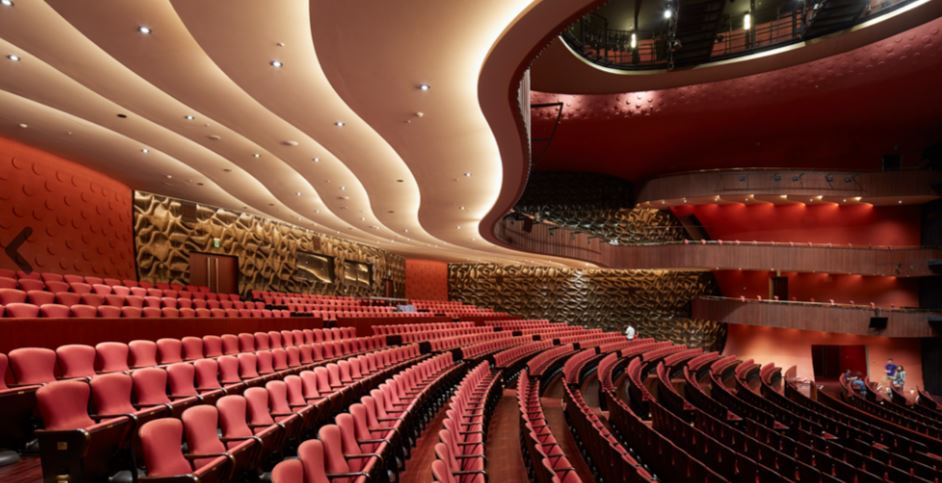
National Taichung Theater

Arup, Taichung, Taiwan

structural awards 2017

Structural Artistry

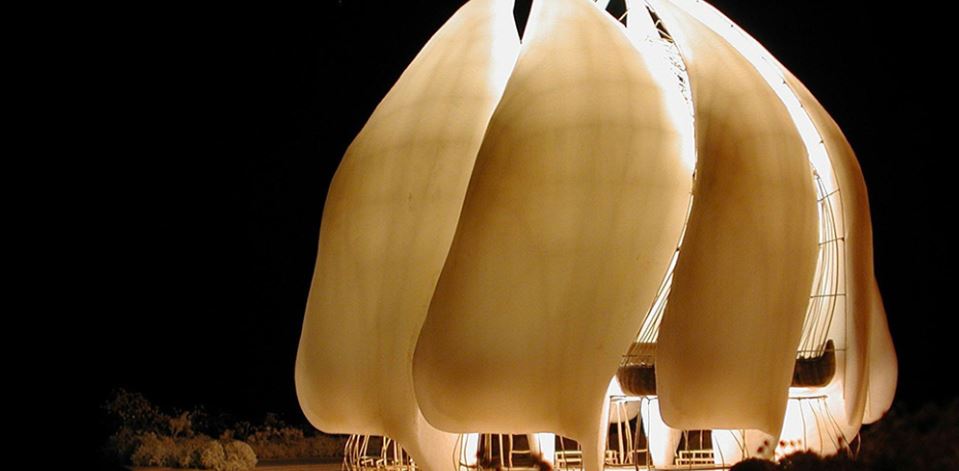
Winner:- Baha’i Temple of South America

Simpson Gumpertz & Heger Patricio Bertholt M halcrow and Josef Gartner

structural awards 2017

Outstanding Value

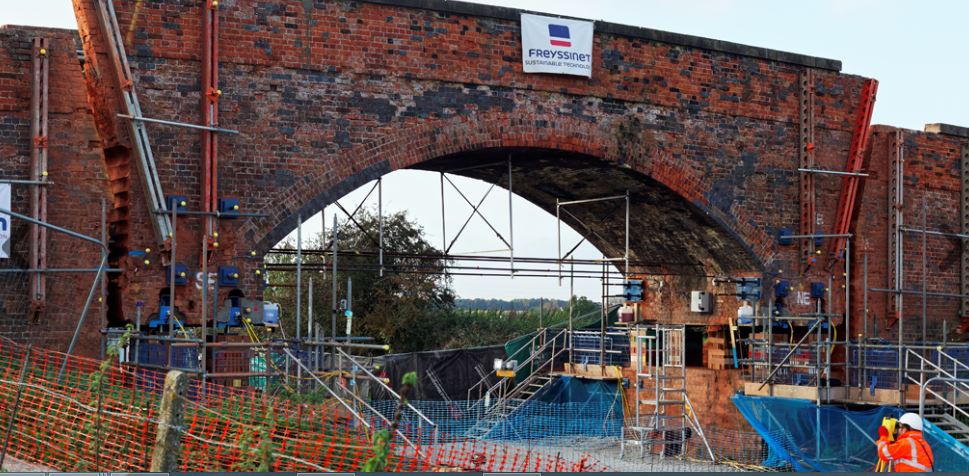
Winner:- ElevArch (UK) Freyssinet and BHA

Structural awards 2017

Sustainability

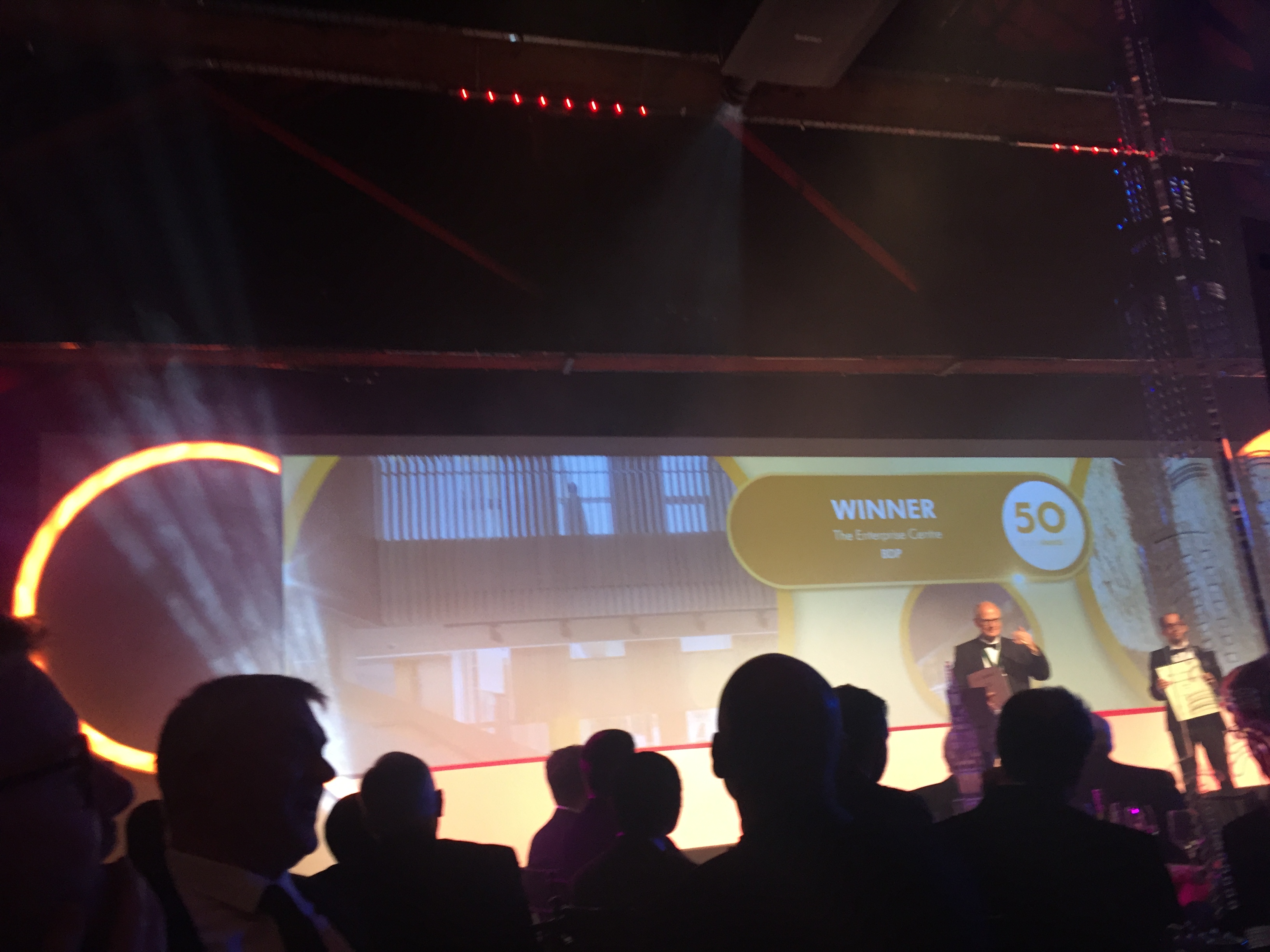
Winner:- The Enterprise Centre, BDP Norwich

To read more about this amazing night, please click here

Were you at the awards? Do any of the winners stand out to you as your personal favourite?

We’d love to hear from you