For clients, selecting the right Structural Engineer can make or break a project. But with the market flooded by individuals with varying levels of qualifications and experience, how can you tell the difference between an expert and someone unqualified to make critical structural decisions?

  • The hidden costs of errors

The truth is, a lack of expertise may not be evident—until it’s too late. Poorly designed structures can lead to increased construction costs, delays, or even safety risks.

  • Lower fees seem appealing

On paper, less experienced engineers may seem appealing due to lower fees, but the hidden costs of errors, redesigns, or failed inspections can far outweigh any initial savings.

  • Anticipate challenges before they arise

Chartered Structural Engineers bring invaluable benefits to your project; 

  • Years of training
  • accreditation
  • hands-on experience and
  • ensure designs that are not only compliant with building regulations but also optimised for cost-efficiency and long-term durability.

Qualified structural engineers anticipate challenges before they arise, offering innovative solutions that will save you time and money.
What qualifications should you look for?

When appointing a structural engineer, you should look for the following qualifications and attributes to ensure you hire a competent and trustworthy professional:

Formal Education and Accreditation

Professional Certifications

  • Look for Chartered status, such as CEng MIStructE (member of the Institution of Structural Engineers or CEng FIStructE (fellow of the Institution of Structural Engineers)  which demonstrates advanced qualifications and experience way beyond Masters Graduate.

Relevant Experience

  • Experience with similar projects, whether it’s residential, commercial, or industrial structures.
  • Expertise in addressing the specific challenges of your project (e.g., structural assessments, or defect diagnosis.

Knowledge of Building Regulations / Building Safety Act

  • Familiarity with building regulations and compliance requirements to ensure safety and legal adherence.
  • The Building Safety Act requires Clients to appoint competent designers

Communication and Collaboration Skills

  • A good structural engineer should be able to clearly explain technical concepts and work effectively with property owners, architects and contractors

Reputation and References

  • Positive reviews, recommendations, or case studies from previous clients.
  • Examples of completed projects that align with your needs.

Professional Insurance

  • Ensure the engineer carries Professional Indemnity Insurance, which protects you in case of errors or omissions in their work. What level of indemnity is provided? Is the cover adequate for your project?
Working with experienced professionals ensures confidence in your project’s success. Clients can rely on solutions that are both structurally sound and financially sustainable.

Don’t gamble on one of the biggest investments you’ll make; choose a structural engineer who can deliver expertise, precision, and reliability.

Feedback

Have you hired a structural engineer before? What was your experience like? Did you feel you received good value, or did the service leave you disappointed?

We’d love to hear about your experience …
It’s not every day that a smaller job showcases the incredible value of having an experienced structural engineer on your side.

Last week, we proved exactly that when we visited a property with a seemingly serious roof problem. What could have been a costly repair turned into a simple fix—saving our client over £12,000!

Here’s how we did it.

The Problem: A Sagging Roof

Our client had recently purchased a property and, as part of the conveyancing process, obtained a homebuyer’s report. The report flagged a structural issue with the roof—evidence of sagging—and recommended further investigation. Concerned about the potential costs and safety, they called us in to assess the situation.


When we arrived on-site, it didn’t take long to spot the problem.

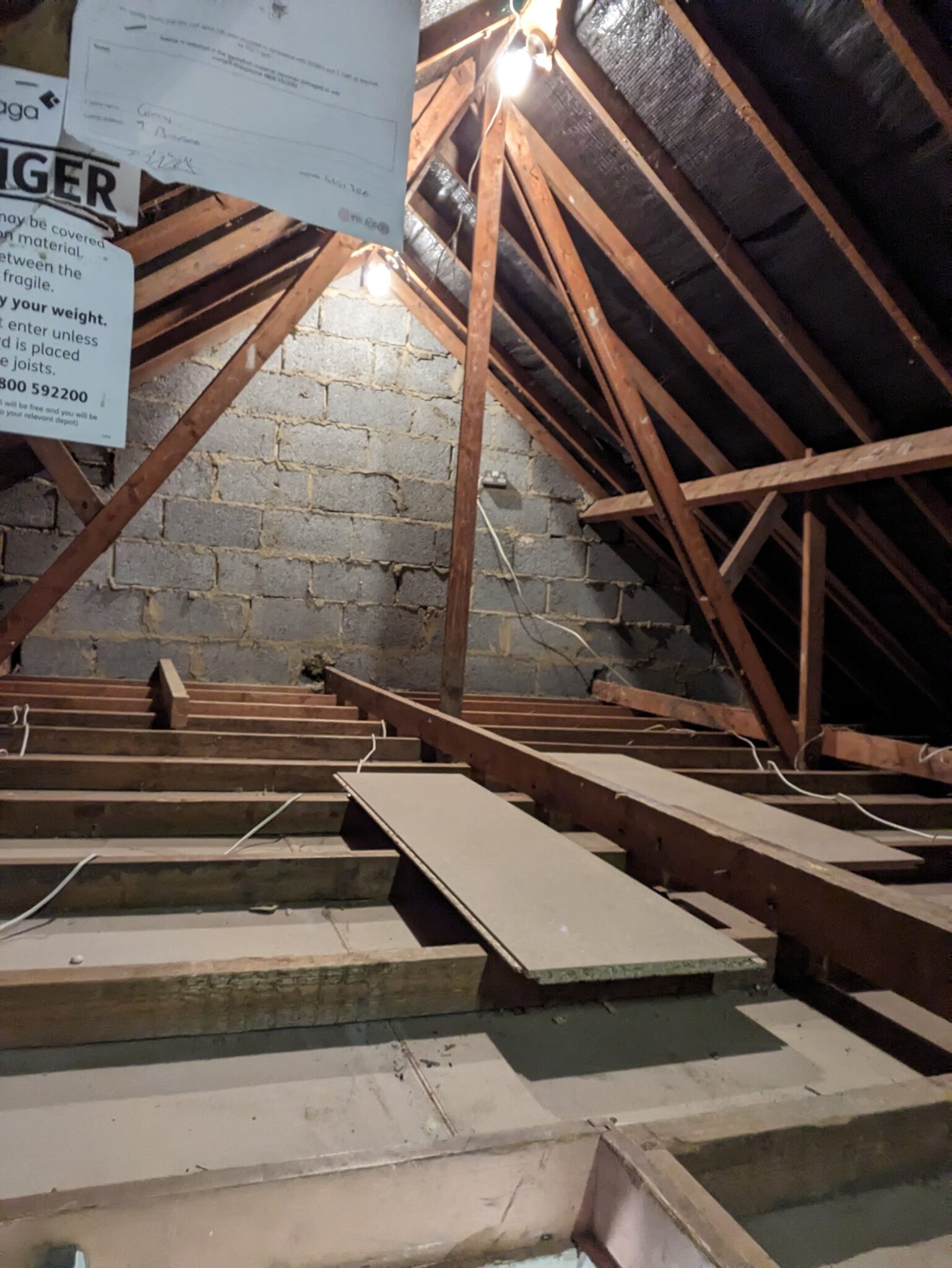
Up in the roof, we discovered the root cause:

  • Trusses were positioned at quarter points in the roof
  • The purlin was deflecting, causing the roof to sag
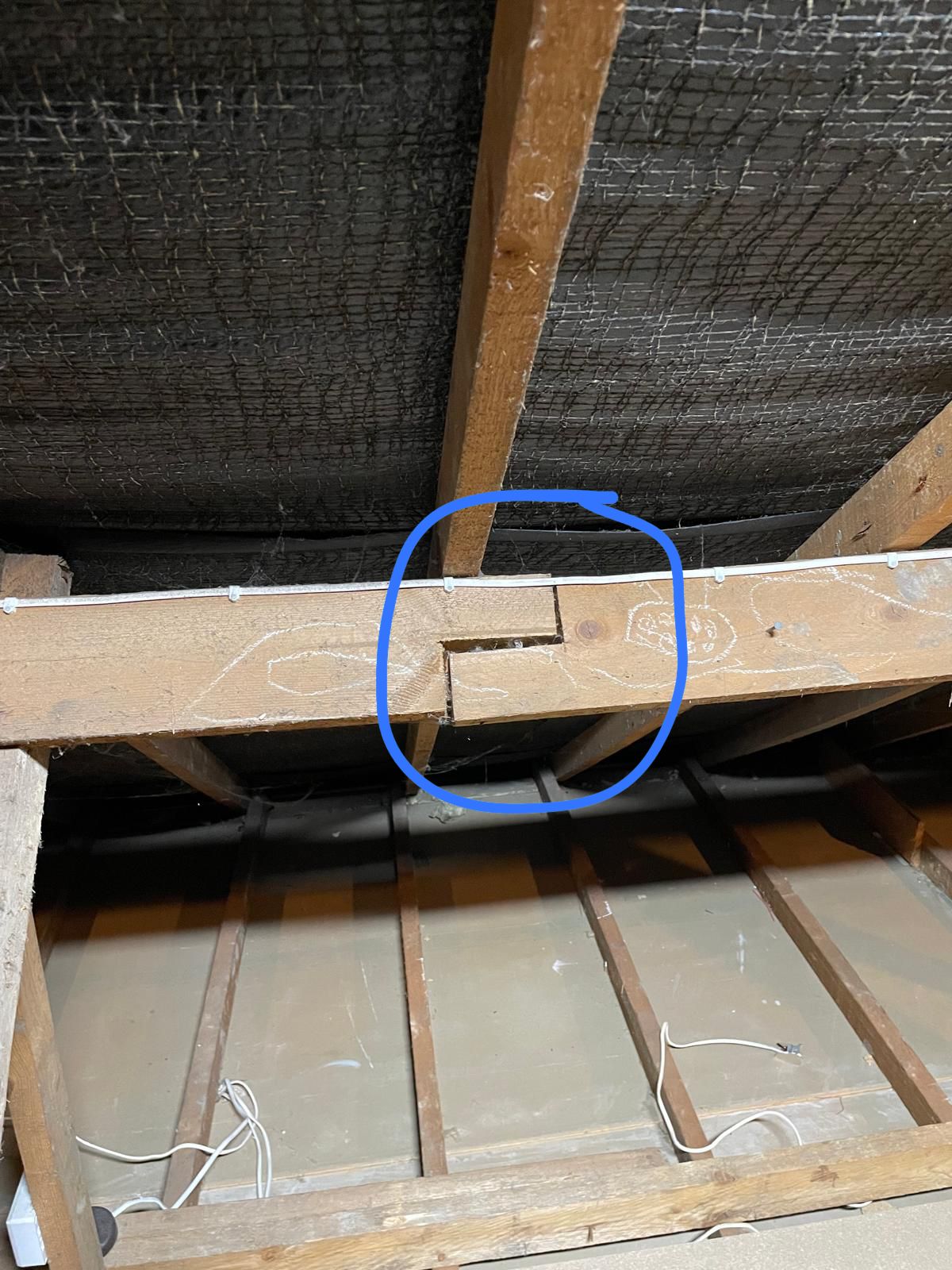
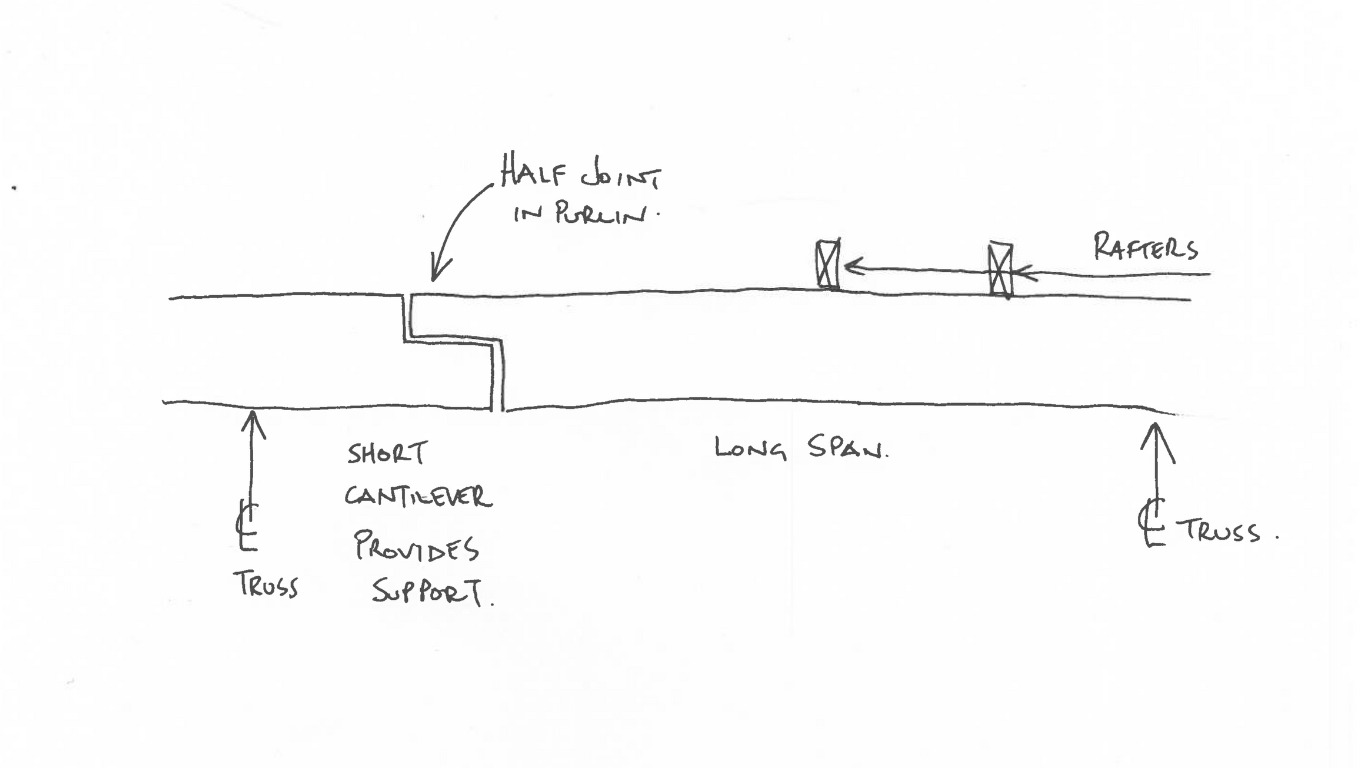
  • A short beam was cantilevered past the truss to pick up the next beam
  • A critical joint had been cut the wrong way up!

The incorrect joint orientation had compromised the structural integrity, leading to the deflection of the purlin.


The Misguided Advice

Before calling us, the client had sought advice from another structural engineer.

Their solution? Install several steel supports to prop up the purlin. While this approach might have worked, it was overly complex, invasive, and—most importantly—unnecessary.

The estimated cost for this solution was a staggering £12,000+.


sagging roof

The half joint was created the wrong way – it should have been constructed like this …

Our Solution: Simplicity and Expertise

After carefully evaluating the situation, we proposed a far simpler and more effective solution

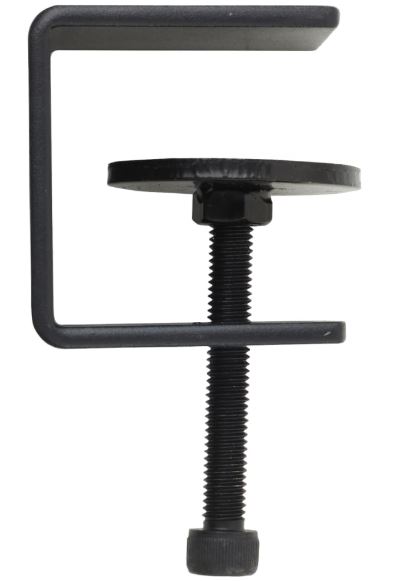
“G” Clamp

Instead of introducing expensive steel supports, we recommended strapping the beams together using a “G” clamp or similar.

This method cost approximately £200—a fraction of the original estimate!


G clamp


Why did this work?

By properly securing the beams, we eliminated the deflection issue caused by the poorly oriented joint, restoring support to the roof without the need for substantial structural elements.

The Lesson: A Good Engineer Saves You Money

This case highlights the importance of hiring an experienced structural engineer.

While it’s easy to overengineer a solution, expertise allows us to pinpoint the true cause of a problem and resolve it efficiently. For our client, this meant avoiding unnecessary costs while still ensuring their property was safe and sound.

When dealing with structural concerns, remember: the right expertise can save you thousands. If you’re facing a similar issue or want a second opinion, don’t hesitate to reach out—we’re here to help.


Have a structural issue?

Get in touch today to see how we can save you money without compromising on quality!

Call us 0118 962 9666.

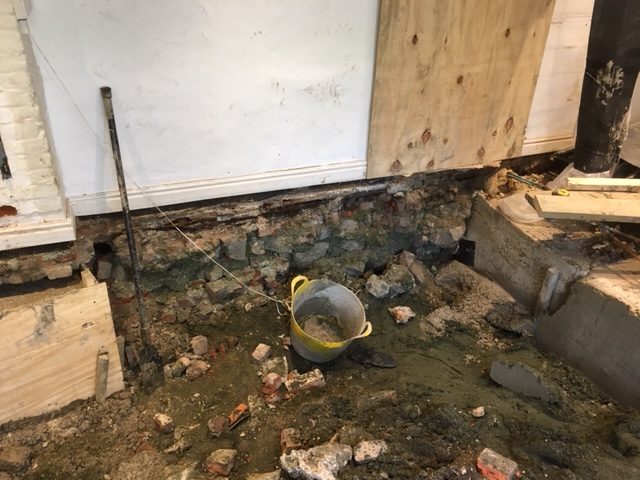
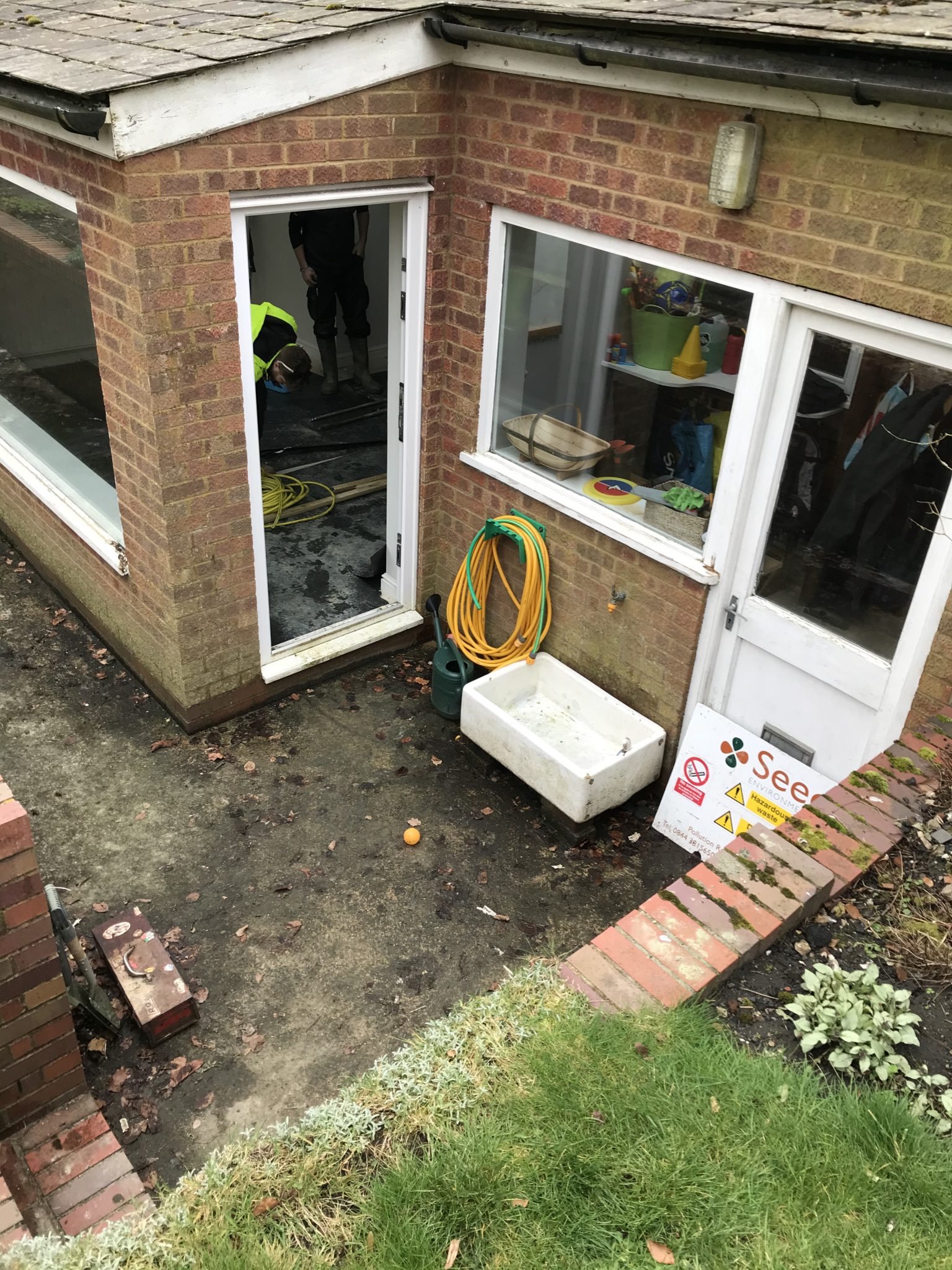
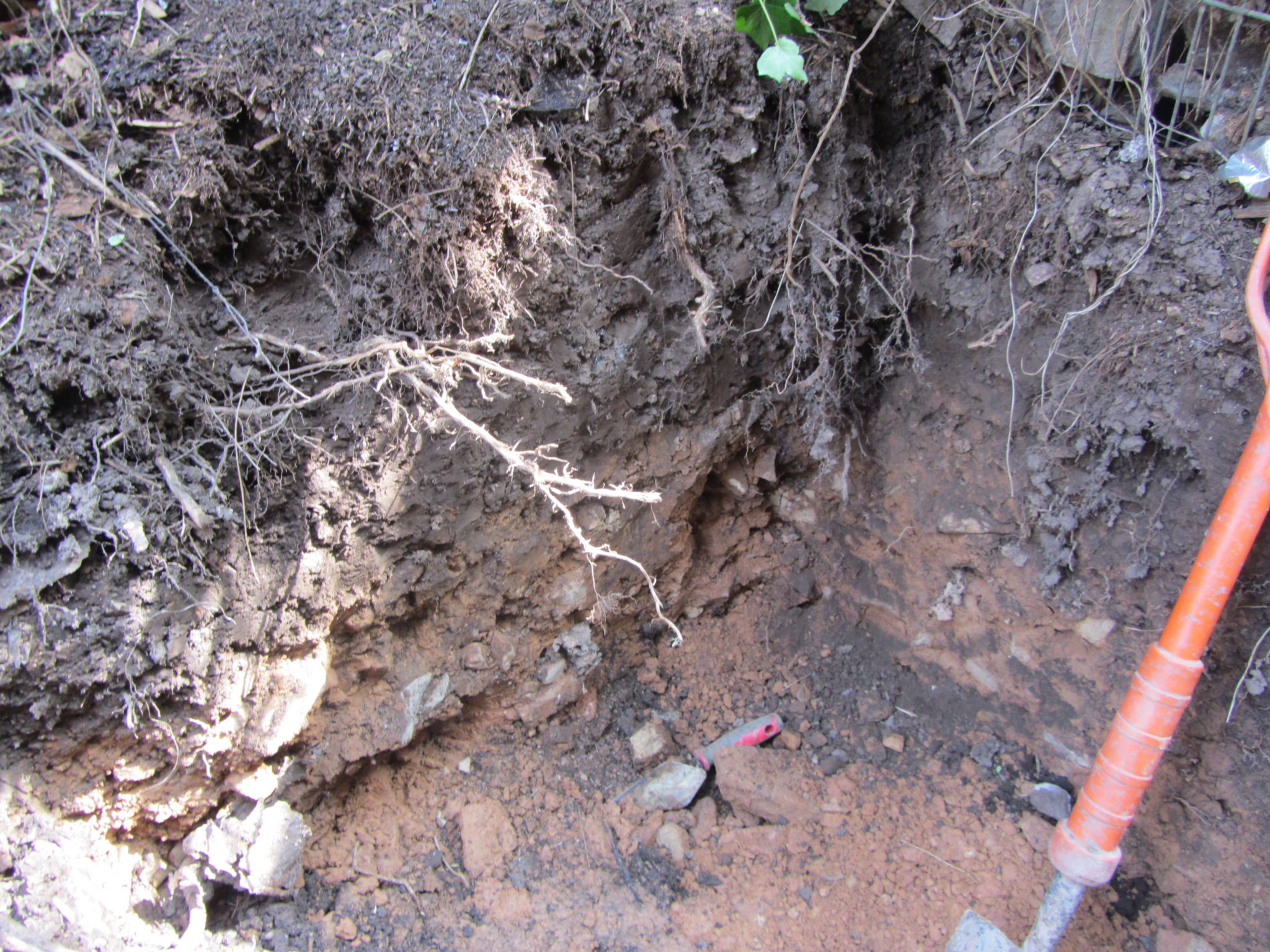
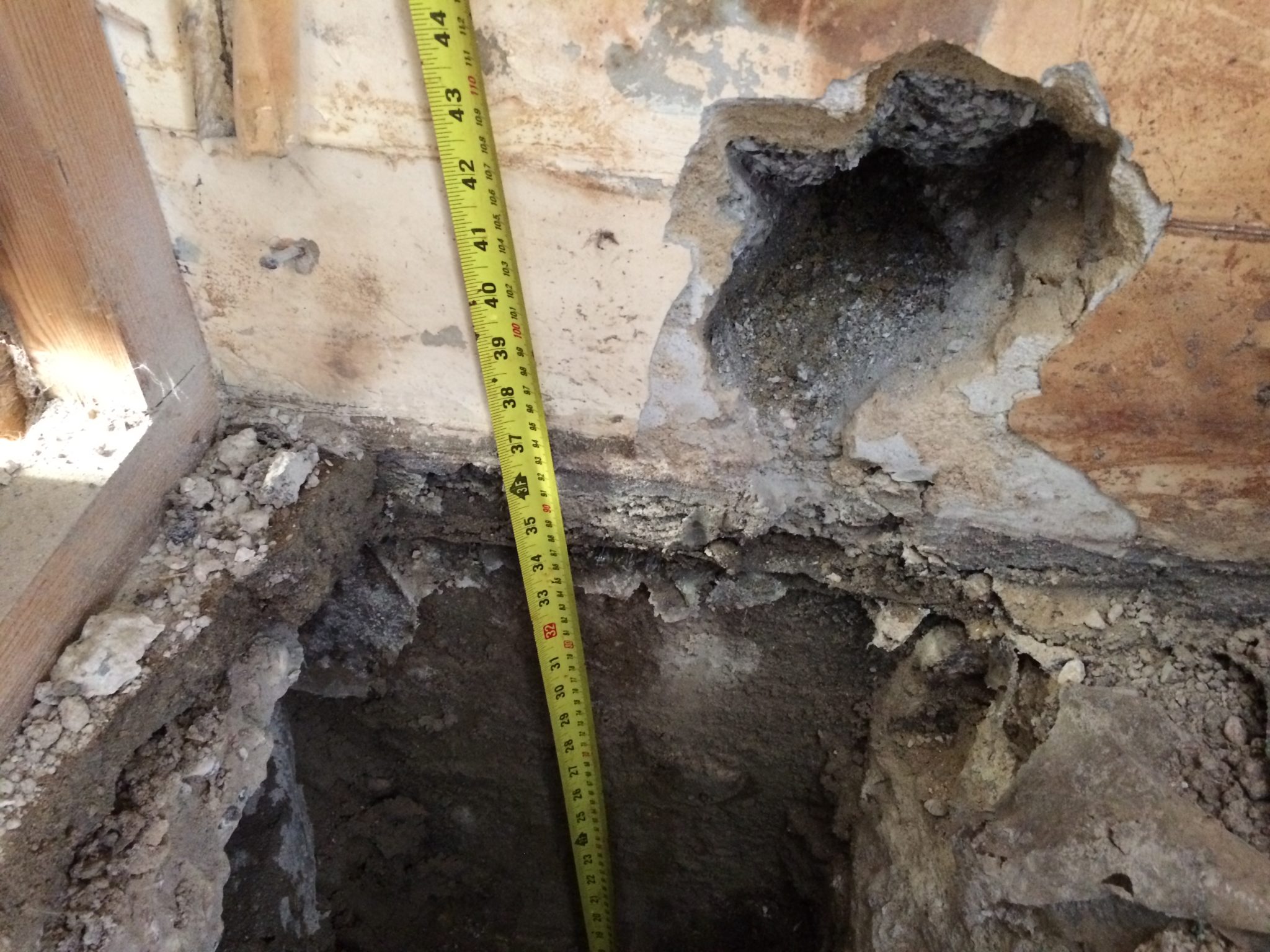
The role of a structural engineer is crucial when carrying out a structural assessment on a contaminated site due to the complex interaction between environmental hazards and structural integrity.

Contaminated sites often pose unique challenges that can significantly impact the stability and safety of existing structures.

Here’s why a structural engineer’s expertise is necessary;

1. Ensuring Structural Stability During Remediation

Sites contaminated by spills often require extensive remediation activities, such as soil removal, excavation, or chemical treatments, which can destabilise the ground and, consequently, the structures on it.


A structural engineer assesses the potential risks associated with these activities, ensuring that the building remains stable throughout the remediation process. 


By designing appropriate underpinning, propping, and temporary works, the engineer prevents additional damage and ensures the safety of the structure and its occupants.

2. Protecting Against the Impact of Contaminants

Contaminants can degrade building materials over time, leading to structural weaknesses that may not be immediately apparent.

A structural engineer evaluates how different contaminants might affect various materials, such as concrete, steel, or masonry, and recommends appropriate construction techniques and materials that are resistant to such degradation.

This foresight helps to prolong the life of the structure and reduce the likelihood of future structural failures.

3. Compliance with Regulatory Standards

Structural engineers ensure that all work on contaminated sites complies with relevant building regulations and safety standards.

This is particularly important as many remedial activities fall under the scope of Building Regulations, which govern structural safety, material quality, and construction practices.

Engineers ensure that the remediation process does not inadvertently violate these regulations, protecting the property owner from legal and financial repercussions.


4. Safeguarding Human Health and Safety

Contaminated sites often pose direct risks to human health, especially if the contamination affects indoor air quality or if structural failures occur during remediation.

Structural engineers play a vital role in minimising these risks by designing solutions that not only preserve structural integrity but also prevent the spread of contaminants. Their work ensures that buildings remain safe for occupants, contractors, and the wider community.

5. Providing Reassurance and Support

The presence of contamination in a property can be distressing for homeowners and stakeholders, who may be concerned about the safety of their buildings and the implications of the necessary work.

Suitably qualified and experienced structural engineers provide critical reassurance through their assessments, detailed reports, and clear communication.

Their expertise ensures that all parties understand the measures being taken to secure the structure, easing concerns and fostering trust in the remediation process.

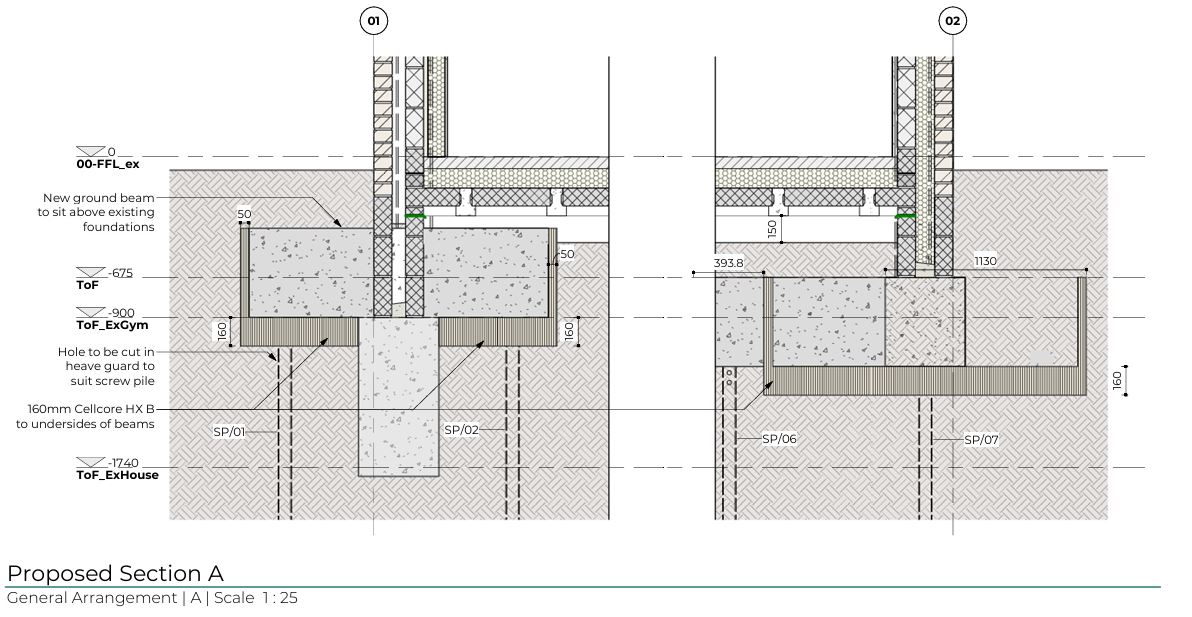
screw piles design

6. Cost-Effective Solutions

A well-thought-out structural assessment by an experienced engineer can lead to cost-effective solutions that prevent further damage and reduce the need for future repairs.

By addressing potential structural issues early in the remediation process, engineers help avoid costly delays and ensure that the project stays on budget.


Conclusion

In summary, structural engineers play an essential role in managing the unique challenges of contaminated sites. Their expertise ensures that buildings remain safe, compliant, and resilient throughout the remediation process, protecting both the property and the people involved.

A recent report by CROSS- UK (Collaborative Reporting for Safer Structures) identified a potential disaster due to inadequate structural design.

cross logo


A Chartered Structural Engineer, was called upon to review the design for the removal of a loadbearing wall during a refurbishment and uncovered critical flaws that could have had dire consequences.


The Design

“The design showed four steel beams, steel columns, some lintels, and new foundations.

It did not show how applied loads had been calculated and did not allow for any wind loadings. No calculations had been provided to show how the beams should be framed with the columns to provide sway stability.

The structural information showed new foundations, but trial pits dug by the builder revealed competent existing foundations which could be reused.

The builder and building control body had agreed that two of the proposed new structural members could be omitted since there was no loading applied to them, and they were not required for reasons of stability”.

The design did not show how applied loads had been calculated and did not allow for any wind loadings – this was luckily picked up by a competent builder.


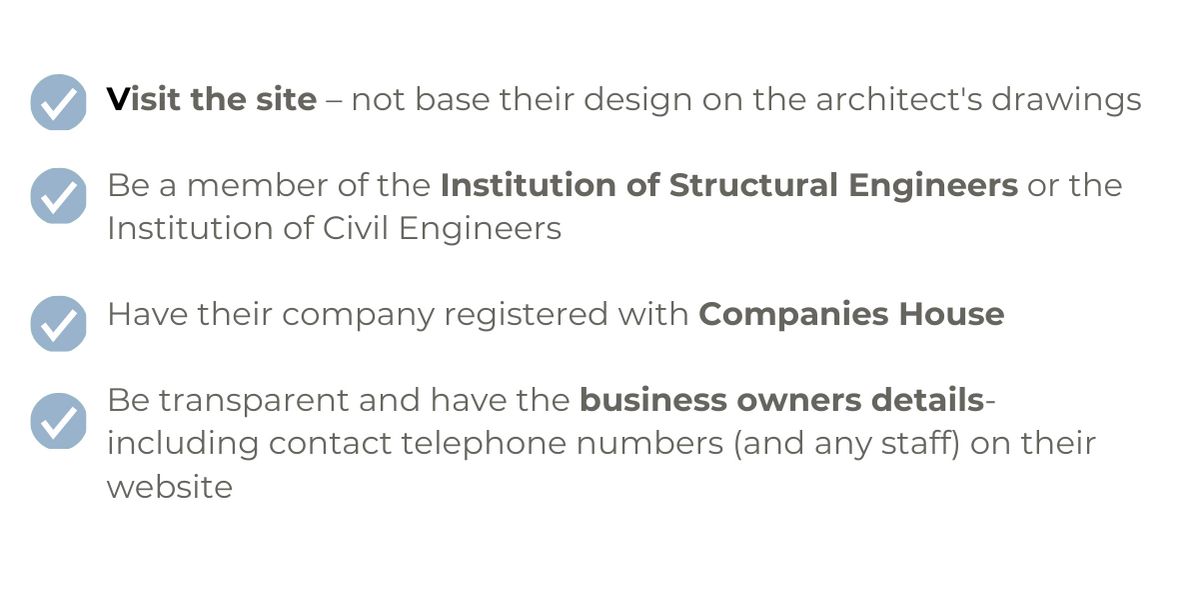
As minimum you should expect your structural engineer to;

cross report what to look for

Don’t be persuaded by a glossy website!

Lateral Stability

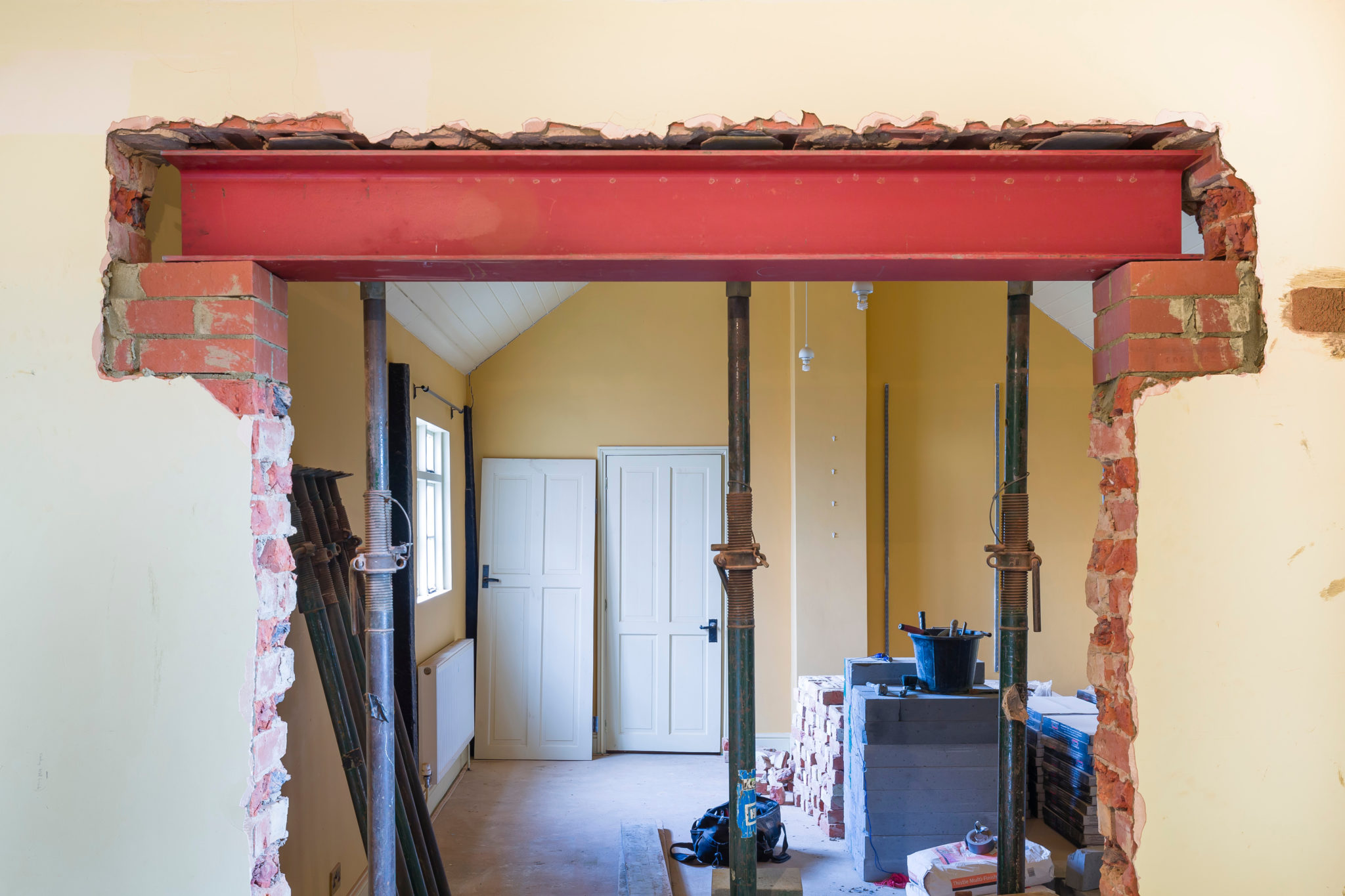
Unfortunately, some homeowners mistakenly assume that the walls they intend to remove serve solely to support vertical loads. However, these walls may actually play a crucial role in providing lateral stability for the entire building.

Buildings may collapse if walls are removed without measures to safeguard the overall stability of the building. Clients should understand that structural engineering, domestic work included, is a complex discipline that should only be entrusted to a suitably qualified and experienced person such as a professional civil or structural engineer.

In Conclusion

Efforts to communicate with the structural designer failed to resolve the issue, ultimately leading to a halt in construction.

Subsequent review revealed that the original designer had not visited the site, casting doubt on their competence and qualifications.

This incident underscores a widespread problem in the industry: individuals claiming to be structural designers without the requisite expertise.

These unqualified practitioners pose serious risks to public safety, as evidenced by reports from organisations like CROSS (Confidential Reporting on Structural Safety). The repercussions of inadequate design can be dire, potentially endangering lives and resulting in legal consequences.


Are you working on a project? Please get in touch today and one of our qualified Structural Engineers will be happy to advise you 0118 962 9666

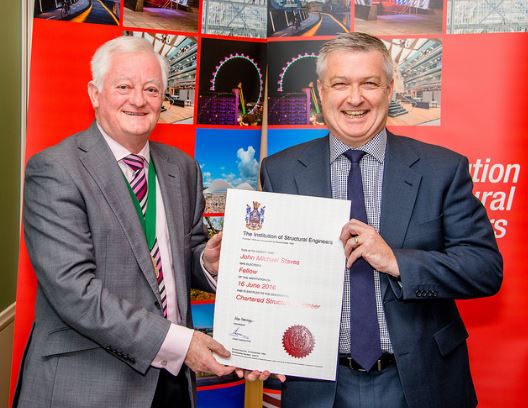
John Staves, Managing Director at Michael Aubrey Partnership has been awarded fellowship of the Institution of Structural Engineers (FIStructE) as a reflection of his outstanding individual achievements, success and expertise within the engineering profession.

The fellowship was awarded to John by Alan Crossman FIStructE, President of the Institution of Structural Engineers at a prestigious ceremony at the Institution’s headquarters in London.

john-staves-photo-certificate

Key note speaker for the event was Simon Pitchers, Chartered Engineer and commonly known as “Crack Man” for his appearances on The Jeremy Vine show and with Sarah Beeny on C4’s “Help my house is falling down”.

Simon expressed what a privilege it was to be attending the presentations.

Simon Pitchers

What is a Structural Engineer?

Simon talked about how he is often asked “what is a structural engineer?” and one way of thinking about what a structural engineer does is to imagine the human body.

“If the human body was a building, structural engineers would be responsible for the skeleton”. 

Structural engineers take dreams and make them a reality.  We are guardians of public safety and rarely get the recognition we deserve.

The Journey to Fellowship

The journey to fellowship starts early in education – you can’t fail at anything. You need a degree and relevant experience to be allowed to even to apply for an interview.

Only if you pass the interview are you permitted to sit the professional exam.

For every 10 people who sit the professional exam only 2 or 3 pass.

It’s a rigorous process and only the committed engineers will pass and become Chartered.

John’s Route to Fellowship

After leaving Durham University in 1988, John worked at Arups in Newcastle on their graduate program. One of his first projects was working on the Ponds Forge Swimming complex in Sheffield for the World Student Games.

Following a move to a small engineering practice in Bristol and then to Mercury Communications in Bracknell, having achieved Chartered Status, John was keen to set up his own practice and founded Michael Aubrey Partnership in 1994.

John contributes to the wider structural engineering profession through his work as a Trustee of the Institution of Structural Engineers, as well as encouraging others to join the profession through school careers events and professional reviews of prospective members.

Talking about achieving the Fellow grade of membership, John said “I feel very honoured to have received this recognition from my peers and colleagues for the contribution I have made to the profession of structural engineering, both through strategic input to the Institution’s direction and my technical work at Michael Aubrey Partnership.”

john-staves-photo-front-desk