
For clients, selecting the right Structural Engineer can make or break a project. But with the market flooded by individuals with varying levels of qualifications and experience, how can you tell the difference between an expert and someone unqualified to make critical structural decisions?

  • The hidden costs of errors

The truth is, a lack of expertise may not be evident—until it’s too late. Poorly designed structures can lead to increased construction costs, delays, or even safety risks.

  • Lower fees seem appealing

On paper, less experienced engineers may seem appealing due to lower fees, but the hidden costs of errors, redesigns, or failed inspections can far outweigh any initial savings.

  • Anticipate challenges before they arise

Chartered Structural Engineers bring invaluable benefits to your project; 

  • Years of training
  • accreditation
  • hands-on experience and
  • ensure designs that are not only compliant with building regulations but also optimised for cost-efficiency and long-term durability.

Qualified structural engineers anticipate challenges before they arise, offering innovative solutions that will save you time and money.
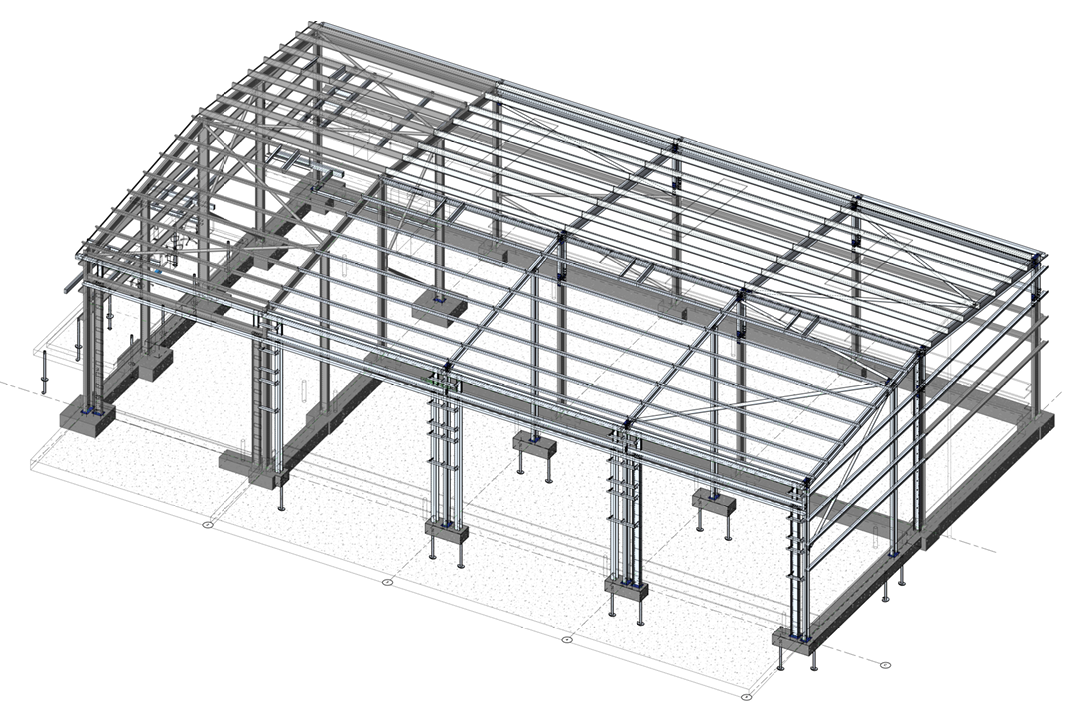
What qualifications should you look for?

When appointing a structural engineer, you should look for the following qualifications and attributes to ensure you hire a competent and trustworthy professional:

Formal Education and Accreditation

Professional Certifications

  • Look for Chartered status, such as CEng MIStructE (member of the Institution of Structural Engineers or CEng FIStructE (fellow of the Institution of Structural Engineers)  which demonstrates advanced qualifications and experience way beyond Masters Graduate.

Relevant Experience

  • Experience with similar projects, whether it’s residential, commercial, or industrial structures.
  • Expertise in addressing the specific challenges of your project (e.g., structural assessments, or defect diagnosis.

Knowledge of Building Regulations / Building Safety Act

  • Familiarity with building regulations and compliance requirements to ensure safety and legal adherence.
  • The Building Safety Act requires Clients to appoint competent designers

Communication and Collaboration Skills

  • A good structural engineer should be able to clearly explain technical concepts and work effectively with property owners, architects and contractors

Reputation and References

  • Positive reviews, recommendations, or case studies from previous clients.
  • Examples of completed projects that align with your needs.

Professional Insurance

  • Ensure the engineer carries Professional Indemnity Insurance, which protects you in case of errors or omissions in their work. What level of indemnity is provided? Is the cover adequate for your project?
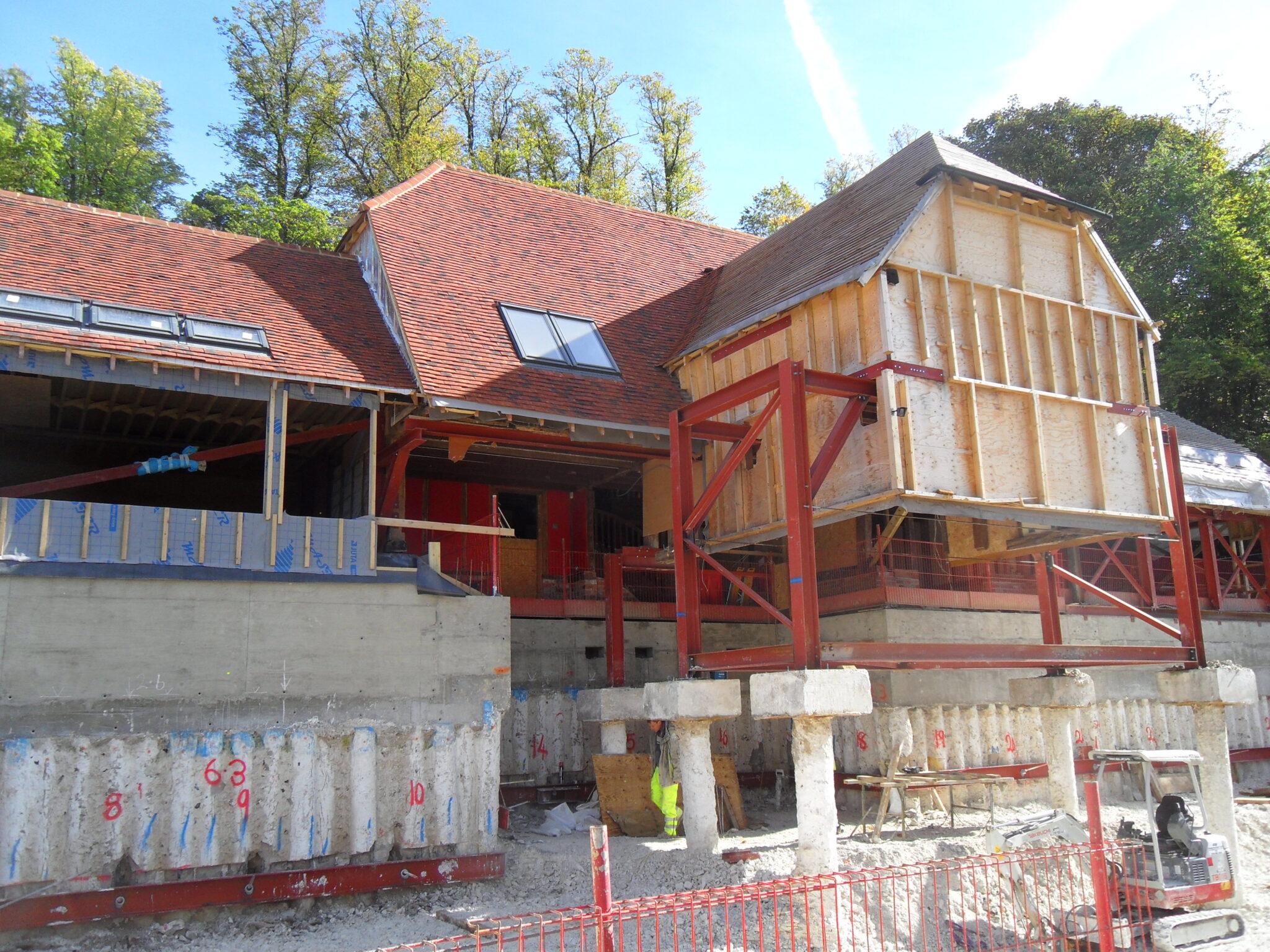
Working with experienced professionals ensures confidence in your project’s success. Clients can rely on solutions that are both structurally sound and financially sustainable.

Don’t gamble on one of the biggest investments you’ll make; choose a structural engineer who can deliver expertise, precision, and reliability.

Feedback

Have you hired a structural engineer before? What was your experience like? Did you feel you received good value, or did the service leave you disappointed?

We’d love to hear about your experience …

Buying A House

One of my guilty pleasures is watching Channel 4’s Location, Location, Location.


I love seeing how couples start with such fixed ideas about what they want from a home, then with a little coaching from Phil and Kirstie, often consider properties that they would previously reject out of hand.


We all have this idea in our head of our “ideal” home. So when we are looking at buying a house we are mentally running through this checklist in our heads.

What Happens When You’ve Found Your “Nearly” Ideal House?

The location, lifestyle, transport links etc all work but the house itself doesn’t quite match; however, you believe the house lends itself to being extended.

So how do you find out the feasibility of extending your new potential home before committing to buying it?

Pre-Purchase Feasibility

One of our most popular services, when people are looking at buying a property, is our “Pre-Purchase Feasibility” ideal for house hunters who are serious about making an offer on a property.

What happens At A Pre- Purchase Feasibility Meeting?

Our Designers will arrange to meet with you and your Agent at the property.

We will discuss how to maximise the property’s potential, whether you want to knock down a couple of walls wall, or completely re-design your new home, we’ll advise you how to create the perfect space for your family.

With our 24 + years of experience in construction design, you can be reassured that you will receive expert, unbiased advice.

Our experts will discuss any Planning matters that we think may impact your design and which ideas are more likely to achieve Planning Approval.

We will also touch on other issues that you may not have thought about, which may impact your budget and influence what offer you make on the property.


Fast Track Service – 24 hours

We realise time is of the essence when you are considering making an offer, or are about to exchange on a property, so we will do our best to schedule an appointment within 24 hours of your enquiry.


Can You Tell Me How Much The Work Will Cost?

We will be honest with you and talk in “ball park” figures – enough for you to be able to negotiate the asking price on the property.

At this early stage, it’s going to be difficult to give you a fixed price – as there are too many variables.


What Happens After The Pre- Purchase Feasibility Meeting?

We will write to you to confirm what we have discussed, confirming your ideas, the solution, budget costs and timescales.

We also provide you with a “fee proposal” which will confirm how much we will charge for taking your ideas forward to obtain Planning Approval and Building Regulations approval.

We’d be delighted to work with you in the future, should your purchase go ahead successfully!


Can I Get Planning Permission Before I Commit to Buying the House?

Once your offer is accepted, you can make the purchase dependant on getting planning permission, before you exchange contracts.

However, the extra time this adds to the process may mean that in practice the current owners won’t agree with this, especially if they have found somewhere to buy themselves and are keen to move quickly.

However, some extensions and renovations do not require planning permission and can be applied for under Permitted Development Rights (PD). We can advise on this before you put an offer in on the house.


Are You Looking For A New Home?

Almost everyone starts their search for a new property online these days, good places to start looking; Rightmove, Purple Bricks and Tepilo, or your Local Estate Agent.

It’s always important to remember that the estate agent works for the seller, and the more they sell the house for, the higher their commission is likely to be!


Sounds Great! How Do I Proceed?

Simply click here to tell us what you would like to do to the property and we will send you a quotation for your pre-purchase feasibility meeting, or if you are still unsure, speak to us on:- 0118 962 9666.

We look forward to finding out about your project and answering any questions that you have.


Found Cracks?

Sometimes the Homebuyers report will flag up possible movement in the property. This can be due to several factors.

If you need advice, please get in touch and we will arrange for one of our Chartered Structural Engineers to meet you at the property.


Call Us on 0118 962 9666