
For clients, selecting the right Structural Engineer can make or break a project. But with the market flooded by individuals with varying levels of qualifications and experience, how can you tell the difference between an expert and someone unqualified to make critical structural decisions?

  • The hidden costs of errors

The truth is, a lack of expertise may not be evident—until it’s too late. Poorly designed structures can lead to increased construction costs, delays, or even safety risks.

  • Lower fees seem appealing

On paper, less experienced engineers may seem appealing due to lower fees, but the hidden costs of errors, redesigns, or failed inspections can far outweigh any initial savings.

  • Anticipate challenges before they arise

Chartered Structural Engineers bring invaluable benefits to your project; 

  • Years of training
  • accreditation
  • hands-on experience and
  • ensure designs that are not only compliant with building regulations but also optimised for cost-efficiency and long-term durability.

Qualified structural engineers anticipate challenges before they arise, offering innovative solutions that will save you time and money.

What qualifications should you look for?

When appointing a structural engineer, you should look for the following qualifications and attributes to ensure you hire a competent and trustworthy professional:

Formal Education and Accreditation

Professional Certifications

  • Look for Chartered status, such as CEng MIStructE (member of the Institution of Structural Engineers or CEng FIStructE (fellow of the Institution of Structural Engineers)  which demonstrates advanced qualifications and experience way beyond Masters Graduate.

Relevant Experience

  • Experience with similar projects, whether it’s residential, commercial, or industrial structures.
  • Expertise in addressing the specific challenges of your project (e.g., structural assessments, or defect diagnosis.

Knowledge of Building Regulations / Building Safety Act

  • Familiarity with building regulations and compliance requirements to ensure safety and legal adherence.
  • The Building Safety Act requires Clients to appoint competent designers

Communication and Collaboration Skills

  • A good structural engineer should be able to clearly explain technical concepts and work effectively with property owners, architects and contractors

Reputation and References

  • Positive reviews, recommendations, or case studies from previous clients.
  • Examples of completed projects that align with your needs.

Professional Insurance

  • Ensure the engineer carries Professional Indemnity Insurance, which protects you in case of errors or omissions in their work. What level of indemnity is provided? Is the cover adequate for your project?

Working with experienced professionals ensures confidence in your project’s success. Clients can rely on solutions that are both structurally sound and financially sustainable.

Don’t gamble on one of the biggest investments you’ll make; choose a structural engineer who can deliver expertise, precision, and reliability.

Feedback

Have you hired a structural engineer before? What was your experience like? Did you feel you received good value, or did the service leave you disappointed?

We’d love to hear about your experience …

Refurbishing existing buildings presents developers with a unique mix of challenges and opportunities.

As structural engineers and architects, our expertise is in turning those challenges into transformative opportunities, creating value for developers while prioritising sustainability and efficiency.

The Challenge of Retrofitting

Older buildings often come with inherent complexities: aging structural components, outdated layouts, or materials that are no longer in use.

Engineering Solutions for Developers

These can pose obstacles when trying to meet modern building standards or align with contemporary design aesthetics. However, each challenge is an opportunity to think creatively, reimagining these spaces while retaining their core value.

Embracing Adaptive Reuse

One of our most effective strategies is adaptive reuse—utilising as much of the existing structure as possible to reduce waste and enhance cost efficiency.

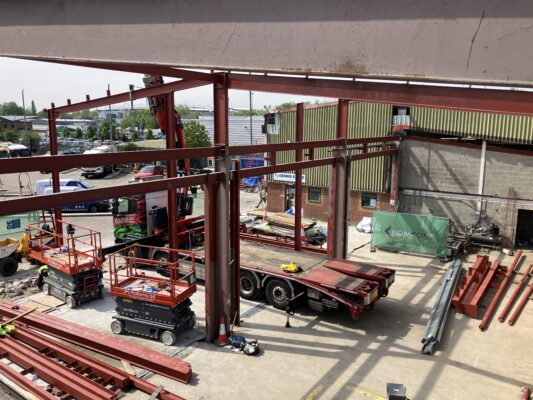
For example, instead of demolishing and replacing the structural framework, we assess how existing components can be integrated into the new design. In one instance, we extended the columns vertically to raise the roof height.

This method conserves resources and shortens project timelines.

Smart Structural Interventions

A common challenge in refurbishment projects is upgrading the building’s structural integrity without compromising its original framework.

Through advanced structural analysis and creative problem-solving, we can reinforce key components like beams, columns, and foundations, enabling them to support modern loads or accommodate additional floors. This ensures safety and functionality while preserving the existing structure.

Engineering Solutions for Developers


Engineering Solutions for Developers

choosing a structural engineer

Sustainable Design as a Value Driver

Sustainability is more than just a buzzword—it’s a value driver for developers.

By focusing on energy-efficient designs and material reuse, we help reduce operational costs and improve long-term building performance.

For example, retaining and repurposing steel or concrete elements reduces both waste and embodied carbon, aligning your project with environmental standards that are increasingly critical in today’s market.

Collaborative Solutions

Successful refurbishments depend on collaboration between architects, engineers, and developers. Our integrated approach ensures that every design choice is informed by technical expertise, aesthetic vision, and economic viability. This synergy allows us to anticipate potential hurdles and resolve them proactively, whether they involve structural limitations, zoning requirements, or material availability.

Transforming Challenges into Success Stories

Every building tells a story, and refurbishment projects offer the chance to add new chapters without erasing the past. With the right engineering and architectural solutions, the challenges developers face can be turned into opportunities for innovation, sustainability, and increased market value.

Ready to unlock the potential of your next project?

Let’s collaborate to transform your building challenges into lasting success.

Book a call today.

Book A Call