In the construction industry, precision and clarity are vital.

However, a concerning trend has emerged where some contractors are using structural calculations as reference for ordering steels, overlooking crucial practical considerations.

It’s essential to address this misconception and highlight the true purpose of structural calculations in the construction process.

Structural Calculations Serve A Specific function:

  • ensuring compliance and
  • validating the design
structural calculations

Assumptions May Be Inaccurate

It’s crucial for contractors to understand that structural calculations don’t directly determine the exact size of steels or clear spans.

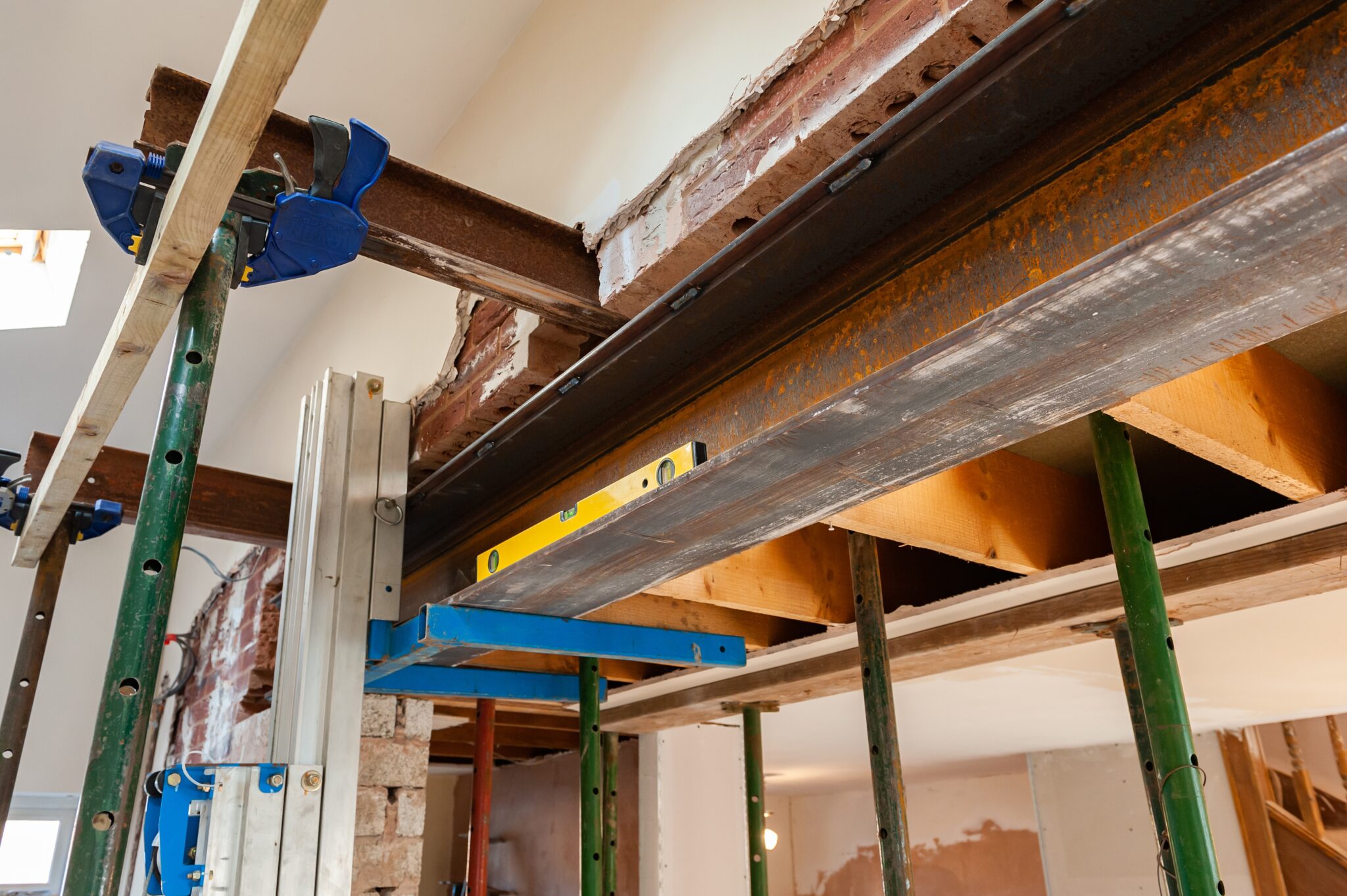
Steels should ALWAYS be ordered from drawings and final site measurements. This is because finishes may be unusually thick (or thin) meaning assumptions about structural openings may be inaccurate.

Misinterpreting or misusing these calculations can result in significant consequences, including ordering incorrectly sized steels or costly on-site adjustments that may compromise structural integrity but will certainly cost time and money.
In Summary

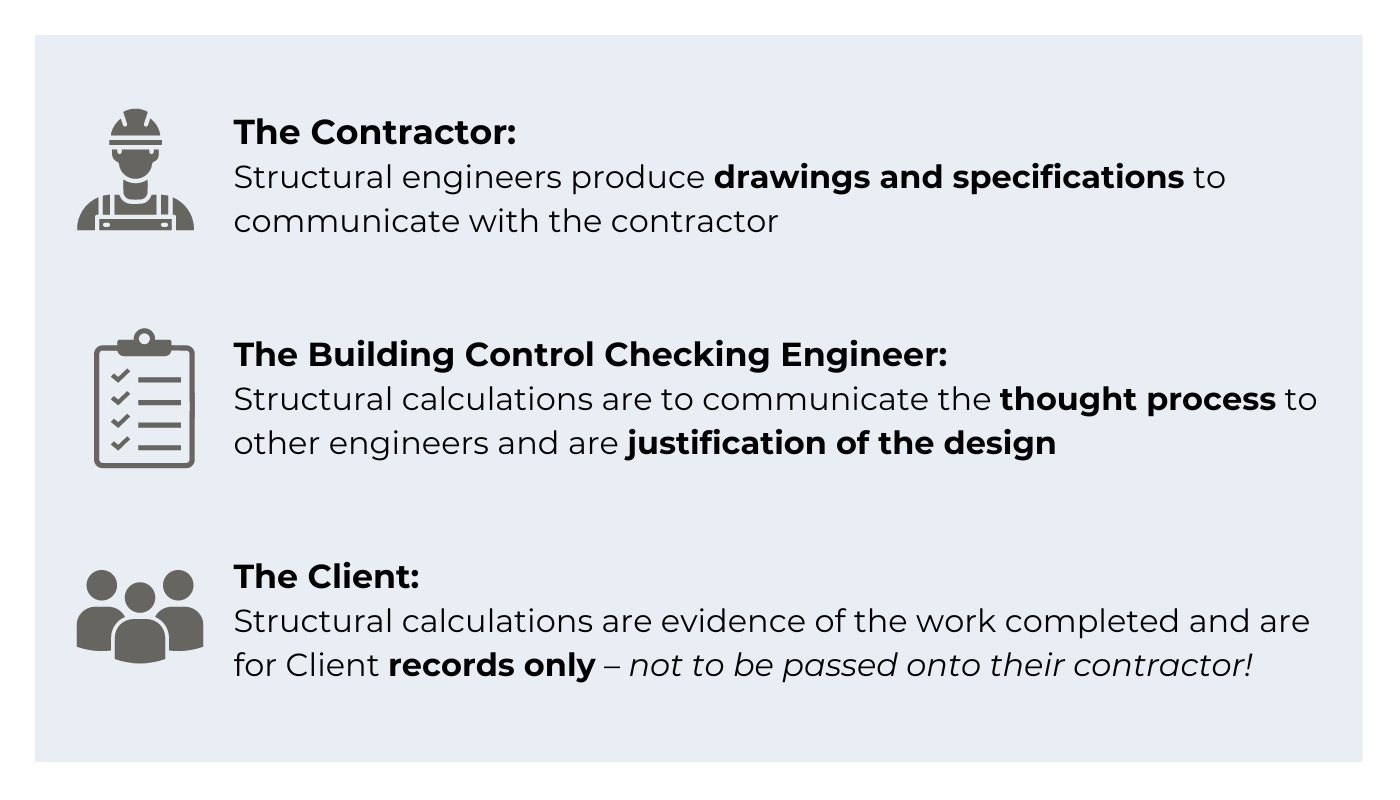
Structural calculations serve to ensure design compliance not provide details for the order such as steel length.

Contractors, building control engineers, and clients each have distinct roles in understanding and utilising these calculations.

It’s essential to recognise that assumptions in these calculations may be inaccurate, and steel should always be ordered based on drawings and site measurements to avoid costly mistakes.

While structural calculations are vital, they’re only part of the construction process, emphasising the importance of a holistic approach to building safely and efficiently.
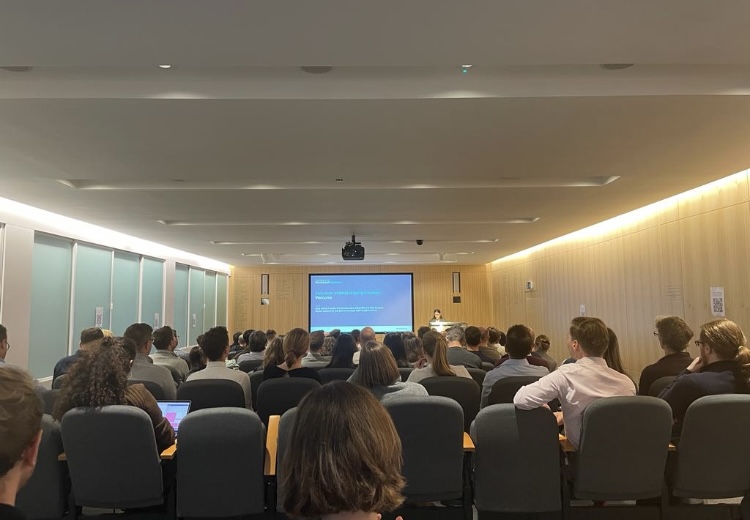
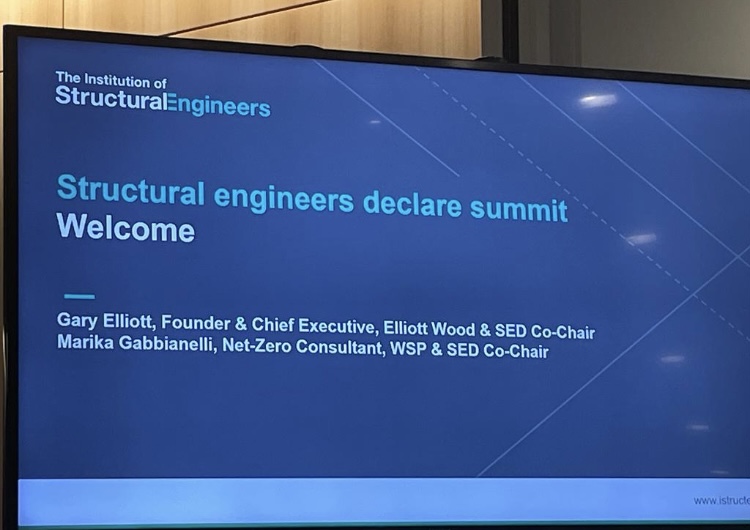
Today John Staves, our Managing Director attended the Institution of Structural Engineers “Engineers Declare” summit in London.

Climate change and its impact on the construction industry have been recognised for some time. Recently, the UK government announced a groundbreaking move to legislate a Net Zero Carbon target, ringing the alarm bells for all involved in the built environment. This shift will place substantial responsibilities on structural engineers to tackle the challenges and seize the opportunities that lie ahead.

Supporting a Positive Change

In response to this pivotal moment, IStructE (Institution of Structural Engineers) is embracing the “Structural Engineers Declaration,” an initiative led by influential structural engineers. This declaration urges companies to transform their working methods to address climate and biodiversity emergencies.


The Role of IStructE

IStructE is committed to supporting its members by sharing best practices and providing opportunities for cross-disciplinary professional development. This support will help individuals navigate the changing landscape of structural engineering.


The Urgency of Climate Action

The declaration highlights the dire consequences of climate breakdown and biodiversity loss. The construction industry contributes significantly to these issues, being responsible for nearly 40% of energy-related carbon dioxide emissions. It’s time for a paradigm shift in our industry, where we create buildings, cities, and infrastructures as integral components of a self-sustaining system in harmony with nature.

  • Commitment to Change
  • Structural engineers are committing to:
  • Raising awareness of climate and biodiversity emergencies among clients and collaborators.
  • Advocating for regenerative design practices and government funding.
  • Measuring success by climate and biodiversity mitigation principles.
  • Sharing knowledge and research openly.
  • Evaluating projects to contribute positively to climate mitigation.
  • Prioritizing extended use of existing buildings.
  • Incorporating life cycle costing and whole-life carbon modelling.
  • Embracing regenerative design principles.
  • Collaborating to reduce construction waste.
  • Shifting to low embodied carbon materials.
  • Minimizing wasteful resource use in structural engineering.

A Call to Action

IStructE hopes that every structural engineering practice in the UK will join in this commitment to tackle climate change and biodiversity loss. It’s time for the industry to embrace change, advocate for sustainability, and work toward a more regenerative future. The “Structural Engineers Declaration” is not just a starting point; it’s a collective step toward a sustainable and resilient future for all.

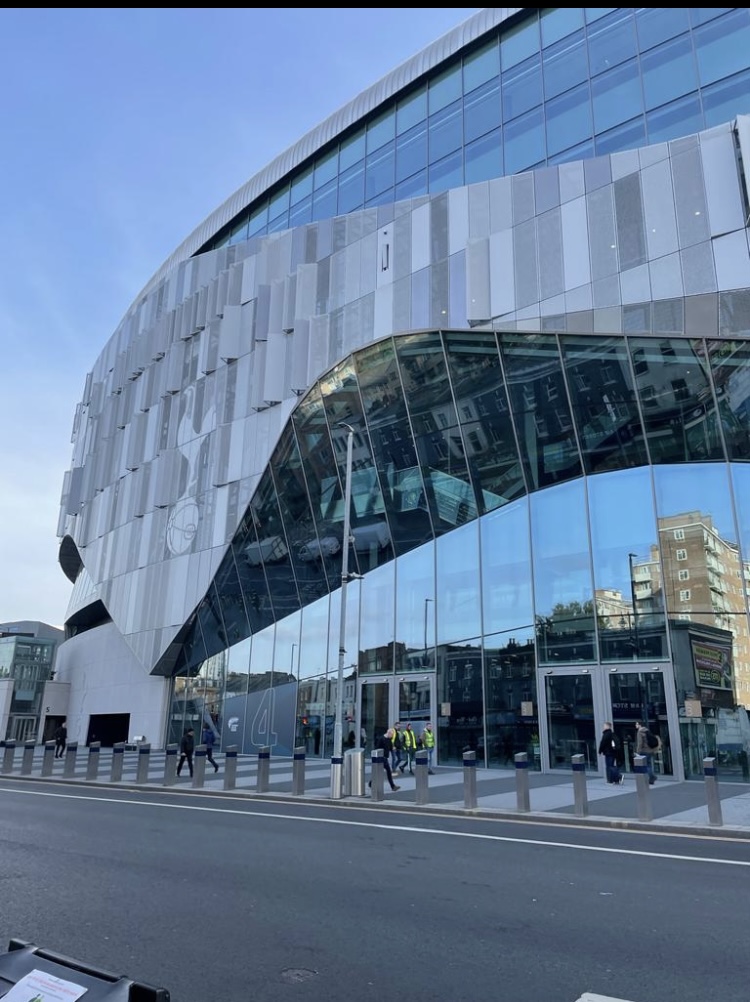
totenham hotspur


From the moment we stepped foot into the iconic Tottenham Hotspur Stadium in London on October 17, 2023, the day was filled with insights, connections, and inspiration.


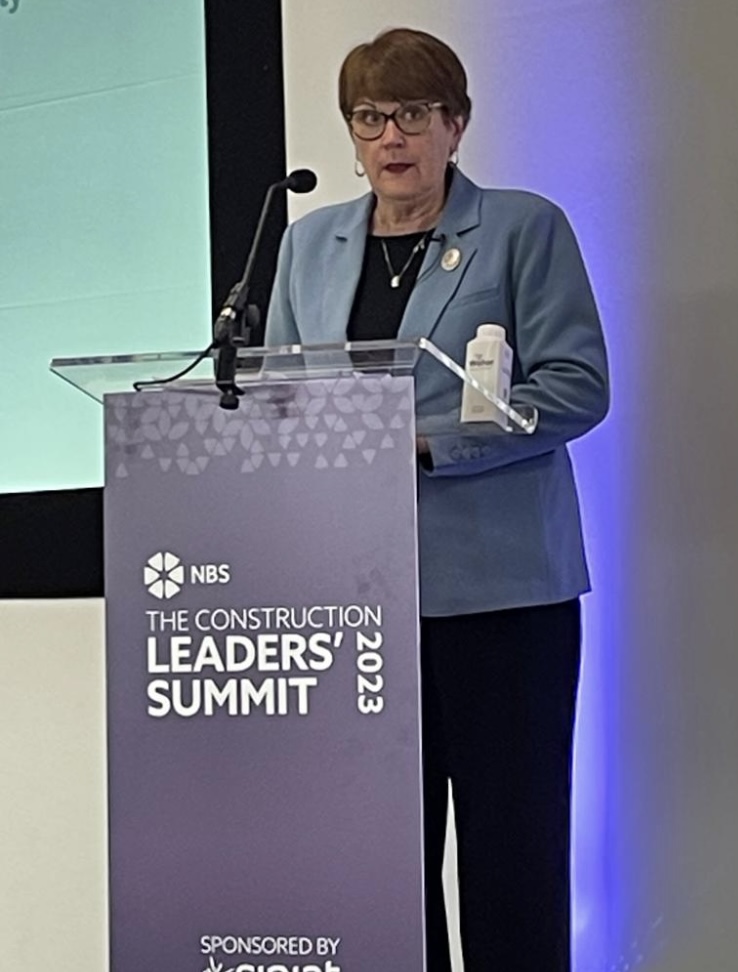
Keynote Speaker: Dame Judith Hackitt

Dame Judith Hackitt’s return as the keynote speaker was a highlight that set the tone for the entire event.

Her expertise in building safety, especially as the former chair of the Independent Review of Building Regulations and Fire Safety, was evident as she delved into the intricacies of the Building Safety Act. It was an illuminating experience, shedding light on how the Act would impact our businesses.


judith hackitt


Learning and Networking

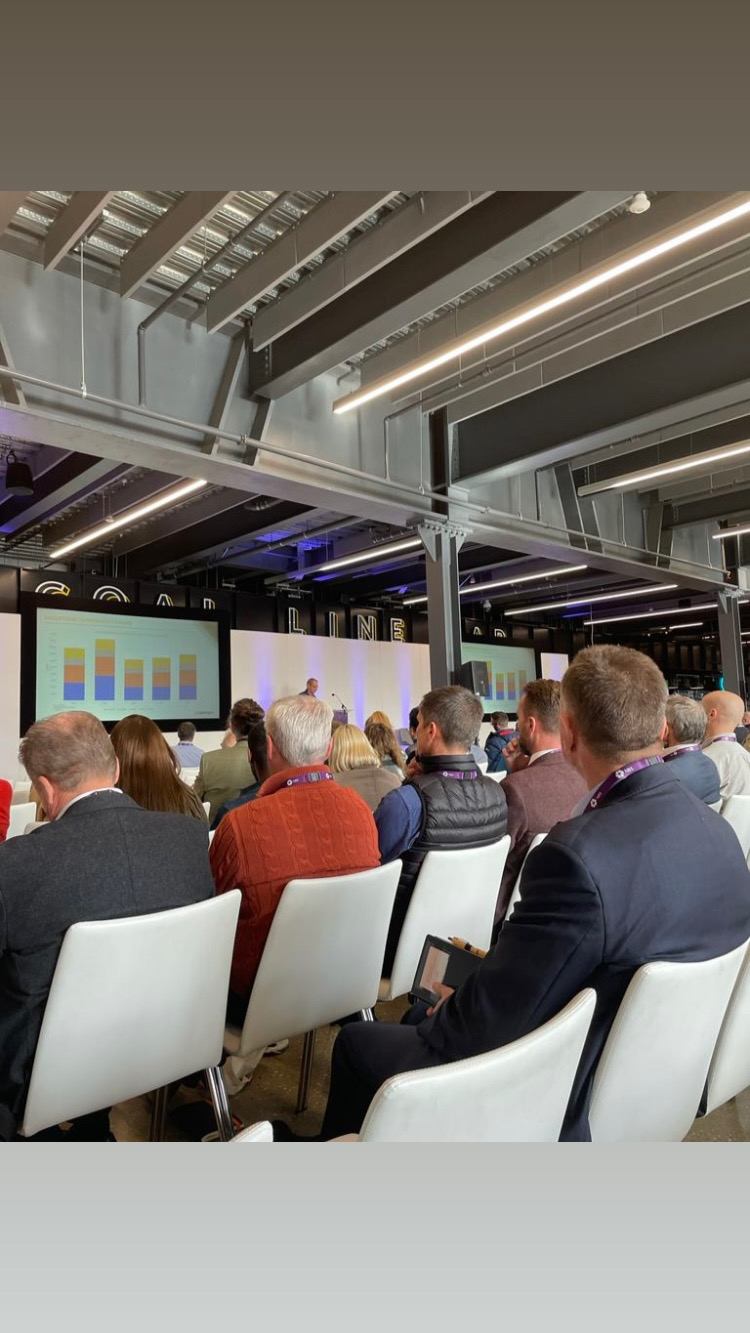
Throughout the day, we had the privilege of exploring the latest trends in building safety, sustainability, and digital transformation, including the integration of AI technology. The schedule brimmed with guest speakers, each sharing their unique industry insights and expertise. The opportunity to network with construction professionals and fellow attendees provided a chance to exchange ideas and forge meaningful connections.

In conclusion, the Construction Leaders’ Summit 2023 was a day well spent. It left us informed, inspired, and connected, and we left with a profound sense of the current and future landscape of the construction industry. If you’re an architect, specifier, or building product manufacturer, this event is a must-attend. We’re eagerly looking forward to future opportunities like this, where we can collectively shape the future of construction.

Inspirational day out with our brilliant team at the BRE’s “Innovation Centre” in Watford. The BRE not only fund research and academic training for PhD students, but they also train and inspire others to get involved in the construction industry. Well worth a visit for anyone involved in the construction industry.

BIM Hub


Join John Staves, Richard Lane and Tina McGeachan for our Third Thames Valley BIM Hub Event!

  • When? Thursday 10 July 2014 4.30pm – 7pm
  • Where? Old Bracknell Lane West, Bracknell, RG12 7AH

Case Study:  HMYOI Cookham Wood

Hosted by BSRIA

Cookham Wood was the first Government BIM Early Adopter project and arguably defined what Level 2 BIM is today. It was a steep BIM learning curve from the outset.  Balancing the various BIM maturity levels of team members and changing the way some deliverables were approached. Cookham Wood’s impact reverberates throughout the industry.

Learn about the Project Team’s experience of implementing BIM on this early adopter project, the challenges faced, the lessons learnt and how it has informed subsequent projects.

Guest speaker:  Fiona Moore
Now a Support Officer with the Government’s BIM Task Group, Fiona has a wide breadth of construction industry experience, including framework management, design/project management and the practical implementation of BIM. Working on custodial projects for over eight years, she was able to experience first-hand the Government’s adoption of BIM, as the Ministry of Justice’s Lead Designer / Technical Assessor on the HMYOI Cookham Wood project.

This will be an information packed event – book your place now!

What Are BIM Hubs?

BIM Hubs are part of a national and regional network established by CIC to promote a consistent understanding of what BIM means to the industry and its impact through all levels of the supply chain.

The resounding strapline to BIM is that we need to work better together and the Thames Valley BIM Hub meet regularly to:

  • share BIM knowledge and best practice
  • facilitate collaborative activity – helping companies to meet ‘BIM Buddies’
  • support the development of the supply chain’s BIM capabilities
  • increase BIM capacity across the region
  • ensure regional input into national discussion and policy decisions

BIM is the future, so whatever your interest or level of involvement, please join us!

To book your place contact: tina@secbe.org.uk

There is no charge for this event but do please let Tina know if you book, but are subsequently unable to attend.