
Choosing a Structural Engineer

For many clients, choosing a structural engineer feels like stepping into unknown territory.

Unlike architects or interior designers whose work is visible, creative, and easier to judge, structural engineers work behind the scenes, solving problems that are often invisible until something goes wrong.

That makes it hard for clients to know what to look for and even harder to know who to trust.

Highly Technical

One major difficulty is that structural engineering is highly technical.

Clients often don’t have the background to assess whether an engineer’s proposal is over-engineered, under-engineered, or just right.

This creates a natural reliance on trust – trust that the engineer has understood the brief, trust that they’re not being overly cautious (and driving up costs), and trust that they’ll protect the integrity of the building.

choosing a structural engineer

Brought In Late

Another challenge is that engineers are sometimes brought in late, once key decisions have already been made.

This limits their ability to shape the most efficient or effective structural solutions, and clients may misunderstand why changes or compromises are needed – potentially breeding frustration.

Communications Barrier

And then there’s the communication barrier.

Good engineers are problem-solvers, but not all are skilled at explaining their thought process in plain language.

Clients may walk away from a meeting still unsure what was decided or why it matters, which undermines confidence.


Trust, Collaboration, and Communication

Ultimately, choosing a structural engineer isn’t just about credentials or fees it’s about trust, collaboration, and communication.

The best engineers don’t just calculate forces – they help clients feel safe, informed, and understood throughout the entire process.

When that trust is in place, it transforms the project. Instead of second-guessing every recommendation, clients can focus on their vision, knowing the structure beneath it is in capable hands.


Do you work for a client organisation? How do you choose your structural engineer for projects?

For clients, selecting the right Structural Engineer can make or break a project. But with the market flooded by individuals with varying levels of qualifications and experience, how can you tell the difference between an expert and someone unqualified to make critical structural decisions?

  • The hidden costs of errors

The truth is, a lack of expertise may not be evident—until it’s too late. Poorly designed structures can lead to increased construction costs, delays, or even safety risks.

  • Lower fees seem appealing

On paper, less experienced engineers may seem appealing due to lower fees, but the hidden costs of errors, redesigns, or failed inspections can far outweigh any initial savings.

  • Anticipate challenges before they arise

Chartered Structural Engineers bring invaluable benefits to your project; 

  • Years of training
  • accreditation
  • hands-on experience and
  • ensure designs that are not only compliant with building regulations but also optimised for cost-efficiency and long-term durability.

Qualified structural engineers anticipate challenges before they arise, offering innovative solutions that will save you time and money.

What qualifications should you look for?

When appointing a structural engineer, you should look for the following qualifications and attributes to ensure you hire a competent and trustworthy professional:

Formal Education and Accreditation

Professional Certifications

  • Look for Chartered status, such as CEng MIStructE (member of the Institution of Structural Engineers or CEng FIStructE (fellow of the Institution of Structural Engineers)  which demonstrates advanced qualifications and experience way beyond Masters Graduate.

Relevant Experience

  • Experience with similar projects, whether it’s residential, commercial, or industrial structures.
  • Expertise in addressing the specific challenges of your project (e.g., structural assessments, or defect diagnosis.

Knowledge of Building Regulations / Building Safety Act

  • Familiarity with building regulations and compliance requirements to ensure safety and legal adherence.
  • The Building Safety Act requires Clients to appoint competent designers

Communication and Collaboration Skills

  • A good structural engineer should be able to clearly explain technical concepts and work effectively with property owners, architects and contractors

Reputation and References

  • Positive reviews, recommendations, or case studies from previous clients.
  • Examples of completed projects that align with your needs.

Professional Insurance

  • Ensure the engineer carries Professional Indemnity Insurance, which protects you in case of errors or omissions in their work. What level of indemnity is provided? Is the cover adequate for your project?

Working with experienced professionals ensures confidence in your project’s success. Clients can rely on solutions that are both structurally sound and financially sustainable.

Don’t gamble on one of the biggest investments you’ll make; choose a structural engineer who can deliver expertise, precision, and reliability.

Feedback

Have you hired a structural engineer before? What was your experience like? Did you feel you received good value, or did the service leave you disappointed?

We’d love to hear about your experience …

planning an extension


Planning An Extension?

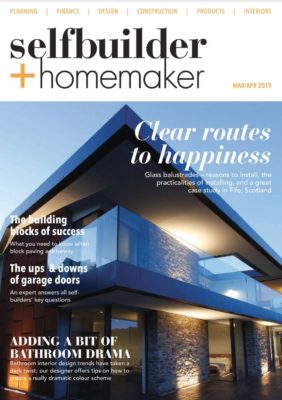
Planning An Extension? Catch up with this article by our very own Managing Director, John Staves in the Self Builder and Homemaker magazine.

A Clear Project Plan

The decision to extend your property should not be taken lightly.  Especially if you are altering your home.  It will be inconvenient, messy and disruptive to normal family life.  And that is if the project is well executed.  A clear project plan is essential.

It is important that you get your thoughts clear. 

  • What are you looking to achieve with the project? 
  • Why doesn’t the current home layout work for you? 
  • Is an extension the best solution? 

Sometimes adjustment of the internal layout can solve the problem.  And be more cost-effective than extending.

Brief Your Professional Team

When you can outline the purpose of the changes, you are able to brief your professional design team.  An Architectural Designer will work on layout. 

Improve Buildability – Reduce Costs

Your Structural Engineer will make sure alterations can be made safely.  But more than that, they will suggest ways to improve buildability.  And thereby reduce costs. 

Client, Architect and Engineer should work collaboratively.  From early in the project. 

The Architectural design should not be completed and then the Engineer be asked to make the design stand up. 

That invariably leads to unnecessary structural complexity and cost.  You may consider appointing a practice that handle both Architecture and Structure internally to ensure collaboration and single supplier responsibility for the outcomes.

Sequence of Work

If you intend to remain in the property during the works, it is important that the design takes the necessary work sequence into account.  A good design will do this, as well as making sure that the final layout is what you want, and all is structurally sound. 

Statutory Approvals

Don’t forget time.  Statutory approvals – Planning and Building Regulations – will take time.  A simple extension that needs Planning approval can easily take six months to design and get approved.  Then when the builder prices the detailed design, they may not be able to start for several months.

Realistic Budget

And budget realistically.  For the build and for professional fees.  It is worth spending a little to establish a sensible brief and budget before committing fully to the project.  There is no point getting a design and Statutory approvals completed, only to find the build cost is unaffordable.

Enjoy making your house into the home you want.

Are you planning an extension? We’d love to hear about your plans.

Click here to read the full article.

get in touch