RAAC Doesn’t Mean Demolition!

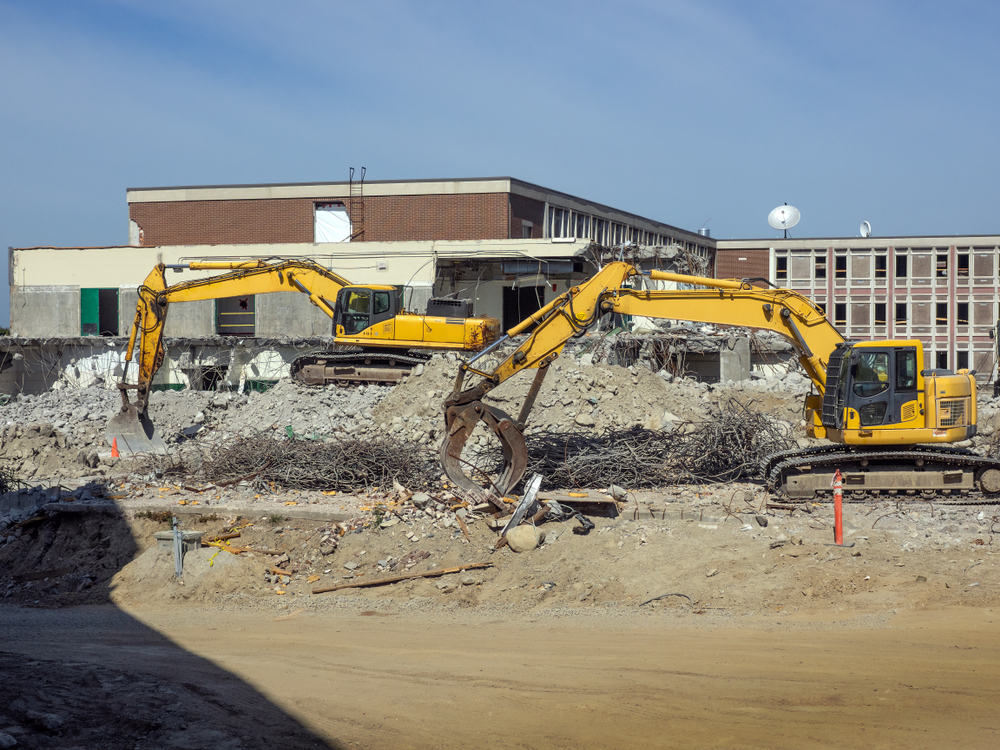
For months, the headlines have said the same thing: “RAAC is Dangerous – Demolish Now”

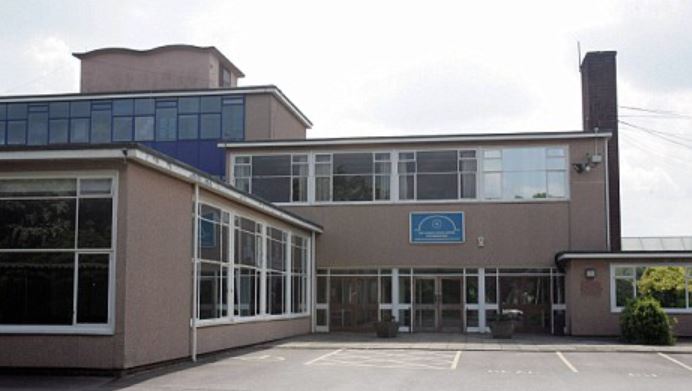
Schools, offices, and public buildings have been shut down. Emergency funds are being thrown at rebuilds. Entire communities are being displaced. But here’s what’s not being said loudly enough:

RAAC Doesn’t Automatically Mean Demolition

RAAC Fix

RAAC Fix

There is another way – and we’ve already proven it.

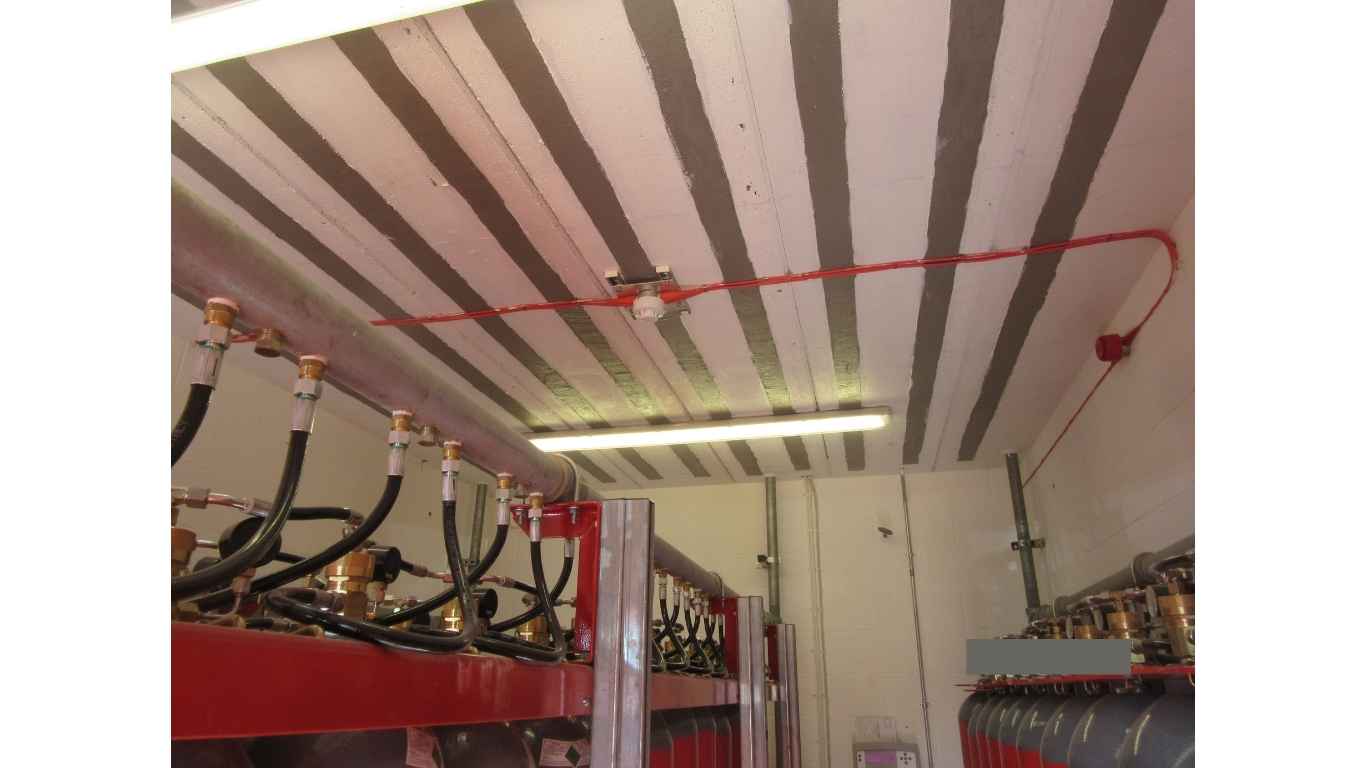
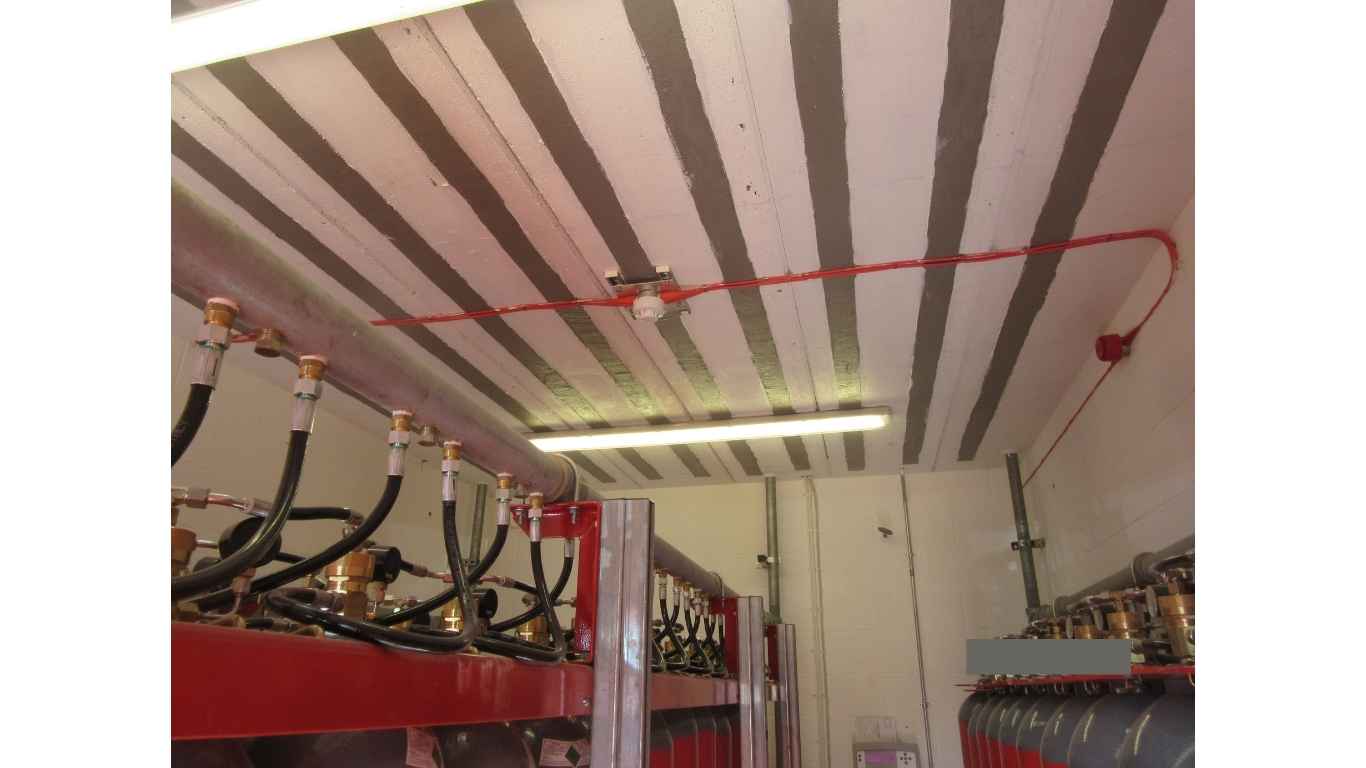
Our team has engineered a robust, long-term RAAC repair solution using Carbon Fibre Reinforced Polymer (CFRP). It’s fast to install, structurally certified, and already successfully implemented on a live site – under critical infrastructure, no less.

The Result?

A building that had been propped up for three years – with limited access and severely reduced functionality – was made structurally sound.

No Relocation. No Disruption. No Huge Cost

Too often, RAAC fixes are dismissed as “temporary” or not worth the effort. But our CFRP method isn’t a patch. It’s a permanent reinforcement strategy that delivers the performance and reliability needed to bring buildings back to full use – safely and efficiently.

RAAC repair

Successful RAAC repair project Network Rail

As national leaders in RAAC investigations and remediation, this solution is:

  • Certified by structural specialists
  • Quick to install
  • Non-disruptive, even in occupied buildings
  • Cost-effective compared to rebuilds

The outcome?

Millions Saved. Buildings Retained. Downtime Avoided

So before another structure is condemned and communities displaced, ask:

Is Demolition Really The Only Option?

Or is it time to look again at the engineering?

Want to find out more? Check out our case study with Network Rail – click here


ISO 9001


At Michael Aubrey Structural Engineers, we are proud to introduce a groundbreaking solution for the UK’s RAAC (Reinforced Autoclaved Aerated Concrete) crisis.

In a UK first, our team has developed and successfully delivered an in-situ repair method for RAAC panels using Carbon Fibre Reinforced Polymer (CFRP) technology – a material more commonly used in aerospace and automotive industries.

Until now, repairing RAAC meant expensive, disruptive demolition or full roof replacement.

By returning to first principles, our engineers have adapted CFRP to strengthen RAAC panels directly, without the need to vacate the building.

“This was uncharted territory,” says John Staves CEng FIStructE, Managing Director. “The Eurocode standards didn’t cover this solution – but through rigorous engineering, testing, and validation, we made it work.”

The benefits are clear:

  • No demolition required
  • Minimal disruption to occupants
  • Cost-effective, scalable, and safe

Already successfully implemented with Network Rail, this pioneering system gives councils, schools, hospitals, and public bodies a practical way to restore building safety without the huge cost or disruption of traditional methods.

This is engineering innovation at its best – providing real solutions for hundreds of at-risk buildings across the UK.


Do you have a building that has been affected by RAAC?  Call us today 0118 962 9666 and we’ll see if we can help you.

The Challenge

How could the raac panels be strengthened in situ while maintaining the building’s operations?

Reinforced Autoclaved Aerated Concrete (RAAC)

In September 2023, the issue of Reinforced Autoclaved Aerated Concrete (RAAC) came to the forefront of public attention. 


RAAC, a material widely used in construction during the 1960s, 70s, and 80s, was found to have significant structural vulnerabilities.

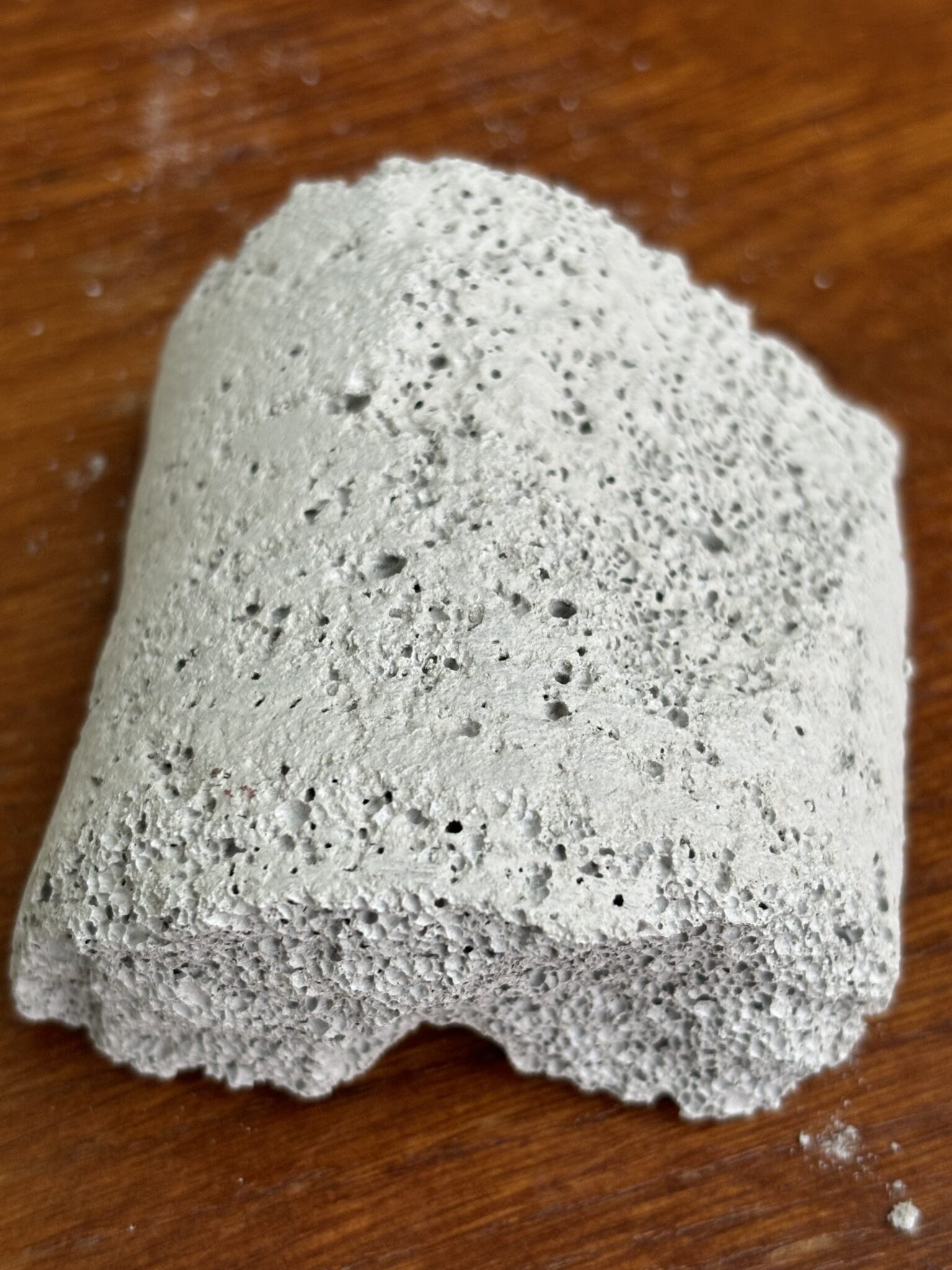
In this image, you can clearly see the porous, bubbly texture of RAAC. These air pockets—originally intended to reduce weight—create direct pathways for moisture ingress.

Over time, this allows water to penetrate through the material, reaching and corroding the embedded steel reinforcement. As the reinforcement corrodes, it expands, compromising the structural integrity of the element and increasing the risk of sudden failure, often without visible warning signs.


RAAC Audits

This was highlighted when schools began failing inspections, leading to closures. Subsequently, other large public organisations, including Network Rail and NHS, initiated audits of their facilities to assess the extent of the problem.

RAAC inspection

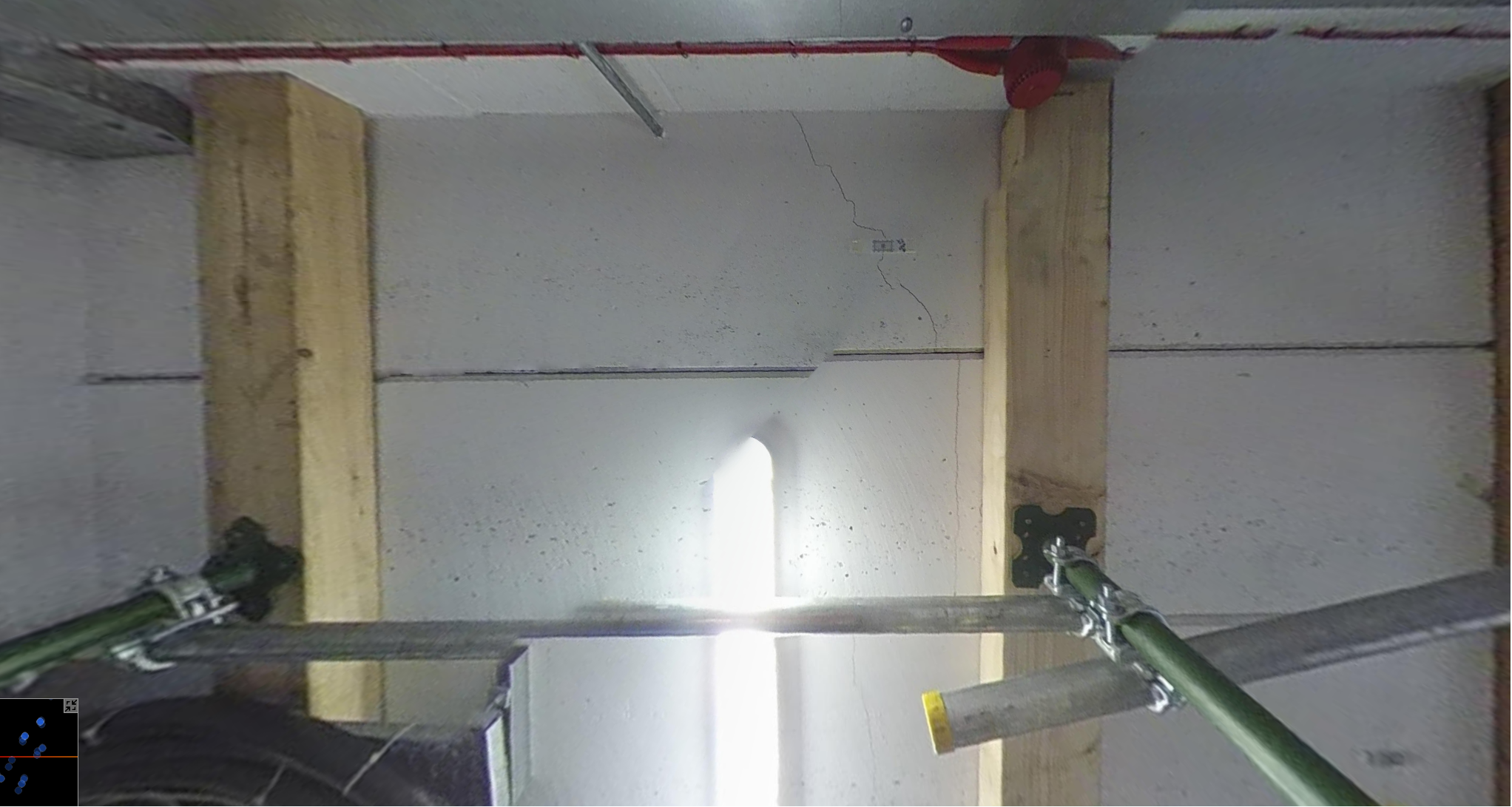
One such facility, a single-story building within a larger warehouse structure, was found to have RAAC panels used as ceilings for certain rooms. These panels had developed visible cracking on their underside, with cracks measuring up to 3mm wide in some areas.

racc ceiling cracking

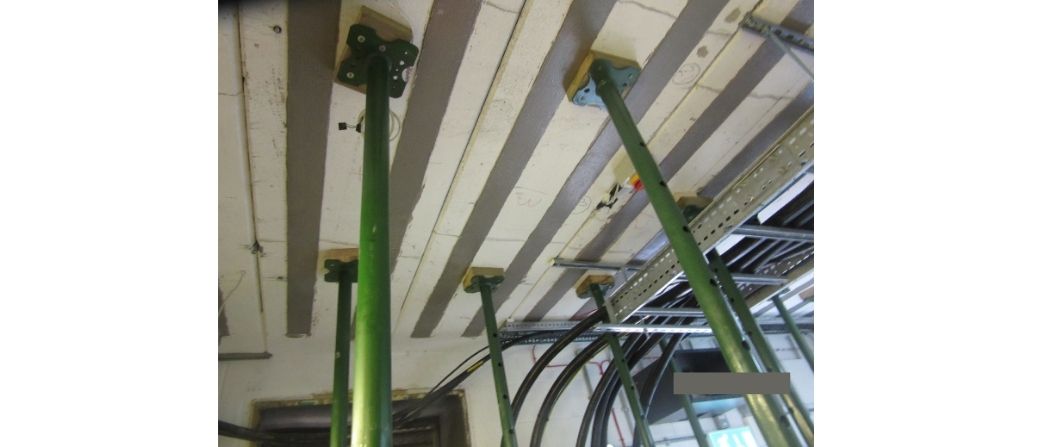
Props And Scaffolding To Stabilise The Structure

Temporary measures, such as the installation of props and scaffolding, were put in place to stabilise the structure. However, these solutions were inconvenient and disrupted the building’s critical operations.

The building housed essential infrastructure, making it impossible to remove the RAAC panels without significant disruption.

The challenge was clear:

How could the raac panels be strengthened in situ while maintaining the building’s operations?

The Solution

As one of the UK leading experts in structural engineering solutions for RAAC panels we were appointed to design an innovative solution using Carbon Fibre Reinforced Polymer (CFRP) to strengthen the RAAC panels.

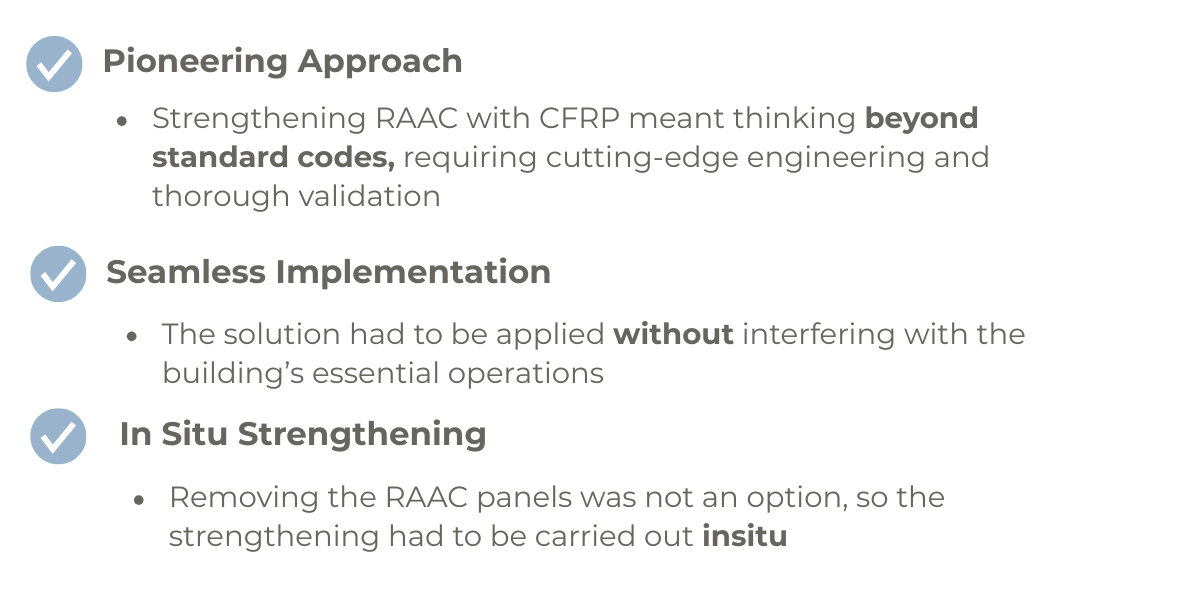
This approach was cutting-edge, as CFRP application to RAAC fell outside the scope of existing Eurocodes for concrete.

Eurocode 2 - Design of Concrete stuctures

BS EN 1992 Part 1:2004 (Eurocode 2) for UK construction

Back To First Principles And Rigorous Testing

RAAC’s inherent weakness—falling below the minimum strength required by the codes—meant our team had to justify the solution using first principles and rigorous testing.

We approached the problem with true engineering expertise!

Using first principles, we analysed the behaviour of the reinforced planks and identified the critical elements that required strengthening. On-site testing was conducted to verify the design and ensure its feasibility. This meticulous process allowed us to develop a bespoke CFRP strengthening solution that could be implemented with minimal disruption to operations.

raac challenges

Results

The CFRP solution was successfully installed, and the temporary props were removed. The building’s operations continued uninterrupted, and the strengthened panels are now performing adequately.

This project not only demonstrated Michael Aubrey Structural Engineer’s ability to push the boundaries of engineering but also provided a replicable solution for similar challenges across other facilities.

RAAC repair solutions

Conclusion

This project highlights our commitment to true engineering innovation.

By stepping beyond standard codes and applying first-principles thinking, we delivered a cutting-edge engineering solution that solved a critical problem.

Our expertise and collaborative approach with Network Rail’s project and asset engineers ensured the success of this complex project.

If your organisation is facing challenges with RAAC or other structural issues, Michael Aubrey Structural Engineers is here to provide innovative, bespoke solutions.

Contact us today to learn more.

  • support@mapl.co.uk
  • t. 0118 962 9666

John Staves CEng FIStructE MIoD

Managing Director

Chartered Structural Engineer


John staves


John Staves is a highly respected Chartered Structural Engineer with extensive expertise in structural assessment, investigation, and design.

He has held key leadership roles within the industry, including past Vice President of the Institution of Structural Engineers (IStructE) and various advisory positions shaping best practices in the field.

John is renowned for his innovative approach to solving complex engineering challenges, from pioneering reinforcement solutions for RAAC structures to delivering robust designs for diverse building projects.

His expertise spans forensic engineering, structural safety, and the application of advanced materials for strengthening and refurbishment. With a meticulous, first-principles approach, he ensures practical, efficient, and future-proofed solutions for clients across the built environment.


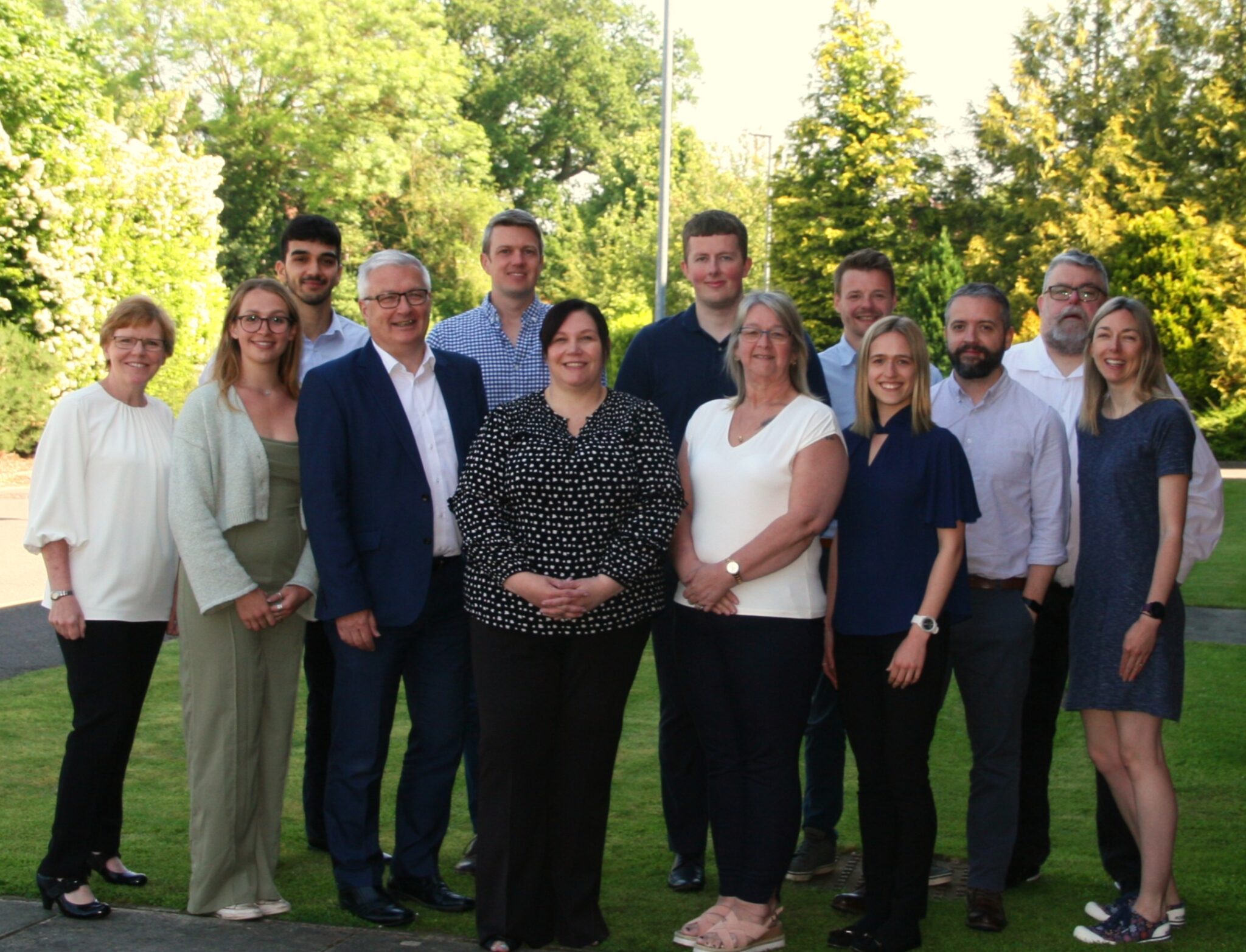
The Team


ISO 9001


In the ever-evolving field of construction, one of the most promising advancements in building reinforcement is the use of Carbon Fibre Reinforced Polymer (CFRP). Unlike traditional materials like steel and concrete, CFRP offers a unique combination of high strength, lightweight properties, and resistance to corrosion, making it an increasingly popular choice for structural reinforcement.

However, the true strength of CFRP lies not just in the carbon fibre itself, but in its integration within a plastic, or resin, matrix. This blog explores the future of building reinforcement with CFRP and highlights the critical role structural engineers play in its design and inspection.

Understanding Carbon Fibre Reinforced Polymer (CFRP)

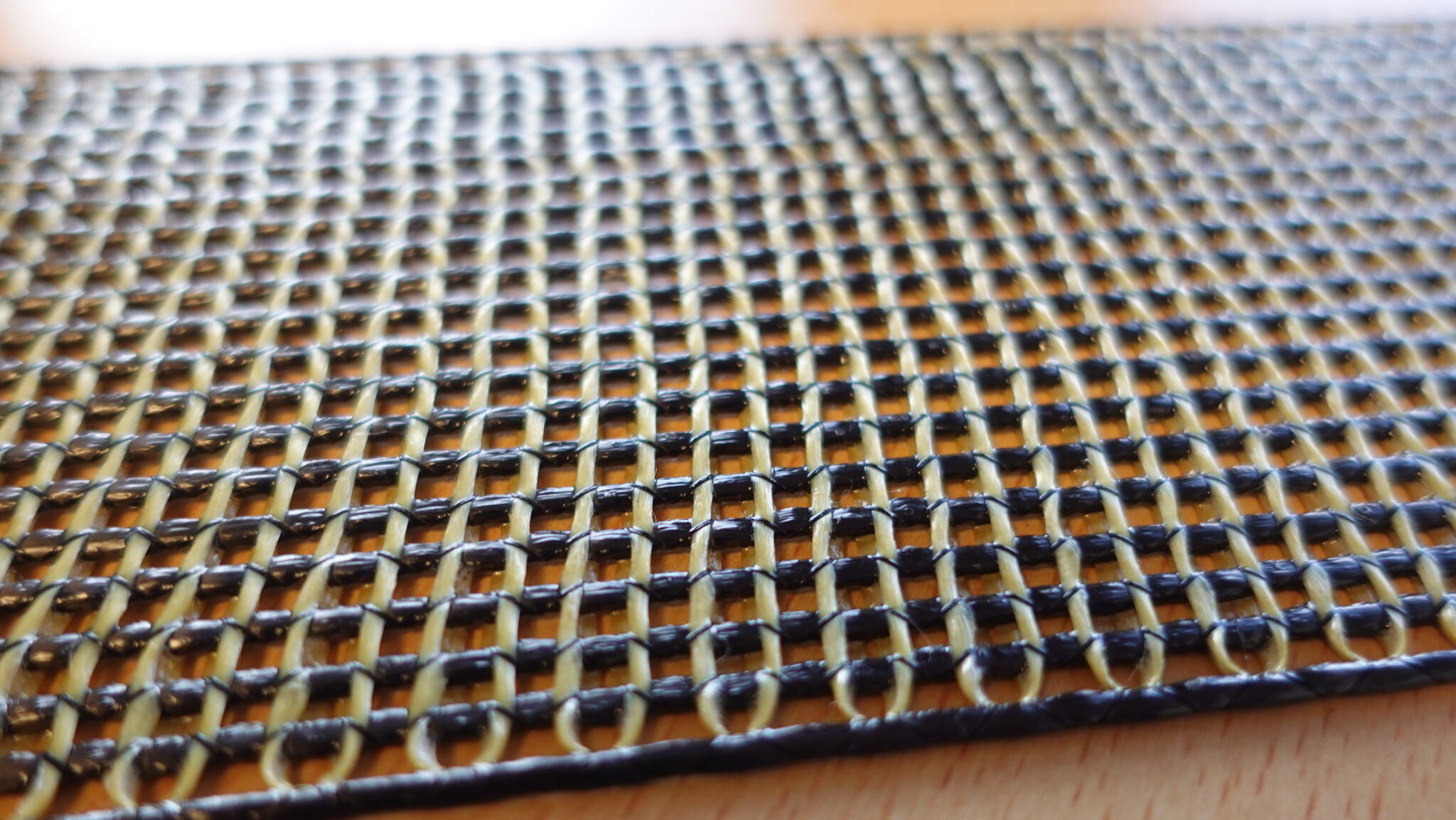
CFRP is composed of carbon fibres embedded within a resin matrix, typically an epoxy. This combination of materials results in a composite that leverages the superior tensile strength of carbon fibre along with the flexibility and durability provided by the plastic matrix. The resin binds the carbon fibres together, distributing loads more evenly across the material, which enhances its overall performance in structural applications.

This synergy between carbon fibres and the plastic matrix is what makes CFRP particularly effective in building reinforcement. The carbon fibres provide exceptional tensile strength—up to five times that of steel—while the plastic matrix contributes to the material’s resistance to environmental factors such as moisture, chemicals, and temperature fluctuations. This makes CFRP ideal for reinforcing structures in harsh conditions, such as water and marine environments.

The Role of Structural Engineers in CFRP Application

Structural engineers are at the forefront of utilising CFRP in construction, as the material requires specialised knowledge for effective application. Engineers must carefully design CFRP reinforcement strategies that take full advantage of its properties while ensuring that the material is used where it is most needed.

One of the primary responsibilities of structural engineers is to determine the appropriate placement of CFRP within a structure. For example, CFRP can be applied to beams, columns, and slabs to enhance their load-bearing capacity without significantly increasing their weight. This is particularly beneficial in retrofitting older structures, where adding more weight could compromise the existing foundation.

In addition to design, engineers must ensure that the CFRP is properly installed. The process of embedding carbon fibres in a resin matrix requires precision, as improper application can lead to weak points in the structure. Engineers oversee the curing process of the resin to ensure that it bonds effectively with the carbon fibres and the substrate, creating a strong and durable reinforcement.

The Future of CFRP in Construction

As the construction industry continues to prioritise sustainability and efficiency, the use of CFRP is expected to grow.

The material’s lightweight nature reduces the overall load on structures, which can result in lower construction and transportation costs. Additionally, CFRP’s resistance to corrosion and environmental degradation extends the lifespan of reinforced structures, reducing the need for frequent repairs and replacements.

Ongoing advancements in CFRP technology are also making the material more accessible. Innovations in manufacturing processes are lowering production costs, which will likely lead to broader adoption across various types of construction projects. As a result, CFRP could become a standard material not just for high-profile infrastructure projects, but also for everyday buildings, including residential and commercial properties.

Conclusion

Carbon Fibre Reinforced Polymer represent a significant advancement in building reinforcement, offering a combination of strength, durability, and versatility that traditional materials cannot match. The future of construction will increasingly rely on CFRP, particularly in applications where weight, environmental resistance, and longevity are critical concerns.

Structural engineers, with their expertise in design and material science, are essential to unlocking the full potential of CFRP, ensuring that it is used effectively to create safer, stronger, and more sustainable buildings for the future.


Call Us: 0118 962 9666