
As a commercial property owner or manager, your building is one of your most valuable assets. However, maintaining and maximising the lifespan of your property can be a costly challenge—especially when structural issues emerge unexpectedly. That’s where structural engineers come in. They don’t just solve problems when they arise; they play a vital role in preventing costly repairs and even extending the useful life of your building, ultimately saving you money in the long run.
In this post, we’ll explore how a proactive approach to structural engineering can keep your commercial property in top condition while protecting your bottom line.
Structural Engineers for Commercial Property – Early Detection of Issues
Many structural issues are invisible to the untrained eye, silently eroding the integrity of your building over time. Cracks in walls, uneven flooring, or even subtle shifts in the building’s foundation can be early signs of structural stress. Left unchecked, these issues can snowball into expensive repairs or, worse, require extensive rebuilding.
Structural engineers conduct regular assessments and detailed inspections to detect these problems early.
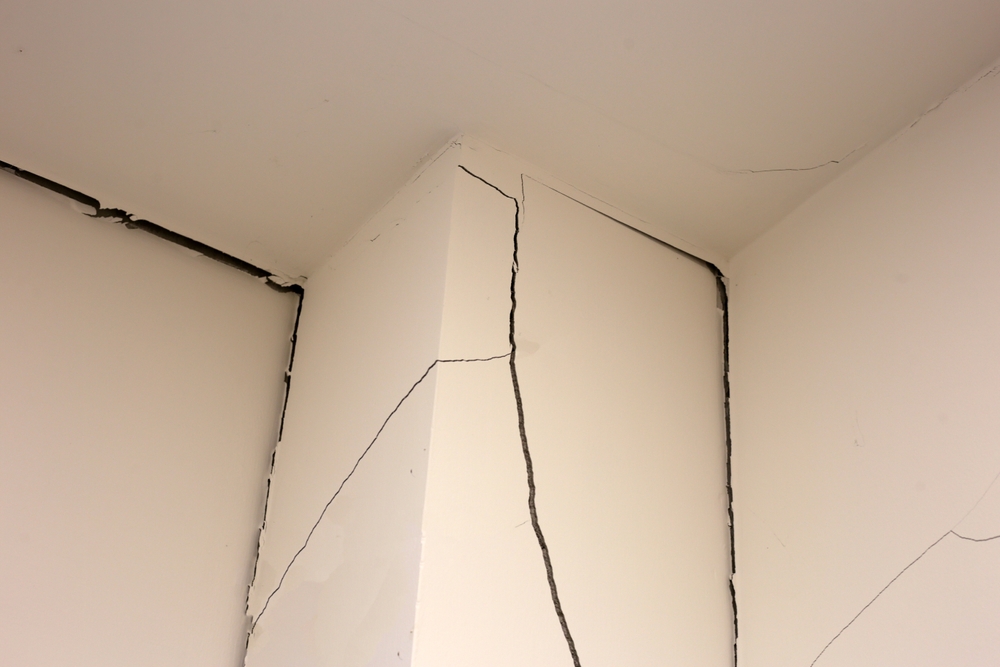
By identifying potential weak points and implementing targeted repairs or reinforcements, they can stop damage before it escalates. The result? You avoid major disruptions, and the cost of minor repairs is a fraction of what you’d pay to fix a larger problem.
Optimising Maintenance Plans
One of the biggest mistakes commercial property owners make is adopting a reactive maintenance strategy—fixing issues as they occur. This “band-aid” approach can result in unforeseen expenses and may shorten your building’s lifespan.

Structural engineers help you shift from a reactive to a proactive maintenance plan. By understanding the materials and design of your building, they can recommend tailored maintenance schedules that address the specific vulnerabilities of your property. These strategies not only help extend the lifespan of your building but also allow for more predictable maintenance budgets, reducing unexpected costs.
Strengthening Aging Structures
Even the most well-built structures degrade over time due to natural wear and tear, environmental stressors, and changing usage patterns. However, structural engineers specialise in assessing aging buildings and devising solutions that restore and enhance their structural integrity. Through reinforcement techniques like retrofitting or upgrading building materials, engineers can breathe new life into older properties.
These upgrades can also improve the building’s safety, energy efficiency, and overall market value, making it a smart investment for property owners looking to maximise returns on aging assets.
Extending Usable Life with Sustainable Solutions
Sustainability has become a crucial consideration in the commercial property sector. Green buildings are in high demand, and there’s growing pressure to make existing structures more sustainable. Structural engineers can identify opportunities for incorporating environmentally friendly solutions, such as energy-efficient reinforcements or sustainable materials that extend the life of your building while reducing its carbon footprint.

This dual benefit—extending the building’s lifespan and making it more attractive to eco-conscious tenants or investors—can lead to significant long-term savings and increased property value.
Reducing Insurance Premiums
Another overlooked benefit of working with structural engineers is the potential reduction in insurance premiums. By maintaining the structural integrity of your building and taking preventative measures, you can demonstrate to insurers that your property is less of a risk. This often results in lower premiums, adding yet another layer of financial savings.
Conclusion: A Smart Investment in Longevity
Investing in a structural engineer is more than just a safeguard for your commercial property—it’s a strategic decision that can yield significant financial returns. By catching issues early, optimising maintenance plans, and strengthening aging structures, engineers can extend the life of your building and help you avoid expensive, unexpected repairs.
In the long run, this proactive approach doesn’t just save you money; it ensures the longevity and value of your property for years to come. So, if you want to maximise the lifespan of your building and protect your investment, working with a structural engineer is one of the smartest decisions you can make.