This year’s Structural Awards from The Institution of Structural Engineers (IStructE) once again brought together the brightest and most visionary structural engineering projects from around the globe – and John Staves, our Managing Director was delighted to attend in his role as Chair of IStructE Limited.

A spotlight on excellence

The 2025 shortlist encompasses 34 extraordinary projects, spanning continents and disciplines. From art-installations crafted in bamboo and paper-tube to major transport hubs, to remediation of ageing infrastructure, what stands out is how structural engineering is embracing a broader purpose: sustainability, social value, and innovation.
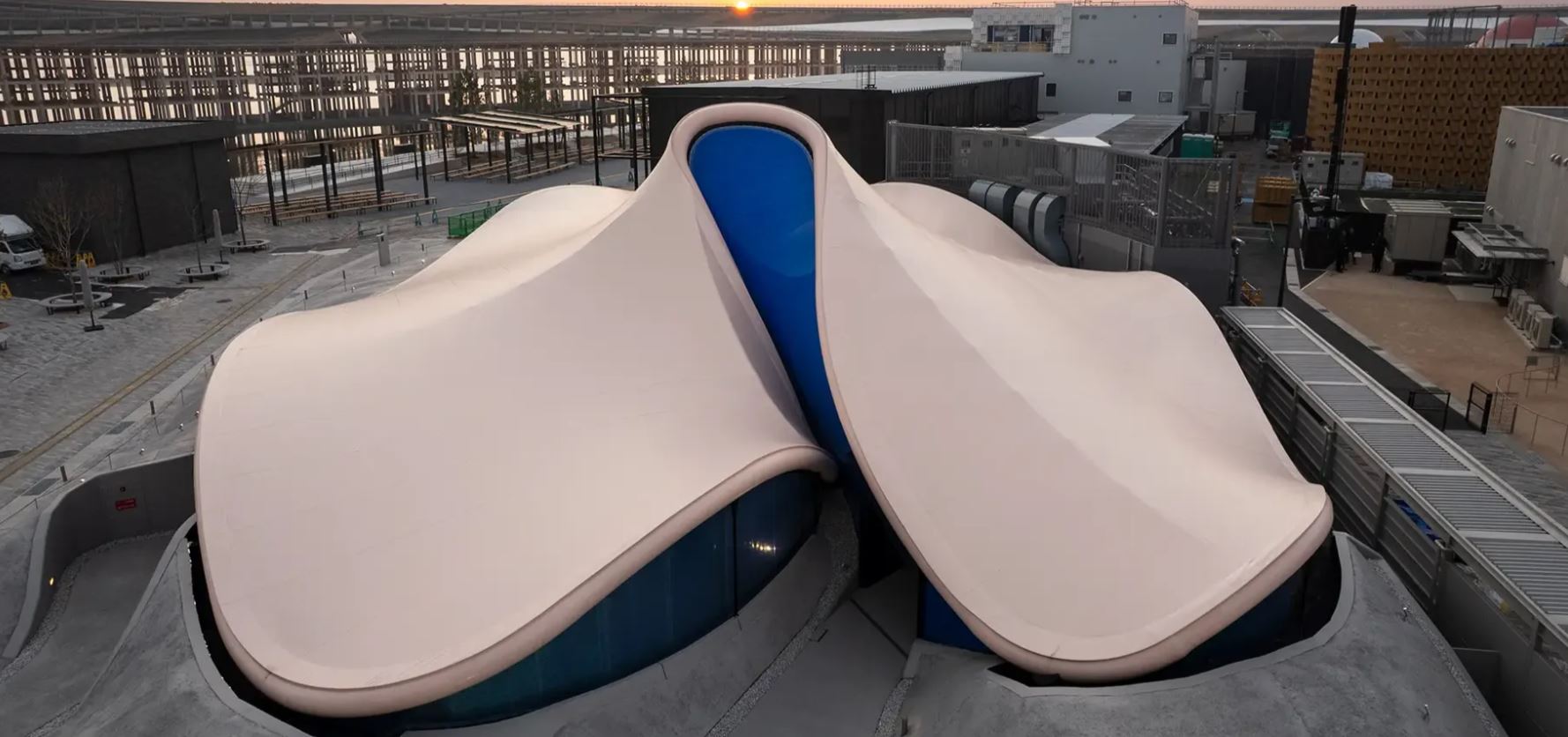
dynamic equilibrium of life

Dynamic Equilibrium of Life (Osaka, Japan) is part of the “Arts Structures” category, and specifically uses laminated bamboo and paper-tube construction

What the judging emphasised

Entries were evaluated against four core criteria:

  • Planet – environmental impact

  • People – social value

  • Process – technical innovation

  • Profession – how the project advances our discipline

This reflects a shift in our profession: engineering isn’t just about making things stand, but about making things better.

Projects such as the RAAC remediation of a hospital in Yorkshire, and the advanced carbon-fibre-hanger bridge in Germany, are examples of engineers stepping into new territory.

Why it matters

For us working in structural engineering (and especially my own business in existing building investigations, remediation and innovation), the Structural Awards provide a powerful reminder:

  • That client value increasingly means sustainability and reuse.

  • That technical ingenuity (e.g., new materials, carbon reduction) can differentiate our work.

  • That the profession’s role is evolving – engineers are not just “behind the scenes”, they are shaping how buildings and infrastructure respond to today’s climate, safety and social challenges.

Fern

Fern has no supports beneath its cantilevered neck or tail, which is a first for a dinosaur display.

Reflections from John Staves

Attending this year as Chair of IStructE Limited gave me an opportunity to connect with companies pushing boundaries, but it also reaffirmed what we at Michael Aubrey Structural Engineers value:

  • clarity of purpose
  • practical innovation, and
  • communication.

As engineers we often talk about structural integrity and load paths; these projects remind us we also need integrity in our environmental and social impact, and clear communication with clients and stakeholders.

More than anything, the event was a reminder that our profession can’t stand still. Clients expect us to keep moving forward, the environment leaves us no choice, and the industry is stronger when we continue to adapt and improve.

It was a really enjoyable evening!
Not just a service, it’s how we think.

Before we put pen to paper or open a REVIT file, we do something different: we investigate.

The Structural Detectiveâ„¢ is our method, a calm, curious, forensic approach to understanding existing buildings before any design decisions are made. It’s not an add-on. It’s built into the way we work.

We start by asking:

What’s going on here? What’s this building trying to tell us?

Whether it’s a visible crack, a planned change of use, or a complex refurbishment, we look beneath the surface. We question assumptions, trace the building’s history, and gather evidence that reveals how the structure really works and why it might not be.

Why Our Method Matters

Too often, structural advice is based on guesswork, outdated drawings, or quick site visits.

That’s not how we work.

By taking the time to properly investigate your building, we can:

  • Spot issues early before they become expensive mistakes
  • Design smarter solutions that fit the reality on site
  • Give you advice you can trust based on evidence, not assumptions

What Being The Structural Detectiveâ„¢ Means

Every building has a backstory.
Before we make any structural recommendation, we aim to understand:

  • How it was built
  • How it’s changed over time
  • What it’s telling us through signs like cracks, movement, or materials

Our investigations might include:

  • Reviewing old drawings or records
  • Visual inspections and monitoring
  • Careful intrusive works to expose foundations, wall build-ups, or hidden defects

Once we’ve built the full picture, then we recommend action

Who We Help

  • Building Owners – Understand the true condition of your property before committing to costly works
  • Developers – De-risk projects by uncovering structural constraints early
  • Property Managers – Maintain safe, compliant buildings with informed planning

Experience You Can Trust

Being a Structural Detective takes more than a toolbox it takes experience, technical judgement, and a sharp eye for detail.

  • Our engineers are qualified, experienced, and specialised in existing buildings
  • We’ve carried out thousands of investigations across schools, offices, homes, and heritage sites
  • We bring confidence, clarity, and credibility from day one

Services We Offer

  • Structural Investigations
  • Defect Diagnosis (cracks, movement, subsidence)
  • Maintenance & Refurbishment Advice
  • Foundation & Load Assessments

Start with Understanding

If you’re working with an existing building, don’t jump straight to solutions.

Start with understanding.

That’s what The Structural Detectiveâ„¢ is all about.

Record Information: The Answers You Need Are Often Buried In The Building’s History

Every building has a story.

In commercial projects, whether it’s fitting out a new space, planning an extension, or repurposing an old site missing information can quickly turn into a major headache.

Structural issues rarely appear out of nowhere. Cracks, sags, and unexpected quirks usually have roots buried in the building’s history.

That’s why record information is so important. Drawings, surveys, repair records, planning applications, they’re not just paperwork. They’re the clues that help us understand what’s really going on behind the walls and beneath the floors.

When those clues are missing or incomplete, we’re left to guess. And guessing in commercial projects can be risky and expensive.

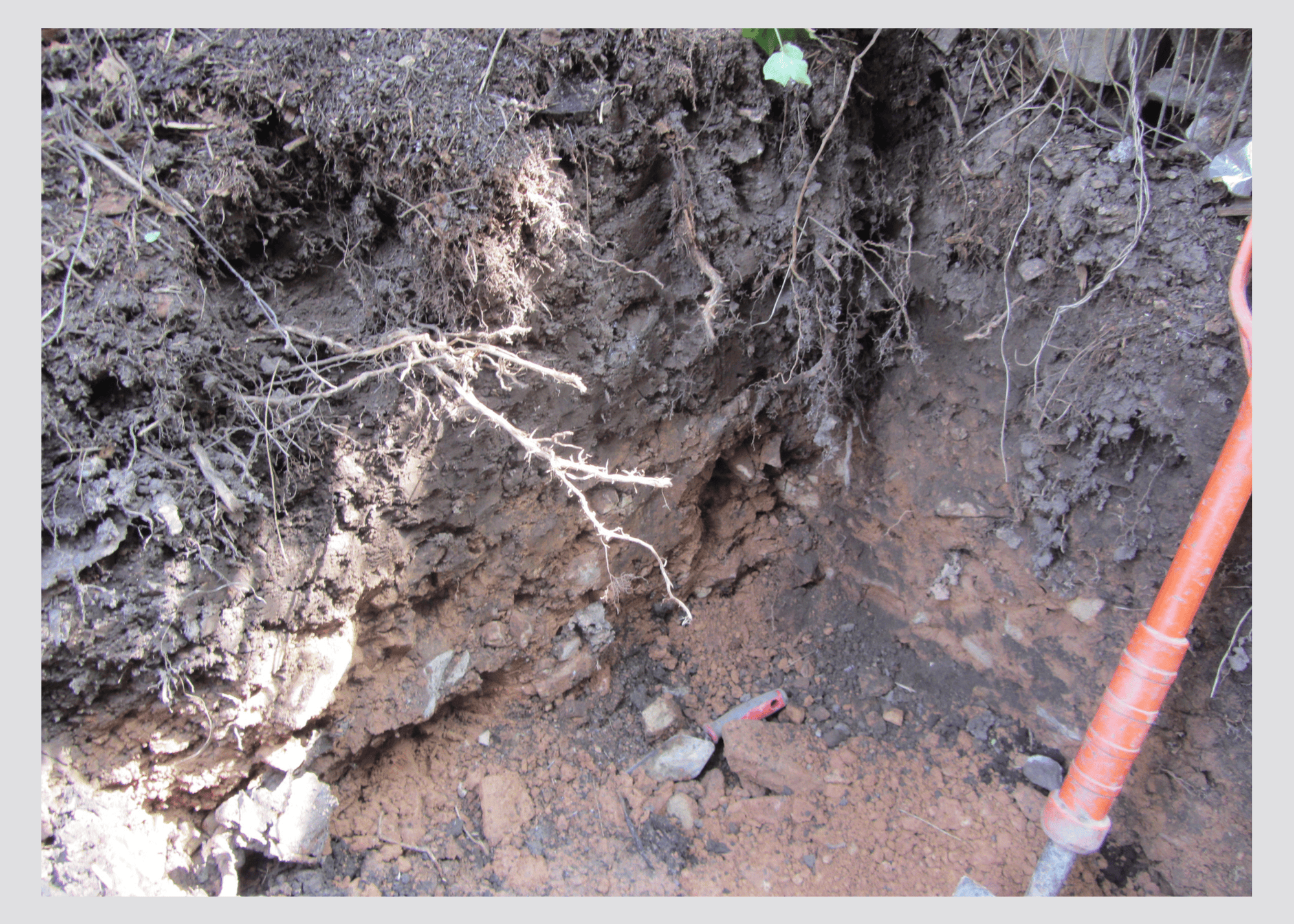
no record information

Starting with the Facts

That’s why we always start by investigating what’s already there. If the record information is complete and up to date, we can design with confidence. But if the information isn’t available, or if it’s clearly incomplete we’ll suggest doing some intrusive investigations:

  • Opening up walls to check if there’s hidden steelwork
  • Drilling through floors to confirm slab thickness
  • Digging around foundations to see what’s really supporting the building

These investigations aren’t cheap, but they’re a lot cheaper than dealing with surprises halfway through construction.


Managing Risk

Some clients are understandably reluctant to pay for these extra investigations. After all, no one likes the idea of extra work or added cost. But it all comes down to risk.

We can design based on assumptions if needed, but that approach can end up costing a lot more in the long run.

For example, one office conversion ran into huge costs when it turned out the lightweight concrete floors couldn’t support the HVAC system. In another case, a warehouse extension had to be underpinned mid-build when shallow foundations were discovered too late.

Honesty About Priorities

We always ask clients what matters most: is it time, money, or certainty? Because knowing that helps us tailor our approach and give best advice.

Some clients want to get on site as soon as possible and don’t mind taking a calculated risk. Others would rather pay for thorough investigations up front to avoid nasty surprises later.

Whatever the answer, it’s always about managing risk. The more we know about the building before work begins, the smoother the project will be and the better we can protect your budget, timeline, and reputation.


So before you build, let’s find out what’s really there. Because the better we understand your building’s story, the more efficient the design can be, there’ll be fewer surprises and the project will be more successful.