Reducing Carbon in Structural Engineering Designs
As structural engineers, we hold a significant responsibility in the global effort to combat climate change. Buildings and infrastructure are major contributors to greenhouse gas emissions, and as designers of these systems, we have a unique opportunity to drive meaningful change.
By adopting innovative strategies and aligning our practices with the IPCC’s carbon reduction roadmap, we can create a more sustainable future.
6 ways Structural Engineers Can Lead the Carbon Revolution;
Embracing Low-Carbon Materials
The materials we select for our designs significantly impact the overall carbon footprint of a project. By prioritising low-carbon alternatives such as recycled steel, low-carbon concrete, and engineered timber, we can substantially reduce embodied carbon in our designs. Moreover, sourcing materials locally can minimise transportation emissions and support regional economies.
Optimising Structural Efficiency
Efficient structural design is key to reducing material usage while maintaining safety and functionality. By employing advanced computational tools and techniques, we can optimise designs to use only as much material as necessary. Techniques such as topology optimisation and parametric modelling help us achieve this balance, leading to leaner, more sustainable structures.

Reuse and Retrofit
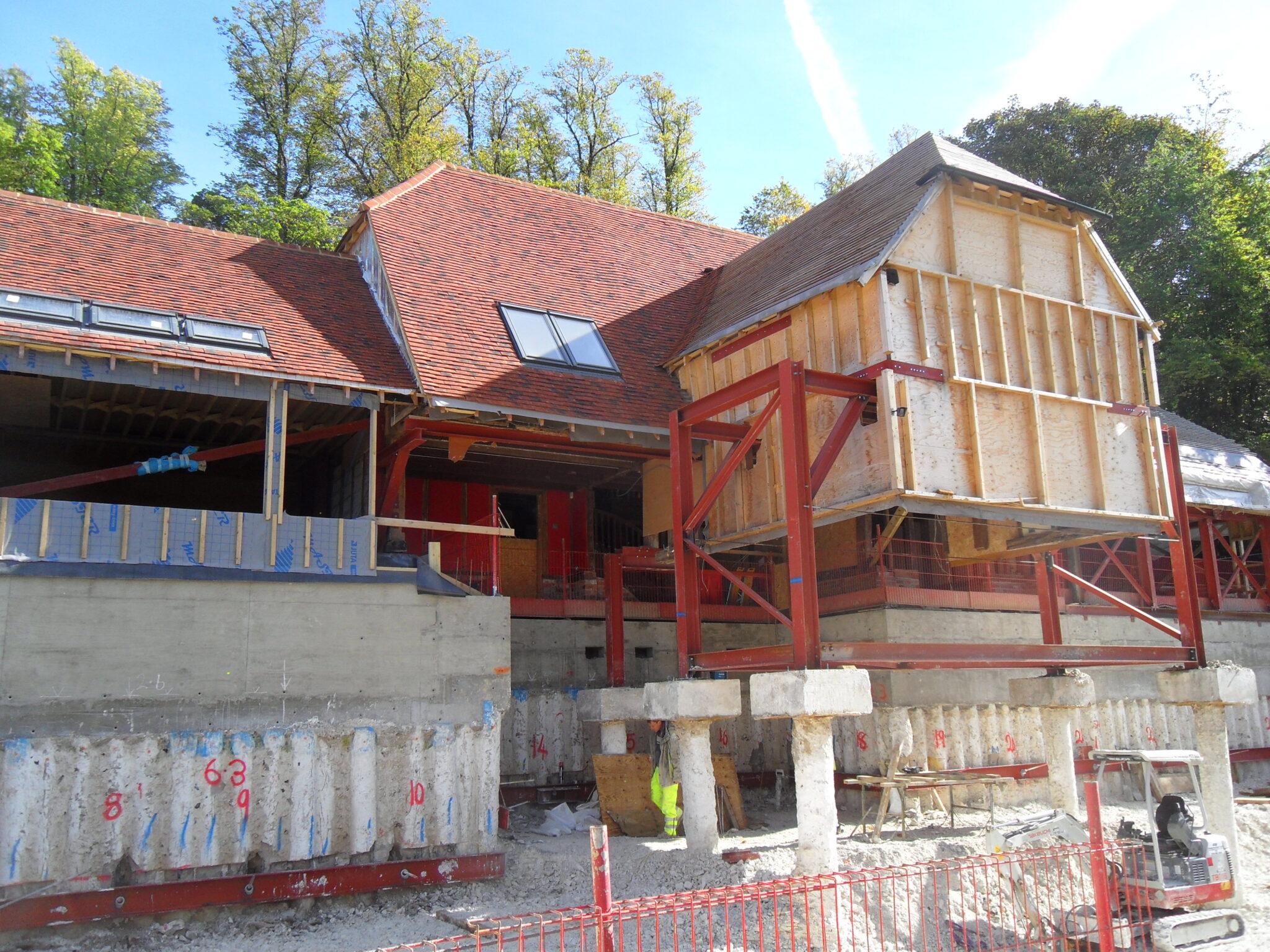
Rather than demolishing and rebuilding, reusing existing structures or retrofitting them to meet new requirements can significantly reduce carbon emissions. Adaptive reuse not only preserves the embodied carbon in existing materials but also extends the life cycle of a structure, reducing waste and energy consumption.
Collaborative Design Practices
Reducing carbon in our designs requires collaboration with architects, contractors, and other stakeholders. By engaging early in the design process, we can ensure that sustainability is a core priority from the outset. This includes working together to integrate passive design strategies, renewable energy systems, and water-efficient features into projects.
Leveraging Technology
The rise of Building Information Modelling (BIM) and other digital tools allows us to assess and minimise carbon impacts throughout the design process. Lifecycle assessment (LCA) tools, for example, provide insights into a project’s embodied and operational carbon, enabling us to make informed decisions that align with carbon reduction goals.
Advocating for Change
As engineers, we have a voice in shaping industry standards and practices. By advocating for policy changes, participating in professional organisations, and sharing our successes, we can drive broader adoption of low-carbon practices across the industry.
Doing nothing
Sometimes, doing nothing is the most sustainable choice!
Instead of extending structures, we can question if it’s truly necessary. Avoiding new construction saves materials, reduces carbon emissions, and cuts costs. By optimising existing spaces or reusing resources, we minimise environmental and economic impacts, aligning with our goal of reducing carbon footprints.
Conclusion
The path to a sustainable future requires commitment, innovation, and collaboration. As structural engineers, we play a vital role in reducing the built environment’s carbon footprint. By embracing sustainable materials, optimising designs, and working collaboratively, we can design for a better, greener future.
Structural Engineers Declare
“Structural Engineers Declare”, is an initiative led by The Institution of Stuctural Engineers urging companies to transform their working methods to address climate and biodiversity emergencies.
Together, we can align our efforts with global carbon reduction roadmaps and lead the way toward achieving net-zero emissions. Let’s act now to ensure that the structures we design today help preserve the planet for generations to come.