In the world of construction and building maintenance, ensuring the safety and longevity of structures is paramount.

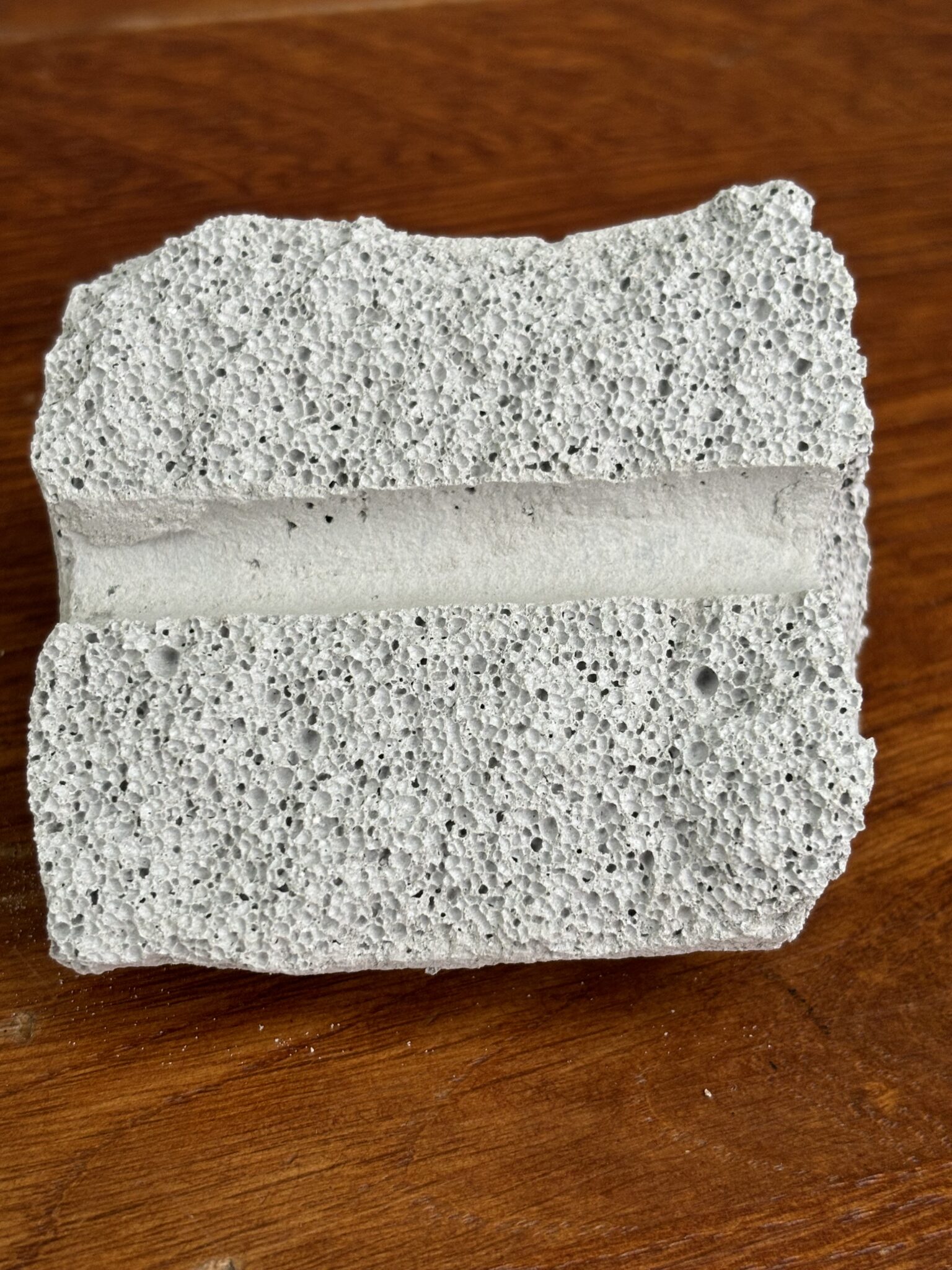
One critical aspect of this process is the assessment of Reinforced Autoclaved Aerated Concrete (RAAC), a material commonly used in buildings constructed between the 1950s and 1980s.

As these structures age, the need for thorough RAAC surveys and inspections becomes increasingly vital.
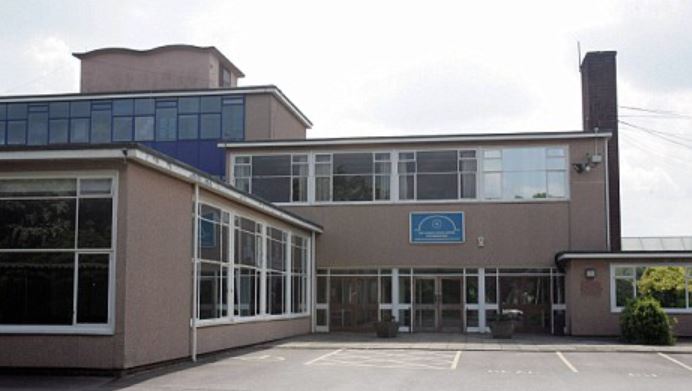
RAAC inspection

RAAC Surveys: Understanding RAAC and Its Challenges

RAAC is known for its lightweight, insulating properties and ease of use, making it a popular choice during its time. However, over the years, it has been discovered that RAAC can deteriorate, leading to potential structural weaknesses. This is where the importance of RAAC inspections comes into play. Regular assessments help identify any signs of degradation early, allowing for timely interventions that can prevent more significant issues down the line.

It is worth noting that concrete roofs aren’t necessarily precast, and precast concrete roofs aren’t necessarily RAAC!

RAAC without defects isn’t necessarily a problem, but you do need an expert review to know where you are on this spectrum!

The Role of Experienced Structural Engineers

When it comes to conducting RAAC surveys, the expertise of an experienced structural engineer cannot be overstated.

contact us

RAAC inspection


Experienced structural engineers bring a wealth of knowledge and practical insight, crucial for accurately assessing the condition of RAAC structures.

Their ability to identify subtle signs of wear and potential failure points is invaluable in ensuring the safety and integrity of a building.


Why Choose an Experienced Structural Engineer for Your RAAC Survey?

Precision in Assessment

An experienced structural engineer can conduct a comprehensive RAAC inspection, employing advanced techniques and tools to pinpoint areas of concern. This precision is critical in formulating effective maintenance and reinforcement strategies.

Tailored Solutions

Every building is unique, and so are its challenges. Expert structural engineers can provide customised solutions that address specific issues, ensuring that the recommended interventions are both effective and efficient.

Long-term Safety and Savings

By opting for a detailed RAAC survey conducted by a professional, building owners can avoid costly repairs and potential safety hazards. Early detection and intervention are key to preserving the structural integrity of a building and extending its lifespan.
Conclusion

In building maintenance and safety, RAAC inspections play a crucial role.

Choosing an experienced structural engineer for your RAAC survey ensures a thorough, accurate assessment and gives you peace of mind that your building is in expert hands.

With their expertise, you can confidently address the complexities of RAAC assessments, protecting both your investment and the people who depend on the structure every day

Next Steps

If you’re a building owner concerned about the condition of your RAAC structures, or still need to check if you have RAAC, don’t hesitate to reach out to our team of experts.

We’re here to help you ensure the safety and longevity of your property.

contact us

RAAC Solutions?

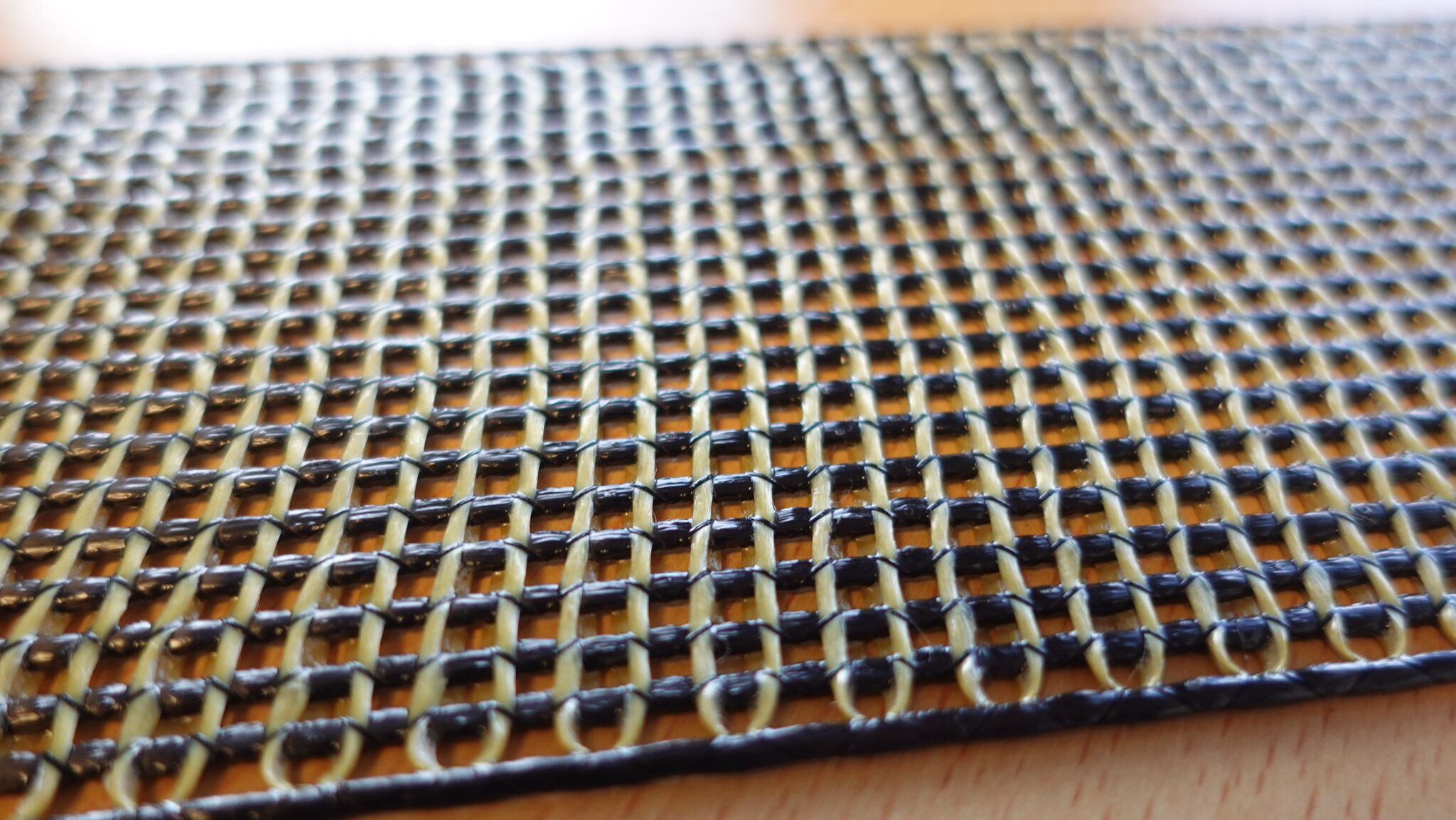
Read about Carbon Fibre Reinforced Polymer (CFRP) here
For more information about RAAC from the Institution of Stuctural Engineers click here
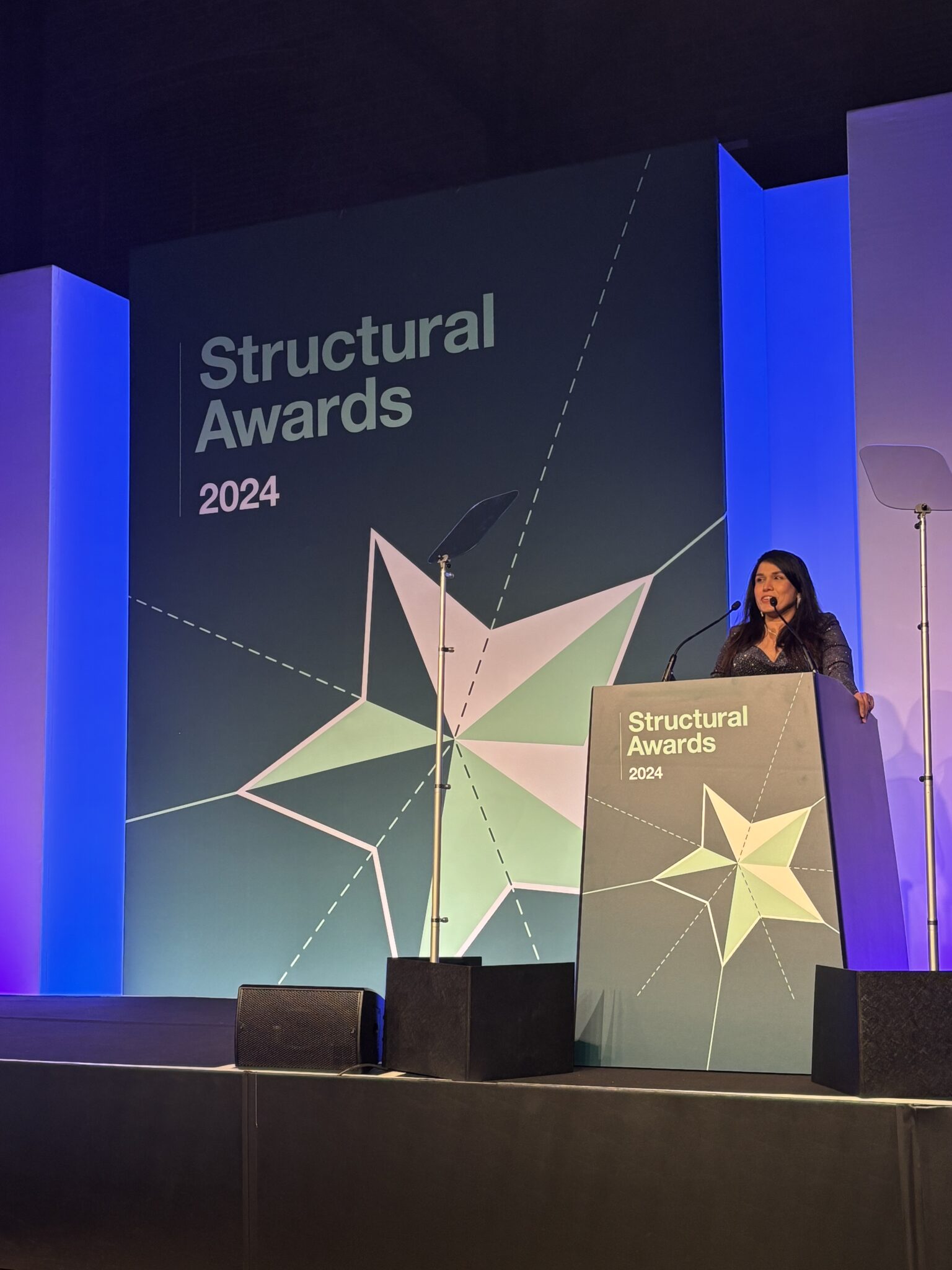
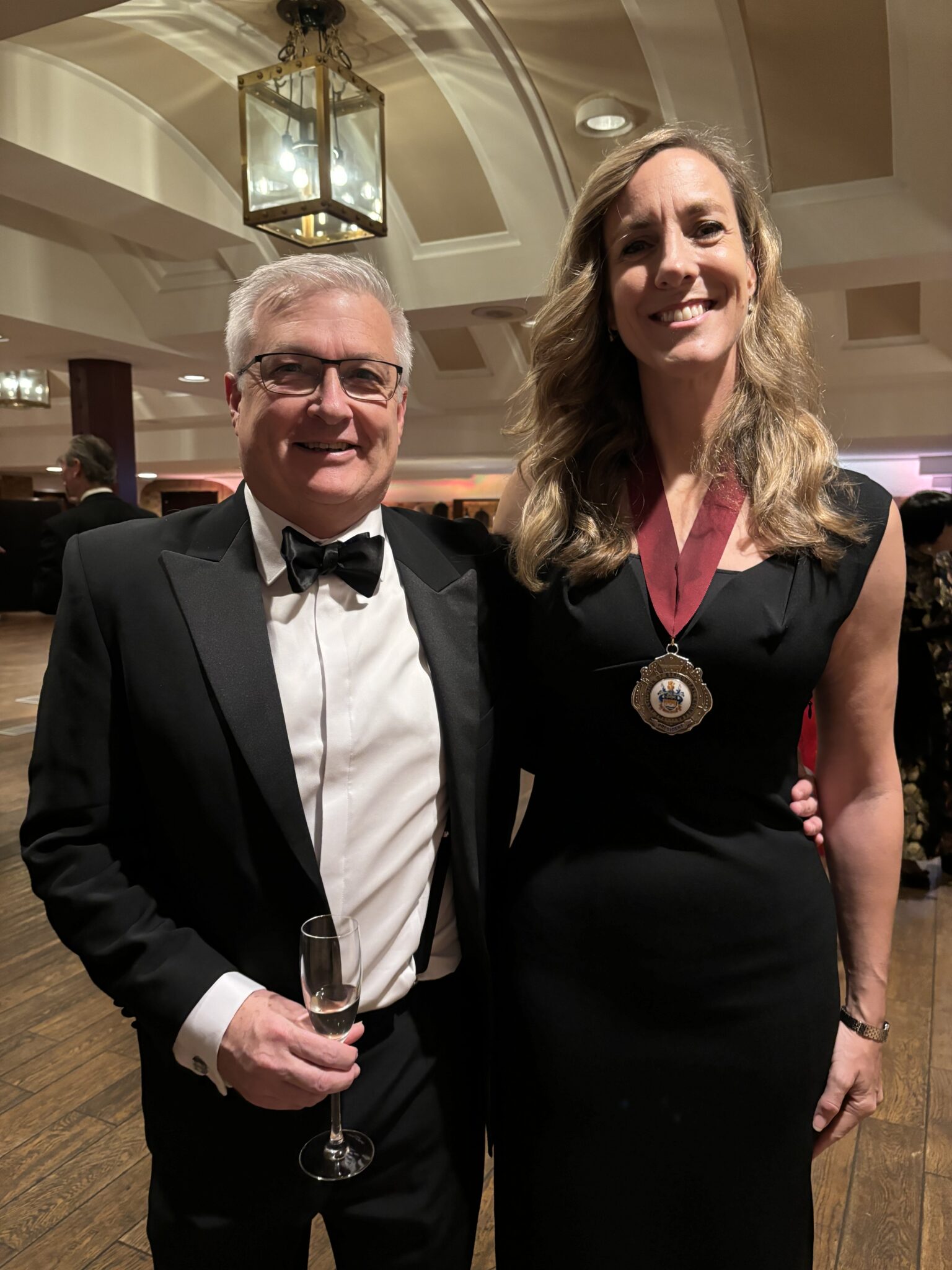
 

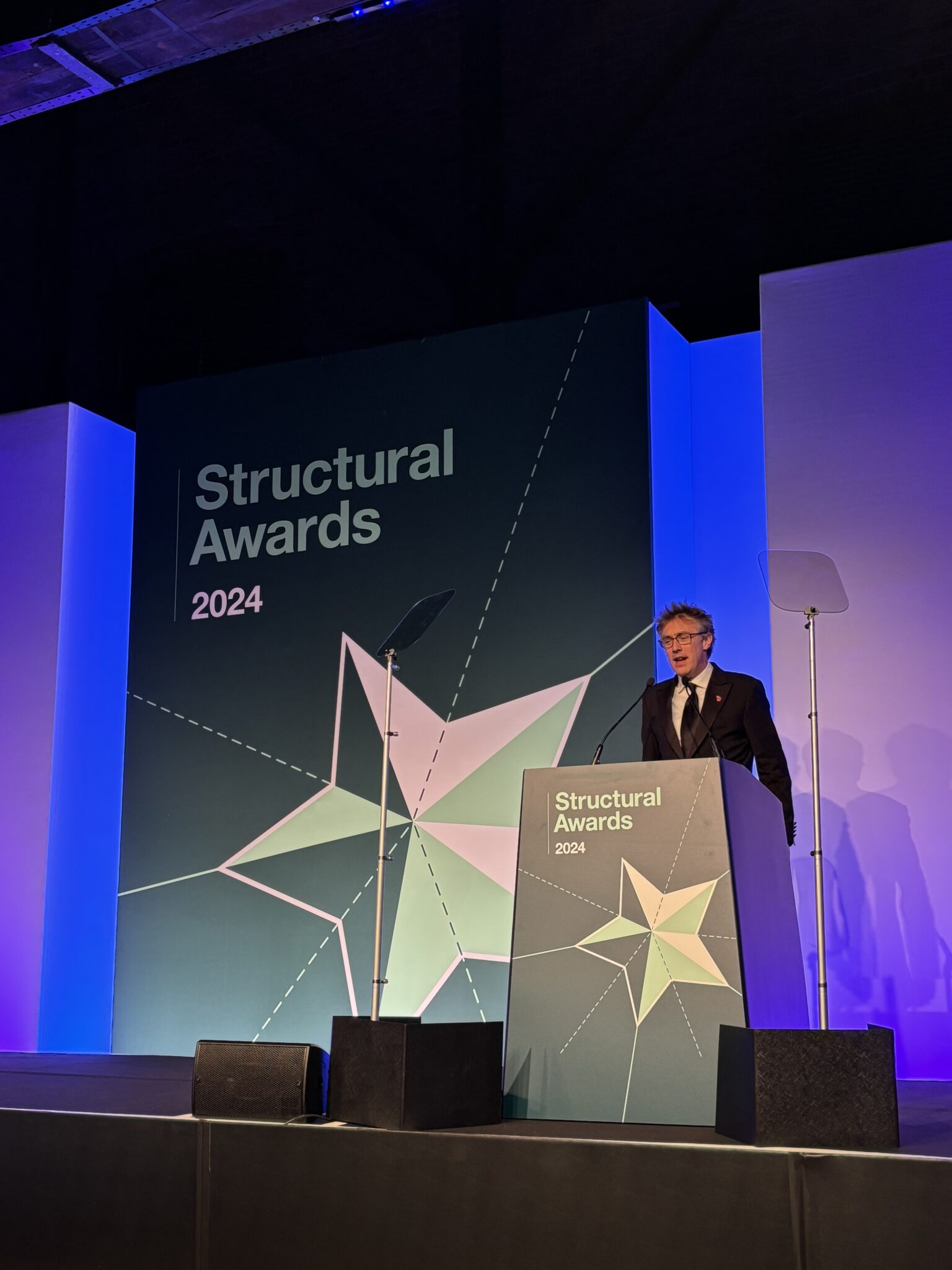
What a fantastic evening we had at the Montcalm at The Brewery in London, celebrating the Structural Awards 2024! This year’s shortlist brought together some of the most innovative and impactful engineering projects from across the globe, with each one pushing boundaries in creativity, sustainability, and social impact.

Yasmin Becker, CEO Institution of Structural Engineers


John Staves with Tanya de Hoog, President, Institution of Structural Engineers


Dallas Campbell, presentor and Honoray Fellow of the British Science Association our host for the evening


The Structural Awards are known for spotlighting projects that go beyond just technical skill. The judging panel this year was especially keen on projects that excelled in four key areas:

  • Planet  – How are these projects minimising their environmental impact?
  • People – What social value do they bring to communities?
  • Process  – What technical innovations make them stand out?
  • Profession  – How are they advancing the engineering field?

Each finalist truly impressed, showcasing the potential of engineering to improve lives and reshape our world sustainably.

The buzz in the room was infectious as we celebrated the passion and dedication behind these remarkable structures. Here’s to the engineers who are shaping a better future for all of us!

to read more about the awards, click here

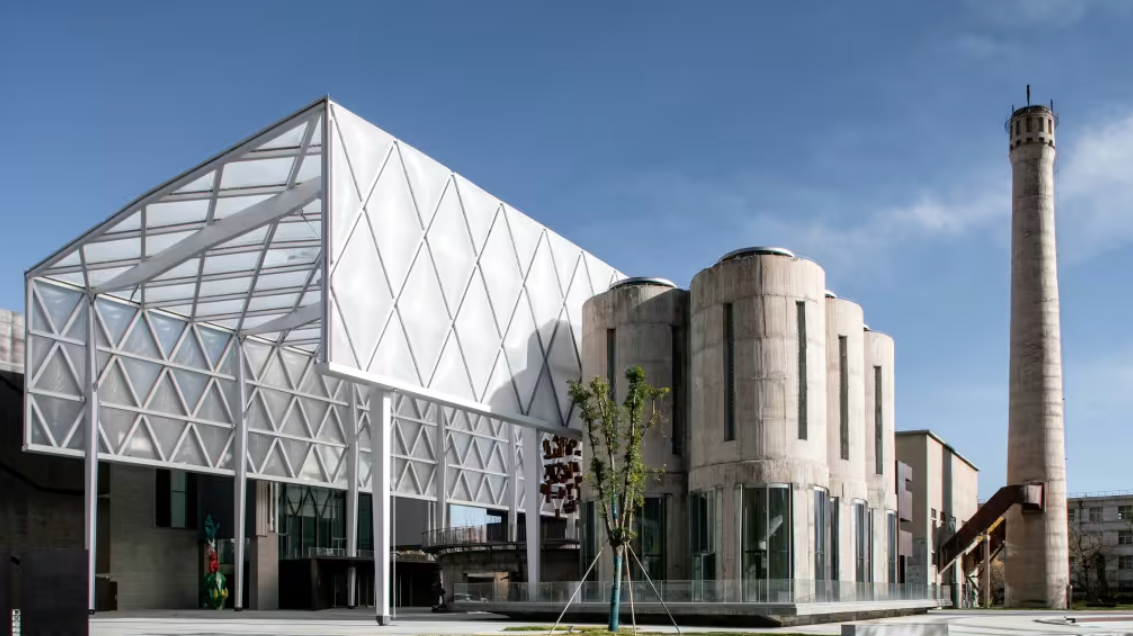
Winner 2024: Supreme Award for Structural Engineering Excellence.  Tibetan Art Museum, Lhasa, Tibet, China. Structural Engineers: Tongji Architectural Design (Group) Co., Ltd.

When people think about designing buildings, they often assume that the type of building—whether a house, office, or warehouse—dictates how it should be engineered.

The type of building is rarely the primary concern in the world of structural engineering

As structural engineers, we encounter this concern frequently: clients worry that if we haven’t designed a particular “type” of building before, the outcome may not meet their expectations.

But in truth, the type of building is rarely the primary concern in structural engineering.

The Unchanging Force of Gravity

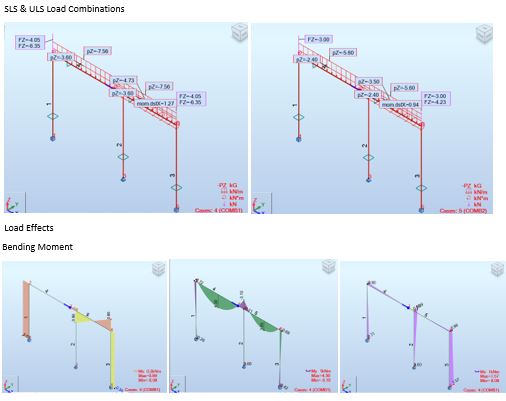
One of the universal truths we work with is gravity, a constant force that acts on every structure, regardless of what it’s designed to be or where it’s located. Gravity pulls everything down at a rate of 9.8 m/s², and this relentless downward force applies vertical loads on every part of the building, from the roof down through every column, beam and loadbearing wall to the foundations.

structural calculations

Our role as engineers is to ensure that these vertical loads are safely transferred from the structure to the ground.

This principle applies to any building, whether it’s a school, a block of flats an office or a warehouse. The type of building doesn’t change the laws of physics; gravity remains constant, and our job is to make sure every design accommodates it.

The Varying Impact of Wind Loads

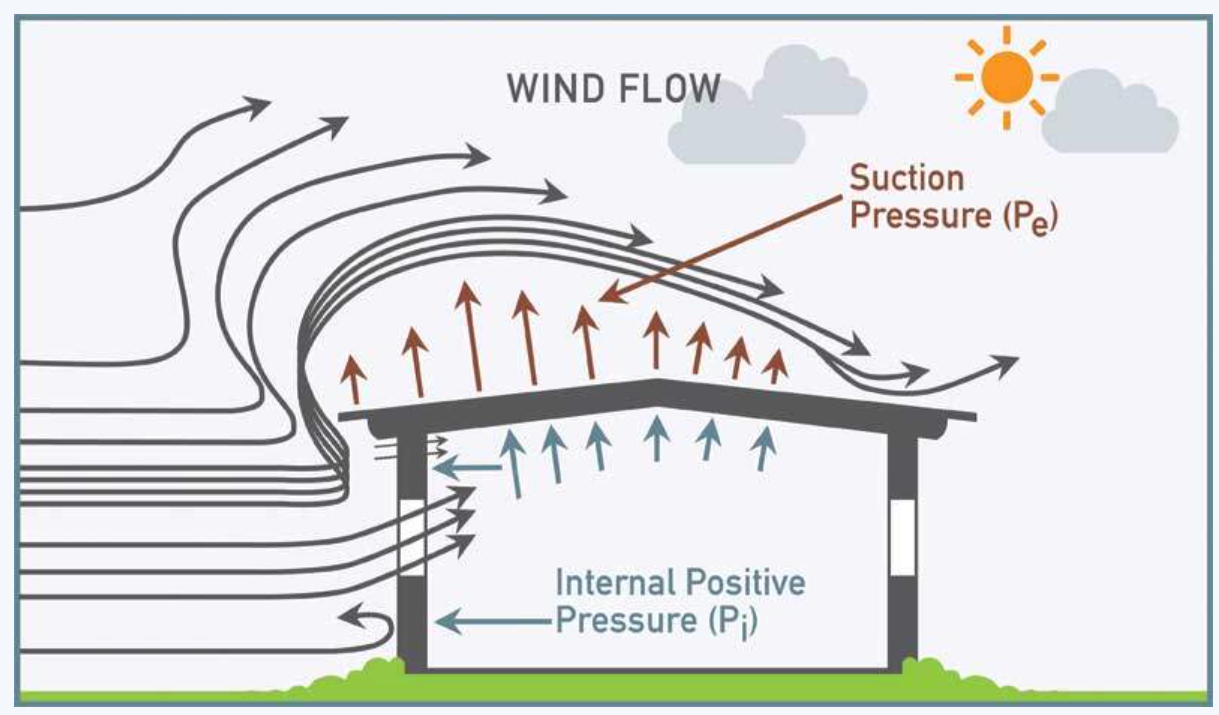
While gravity is a constant force, wind forces vary widely based on factors such as location, building height, and shape.

Wind can apply strong lateral forces that buildings need to withstand to maintain structural integrity. To manage these lateral forces, we incorporate design elements like bracing, shear walls, and moment frames into every project.

wind load


Again, the type of building doesn’t alter the basic requirements here—wind loads act on all structures, and the same engineering principles apply whether the building is a library or an office.


What Really Matters: Location, Use, and Layout

The key factors that influence a building’s structural design success are

  • its location
  • intended use, and
  • specific layout

not the type of building it is.

Each site has unique requirements based on its environment and how the building will be used. In fact, adaptability is one of the cornerstones of good structural engineering.

Designing structures that meet the unique demands of their specific location and purpose is what ensures stability, durability, and safety for occupants.

Why a successful building project needs a team

Typically the Architect will determine the layout to make the spaces work for the desired use, circulation of people (or maybe materials depending on use) flow through the building.  They are trained in this spatial planning.

Structural Engineers work with Architects to keep their schemes practical, structurally sound and safe.

And where needed other specialists such as building services engineers join to make the environment functional and comfortable.

A sound building project is a team effort, driven by the requirements of the Client.

Easing Client Concerns

Our experience designing diverse structures has shown us that the essential principles of engineering don’t change with the building type. Our knowledge of forces like gravity and wind, combined with our ability to assess site-specific needs, is what guarantees the safety and stability of any structure.

Ultimately, it’s not the type of building that determines its structural success—it’s the careful assessment of location, loads, and environmental factors. When clients understand this, they can feel confident that their project will stand the test of time, no matter its intended purpose.

“Gravity is a habit that is hard to shake off.” – Terry Pratchett